The Living Room Revolution: A Marketer’s Guide to the YouTube TV Takeover

For years, the gold standard of digital marketing was the "mobile-first" approach. We optimized for the commute, the elevator, and the bathroom break—environments defined by short attention spans, vertical video, and silent scrolling. But a tectonic shift is underway. YouTube has declared its primary ambition: the living room.
With connected TVs (CTV) becoming the fastest-growing segment for YouTube viewership, the "lean-back" experience has replaced the "lean-forward" mobile scroll. For marketers, this isn’t just a change in screen size; it is a fundamental shift in audience psychology, content strategy, and conversion mechanics.
The Main Facts: Why the Couch is the New Conversion Hub
YouTube’s aggressive push into the living room is not a trend—it is a migration. For a growing number of creators and brands, the TV screen has surpassed mobile as the primary traffic driver. This shift forces a reckoning with how we produce content.
When a viewer watches a video on their commute, their expectations are low; they accept shaky footage and rough audio. However, once that same viewer flips from a high-budget Netflix documentary to a YouTube channel, they bring those "studio-grade" expectations with them. They are subconsciously comparing your content to premium entertainment.
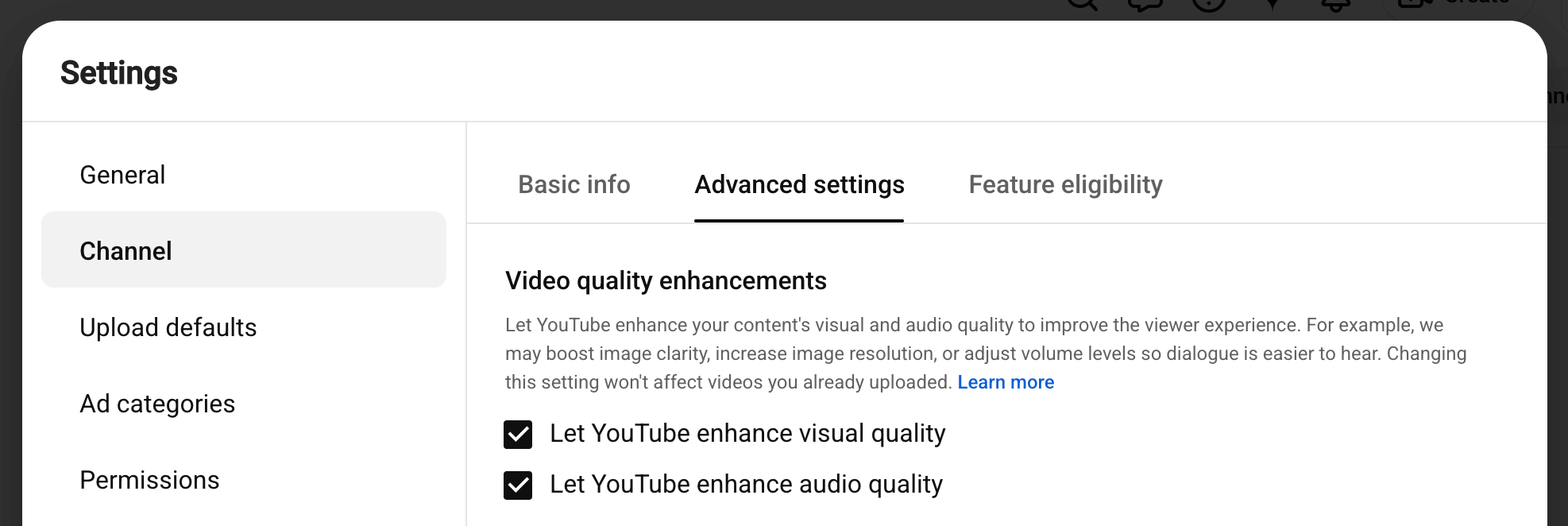
This does not mean marketers must pivot to Hollywood-level production budgets. Instead, it requires a shift toward "authentic production"—content that feels high-quality and reliable, but retains the human connection that makes YouTube unique. The most critical, yet frequently ignored, step for marketers today is simple: actually watch your content on a 65-inch television. Sitting on your couch, at a natural viewing distance, will reveal flaws in color grading, font size, and pacing that are invisible on a smartphone.
Chronology of the Shift: From Mobile Micro-Moments to Episodic Engagement
The trajectory of YouTube’s development over the last 24 months has been a breadcrumb trail leading directly to the living room.
- The Rise of High-Res: The recent expansion of thumbnail file sizes from 2MB to 50MB (enabling 4K) signaled that YouTube is no longer just a mobile app—it is a broadcast platform.
- The AI Integration: The rollout of Gemini-powered "Ask YouTube" on smart TVs and gaming consoles turned the television from a passive consumption device into an interactive, search-driven assistant.
- The Transactional Pivot: The introduction of "Buy with Google Pay" for CTV allows for a two-click checkout experience, mirroring the frictionless commerce models popularized by Amazon and TikTok Shop.
This chronology reveals a clear strategy: YouTube is evolving from a repository of "clips" into a comprehensive, shoppable, interactive entertainment network.
Supporting Data: Understanding "Unique Reach"
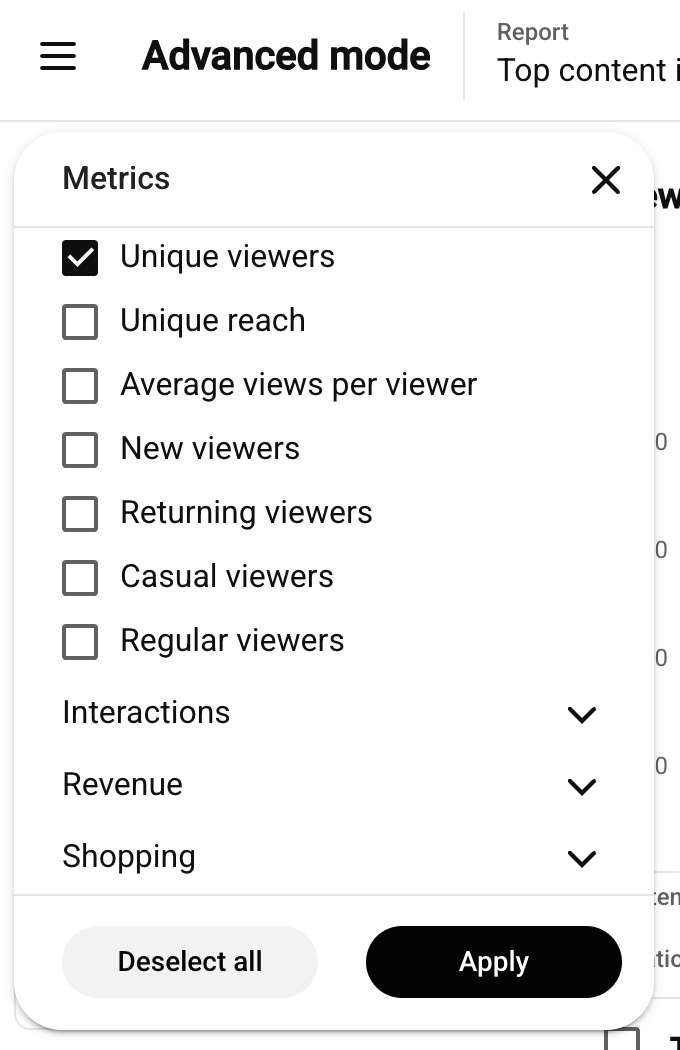
For years, marketers relied on raw view counts, but those numbers are increasingly deceptive in a household setting. To address this, YouTube has introduced the "Unique Reach" metric.

Unlike traditional views, which track individual accounts, Unique Reach uses signals like time of day, device type, and genre to estimate how many people are sitting in front of the screen. A 5,000-view video might actually reach 15,000 people if the content is family-oriented or communal.
While this is a goldmine for those negotiating sponsorships—allowing for more accurate valuation of reach—it requires a cautious approach. If a creator claims a massive "unique reach" boost, marketers must still benchmark against traditional views to ensure the engagement is legitimate. The data suggests that group-viewing habits, particularly for cooking, tech reviews, and long-form entertainment, are driving these numbers upward.
Official Responses and Strategic Implications
Industry experts like Liron Segev emphasize that the "TV-first" strategy demands a total overhaul of the content funnel.
1. Optimize the "Free Real Estate"
Your channel banner is the first thing a user sees on a big screen, yet most brands ignore the TV-safe zones. YouTube provides specific dimension guidelines for TV display; utilize the extra vertical space for secondary branding or clear promotional messaging that doesn’t clutter the mobile view.
2. The "Infotainment" Pacing
On mobile, the mantra is "get to the point." On TV, the mantra is "keep the viewer company." Viewers on the couch are looking to settle in. Moving from 10-minute tutorials to longer, episodic formats allows for a more relaxed, conversational pace. Leaving in "human" moments—a blooper, a laugh, or an off-script comment—is no longer a liability; it is an asset that builds rapport in a way that scripted content cannot.
3. Voice-Search and AI-Readiness
With the integration of Ask YouTube on TV, search is becoming conversational. Marketers must now optimize for the question, not just the keyword.
- The 100-Word Rule: Ensure the core answer to your video’s premise is delivered in the first 100 words of your transcript. This is the text AI will scrape to answer voice queries.
- Visual Signals: Gemini is a multimodal model. It doesn’t just read transcripts; it "sees" your video. Use on-screen text overlays, lower-thirds, and clear graphics to label key information. If you mention a website URL, display it visually on screen so the AI can ingest the data.
4. Frictionless Commerce
The "link in the description" is dead on TV. If a viewer cannot easily access the description, you have lost the conversion. Marketers must pivot to verbalizing calls to action ("Visit our site at [URL]") and leveraging YouTube’s native shopping features that allow for remote-based purchasing.
The Future: The Death of the "One-Off" Video
Perhaps the most profound implication of the living room era is the death of the standalone, one-off video. If you are producing content for the TV screen, you are no longer a creator; you are a programmer.

Your goal is to build an episodic loop. When a viewer finishes a video, there should be a clear, compelling reason to watch the next one. This means building "re-hooks"—natural transitions that recap where the viewer has been and tease what is coming next. This is essential for the "distracted viewer" who is likely toggling between their phone and the TV.
Furthermore, consider the power of the "FAQ Playlist." By creating short, search-optimized videos that answer specific questions, you create a library of content that serves as a perpetual lead-generation machine. As these videos surface through voice search, they provide a long tail of traffic that far outlasts the initial algorithm push.
Conclusion: Authenticity as the Competitive Edge
As AI continues to saturate the market with perfectly polished, synthetic content, the human element becomes the ultimate differentiator. Liron Segev’s advice to marketers is clear: don’t let the pursuit of "broadcast quality" kill the personality that made your channel successful in the first place.
The living room is a deeply personal space. By combining technical optimizations—like AI-indexed transcripts, visual on-screen branding, and voice-search-friendly titles—with the raw, authentic storytelling that audiences crave, marketers can turn the 65-inch screen into their most powerful sales tool. The platform is ready. The question is: are you ready to be the next big show in your viewer’s living room?