The LinkedIn Content Paradox: How a "Triple S" Framework Defies the AI Content Wave
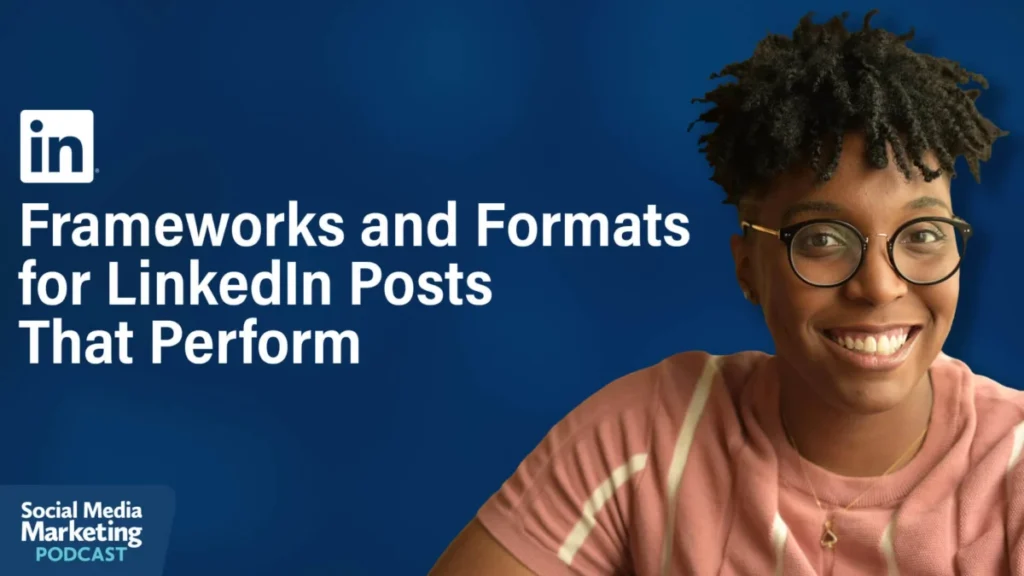
In an era where generative artificial intelligence can produce thousands of words in seconds, the professional landscape of LinkedIn is facing a peculiar crisis: a surplus of content but a deficit of connection. While the platform boasts over a billion users, a staggering statistic remains the primary driver of opportunity for savvy marketers—only 1% of LinkedIn users actually create content. This supply-and-demand gap has created a "content gold rush" for those who can master the art of the scroll-stop.
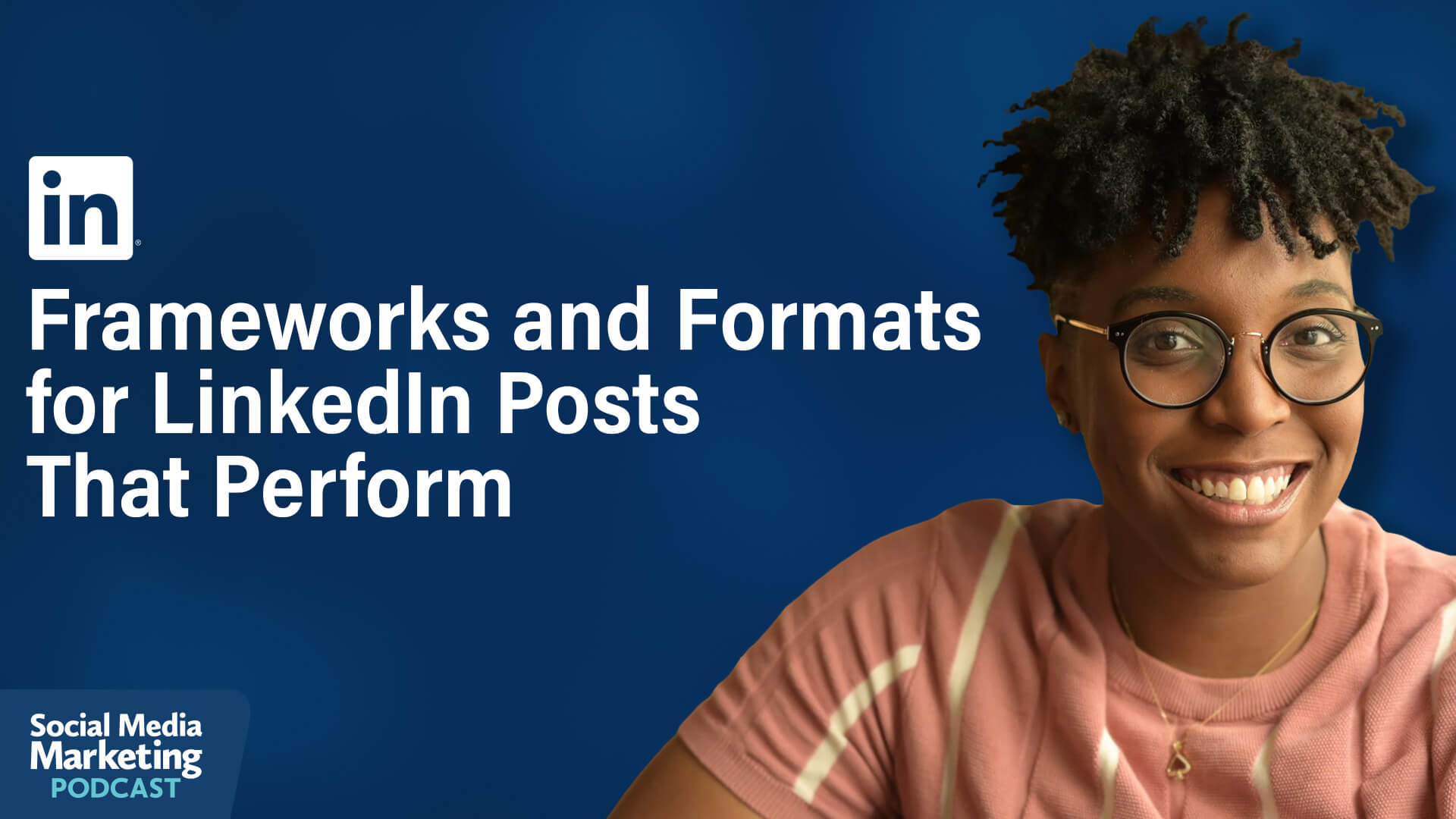
Kasey Brown, a prominent LinkedIn growth strategist and founder of Digital Kairos, argues that winning on the platform in 2024 and beyond requires a return to human-centric psychology rather than AI-automated templates. In a comprehensive breakdown of modern engagement, Brown, alongside Michael Stelzner, has unveiled the "Triple S" framework—Stop, Stay, and Share—a methodology designed to capture attention and drive measurable business growth without relying on synthetic writing.
Main Facts: The Foundations of the LinkedIn Authority
Before a single word is typed, Brown asserts that the success of a post is determined by three foundational pillars. Without these, even the most poetic prose will fail to convert.
The Granular Ideal Client Profile (ICP)
The most common mistake among LinkedIn creators is the "vague demographic" trap. Many target "entrepreneurs" or "people who want to build a brand." Brown suggests that an ICP must be specific enough that a virtual assistant could find exact matches using only LinkedIn’s search filters. A high-performing ICP looks like this: "Speakers, coaches, and consultants earning at least $20,000 per month who require organic content systems to scale their impact." This level of specificity dictates the language, the pain points, and the ultimate "vibe" of the content.
The 30-Day Transformation
Every creator must answer one question: What transformation does a follower experience after 30 days of reading your content? This framing ensures that the content remains a cohesive journey rather than a series of disjointed thoughts. If the transformation is "moving from manual lead gen to inbound authority," every post must serve as a brick in that specific wall.
The Shift to Reader-Centricity
The final foundational shift is psychological. Most creators write to satisfy their own egos—asking themselves if they sound smart or if they shared enough accolades. Brown posits that the highest-performing posts are those written exclusively for the reader’s benefit. When the creator asks, "What does the reader gain from this?" the content naturally shifts toward value and away from noise.
Chronology: Implementing the Triple S Framework
The Triple S framework follows the chronological journey of a user’s eye as they navigate their feed. It is a three-dimensional approach to engagement that moves from visual stimulus to intellectual retention.
Step 1: The "Stop" – Mastering Visual and Hook Synergy
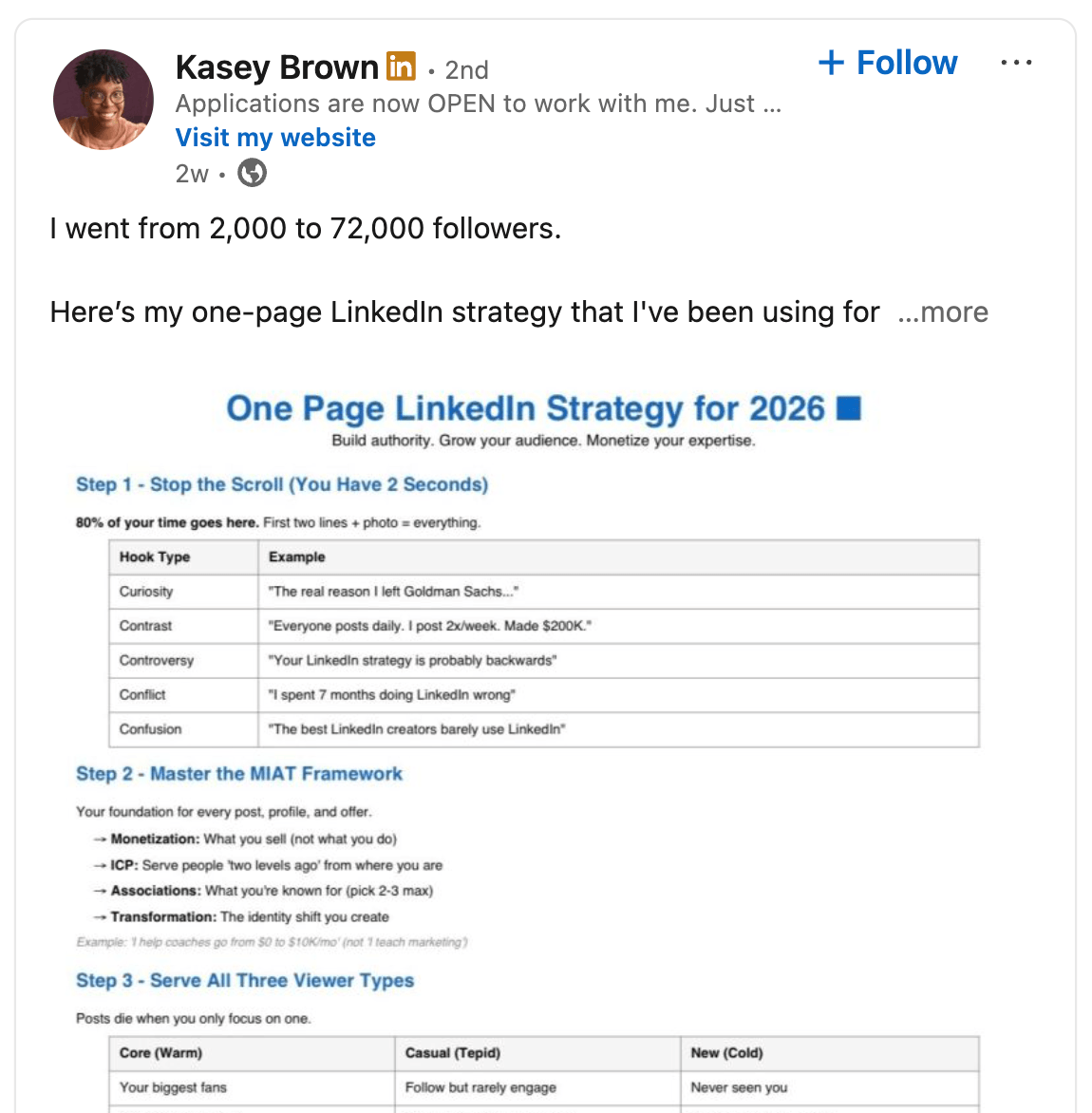
The "Stop" phase is responsible for roughly 80% of a post’s initial impressions. It relies on a combination of a "pattern interrupt" image and a compelling two-line hook.

In the realm of LinkedIn visuals, professional perfection is becoming a liability. Brown’s research indicates that high-resolution, polished headshots often signal "advertisement" to the brain, causing users to skip past them. Instead, she advocates for the "unpolished but intentional" look. One of her most successful experiments involved a wide-angle selfie taken from a stage using the 0.5x zoom on a smartphone. The casual, slightly distorted nature of the shot created natural curiosity, generating 3,000 leads compared to a mere 200 leads from a professionally shot alternative of the same event.
The visual must be paired with a hook that triggers what Brown calls the "Five Cs":
- Curiosity: Withholding just enough information to entice a click.
- Contrast: Highlighting a before-and-after or a "then vs. now."
- Contradiction: Challenging a commonly held industry belief.
- Controversy: Taking a firm stance on a polarizing topic.
- Confusion: Presenting a detail that seems out of place, demanding an explanation.
Step 2: The "Stay" – Earning Continued Attention
Once a user clicks "see more," the creator has earned three seconds of attention. The "Stay" phase is about maintaining that tension. Brown compares this to the first 60 seconds of a YouTube video; the thumbnail gets the click, but the intro determines the watch time.
The "re-hook"—the third and fourth lines of a post—should not resolve the tension created by the hook. Instead, it should deepen it. If a hook mentions a $30,000 vacation, the re-hook shouldn’t say "I saved up for it." It should say, "I never thought I could leave the business with so many fires burning, but somehow I made it." This forces the reader to continue to the body of the post to find the resolution.
Step 3: The "Share" – The Goodie Bag Strategy
The final stage is the "Share." While likes are easy and comments are common, a share is the ultimate endorsement. It signifies that the content was so valuable the reader wanted to attach their own reputation to it. To drive shares, Brown utilizes the "Goodie Bag" concept: every post should end with a tangible, actionable takeaway that the reader can "carry home."
Supporting Data: Metrics That Matter
Brown’s methodology is backed by specific engagement metrics that move beyond vanity numbers. She tracks "shares per impression" as the primary diagnostic tool for content health.
- The 0.3 Ratio: A post achieving 0.3 shares per 1,000 impressions is considered solid and performing at the platform average for high-value creators.
- The 0.5+ Benchmark: Any post that hits a 0.5 ratio or higher is classified as "Winning Content." Brown recommends that these posts be entered into a permanent rotation, to be reposted every 60 to 90 days using the exact same text and imagery.
- Mobile Optimization Stats: Given that approximately 70% of LinkedIn users consume content via mobile devices, readability is a non-negotiable metric. Brown advocates for writing at a 4th-to-7th-grade reading level, as measured by tools like the Hemingway App.
Official Responses: Expert Insights on the Human Element
Kasey Brown emphasizes that the current trend toward AI-generated content is actually a competitive advantage for human creators. "We don’t have to be better; we have to be different," Brown notes. Her stance is that AI often produces a "mid-level" quality that feels safe and corporate. By leaning into personal anecdotes, unpolished "behind-the-scenes" photos, and idiosyncratic writing rhythms, human creators can pierce through the AI-generated fog.
Brown also offers a "Pro Tip" for technical execution: LinkedIn currently caps posts at approximately 3,000 characters. When a high-value post exceeds this, she recommends continuing the content in the first comment. This not only bypasses the character limit but also tricks the algorithm into seeing immediate engagement (the creator’s own comment), which can boost the post’s initial reach.
Michael Stelzner, a veteran in the social media marketing space, echoes these sentiments, noting that the "Triple S" framework aligns with the platform’s recent algorithmic shifts toward "Knowledge and Advice." LinkedIn’s current algorithm prioritizes content that provides professional value over pure viral "engagement bait," making the "Goodie Bag" ending more important than ever.
Implications: The Future of Professional Networking
The move toward the Triple S framework signals a broader shift in digital marketing. As platforms become saturated with automated content, the "human premium" is rising.
The Death of the "Corporate Voice"
The data suggests that the "Corporate Voice"—stiff, formal, and overly polished—is dying. Users are looking for "POV" (Point of View) content. This has significant implications for B2B marketing; executives who post as individuals rather than through company pages are seeing exponentially higher engagement rates.
The Rise of the "Screenshot Economy"
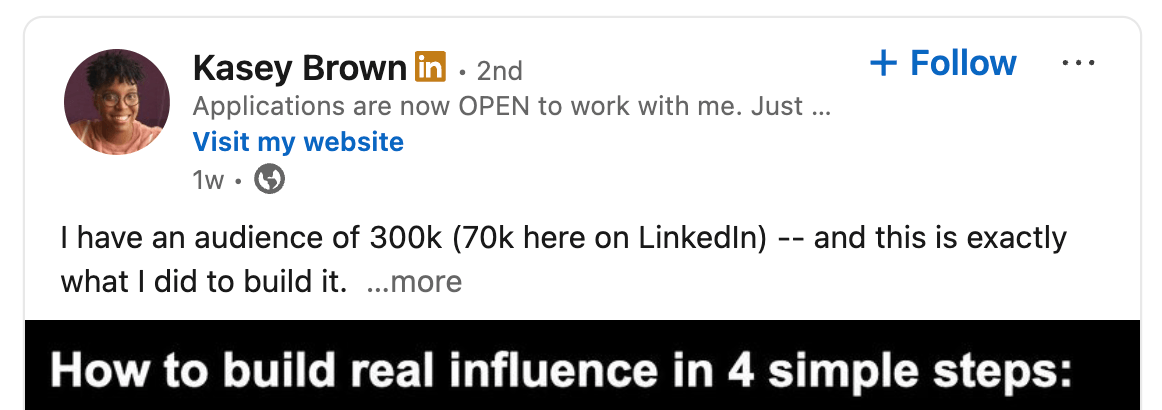
Brown’s success with "one-sheet" infographics—often photographed directly off a TV screen or formatted to look like a working document—suggests that users crave "proof of work." They want to see the frameworks and systems used in real-time, not just the finished, glossy result.
Sustainability and Repurposing
Perhaps the most significant implication for busy professionals is the sustainability of this model. By focusing on high-share-ratio content, creators can stop the "hamster wheel" of constant creation. If a post hits the 0.5 ratio, it becomes an evergreen asset. This allows founders and consultants to spend less time writing and more time engaging with the leads that the "Winning Content" generates.
In conclusion, the LinkedIn content gap remains a wide-open door. For those willing to define a precise ICP, master the psychology of the "Stop, Stay, and Share," and maintain a human touch in an AI-driven world, the platform remains the most potent tool for professional growth and authority building available today.