A New Chapter: Modi and Xi Reaffirm Commitment to Stability at New Delhi BRICS Summit
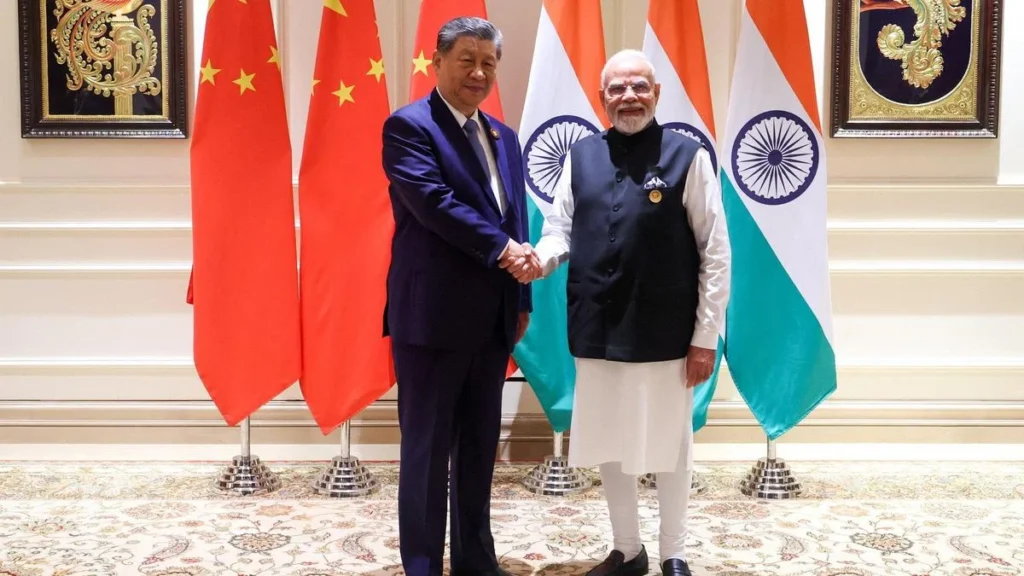
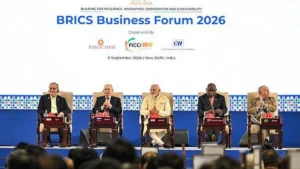
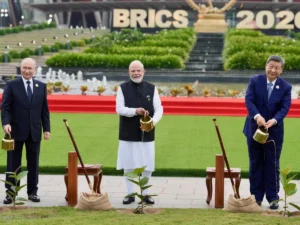
New Delhi, September 12, 2026 – In a significant diplomatic development that signals a thaw in one of the world’s most complex bilateral relationships, Prime Minister Narendra Modi and Chinese President Xi Jinping held a high-stakes meeting on the sidelines of the BRICS Summit in New Delhi. The encounter, which took place at the Bharat Mandapam, marks a deliberate effort by both Asian giants to move past the lingering shadows of the 2020 border crises and establish a more stable, predictable framework for engagement.
The meeting underscores a pivot toward pragmatic diplomacy, with both leaders publicly welcoming the "steady progress" achieved in India-China relations over the past two years—a trajectory that has moved from tactical disengagement to a cautious renewal of high-level dialogue.
The Core Narrative: A Shift Toward Strategic Patience
The primary takeaway from the Saturday summit is the explicit commitment from both New Delhi and Beijing to prevent bilateral friction from escalating into structural hostility. As Prime Minister Modi articulated in his post-meeting briefing, the two nations have agreed that "differences should not become disputes."
This sentiment was mirrored by President Xi, who advocated for a "rational strategic understanding." The rhetoric marks a departure from the confrontational stance that dominated the post-Galwan era. By emphasizing that the two countries should view their ties through a "long-term perspective," the leadership of both nations appears to be prioritizing economic stability and regional influence over the short-term political posturing that has historically hindered cooperation.
Chronology of the Thaw: From Conflict to Coexistence
To understand the significance of the September 12 meeting, one must look at the timeline of the recent diplomatic recovery:
- 2020: The Galwan Valley clashes lead to a complete breakdown in trust, resulting in a "cold phase" of diplomatic, economic, and military relations.
- October 2024: A quiet, pivotal meeting between Modi and Xi on the sidelines of the BRICS Summit in Kazan, Russia, sets the stage for a reset.
- August 2025: A high-level meeting in Tianjin, China, serves as a proof-of-concept for the new diplomatic approach, leading to tangible improvements in cross-border trade and people-to-people exchanges.
- August 2026: The successful conclusion of the Kailash Manasarovar Yatra serves as a cultural bellwether, signaling that the Himalayan passes are once again becoming bridges rather than barriers.
- September 12, 2026: The New Delhi Summit consolidates these gains, with both leaders agreeing to a path of "parallel progress" on both the border question and wider bilateral cooperation.
Supporting Data and Strategic Context
The economic and geopolitical stakes for this rapprochement are immense. China remains a critical economic partner for India, and India, as a leading voice of the "Global South," is central to China’s vision of a multipolar world.
Xi’s Four-Point Vision
During the summit, President Xi outlined a four-pillar framework to guide the next decade of India-China relations:
- Rational Strategic Understanding: Developing a mature assessment of each other’s national interests to avoid miscalculation.
- Cooperation Through Mutual Benefit: Leveraging the strengths of the two largest emerging economies to drive regional growth.
- Mutual Respect and Understanding: Acknowledging that both nations have distinct national circumstances that necessitate a flexible diplomatic approach.
- Openness and Inclusiveness: Coordinating within multilateral frameworks like the UN, SCO, and G20 to address global challenges such as climate change and financial volatility.
The Border Question
While progress has been made, the boundary issue remains the "essential basis" for the development of ties, as noted by Prime Minister Modi. The Ministry of External Affairs (MEA) confirmed that the leaders are committed to a "fair, reasonable, and mutually acceptable resolution." The Chinese Foreign Ministry echoed this, suggesting that the boundary issue and broader bilateral relations should be pursued in parallel, ensuring that each supports the other to maintain peace and tranquillity.
Official Responses and Diplomatic Nuance
The tone of the official statements from both New Delhi and Beijing was noticeably measured and professional.

From the Indian Side:
Prime Minister Modi’s office emphasized the "full range" of relations, focusing on stability. By conveying best wishes for China’s upcoming BRICS presidency, Modi signaled a willingness to integrate India’s regional objectives with the broader BRICS agenda, provided that the border situation remains calm. The MEA highlighted the need to "expand common ground" while proactively addressing lingering challenges.
From the Chinese Side:
President Xi’s delegation, which arrived with a massive contingent, emphasized the vitality of the BRICS platform. Xi’s focus on the "Global South" is a strategic play to consolidate emerging markets under a unified, non-Western-centric economic umbrella. His comments on the crisis in West Asia were particularly significant; by calling for a "political settlement," he framed China and India as the stabilizing forces of the modern world, explicitly stating that both nations share "significant responsibilities" in global governance.
Implications: A Multipolar Future?
The implications of this meeting extend far beyond the two nations. For the BRICS framework, the alignment of its two most influential members provides a massive boost to the group’s collective bargaining power on the global stage.
Economic Reintegration
The mention of increased trade through Himalayan passes suggests that the "cold phase" of economic policy—which saw various restrictions on Chinese investment in India—may be undergoing a quiet reassessment. If the border remains quiet, it is highly probable that we will see a phased restoration of investment pathways and a potential uptick in bilateral trade volumes.
Geopolitical Balancing
For the international community, this reconciliation complicates the existing geopolitical calculus. As China seeks to build an "equal and orderly multipolar world," it requires a functional relationship with New Delhi to prevent the Indo-Pacific from becoming a theater of total binary containment. India, by maintaining its "strategic autonomy," gains leverage by balancing its growing ties with the West against a stabilized, pragmatic relationship with Beijing.
Global Security
The two leaders’ stance on the West Asia conflict suggests that they are looking to position the BRICS bloc as a primary mediator in global crises. By emphasizing that the war is "against the common interests of the international community," Modi and Xi are signaling that they intend to exert greater influence in international diplomacy, effectively positioning their partnership as a counterweight to traditional Western-led mediation efforts.
Conclusion: The Road Ahead
The New Delhi meeting represents a triumph of pragmatism over rhetoric. While deep-seated historical grievances and territorial disputes remain unresolved, the leaderships of India and China have clearly identified that the cost of sustained hostility is becoming prohibitive.
The focus on "peace and tranquillity" as a prerequisite for development suggests that for the next few years, both nations will prioritize the "low-hanging fruit" of trade, cultural exchange, and multilateral cooperation. Whether this leads to a permanent settlement of the border dispute or simply a managed state of tension remains to be seen. However, as of September 2026, the two Asian giants have firmly opted for the path of dialogue, injecting a much-needed sense of stability into an increasingly volatile global order.
With inputs from Ananth Krishnan in Beijing.