The New LinkedIn Content Playbook: Navigating AI, Collaborative Growth, and Out-of-Network Reach
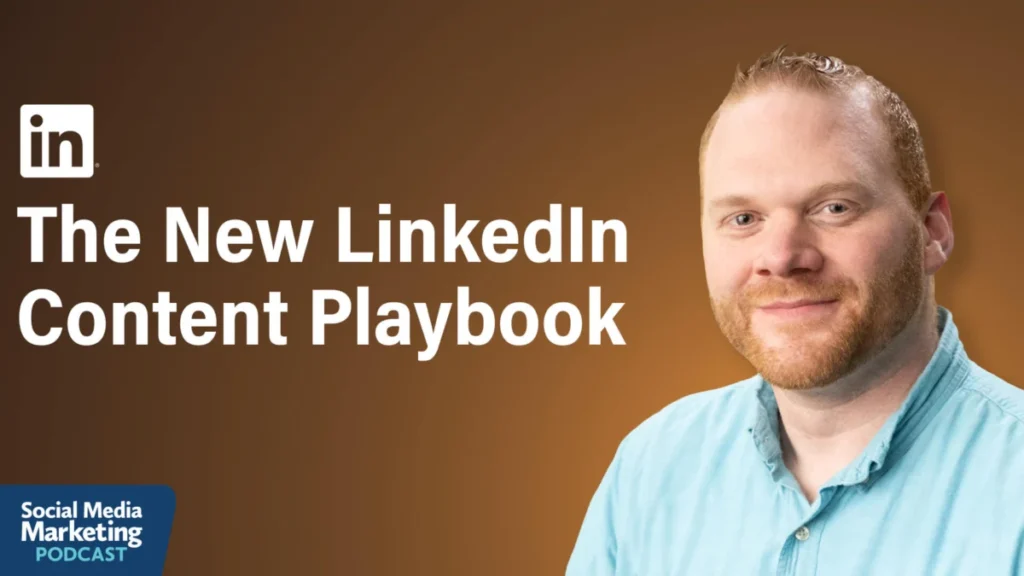
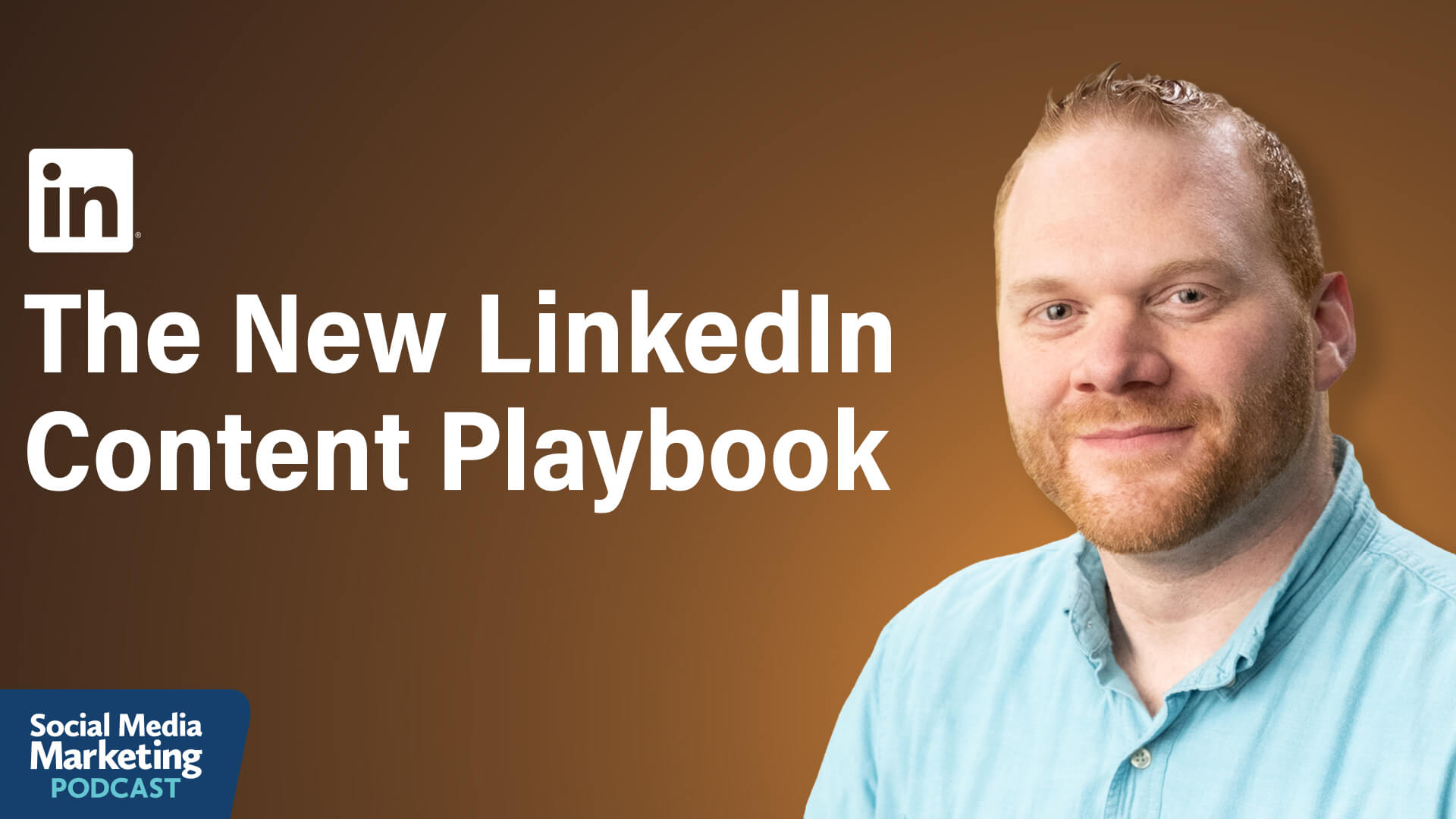
Abstract: As LinkedIn shifts away from uninspired, automated filler and introduces powerful new features like collaborative posting, an expanded Creator Marketplace, and granular out-of-network analytics, marketers must completely overhaul their strategies. Co-created by digital marketing experts AJ Wilcox, Michael Stelzner, and Jerry Potter, this comprehensive playbook examines how brands and creators can adapt to LinkedIn’s evolving ecosystem.
Main Facts: The Evolution of the LinkedIn Ecosystem
LinkedIn is undergoing a profound structural evolution. Once celebrated for integrating artificial intelligence directly into its native compose box to encourage content creation, the professional platform is now actively cracking down on "AI slop"—low-perspective, formulaic posts generated entirely by algorithms. Content flagged by these detection systems suffers from restricted distribution, cutting it off from the broader ecosystem.
Simultaneously, LinkedIn is rolling out transformative tools designed to foster authentic community growth. These include:
- Collaborative Posts: Enabling multiple personal profiles and company pages to co-author and co-publish single posts, combining audiences seamlessly.
- AI-Powered People Search: Opening up natural-language, intent-driven searches to all US users, transforming how professionals discover one another.
- The Creator Marketplace: Integrated directly into Campaign Manager, streamlining how brands identify, vet, and partner with creators via Thought Leader Ads.
- Out-of-Network Analytics: A vital new metric tracking the precise percentage of post impressions originating from users outside a creator’s immediate follower network.
Chronology: How the Paradigm Shift Unfolded
The transformation of LinkedIn’s content ecosystem did not happen overnight. It is the result of a deliberate, multi-phased platform pivot:
- The AI Floodgates Open: LinkedIn initially introduced native AI writing assistants inside its compose box, encouraging users to leverage automation to scale their posting frequency.
- The Saturation Point: As feeds flooded with formulaic, predictable text structures devoid of human insight, engagement rates and user trust began to plateau. Users sought genuine perspective over automated summaries.
- The Algorithmic Crackdown: Responding to user fatigue, LinkedIn updated its content distribution rules to penalize low-quality, generic AI generation. The platform clarified that while AI-assisted tools are acceptable, the human must remain the conceptual "brain" behind the work.
- The Infrastructure for Trust: To counteract anonymous automation, LinkedIn built collaborative and network-expanding infrastructure. Features like mutual-opt-in collaborative posts and the expanded Creator Marketplace were launched to elevate authentic, trusted voices.
- Data-Driven Transparency: Most recently, LinkedIn introduced the out-of-network analytics metric, providing creators and marketers with an empirical feedback loop to measure true content reach and audience expansion.
Supporting Data & Industry Insights
To contextualize these changes, recent industry data reveals how professionals are coping with the rapid acceleration of AI:
- 85% of marketers report learning and experimenting with artificial intelligence entirely on their own, navigating tools without formal institutional roadmaps.
- Only 7% of organizations currently provide structured internal training for marketing teams utilizing generative AI tools.
- More than 50% of marketing professionals spend their own personal funds on specialized AI software to maintain a competitive edge.
- Thought Leader Ads continue to perform as the most cost-effective ad format on LinkedIn, generating high organic engagement at a fraction of the cost of traditional display units. High-performing enterprise campaigns report competitive CPMs around $80 when targeting hyper-specific accounts.
Official Responses and Expert Perspectives
Industry leaders AJ Wilcox and Michael Stelzner have broken down the implications of these updates, offering actionable frameworks for modern marketers.
The Human-in-the-Loop AI Standard
AJ Wilcox acknowledges the initial irony of LinkedIn penalizing AI-generated content after previously promoting it. However, he views the shift as an absolute necessity for platform survival. "If every post on the platform reads like AI-generated filler, nobody stays. The feed becomes unusable," Wilcox notes.
Michael Stelzner shares a practical methodology for adapting to this reality. After initially training custom AI language models on his personal writing style, Stelzner noticed the telltale signs of algorithmic uniformity. He pivoted his workflow: "I write entirely in my own voice first, then use AI as a consultant to identify weak spots and sharpen my hooks."
Trust-Based Reach via Collaboration
With corporate page posts traditionally suffering from minimal organic reach, collaborative posts offer an essential workaround. Wilcox emphasizes that brands can no longer rely solely on forcing employees to blindly reshare corporate announcements. Instead, true growth stems from collaborative co-authoring where individual thought leaders and brands pool their equity.

Regarding the Creator Marketplace, Wilcox points out a major tactical shift: brands can now easily find organic brand advocates who have mentioned them in previous posts and convert those endorsements into sponsored Thought Leader Ads with optimized target audiences.
Strategic Implications for Marketers and Creators
To thrive under LinkedIn’s new playbook, professionals must adjust their strategies across four key pillars:
1. Re-Evaluating AI Content Workflows
Marketers must stop using AI to generate content from scratch. Instead, automation should be relegated to editing, brainstorming, and refining human-born perspectives. Content must include timely, proprietary insights that existing large language models have not yet ingested.
2. Leveraging Collaborative Posting
Brands should look internally and externally for synergistic partnership opportunities. Reach out to top fans, loyal customers, and non-competing industry peers to co-author content. Ensure that these joint posts lead with conversational, human-centric narratives rather than stiff corporate marketing speak.
3. Optimizing Profiles for AI Search
With LinkedIn’s AI-powered people search now widely available, traditional keyword stuffing is obsolete. Professionals must optimize their profiles using clear, natural language that outlines their specific expertise and intent. Regularly test personal profiles by searching for them to see how the platform’s AI summarizes your professional value proposition.
4. Tracking Out-of-Network Metrics
Marketers should monitor the newly introduced out-of-network reach metric closely. By analyzing which topics consistently break past existing followers, creators can establish a repeatable content formula designed for exponential audience acquisition rather than insular validation.