Mastering the Art of Product Marketing: A Strategic Blueprint for Ecommerce Success
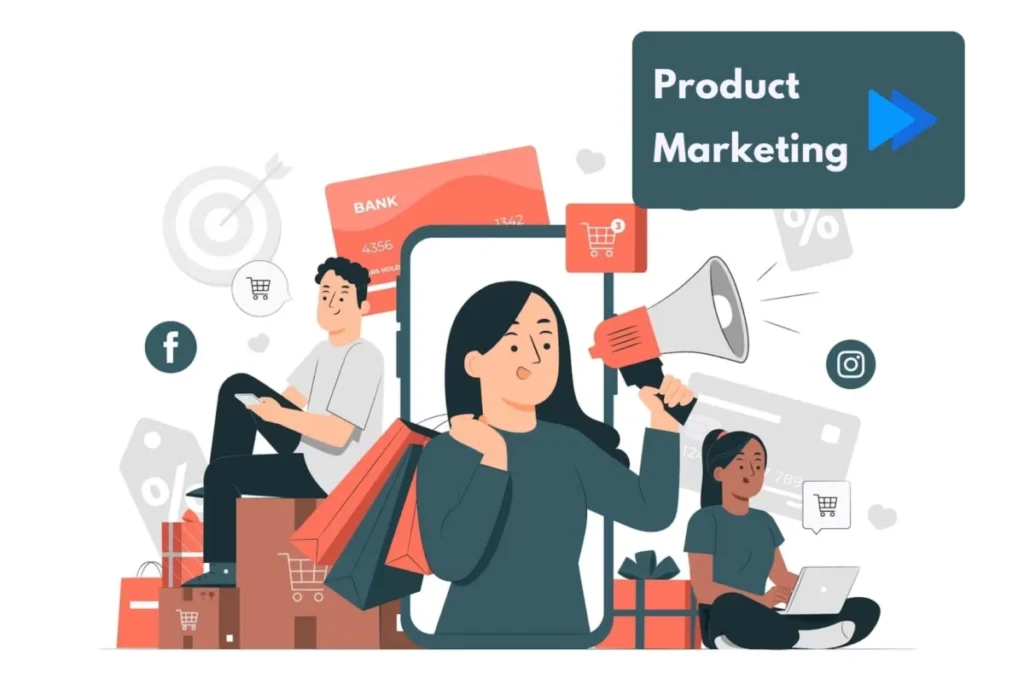
In the modern digital economy, the adage "if you build it, they will come" has become a dangerous fallacy. Having a high-quality product is merely the baseline; in a saturated global marketplace, the true differentiator is how you position, promote, and deliver that product to your target audience. This is where Product Marketing—the vital bridge between engineering, sales, and the end consumer—becomes the linchpin of business survival and growth.
For ecommerce enterprises, product marketing is not merely a department; it is the strategic engine that translates technical product specifications into human-centric value propositions.
The Essence of Product Marketing: Defining the Discipline
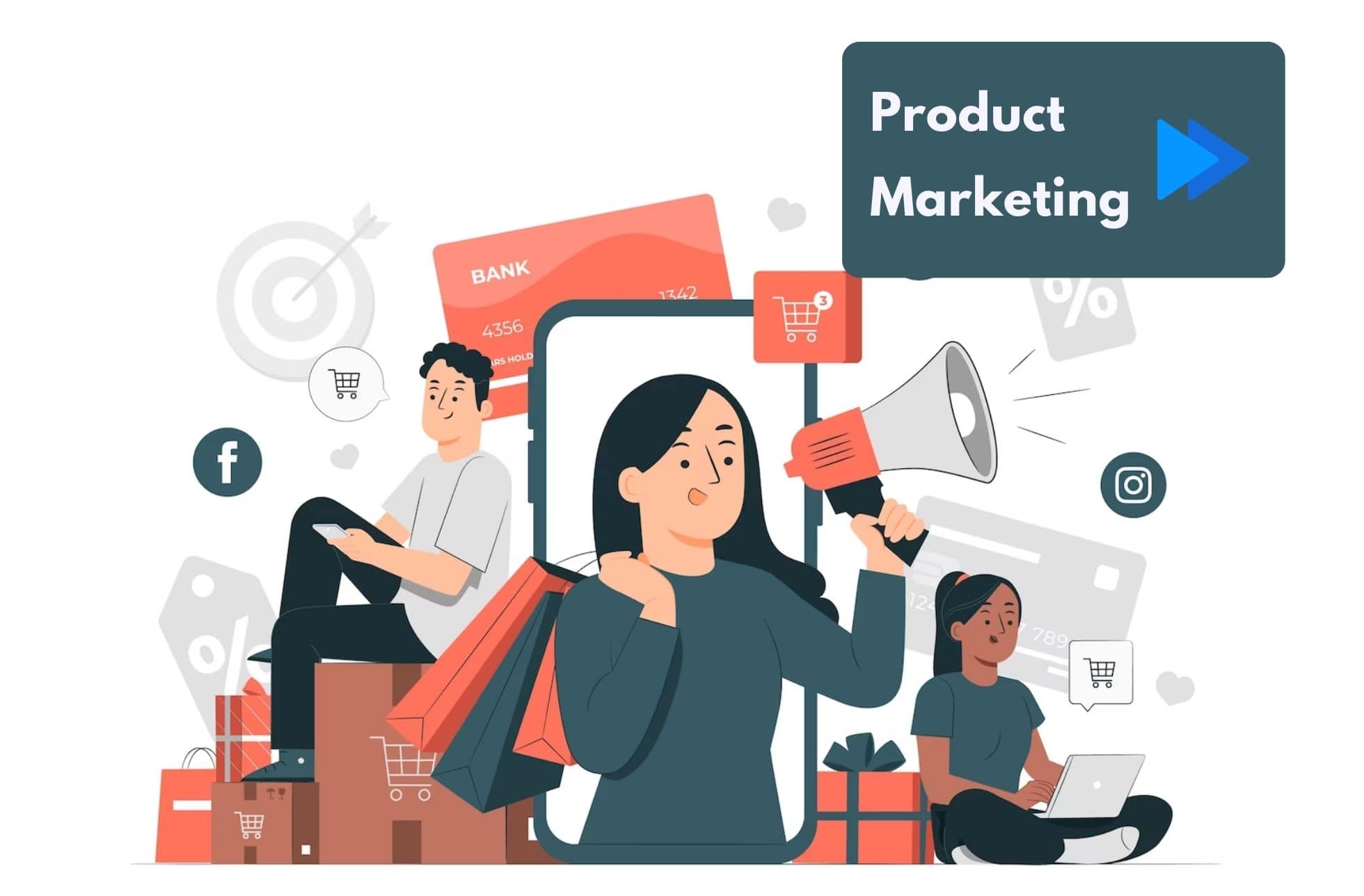
At its core, product marketing is the specialized process of bringing a product to market, positioning it effectively, and ensuring it reaches the right audience to drive sustainable sales. Unlike general marketing, which focuses on broad brand awareness and top-of-funnel lead generation, product marketing is laser-focused. It answers the fundamental questions: Who is this for? Why does it matter to them? How does it outperform the competition?
It functions as a translator. Product developers speak the language of features and functionality; sales teams speak the language of quotas and objections. The product marketer speaks the language of the customer, ensuring that the "what" (the product) aligns perfectly with the "why" (the customer need).
The Strategic Framework: A Six-Step Roadmap
Building a winning product marketing strategy requires a methodical approach. It is not an improvisational act but a disciplined execution of the following six pillars.
1. Rigorous Market Research
Before a single dollar is spent on advertising, you must understand the ecosystem. This involves analyzing market size, competitor behavior, and, most importantly, the "jobs-to-be-done" framework. By identifying the pain points your target demographic faces, you can tailor your product to provide the exact solution they are seeking.
2. Strategic Product Positioning
Positioning defines your product’s unique "shelf space" in the consumer’s mind. It is the art of differentiation. If your product is a premium option, your positioning must reflect high-end quality. If it is a cost-effective alternative, you must emphasize value and accessibility. This is about establishing a clear, defensible identity.
3. Pricing Strategy: The Psychology of Value
Pricing is the most overlooked lever in product marketing. It is not just about covering costs; it is about perceived value. Psychological pricing, tier-based subscription models, and competitive benchmarking are all essential tools to ensure the price point acts as a catalyst for conversion rather than a barrier.
4. Messaging and Brand Voice
Once you know who you are and who you are selling to, you must define how you sound. Messaging frameworks allow for consistency across all touchpoints, from landing pages to social media advertisements. Effective messaging avoids jargon and focuses entirely on outcomes—the transformation the customer will experience after using your product.
5. Distribution Channels
Where does your customer spend their time? Whether it is direct-to-consumer (DTC) through your own website, third-party marketplaces like Amazon, or social commerce platforms like Instagram, your distribution strategy must align with your customer’s habits.
6. Promotion and Go-to-Market (GTM)
This is the execution phase. A robust GTM strategy coordinates the launch, leveraging PR, paid search, email marketing, and influencer partnerships to generate maximum impact during the critical early days of a product’s lifecycle.
The Evolution of the Product-Led Growth (PLG) Model
In recent years, a significant shift has occurred: the rise of Product-Led Marketing (PLM). In this model, the product itself is the primary driver of acquisition, activation, and retention.
Companies like Slack, Dropbox, and Canva revolutionized their industries by offering freemium models that allowed users to experience the product’s value before ever speaking to a salesperson. This approach reduces friction, lowers customer acquisition costs (CAC), and fosters organic advocacy. In a PLG environment, the marketing team’s role shifts from "persuading" the customer to "onboarding" the user to their first "aha!" moment—the exact point where the product solves their problem.
Product Marketing vs. Content Marketing: Clarifying the Confusion
A common point of confusion for startups is the intersection of product marketing and content marketing. While they often collaborate, their objectives are distinct:
- Product Marketing is transactional and conversion-oriented. It is designed to move a lead through the funnel toward a purchase by highlighting the specific benefits and competitive advantages of an SKU.
- Content Marketing is educational and authority-driven. Its goal is to provide value, build trust, and solve problems without necessarily pitching a product in every sentence.
When a company confuses the two—for instance, by turning an educational blog post into a thin, sales-heavy advertisement—they lose the trust of the reader. Content should support product marketing by establishing the brand as a thought leader, not by acting as a glorified sales brochure.
The Role of the Product Marketing Manager (PMM)
The PMM is a unique professional, often described as a "Swiss Army Knife" of the organization. They possess the analytical mind of a strategist, the creative flair of a marketer, and the technical literacy of a product developer.
Core responsibilities include:
- Customer Advocacy: Serving as the voice of the user within the product development team.
- Sales Enablement: Equipping the sales team with battle cards, case studies, and pitch decks to help them close deals.
- Market Intelligence: Keeping a finger on the pulse of competitor shifts and industry trends.
- Lifecycle Management: Overseeing the product journey from pre-launch anticipation to post-purchase retention.
Measuring Success: The Metrics That Matter
In the data-driven landscape of modern commerce, success is defined by measurable outcomes. Key metrics include:
- Customer Acquisition Cost (CAC): How much are you spending to gain one new customer?
- Conversion Rate: What percentage of site visitors actually complete a purchase?
- Churn Rate: Are your customers staying, or are they leaving shortly after acquisition?
- Customer Lifetime Value (CLV): What is the total revenue a customer generates over the duration of their relationship with your brand?
- Product Adoption Rate: How quickly and deeply are users engaging with your features?
Implications for Future Growth
The future of product marketing lies in hyper-personalization and data integration. With the advent of AI, product marketers are now able to segment audiences with unprecedented precision, delivering the right message to the right person at the exact moment of intent.
Businesses that treat product marketing as a core competency will thrive in the coming decade. Those that view it as an afterthought will find themselves struggling to compete in an increasingly crowded market. By bridging the gap between product innovation and market demand, product marketing ensures that your business doesn’t just launch products—it launches successes.
Whether you are a startup founder or a marketing executive at an established firm, the principles of positioning, research, and data-backed execution remain your most powerful tools for sustainable growth. Start by auditing your current strategy, identifying the gaps in your messaging, and realigning your team around the only metric that truly matters: the value your product delivers to the customer.