The LinkedIn Revenue Engine: Decoding the Three-Tier Content Funnel for B2B Success
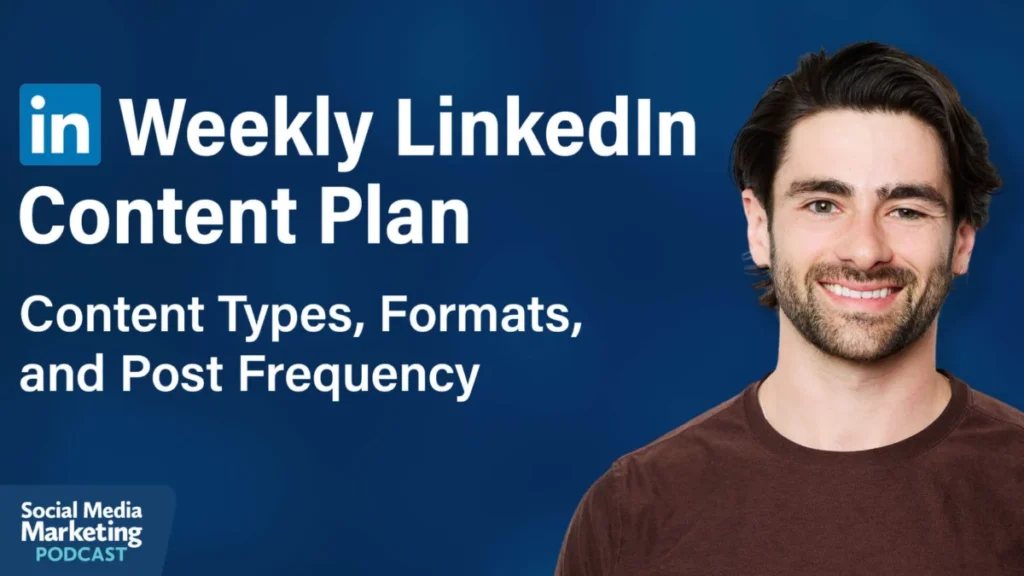
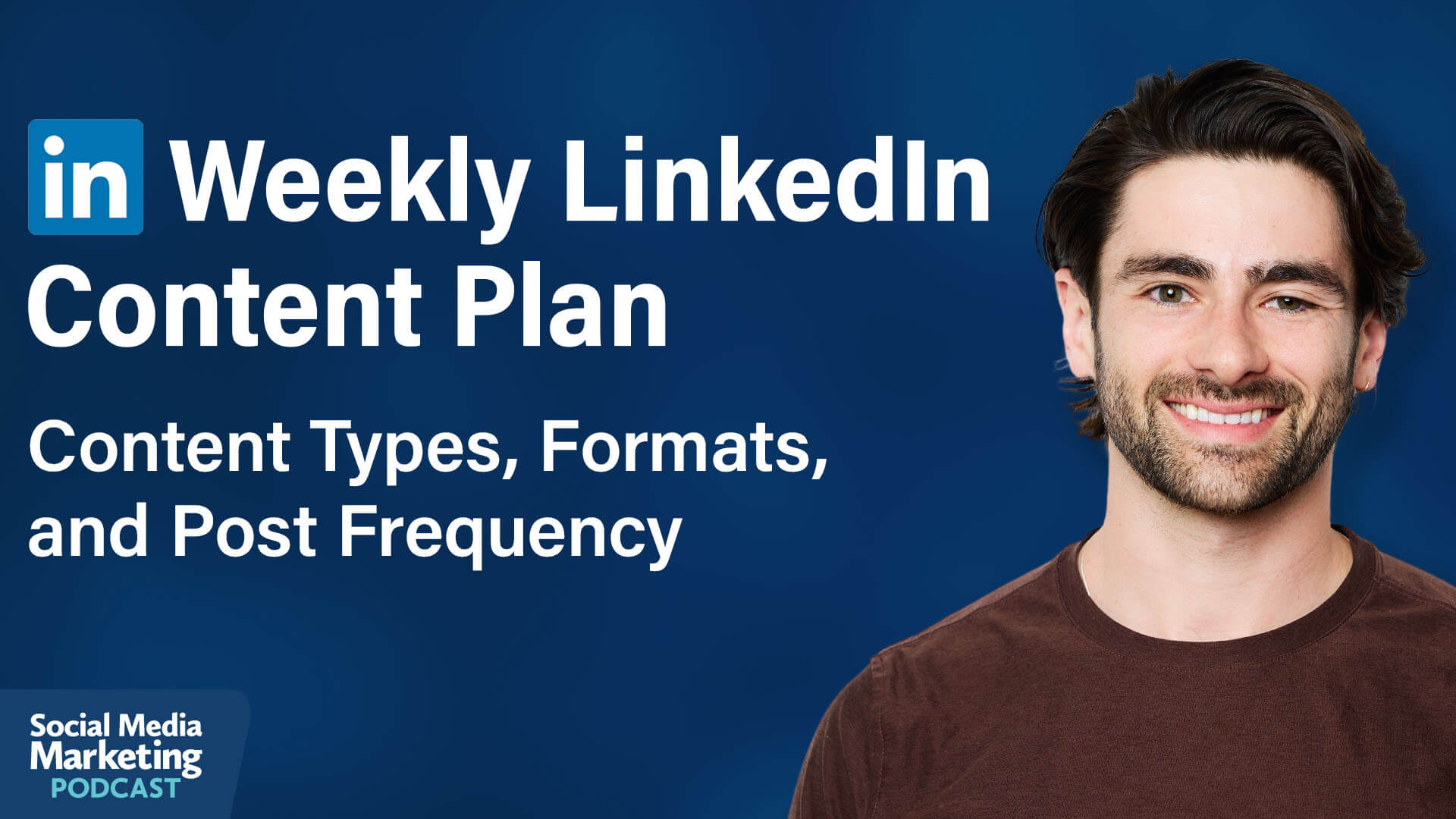
In an era where organic reach on most social platforms is precipitously declining, LinkedIn has emerged as a powerhouse for high-ticket lead generation and professional brand building. However, the transition from a passive observer to a revenue-generating creator remains a formidable hurdle for most professionals. Recent insights from LinkedIn strategist Will McTighe, shared in collaboration with Social Media Examiner’s Michael Stelzner, reveal a systematic, funnel-based approach that has propelled McTighe’s ventures toward a projected $2 million in annual revenue.
By moving away from sporadic, "hobbyist" posting and toward a rigorous 4-2-1 content ratio—spanning awareness, trust, and lead generation—creators can transform their profiles into predictable sales pipelines. This report explores the mechanics of the LinkedIn content funnel, the data-backed formats that drive engagement, and the strategic implications for the modern digital economy.
Main Facts: The Funnel-Based LinkedIn Strategy
The core of the McTighe-Stelzner framework is the rejection of "vanity metrics" in favor of "conversion architecture." The strategy posits that LinkedIn success is not the result of a single viral post, but the cumulative effect of a three-stage content funnel designed to move a stranger from curiosity to a closed contract.
The Three Pillars of the Funnel:
- Awareness (The Top of the Funnel): Designed to attract new followers through educational and broadly relatable content. This stage focuses on reach and "top-of-mind" awareness.
- Trust (The Middle of the Funnel): Focused on deepening the relationship with existing followers. This stage utilizes storytelling to demonstrate expertise and shared values.
- Lead Generation (The Bottom of the Funnel): The conversion stage. This content is explicitly designed to de-risk the purchase decision through case studies, testimonials, and clear calls to action.
According to McTighe, the most common reason for failure on the platform is an imbalance in these stages—either posting too much promotional content (which alienates the audience) or too much "relatable" content (which fails to build authority).
Chronology: From Fear of Posting to $2M in Revenue
The journey to LinkedIn mastery typically follows a predictable chronological path, beginning with psychological barriers and ending with systematic scaling.
Phase I: Overcoming the "First Post" Friction
For most professionals, the greatest obstacle is not the lack of a strategy, but the "fear of the feed." McTighe emphasizes that the LinkedIn algorithm provides a "built-in mercy": if a post is poor, the platform simply stops showing it. The risk of public embarrassment is statistically lower than perceived. The early phase of growth is defined by trial and error rather than rigid planning.
Phase II: The Transition to Professionalism
After the initial experimentation, successful creators undergo a mental shift, treating LinkedIn as a "job" rather than a hobby. This involves studying patterns of what works, maintaining consistency, and mapping the target audience. McTighe’s own trajectory saw him enter his third year of consistent posting before his businesses reached the $2 million revenue milestone, highlighting that LinkedIn is a long-game investment.
Phase III: The Implementation of the 4-2-1 Ratio
Once the audience is identified, the creator moves into the "Rigor Phase." This involves a weekly schedule where content is distributed according to specific goals: four awareness posts, two trust posts, and one lead-generation post.

Supporting Data: Formats, Ratios, and Algorithmic Performance
Data-driven insights are the backbone of this framework. Analyzing over 100,000 posts has provided a clear picture of which formats move the needle in the current LinkedIn environment.
The Power of Visuals
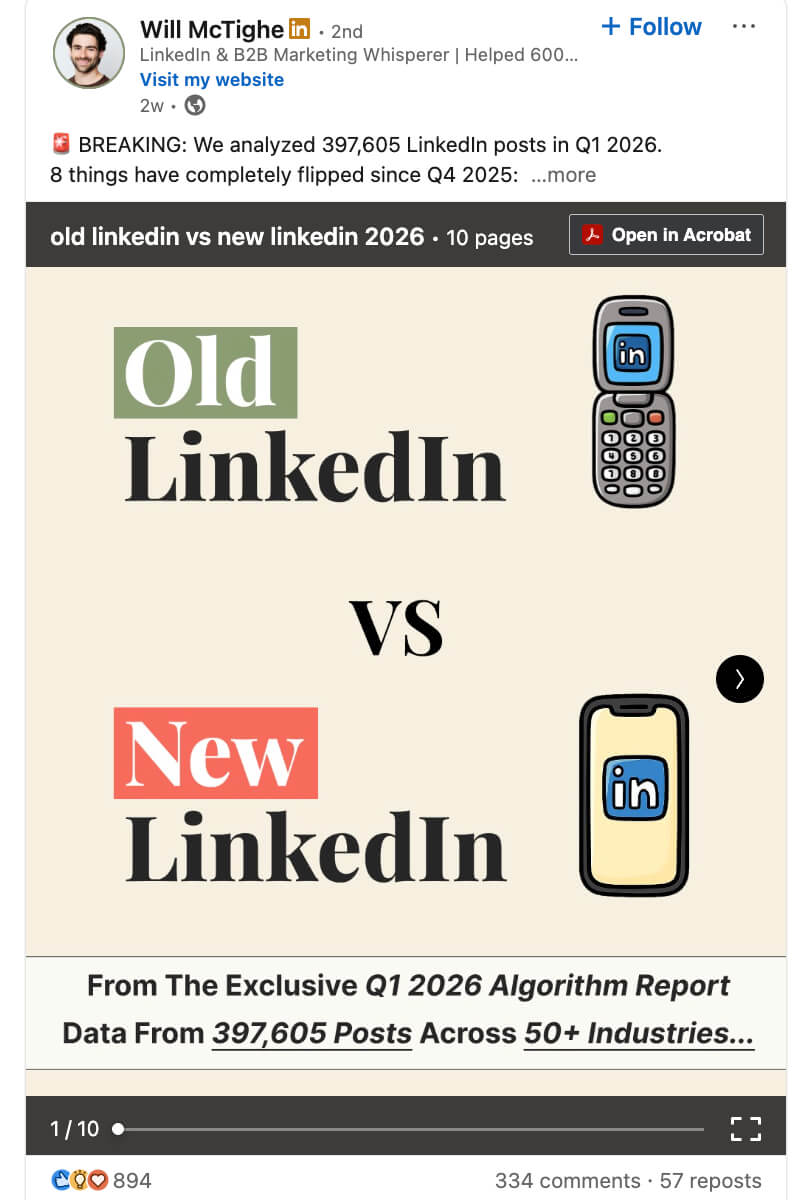
McTighe’s research indicates that infographics and carousels consistently achieve the highest viral potential. These formats encourage "dwell time"—a key metric for the LinkedIn algorithm—as users spend more time clicking through slides or examining detailed charts.
- Text vs. Image: Pure text posts currently show the lowest median performance. However, adding a single image to a text post can double its performance.
- The "Hook-Image" Alignment: A critical data point is the "first two lines" rule. The image must visually represent the hook (the first two lines of text). If the image relates to a point made later in the post, the reader experiences cognitive dissonance and continues scrolling.
The Link Distribution Paradox
A common myth in social media marketing is that including external links suppresses reach. However, McTighe’s analysis found that posts with links often outperformed those without. This is attributed to "value density": posts containing links to high-quality external resources (like curated lists or tools) drive higher saves and shares, which compensates for any minor algorithmic penalty for moving users off-platform.
The Video Intimacy Metric
While video posts often receive fewer total views than static images or carousels, they carry a higher "trust weight." Potential clients are more likely to remember a creator’s voice, personality, and mannerisms from a video, which significantly shortens the sales cycle during discovery calls.
Official Responses: Expert Methodology on Content Creation
Will McTighe and Michael Stelzner provide a masterclass in the "Story-Lesson-Application" framework, which they argue is the gold standard for middle-of-the-funnel content.
The "Confession" Trap
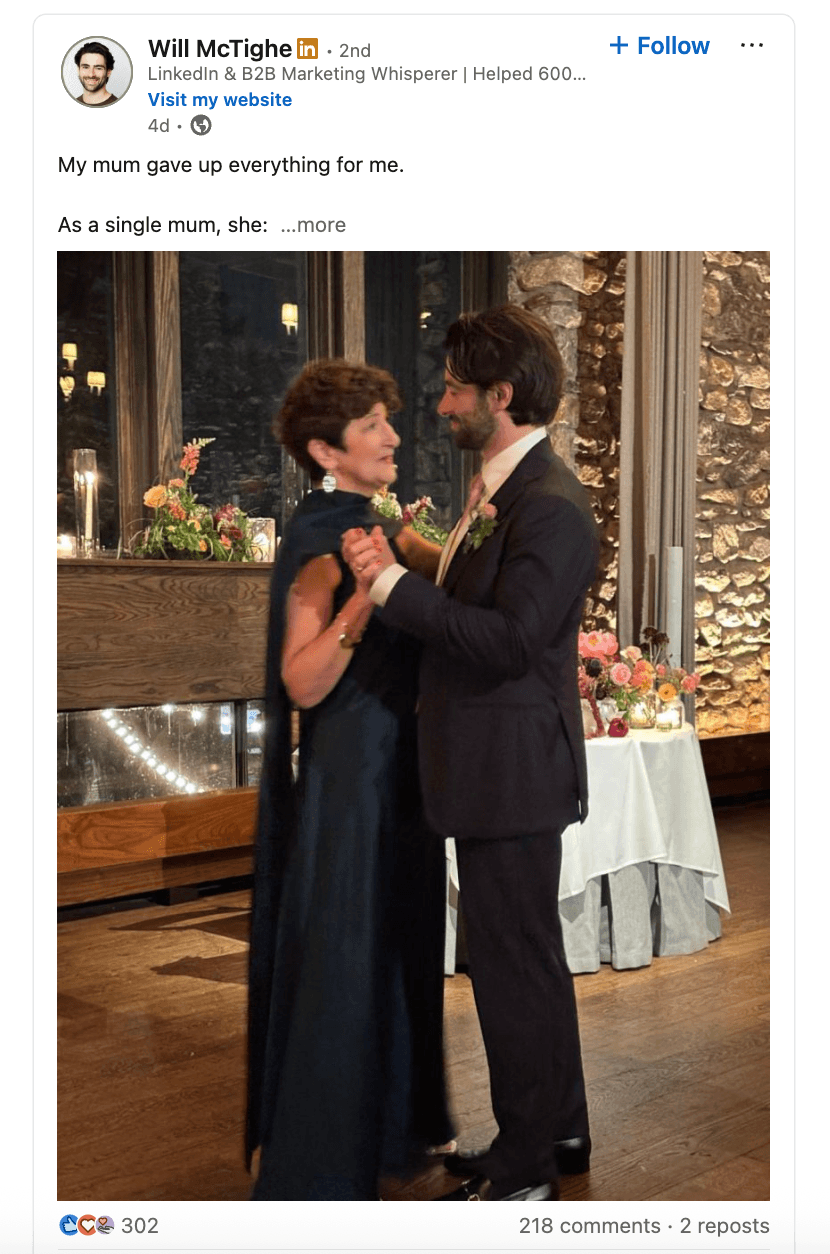
McTighe warns against the "vulnerability for vulnerability’s sake" trend. "A personal story without a clear lesson is just a confession," McTighe notes. To build trust, a story must follow a classic narrative arc:
- Adversity: A specific challenge faced.
- Turning Point: The realization or action taken.
- Application: How the reader can use this lesson in their own life/business.
De-Risking the Purchase
In the lead-generation phase, the "official response" to buyer skepticism is the Transformation Case Study. The expert advice is to position the client as the hero.
- The Hook: A massive result in a short timeframe (e.g., "How Company X saved $50k in 30 days").
- The Relatability Factor: Describing the client’s initial struggle in a way that mirrors the target audience’s current pain points.
- Authentic Urgency: Avoiding "fake" scarcity and instead using real deadlines, such as upcoming conference dates or limited onboarding slots.
Leveraging Artificial Intelligence
To maintain the 4-2-1 ratio without burnout, McTighe advocates for using AI (such as Claude or ChatGPT) as a "mining tool." By feeding call transcripts into AI, creators can surface powerful anecdotes and analogies they used during client meetings but forgot to document. This ensures the content remains grounded in real-world expertise rather than generic AI-generated fluff.
Implications: The Future of B2B Relationship Building
The shift toward a funnel-based LinkedIn strategy has profound implications for how businesses will operate in the mid-2020s.
1. The Death of the "Cold Outreach" Model
As decision-makers become increasingly insulated by gatekeepers and spam filters, the "inbound" funnel becomes the only viable path for many B2B service providers. By the time a prospect engages with a lead-generation post, they have already been "warmed up" by four awareness posts and two trust-building stories. This reduces the friction of the sales process and increases the "closing" percentage.
2. Personal Brand as Corporate Asset
The success of McTighe’s $2 million revenue model suggests that personal brands are no longer just for influencers; they are essential infrastructure for small and medium-sized enterprises (SMEs). A founder’s LinkedIn presence acts as a 24/7 sales representative, recruiter, and PR firm.
3. Quality Over Quantity in the AI Era
As AI makes it easier to flood the platform with low-quality content, the value of "unfiltered" and "raw" content increases. The recommendation to use screenshots of Slack messages or unpolished video testimonials reflects a broader market trend: a craving for authenticity. In an automated world, "high-friction" content—content that requires real human experience to produce—will command the highest premium.
4. Niche Sovereignty
The strategy emphasizes that "broadly relatable" content (e.g., posts about burnout) may get likes, but "niche-specific" content (e.g., burnout specifically for Chief Information Security Officers) gets clients. The implication for marketers is clear: the more specific the target, the more effective the funnel.
Conclusion
The framework developed by Will McTighe and Michael Stelzner offers a roadmap for professionals looking to move beyond the "post and pray" method of social media. By treating LinkedIn as a structured sales funnel—prioritizing awareness through visuals, trust through storytelling, and lead generation through de-risked case studies—creators can build a sustainable, high-revenue business. As the platform continues to evolve, those who master the balance of the 4-2-1 ratio will likely remain the dominant voices in their respective industries.