The Strategic Evolution of Retail: Why Building Your Own Marketplace is the Future of E-Commerce
In the rapidly shifting landscape of modern digital commerce, the traditional "linear" retail model—where a brand simply buys stock and sells it to a consumer—is undergoing a profound transformation. Today, retailers are looking beyond their own warehouses to unlock exponential growth. The secret weapon? The Marketplace Model.
While giants like Amazon and eBay defined the early era of online marketplaces, the current frontier belongs to agile, specialized retailers who are choosing to build their own bespoke ecosystems. By transforming their digital storefronts into multi-vendor platforms, retailers are not just selling products; they are curating experiences, fostering communities, and creating self-sustaining revenue engines.
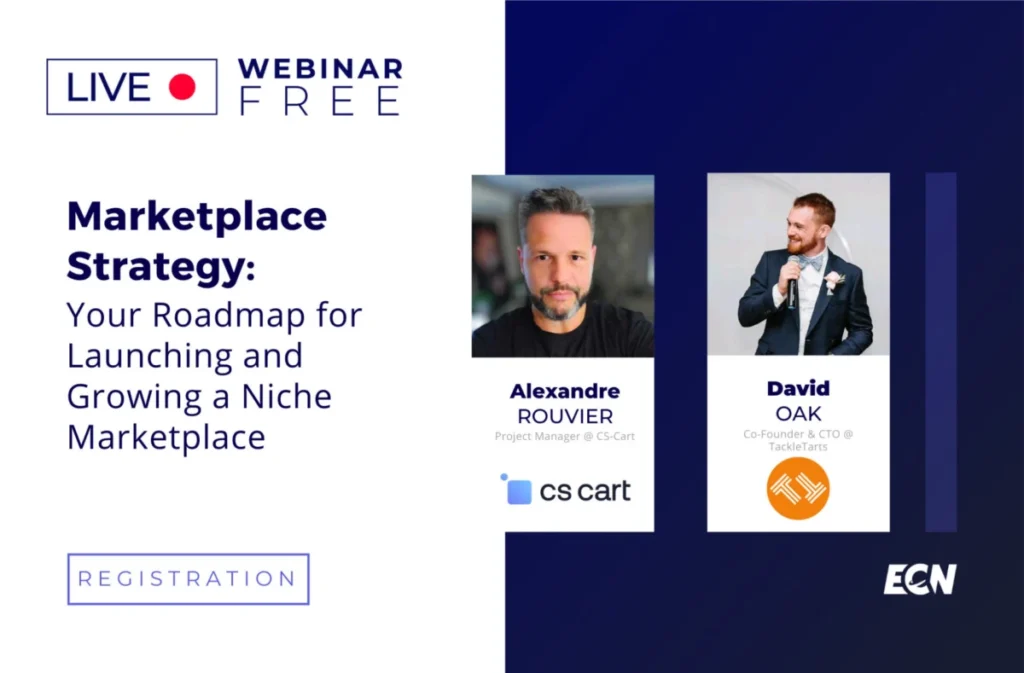
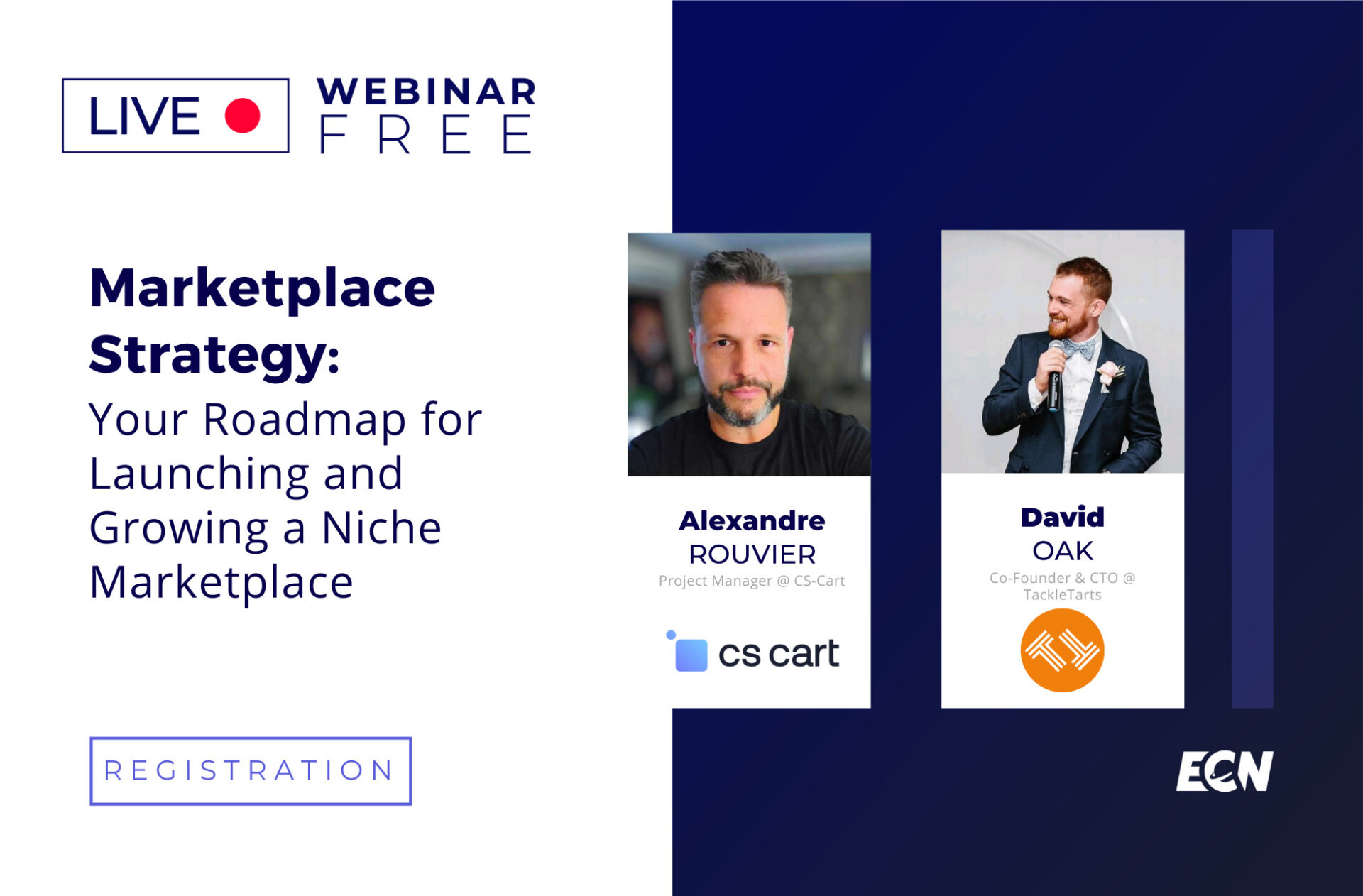
For businesses ready to take the leap, CS-Cart and TackleTarts have collaborated to provide a definitive blueprint for success. This article explores the strategic imperatives of launching a proprietary marketplace, the technological requirements involved, and the implications for the future of digital retail.
The Strategic Shift: From Retailer to Platform Orchestrator
The transition from a standard e-commerce store to a marketplace is not merely a technical upgrade; it is a fundamental shift in business philosophy. When a retailer transitions to a marketplace model, they move from being a simple vendor to becoming a "platform orchestrator."
The "Golden Opportunity" of Multi-Vendor Ecosystems
Retailers often hit a growth ceiling dictated by inventory management costs, warehousing logistics, and product sourcing limitations. Marketplaces circumvent these hurdles. By inviting third-party vendors to list their products on your site, you immediately expand your catalog without increasing your inventory risk.
This model offers several distinct advantages:
- Infinite Assortment: Offer a wider range of products that complement your core offerings.
- Reduced Overhead: Vendors manage their own inventory and shipping, drastically lowering logistics costs.
- Increased Customer Stickiness: A one-stop-shop experience keeps customers within your ecosystem for longer periods.
- Scalable Revenue Streams: Monetize your traffic through commissions on vendor sales, subscription fees, or promoted listings.
The Blueprint for Implementation: A Chronological Guide
Developing a marketplace is a complex undertaking that requires meticulous planning. Based on the insights provided by the CS-Cart and TackleTarts collaboration, the process can be broken down into a strategic chronology.
Phase 1: Market Analysis and Niche Identification
Before writing a single line of code, retailers must define their value proposition. Are you building a vertical marketplace (e.g., specialized gear for fishing, like TackleTarts) or a broad-spectrum retail hub? Success is rarely found in trying to out-compete Amazon; it is found in depth, expertise, and community engagement.
Phase 2: Choosing the Right Technological Infrastructure
The technology stack is the backbone of your marketplace. It must be robust enough to handle multiple vendors, automated commission calculations, and real-time inventory synchronization.
- Vendor Portals: You need a seamless interface for your partners to manage their products and orders.
- Unified Checkout: The customer experience must remain consistent, regardless of how many different vendors are in their cart.
- Scalable Architecture: As your marketplace grows, your platform must handle increasing traffic without latency.
Phase 3: The Vendor Onboarding Strategy
A marketplace is only as good as its vendors. Building trust is essential. You must develop a clear set of guidelines regarding product quality, shipping standards, and communication protocols. The partnership between the platform owner and the vendors is a symbiotic one; the platform provides the traffic, and the vendors provide the product variety.
Phase 4: Launch and Iteration
The "Minimum Viable Marketplace" approach is often best. Launch with a curated group of high-quality vendors, gather data on consumer behavior, and iterate on the user interface (UI) and user experience (UX) based on real-world interactions.
Supporting Data: The Rise of Marketplace Dominance
Data from industry analysts consistently highlights the shift toward marketplace models. According to recent e-commerce reports, marketplace sales now account for over 60% of global online retail transactions.
- Conversion Rates: Marketplaces often see higher conversion rates due to the perceived "trust" of the platform and the ability to compare multiple products in one place.
- Customer Acquisition Cost (CAC): Because marketplaces attract a wider range of search traffic, the CAC is often lower compared to a single-brand site that must spend heavily on advertising for every individual SKU.
- Retention: Retailers who operate as marketplaces report a 25% higher customer lifetime value (CLV) due to the frequency of product discovery and category expansion.
Official Perspectives: The CS-Cart and TackleTarts Exchange
The recent collaboration between CS-Cart and TackleTarts provides an invaluable look at the "how-to" of this transition. By examining the TackleTarts case study, retailers gain a practical understanding of how a niche brand successfully scaled into a multi-vendor platform.
Key Insights from the Presentation:
- Technology is a Catalyst, Not a Constraint: The presentation emphasizes that with the right tools (such as CS-Cart’s marketplace builder), the technical barriers to entry are significantly lower than they were a decade ago.
- Collaborative Commerce: The most successful marketplaces are those that prioritize the merchant ecosystem. By creating a platform that is easy for vendors to use, you attract better partners, which in turn leads to a more "qualitative" offering for consumers.
- Answering the Critical Questions: The presentation dives deep into the "pain points" of marketplace development, such as:
- How to handle vendor payouts and tax compliance.
- How to maintain brand consistency when third-party vendors are involved.
- How to effectively market a multi-vendor site to a diverse audience.
Strategic Implications: The Future of Retail
What does this mean for the future of the industry? We are entering an era of "Retail Aggregation."
The Death of the Monolith
The future of e-commerce is not necessarily found in giant, faceless corporations, but in "Community-Led Marketplaces." Retailers who possess deep domain expertise are uniquely positioned to build platforms that serve specific needs better than generalist giants.
Implications for Small and Medium Enterprises (SMEs)
For SMEs, the marketplace model offers a path to compete with larger players. By leveraging the products of other niche players, smaller retailers can create a "long-tail" effect, offering rare or specialized items that customers cannot find on mainstream platforms.
The Regulatory and Ethical Landscape
As more retailers transition to the marketplace model, they must navigate the complexities of digital regulation. This includes data privacy, transparency in consumer reviews, and ensuring that the platform remains a fair playing field for all vendors. Transparency is no longer an optional value; it is a business requirement for long-term survival.
Conclusion: How to Get Started
The window of opportunity to pivot toward a marketplace model is currently wide open. As digital habits evolve, consumers are increasingly seeking out curated, specialized shopping environments that offer both variety and expertise.
If you are a retailer looking to break through your growth ceiling, the transition to a marketplace is not just an option—it is a logical evolution. To begin your journey, it is essential to learn from those who have already navigated the complexities of vendor onboarding, technical infrastructure, and platform strategy.
Taking the Next Step:
The collaborative event between CS-Cart and TackleTarts offers a comprehensive roadmap for any retailer ready to expand their digital footprint. By reviewing the presentation, you will gain the insights necessary to:
- Understand the technology required to support a multi-vendor structure.
- Develop a strategy for attracting and managing high-quality merchants.
- Enhance your customer experience to drive loyalty and repeat business.
Are you ready to transform your store into a destination? The tools are available, the strategy is defined, and the market is waiting. Register for the replay, study the tactics of industry leaders, and start building your own marketplace today.
For more information on developing your own marketplace and to access the full replay of the CS-Cart and TackleTarts presentation, visit the official registration portal provided by E-Commerce Nation.