AWS Expands Its Physical Footprint: Global Tech Giant Announces New Permanent ‘Builder Lofts’ in Berlin, Hyderabad, and São Paulo
By Global Technology Desk
Published: August 2026
Main Facts
Amazon Web Services (AWS) has officially announced a major global expansion of its physical community infrastructure, confirming plans to open three new permanent AWS Builder Lofts in Berlin, Hyderabad, and São Paulo.
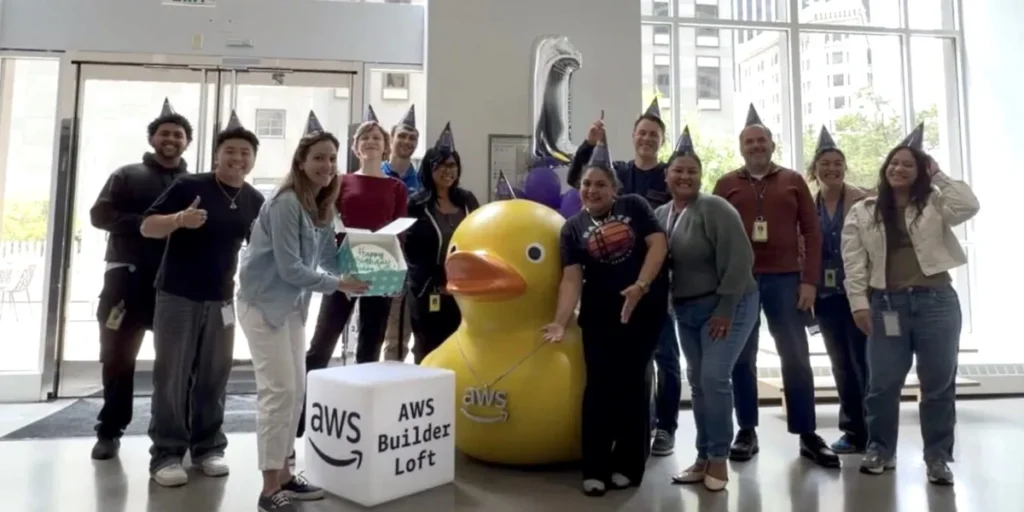
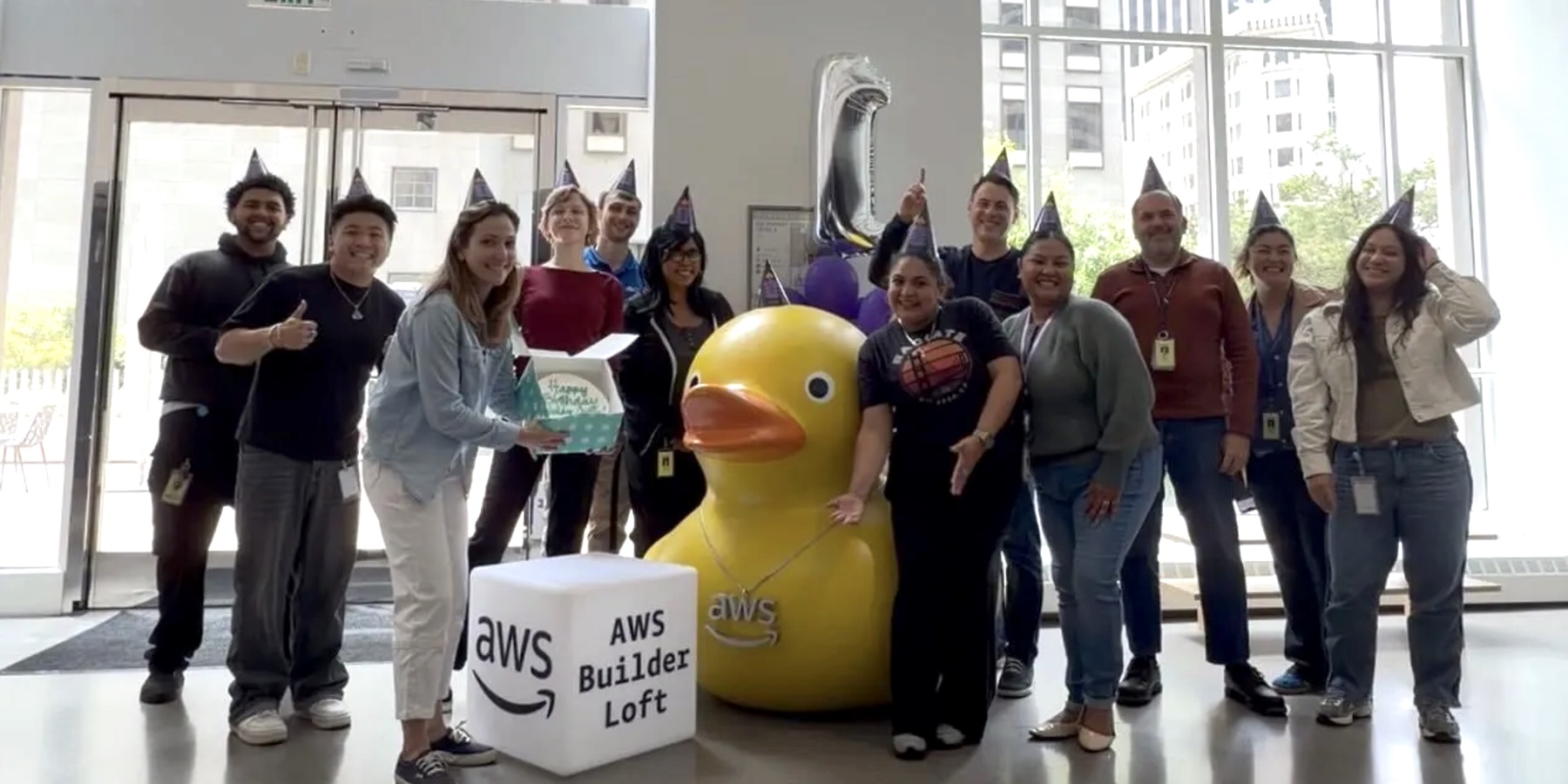
Following the successful pilot and one-year anniversary of the inaugural Builder Loft in San Francisco—which opened in July 2025 and has since welcomed over 22,500 developers—these new brick-and-mortar hubs are designed to serve as localized epicenters for technology education, networking, and innovation.
Unlike the temporary "pop-up" spaces of cloud computing’s early era or the recent generative AI-focused short-term hubs, these upcoming locations are permanent community assets. They are built to provide students, startup entrepreneurs, independent developers, and tech professionals with zero-cost access to state-of-the-art facilities.
Each facility will feature:
- Dedicated co-working and collaboration zones.
- Free technical workshops and advanced training rooms.
- Event hosting capabilities for community-led meetups, hackathons, and demo nights.
- Startup pitch stages and content creation studios.
AWS has emphasized that these spaces are inherently community-driven. While AWS provides the physical infrastructure, funding, and technical expert access, local AWS User Groups, Student Builder Groups, and independent tech communities will steer the day-to-day programming and events. Community leaders can request to book the spaces at no cost, transforming the lofts into true grassroots innovation hubs.
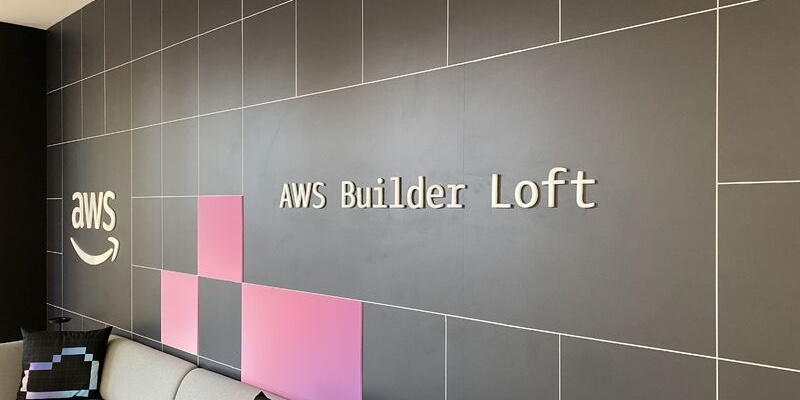
Chronology: The Evolution of AWS Physical Spaces
To understand the strategic significance of the new Builder Lofts, it is essential to trace the evolution of AWS’s physical engagement strategy over the past decade and a half.
Phase 1: The Era of AWS Pop-up Lofts (Early Cloud Era)
In the formative years of cloud computing, when enterprise migration to the cloud was still in its infancy, AWS recognized that developers needed more than digital documentation; they needed tactile, in-person support. AWS launched Pop-up Lofts in major metropolitan cities worldwide. These temporary physical spaces served as incubation zones where startup founders, engineers, and curious developers could drop in for architectural advice, attend impromptu coding sessions, and utilize fast co-working spaces. Though temporary, these pop-ups played a pivotal role in demystifying early cloud infrastructure.
Phase 2: The Generative AI Pivot (2023–2024)
As the technology landscape shifted dramatically with the mainstream explosion of generative AI, the demand for specialized, high-performance physical spaces resurged. AWS responded with AWS Gen AI Lofts. Deployed as pop-up style collaborative spaces across strategic global nodes, these locations were tailored explicitly to the unique demands of AI development—offering immersive workshops, hands-on access to machine learning tooling, and specialized hardware mentoring for startups racing to build large language model applications.
Phase 3: The Permanent Infrastructure Shift (July 2025)
Recognizing that ephemeral, temporary pop-ups could not fully satisfy the deep, ongoing needs of maturing local tech ecosystems, AWS altered its strategy. In July 2025, the company opened its first permanent AWS Builder Loft in San Francisco. Abandoning the temporary model, this facility was engineered to be a permanent fixture of the Bay Area tech scene. Over its first twelve months of operation, it evolved into a bustling ecosystem engine, hosting between four and eight community events every single week and serving more than 22,500 builders.
Phase 4: The Global Scale-Up (August 2026 and Beyond)
Building directly on the success of the San Francisco pilot, AWS announced its plans in August 2026 to replicate the permanent Builder Loft model internationally. By selecting Berlin, Hyderabad, and São Paulo, AWS is expanding its physical footprint into three of the world’s most dynamic, high-growth technology and talent corridors.
Supporting Data & Metrics
The quantitative footprint of the AWS Builder Loft initiative highlights both the massive demand for physical collaboration spaces in the post-pandemic digital economy and the immense scale of modern developer communities.

- 22,500+: The number of developers, students, and entrepreneurs who walked through the doors of the San Francisco Builder Loft during its inaugural 12-month run (July 2025 to August 2026).
- 4 to 8: The average number of weekly community-led events hosted at the San Francisco Builder Loft, ranging from deep-dive technical sessions on generative AI to weekend coding hackathons and investor pitch nights.
- 50+: The standard seating capacity of the multi-functional training rooms, which routinely transition from morning student coding bootcamps to evening startup demo stages.
- 3: The number of newly announced international hubs (Berlin, Hyderabad, and São Paulo) slated to open their doors in the near future, bringing localized, permanent infrastructure to Europe, South Asia, and South America.
- $0: The cost for local tech community leaders, AWS User Groups, and Student Builder Groups to book and utilize the loft spaces for their independent meetups and events.
Official Responses and Strategic Rationale
The expansion underscores AWS’s long-term commitment to nurturing local tech talent at the grassroots level. According to leadership commentary embedded in the rollout, the decision to target Berlin, Hyderabad, and São Paulo was far from arbitrary.
Why These Three Cities?
AWS leadership designated these specific metropolises because they represent hyper-accelerated developer ecosystems and vital international innovation hubs:
- Berlin (Europe): A central nexus for European software engineering, open-source development, and a booming venture-backed startup scene. A Berlin loft acts as a bridge for the broader European Union technical community.
- Hyderabad (Asia-Pacific / India): Widely recognized as one of the world’s preeminent technology and engineering powerhouses, Hyderabad boasts an immense concentration of enterprise talent, academic institutions, and student builders.
- São Paulo (Latin America): The undisputed economic and tech startup capital of Latin America, São Paulo represents a rapidly expanding digital frontier characterized by fierce entrepreneurial energy and a surging demand for accessible cloud infrastructure education.
The Community-First Mandate
AWS spokespeople have repeatedly stressed that the Builder Lofts are fundamentally not corporate marketing showrooms. Instead, they are designed as open-source physical infrastructure.
"We realized the need for permanent community spaces to give students and developers a place to learn, connect, and contribute through hands-on experiences, community-led sharing, and technical collaboration," notes the official AWS Builder documentation. "You’ll still be able to meet AWS experts there, but beyond that, we further want to establish a home for local tech communities."
By granting full programming autonomy to local meetup organizers, AWS ensures that each loft reflects the distinct flavor, language, and technical priorities of its home city. Whether it is a university student group organizing a weekend hackathon in Hyderabad or a collective of containerization specialists hosting a deep-dive workshop in Berlin, the programming remains organic and peer-driven.
Broader Implications for the Tech Industry
The rollout of permanent global Builder Lofts carries significant implications for the broader technology and cloud computing landscape.
1. The Renaissance of Physical Co-Working and Collaboration
While the remote-work revolution transformed how software is written day-to-day, the tech industry has simultaneously experienced a powerful counter-movement: a renewed hunger for physical collision spaces. Complex technologies—particularly generative AI, distributed systems, and edge computing—often require whiteboard sessions, tactile hardware testing, and high-bandwidth human interaction that Slack channels and Zoom calls cannot replicate. AWS is positioning itself not just as an infrastructure-as-a-service (IaaS) provider, but as a physical landlord for innovation.
2. Democratizing Access to Enterprise-Grade Resources
For early-stage startup founders and university students in regions like Latin America and South Asia, access to professional event spaces, high-speed recording/content creation studios, and institutional mentoring can be prohibitively expensive. By providing these facilities completely free of charge, AWS lowers the barrier to entry for underrepresented founders and next-generation engineers, effectively priming the pipeline for future cloud consumers and enterprise innovators.
3. Deepening Developer Loyalty Through Grassroots Engagement
In an increasingly crowded cloud market dominated by intense competition from Microsoft Azure, Google Cloud Platform, and specialized AI infrastructure providers, ecosystem loyalty is paramount. By embedding itself directly into the cultural and social fabric of Berlin, Hyderabad, and São Paulo, AWS is building deep emotional and professional equity with developers. When a builder spends their formative university years coding at a local Builder Loft, they are statistically far more likely to architect their enterprise solutions on AWS when they enter the professional workforce.
Looking Ahead
With the San Francisco pilot proving an unmitigated success with tens of thousands of active participants, all eyes now turn toward the international launches. While AWS has kept exact opening dates under wraps, further announcements regarding the Berlin, Hyderabad, and São Paulo locations are expected in upcoming corporate communications.
For local developers, tech leaders, and entrepreneurs in these regions, the arrival of the Builder Lofts signals a major upgrade in local community infrastructure—offering a permanent physical anchor where ideas can transition from local whiteboard sketches into global technological realities.