WordPress 7.1 Release Candidate 1 Arrives: What Developers, Hosts, and Creators Need to Know
Main Facts: The Road to Stable Release
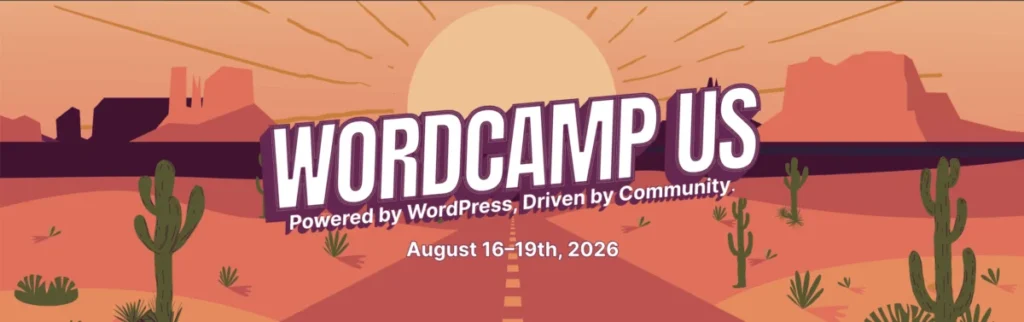
The WordPress open-source project has officially announced the availability of WordPress 7.1 Release Candidate 1 (RC1). Marking a critical milestone in the software development lifecycle, this build invites the global community of developers, system administrators, and site creators to test the platform before its stable rollout. Scheduled for a global debut on August 19, 2026, WordPress 7.1 represents months of collaborative engineering aimed at refining the world’s most popular content management system (CMS).
RC1 delivers a comprehensive suite of improvements, introducing over 145 updates and bug fixes since the deployment of Beta 4. This package includes 57 specific enhancements directed at the block editor and 88 core platform updates designed to optimize performance, security, and developer ergonomics.
Because RC1 is still undergoing active testing and finalization, core maintainers have issued a firm warning: this software is under active development and must not be installed on production or mission-critical websites. Instead, stakeholders are urged to evaluate the package in isolated staging environments, local development setups, or temporary browser-based instances.
To streamline testing across different technical profiles, the WordPress core team has provided four distinct avenues to experience RC1:
- The WordPress Beta Tester Plugin: Ideal for continuous testing environments by selecting the "Bleeding edge" channel and "Beta/RC Only" stream.
- Direct ZIP Download: Available for manual installation on local testing servers or development sandboxes.
- WP-CLI Command Line: Rapid deployment for command-line power users via the command
wp core update --version=7.1-RC1. - WordPress Playground: A zero-setup, browser-based instance allowing immediate interaction with the software without local configuration.
Chronology: The Journey to WordPress 7.1
The development cycle for WordPress 7.1 has followed a rigorous schedule, balancing rapid feature integration with meticulous quality assurance.
The timeline leading up to the Release Candidate phase includes several critical checkpoints:
- Early July 2026: The core team published the official WordPress 7.1 Release Party Schedule, mapping out the trajectory for summer development and setting the target final release date for mid-August.
- Mid-July 2026: The launch of Beta 1 introduced the initial wave of new features, setting the baseline for developer feedback and kicking off community-wide testing initiatives.
- Late July to Early August 2026: Subsequent beta iterations (culminating in Beta 4) focused heavily on squashing bugs, refining UI components within the block editor, and addressing performance bottlenecks in core.
- August 5, 2026: The publication of the WordPress 7.1 Field Guide provided developers with deep documentation concerning architectural shifts, breaking changes, and API modifications.
- Today: The deployment of Release Candidate 1, signaling a feature-freeze mindset where the primary objective shifts entirely to stability, compatibility testing, and final polish.
Following RC1, the development community will monitor feedback closely over the next two weeks. If critical bugs emerge, subsequent release candidates will be deployed, culminating in the general availability (GA) release on August 19, 2026.
Supporting Data: Under the Hood of RC1
The shift from Beta 4 to RC1 demonstrates the relentless pace of the WordPress contributor community. The version update packs significant engineering data points into a single release package:
- 145+ Total Updates: A combined metric reflecting all tickets, pull requests, and patch integrations finalized since Beta 4.
- 57 Editor Enhancements: Focused on refining the writing experience, improving block interaction fluidity, and expanding layout control within the Site Editor.
- 88 Core Platform Fixes: Addressing deep-seated performance layers, database interactions, accessibility compliance, and backward compatibility.
- Zero-Configuration Testing: Through WordPress Playground, users can spin up an isolated instance running PHP 8.0 and the latest RC build instantly in any modern web browser.
For technical deep dives, developers are encouraged to review the WordPress 7.1 Dev Notes and the comprehensive Field Guide published on the Make WordPress Core blog, which outline specific pull requests, ticket numbers, and API adjustments.
Official Guidelines and Ecosystem Impact
The success of a major WordPress release relies heavily on coordination across three core pillars of the ecosystem: theme and plugin developers, web hosting providers, and end-user testers.
Guidance for Theme and Plugin Authors
Third-party developers play an indispensable role in the WordPress economy. With RC1 now live, the core team advises plugin and theme authors to finalize their compatibility testing.
- Update the Readme: Authors should immediately update the
Tested up toversion in theirreadme.txtfiles to7.1. - Verify Compatibility: Ensure that custom blocks, shortcodes, styling frameworks, and administrative interfaces function seamlessly with the new editor updates.
- Report Issues: Any unexpected behaviors, fatal errors, or deprecation warnings should be documented and submitted immediately to the Alpha/Beta support forums so maintainers can patch them prior to the stable launch.
Guidance for Hosting Providers
Web hosts provide the critical infrastructure that powers millions of WordPress sites globally. Hosting platforms are urged to use RC1 to test automated update pathways, server configurations, PHP compatibility, and caching mechanisms. Proactive testing by hosting providers ensures that when WordPress 7.1 rolls out globally on August 19, customer sites will update smoothly without unexpected downtime or database conflicts. Hosts can plug into distributed hosting test results via the Make Hosting team resources.
Implications for the Open-Source Future
WordPress 7.1 is more than a routine version increment; it represents the ongoing evolution of the web’s premier publishing platform toward deeper modularity, refined editorial workflows, and heightened enterprise reliability.
As the platform matures, the emphasis on rigorous testing cycles—typified by this robust RC1 rollout—highlights the maturity of the WordPress open-source governance model. By engaging thousands of global contributors, independent developers, and enterprise hosting partners early in the release cycle, the project minimizes risks and safeguards millions of businesses, blogs, and e-commerce stores.
The community is encouraged to stay tuned to the Make WordPress Core blog for ongoing updates, technical breakdowns, and release notes as the August 19 launch date approaches.
(A poetic nod to the release tradition, courtesy of the RC1 contributors):
A candidate stands
the desert sun tests its strength
Arizona waits
Props to @krupajnanda, @annezazu, @amykamala, @wildworks, and @masteradhoc for their collaboration, review, and ongoing dedication to the WordPress project.