The AI Revolution: Transforming the Digital Landscape and Empowering Modern Business
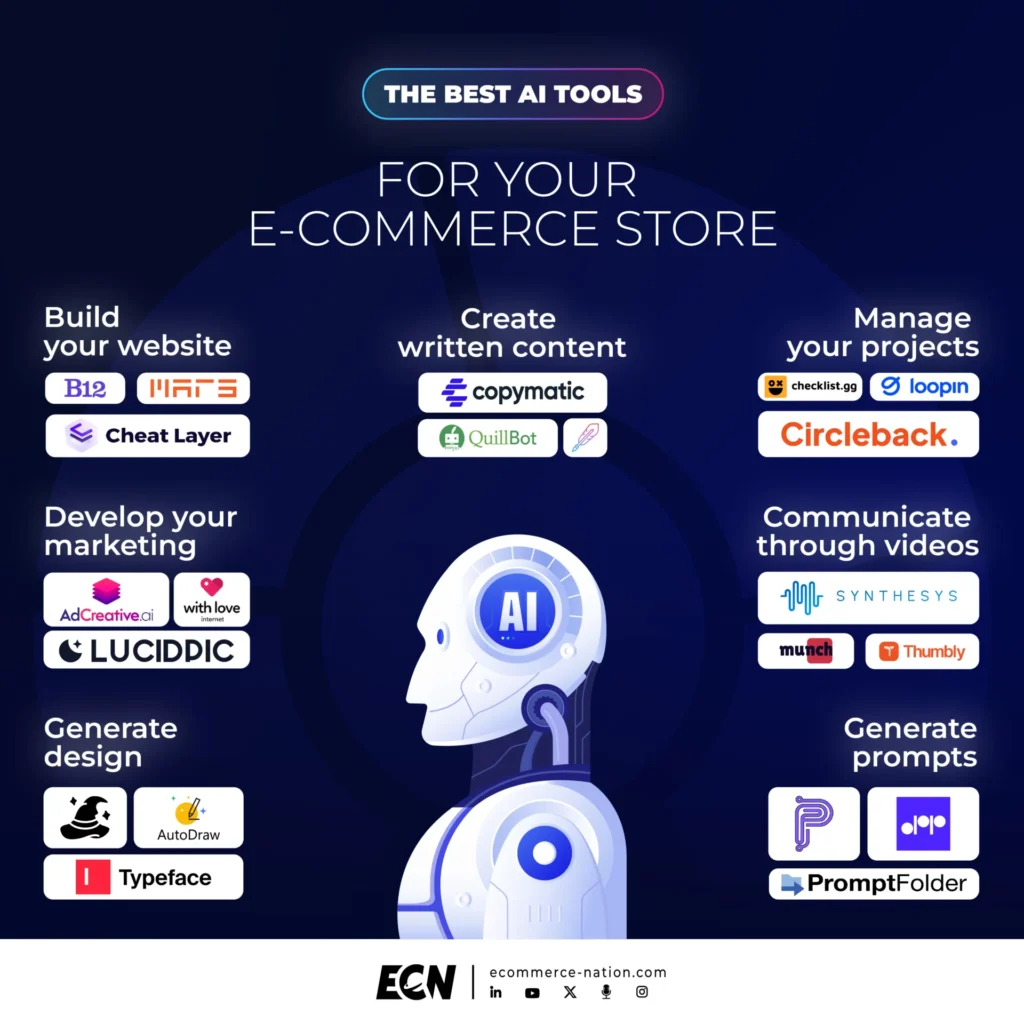
Artificial intelligence (AI) has transcended its origins as a niche technological curiosity to become the cornerstone of modern professional productivity. As language models, generative design tools, and autonomous algorithms become increasingly sophisticated, the way individuals and enterprises operate is undergoing a fundamental metamorphosis. This transition is not merely a passing trend; it is a structural shift in how we build websites, conduct marketing, and manage the complex workflows of the digital economy.
The State of the Industry: Main Facts
Current market data confirms that AI is no longer optional for businesses seeking long-term viability. According to recent statistics from AuthorityHacker, approximately 35% of companies have already integrated AI into their core business processes. Perhaps more telling is the mindset of the modern executive: 90% of business leaders now view AI assistance as a vital competitive advantage.
This rapid adoption is mirrored in consumer technology as well, with 77% of electronic devices now incorporating some form of artificial intelligence in their functionality—from predictive text on smartphones to smart home energy management. For the modern entrepreneur, the question is no longer whether to use AI, but rather how to master its multifaceted applications to optimize online stores, blogs, and operational workflows.
A Brief Chronology of the AI Surge
The path to our current AI-saturated environment was not linear. While the theoretical foundations were laid in the mid-20th century, the recent "Gold Rush" can be traced through several key milestones:
- 2017–2020: The Foundation. The introduction of the Transformer architecture by Google researchers provided the blueprint for large language models (LLMs), allowing machines to process context at a scale previously thought impossible.
- 2021–2022: The Generative Breakthrough. Tools like DALL-E and Midjourney made AI-generated imagery accessible, while early versions of GPT showcased the potential for automated creative writing.
- 2023: The Year of Mainstream Adoption. The release of ChatGPT and its integration into Microsoft’s suite of products acted as a catalyst, forcing industries from law to creative arts to reckon with automated capabilities.
- 2024: The Era of Specialization. We are currently in a phase where generalist models are being supplemented by industry-specific tools. Entrepreneurs are now moving beyond "playing" with AI to embedding it into the infrastructure of their e-commerce platforms and project management systems.
Supporting Data: Why AI is Winning
The data underscores a compelling narrative: efficiency is the primary driver of the AI movement. Businesses utilizing AI in content marketing have reported a 40% reduction in time-to-market for campaigns. In terms of project management, AI-driven automation has been shown to reduce administrative overhead by nearly 30%, allowing human talent to focus on high-level strategy rather than rote tasks.
Furthermore, the barrier to entry for website creation has been dismantled. Where developers once spent weeks coding a landing page, AI-powered "no-code" builders can now generate functional, responsive, and SEO-optimized sites in minutes. This democratization of technology means that a small business owner in a remote location can now compete on equal footing with established brands in terms of digital presence and customer experience.
Official Perspectives: The Professional Consensus
Industry leaders remain cautiously optimistic regarding this shift. While there is a natural concern regarding displacement, the consensus among economists and technologists is that AI acts as an "augmenter" rather than a total replacement.
"AI is the new electricity," suggests many industry analysts, noting that electricity did not remove the need for work; it simply made work more efficient and enabled entirely new industries. Professional bodies, such as the World Economic Forum, emphasize that while the nature of work will change, the demand for human critical thinking, emotional intelligence, and ethical oversight will only grow in value as AI handles the "heavy lifting" of data processing and content generation.
The Implications: A Strategic Roadmap for AI Integration
To successfully navigate this new frontier, businesses must understand the specific domains where AI delivers the most impact.
1. Website Development: The No-Code Era
Building an online presence no longer requires an extensive knowledge of HTML or CSS. AI-driven website builders now analyze user intent to generate layouts, color schemes, and even initial copy. By leveraging these tools, businesses can pivot their web design strategies in real-time based on traffic data, rather than waiting for quarterly updates from a web team.
2. Marketing and Consumer Engagement
Marketing has shifted from "broadcasting" to "narrowcasting." AI allows for hyper-personalized email campaigns, dynamic ad copy that changes based on user behavior, and predictive analytics that anticipate customer needs before they are explicitly stated. This leads to higher conversion rates and a more refined customer journey.
3. Video Communication: The New Medium
Video is arguably the most challenging content to produce, yet AI is changing that. From text-to-video generators to AI-powered editing software that automatically cuts footage to emphasize key points, the barrier to entry for professional video marketing has plummeted. This allows brands to maintain a consistent presence on social media without needing a massive production budget.
4. Project Management and Efficiency
The integration of AI into platforms like Asana, Monday.com, and Jira allows for the automation of routine tasks—scheduling meetings, summarizing project threads, and identifying bottlenecks before they become critical issues. By offloading these tasks to an intelligent agent, project managers can dedicate more time to stakeholder communication and team leadership.
5. Content Strategy and Prompt Engineering
The rise of "Prompt Engineering" represents a new professional skill set. Knowing how to communicate with an AI model is the key to unlocking its potential. Whether it is generating high-quality blog content, brainstorming marketing angles, or summarizing complex technical documents, the quality of the output is directly tied to the clarity and sophistication of the prompt.
6. Design and Visual Identity
Generative design tools are revolutionizing the creative department. For an online store, this means the ability to create thousands of unique product mockups, lifestyle images, and ad creatives without the need for a physical photo shoot. This agility allows brands to test various aesthetics rapidly, ensuring that their visual identity resonates with their target demographic.
Looking Ahead: The Future of the Digital Storefront
As we move further into the decade, the integration of AI will become increasingly seamless. We are approaching a point where AI agents will not just assist with tasks but will proactively manage the operations of an entire online store—from inventory management and customer service responses to dynamic pricing strategies.
For the modern professional, the path forward is clear: Embrace, adapt, and refine. By understanding the capabilities of current AI tools, you are not just keeping up with the competition—you are defining the new standards of efficiency and innovation in your sector.
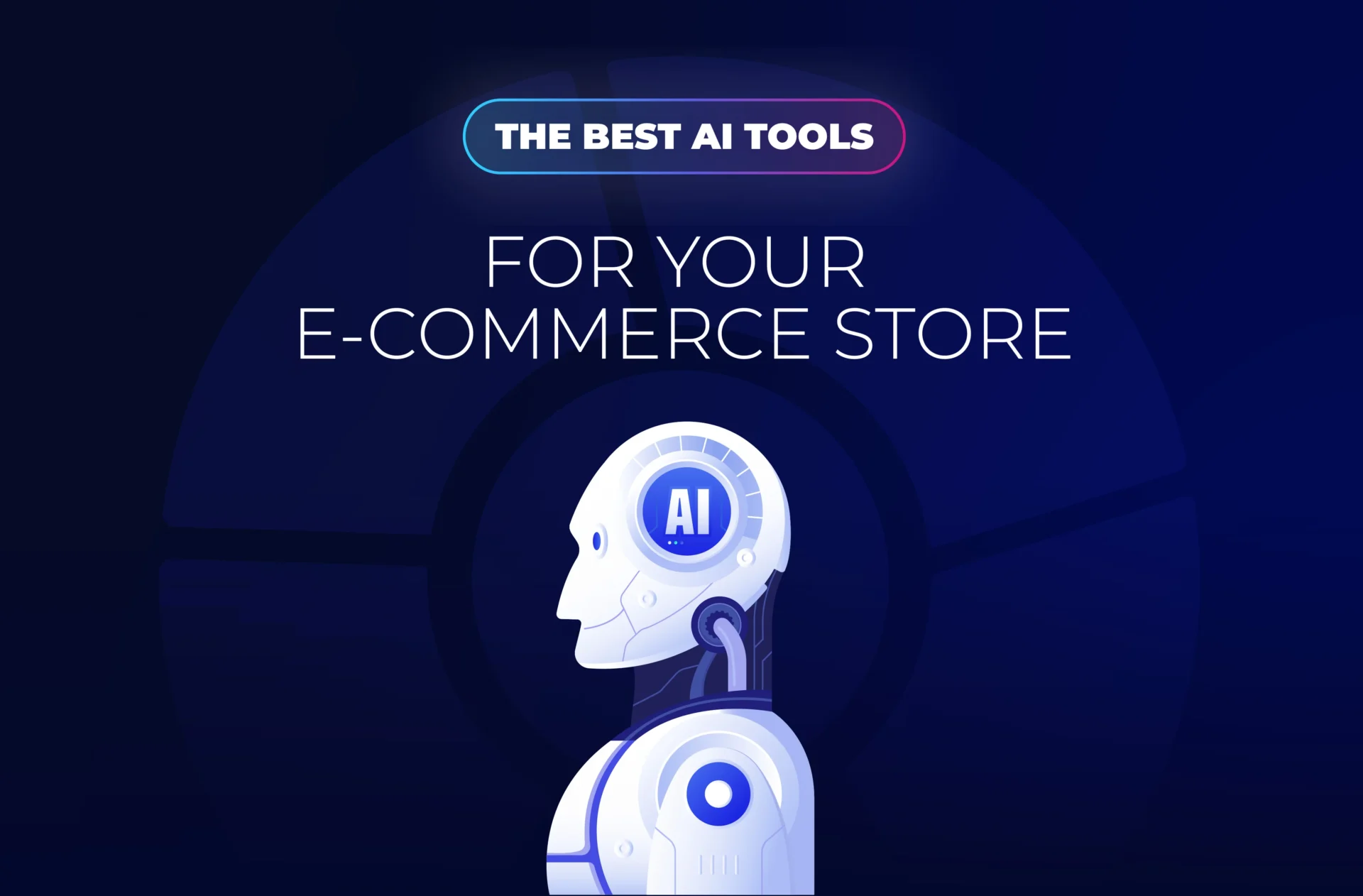
The infographic provided illustrates the best-in-class tools currently available for these categories. Whether you are a small business owner looking to scale your store or an individual professional seeking to streamline your daily workflow, the tools highlighted are designed to bridge the gap between ambition and reality. The AI revolution is here, and it is a toolset designed to empower those who are ready to take control of their future.