Global Energy Markets on Edge: Brent Crude Poised for High-Volatility Trajectory Through FY27
By IANS
Published: September 28, 2026 | Updated: September 28, 2026
The global energy landscape is bracing for a period of sustained price volatility, as macroeconomic headwinds, geopolitical tensions, and shifting supply-side dynamics converge to redefine the cost of crude oil. A comprehensive new report released by Brickwork Ratings has shed light on the precarious outlook for Brent crude, suggesting that the commodity is likely to remain firmly entrenched in a high-price bracket through the latter half of the 2027 fiscal year.
According to the analysis, the "base-case" scenario—to which analysts have assigned a 55 percent probability—projects Brent crude to hover between $95 and $110 per barrel in the second half of FY27. This outlook represents a significant departure from the relative stability seen in previous cycles, underscoring the vulnerability of the global economy to energy shocks.
The Core Forecast: Analyzing the Price Floor
The Brickwork Ratings report serves as a stark warning to policymakers and industrial stakeholders who were banking on a cooling of energy prices. While the $95–$110 range constitutes the baseline, the report implicitly acknowledges that external shocks—ranging from escalation in the Middle East to unforeseen production cuts by OPEC+—could push prices toward the $120 mark, a threshold that would trigger inflationary pressures globally.
The firm’s methodology centers on the structural inability of current global production to keep pace with the rebound in post-recession demand. Despite the transition toward renewable energy, the "old economy" remains heavily reliant on hydrocarbons, and the current geopolitical climate has stripped the market of the buffers that once prevented extreme price spikes.
Chronology: How We Reached This Pivot Point
To understand why the market finds itself at this crossroads, one must look at the events of the last eighteen months:
- Early 2026: Global markets experienced a brief respite as supply chains normalized following the pandemic-era bottlenecks. Brent crude settled into a comfortable $75–$80 range.
- Q2 2026: Tensions in the Strait of Hormuz began to intensify, leading to increased maritime insurance premiums and fears of supply blockades. Energy analysts began factoring in a "geopolitical premium" of $10–$15 per barrel.
- Mid-2026: OPEC+ announced a series of production discipline measures, aimed at supporting price floors to stabilize the fiscal budgets of member nations, effectively curbing the surplus supply that had previously dampened prices.
- September 2026 (Present): With the publication of the Brickwork report, the market consensus has shifted. The focus is no longer on if prices will rise, but on how major economies will absorb the persistent inflationary impact of triple-digit oil.
Supporting Data: The Mechanics of the Surge
The data underpinning the Brickwork projections is multifaceted. It relies on three primary pillars of economic analysis:
1. The Supply-Demand Mismatch
Investment in upstream oil and gas exploration has lagged significantly behind demand growth over the past three years. This "underinvestment trap" means that even if global demand remains flat, the natural decline of existing wells will create a supply deficit by the second half of FY27.
2. The Strait of Hormuz Factor
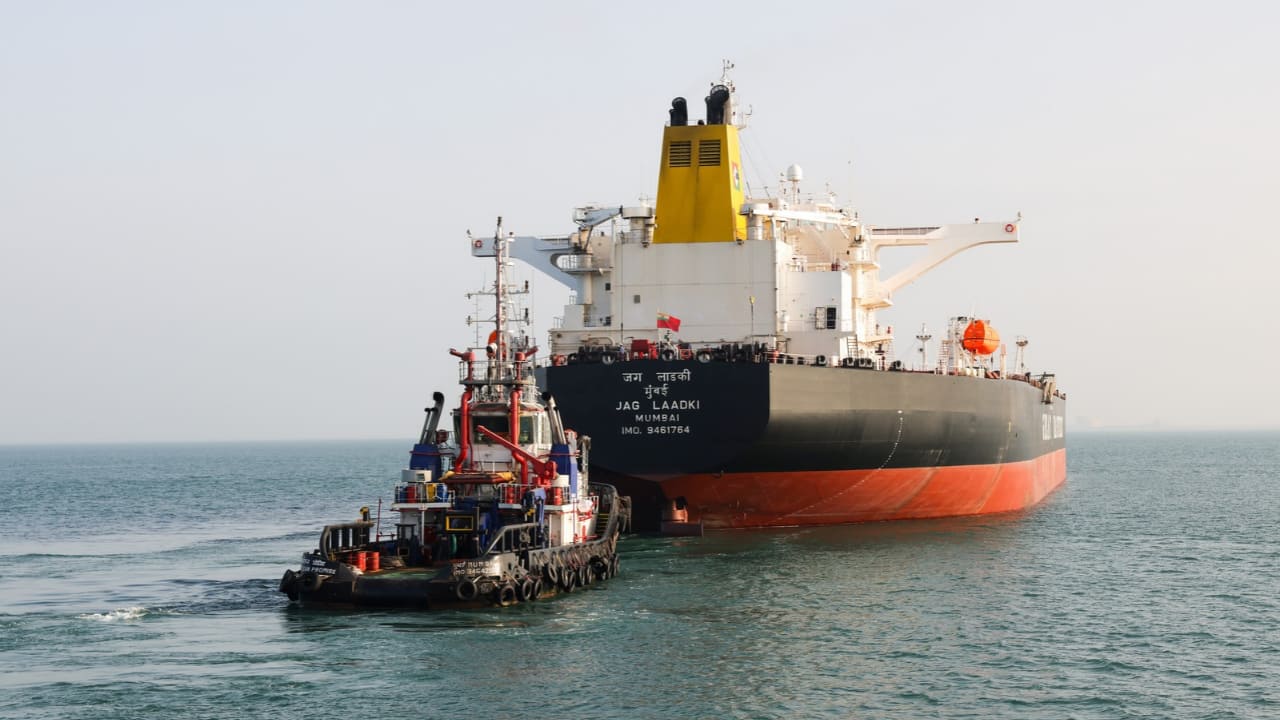
The Strait of Hormuz remains the world’s most important oil chokepoint, with over 20 million barrels of petroleum passing through daily. The report notes that any credible threat to this passage acts as a direct multiplier on Brent futures. While the prospect of a full reopening or a de-escalation in the region could provide a temporary reprieve, the current market sentiment is one of extreme caution.
3. Inventory Levels
Global strategic petroleum reserves (SPRs) are currently at their lowest levels in a decade. With many nations having exhausted their tactical reserves to combat inflation in 2025, there is very little "dry powder" left to dampen a supply-side shock. The lack of inventory buffers ensures that any minor supply disruption will have a disproportionately large impact on spot prices.
Official Responses and Market Sentiment
The financial community has reacted with a mix of resignation and strategic pivoting. Central banks, particularly the Federal Reserve and the European Central Bank, have signaled that a sustained energy price hike will complicate their efforts to maintain interest rate stability.
"The inflationary impulse from $100 oil is not a one-time event; it is a persistent tax on the consumer," noted one senior analyst during a market roundtable held following the release of the report. "If Brent stays in the $95–$110 range for six months, we are looking at a fundamental revision of global GDP growth forecasts for the next fiscal cycle."
Government officials in energy-importing nations, such as India, have expressed concern over the impact on their current account deficits. The Indian government has indicated that it is monitoring the situation closely and is in active discussions with alternative suppliers to diversify its energy basket, hoping to hedge against the projected volatility.
Global Implications: A New Era of Energy Economics
The implications of this forecast are profound, touching almost every facet of the global economy.

Impact on Inflation and Purchasing Power
The most immediate effect of $100+ oil is the "cost-push" inflation that permeates the entire supply chain. Transportation costs, which were already elevated, will likely see a sharp uptick, directly impacting the price of consumer goods. For the average household, this means that while headline inflation might stabilize, the "core" cost of living—defined by fuel and food transport—will remain stubbornly high.
The Geopolitical Rebalancing
Higher oil prices provide a fiscal windfall for oil-exporting nations, potentially altering the balance of power in international relations. Conversely, for emerging markets, the prospect of high energy costs acts as a drag on growth, potentially forcing governments to choose between subsidizing fuel costs—thereby ballooning their fiscal deficits—or passing costs on to consumers, which risks social instability.
The Acceleration of the Energy Transition
Paradoxically, the high price of fossil fuels is the strongest driver for the adoption of green energy. The Brickwork report suggests that while the short-term outlook is grim for oil consumers, the mid-to-long-term consequence will be an accelerated shift toward electrification. Industries that have been slow to decarbonize are now finding that the "green premium" for adopting renewable energy is disappearing; at $110 a barrel, wind and solar power are no longer just ethical choices—they are the most cost-effective alternatives.
Industrial Adaptation
Manufacturers and logistics companies are already moving to integrate energy-efficiency measures that were previously considered "too expensive." We are seeing a shift toward "near-shoring" production to reduce the reliance on long-haul shipping, which is highly sensitive to bunker fuel prices.
Conclusion: Navigating the High-Price Horizon
As we look toward the second half of FY27, the message from the markets is clear: the era of "cheap" energy is firmly behind us. The Brickwork Ratings report serves as a foundational document for the risks that lie ahead. While a 55 percent probability for the $95–$110 range suggests a baseline of high-price stability, the inherent volatility of the current global climate means that stakeholders must remain agile.
The coming months will be defined by how effectively the global financial system can absorb these energy costs without triggering a wider recession. For policymakers, the challenge is twofold: providing immediate relief to the most vulnerable sectors while simultaneously fast-tracking the structural changes necessary to decouple the global economy from the volatility of the crude oil market. As the world watches the price tickers, one thing is certain: the energy market is once again the primary architect of the global economic narrative.