The Great Tech Inflation: Samsung’s Sudden Price Hike Disrupts the Smartphone Market
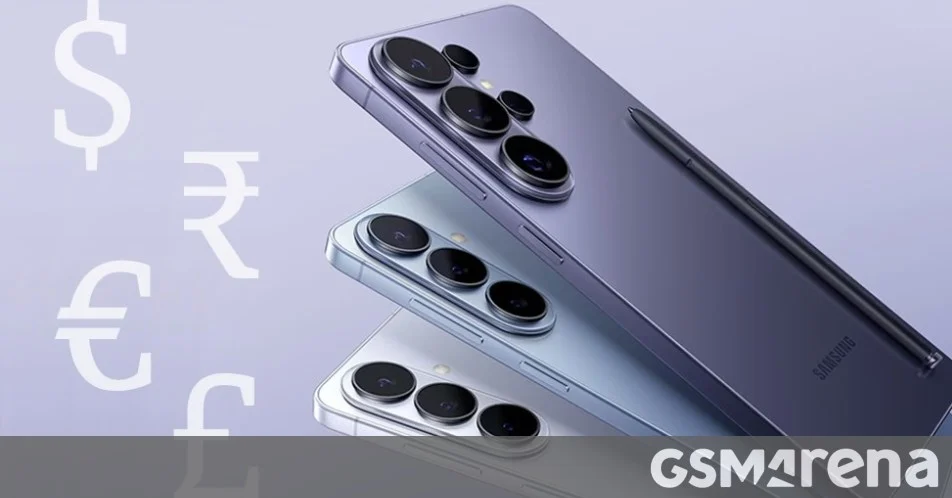
In a move that has stunned industry analysts and frustrated long-term consumers, Samsung has officially adjusted the pricing for its flagship Galaxy S26 series. Contrary to the traditional lifecycle of mobile hardware—where devices typically see price depreciation six months post-launch—Samsung has opted for a counter-intuitive strategy: raising the retail price of its premium lineup by as much as $200 in certain configurations.
This global pricing recalibration affects the Galaxy S26, S26+, and the top-tier S26 Ultra across key markets, including the United States, Canada, the United Kingdom, India, and mainland Europe. While inflationary pressures and supply chain fluctuations are often cited in corporate boardrooms, this mid-cycle adjustment represents a significant departure from established retail norms in the consumer electronics sector.
Main Facts: The Scope of the Increase
The price hikes are not uniform, but they are substantial. A thorough review of Samsung’s regional storefronts reveals a consistent upward trend. For instance, the Galaxy S26 Ultra—the jewel in Samsung’s crown—has seen a $100 increase at the base 256GB entry point in the U.S., with the 1TB model receiving a staggering $200 surcharge compared to its launch price.
While the Galaxy S26 FE (Fan Edition) remains unaffected by this specific round of increases, the core flagship trio has become definitively more expensive. The decision to raise prices months after the initial release cycle is particularly jarring, as the S26 series had already debuted with an initial premium over the previous year’s S25 models in several territories.
Chronology: A Trajectory of Rising Costs
To understand the gravity of this change, one must look at the timeline of the Galaxy S-series pricing.
- Launch Phase: When the Galaxy S26 series first arrived, it was met with a lukewarm reception regarding its pricing structure. Even at launch, consumers noted that the entry-level costs were higher than the equivalent S25 models, creating an immediate barrier to entry.
- The Stability Period: For the first six months, prices remained relatively stagnant. Consumers waiting for the typical mid-year "discount window"—where retailers often clear inventory—were instead met with a shock.
- The Mid-Cycle Pivot: Earlier this week, global regional divisions updated their pricing backend. Overnight, the S26, S26+, and S26 Ultra saw their price tags jump. This shift suggests a strategic, top-down mandate rather than a localized reaction to currency fluctuations, as the trend is visible globally.
Supporting Data: Regional Breakdown
The following data illustrates the disparity between the S25 launch pricing, the S26 initial pricing, and the current, elevated market rates.
The U.S. Market Snapshot
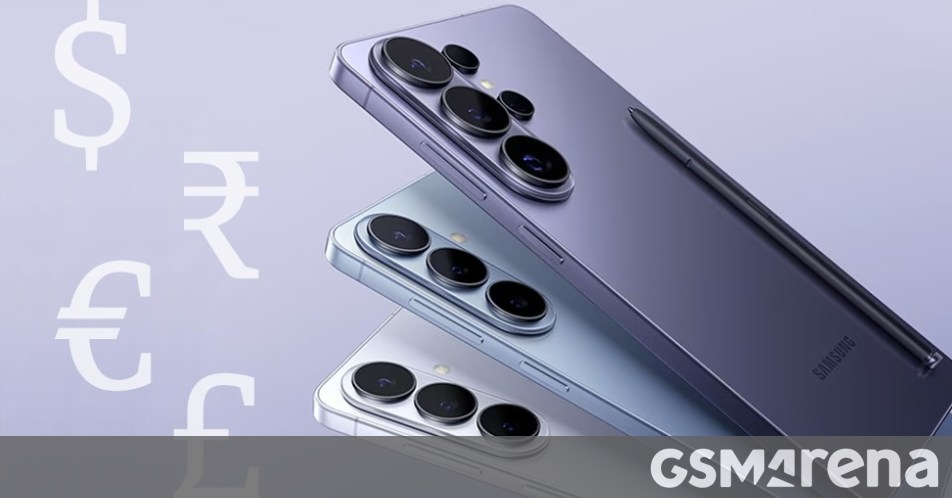
In the United States, the price movement is aggressive. The S26 Ultra, which previously held a steady price, has now breached the $2,000 threshold for the 1TB variant.
| Model | 256GB | 512GB | 1TB |
|---|---|---|---|
| S25 Ultra (Launch) | $1,300 | $1,420 | $1,660 |
| S26 Ultra (Before) | $1,300 | $1,500 | $1,800 |
| S26 Ultra (Current) | $1,400 | $1,600 | $2,000 |
Similar upward trends are mirrored in Europe, where the Euro-denominated pricing for the S26 Ultra 1TB has climbed to €2,150, and in the UK, where the same model now commands £1,860.
The Industry Context: A Macro Trend
Samsung is not acting in a vacuum. The broader mobile industry has been trending toward higher price points for the last 24 months. Apple’s recent pricing adjustments for the iPhone 17 series, combined with Google’s upward shifts across the Pixel ecosystem, indicate a fundamental change in how manufacturers view their flagship hardware.
These companies are navigating a "perfect storm" of economic factors:
- Component Cost Inflation: The cost of advanced semiconductor nodes (3nm and below) has risen, along with the price of high-density NAND flash storage.
- R&D Expenditure: The integration of Generative AI and advanced neural processing units (NPUs) requires massive, ongoing investment in software engineering and cloud infrastructure.
- Market Maturation: As smartphone sales volume stagnates globally, companies are shifting focus from "volume-based growth" to "revenue-per-unit growth." By raising prices, these firms are attempting to maintain profit margins despite lower overall unit shipments.
Official Responses and Corporate Silence
To date, Samsung has not issued a formal press release explaining the specific logic behind these mid-cycle hikes. Typically, when such changes occur, manufacturers attribute them to "shifting market conditions," "currency volatility," or "value-added software enhancements." However, industry experts argue that these justifications often mask the reality of increased shareholder pressure to improve quarterly margins.
Retail partners, meanwhile, have been caught in the middle. Many affiliate programs and independent retailers are scrambling to update their storefronts to reflect the new manufacturer-suggested retail prices (MSRP). The confusion in the marketplace has led to a discrepancy where some smaller retailers may still be honoring older pricing, creating a chaotic landscape for consumers who are effectively "hunting" for the last of the pre-hike inventory.
Implications: What This Means for the Consumer
The implications of this pricing strategy are significant and likely long-lasting.
1. The Death of the "Discount Cycle"
For years, the "best time to buy" a flagship phone was six months after release. Consumers could count on seasonal sales to bring a $1,200 device down to a more accessible $900 price point. By raising prices now, Samsung effectively kills the bargain hunter’s window. If prices rise in the middle of a cycle, the secondary market (refurbished/resale) will inevitably follow suit, keeping entry costs high for everyone.

2. Widening the Gap with Mid-Range Devices
As the flagship S26 series moves further into the "luxury" price bracket, the gap between the S-series and the A-series (or the FE models) becomes an abyss. Consumers who previously stretched their budget for a flagship may now find the financial hurdle too great, potentially leading to a decline in flagship adoption and a surge in mid-range sales.
3. Looking Toward the Galaxy S27
Perhaps the most concerning implication is the signal it sends for the future. With rumors already circulating that the Galaxy S27 series will see yet another price increase, the market appears to be entering a period of permanent inflation. The era of the $800 "premium flagship" may be coming to an end, with $1,200 becoming the new baseline for entry-level professional devices.
Conclusion: A New Reality for Tech Enthusiasts
The decision to raise prices on the Galaxy S26 series mid-cycle is a bold, albeit risky, maneuver. It tests the brand loyalty of the Samsung user base during a period of global economic uncertainty. For the average consumer, the choice is now starker than ever: pay the premium for the latest technology or turn toward the burgeoning market of refurbished units and mid-tier alternatives.
As we look toward the next generation of mobile devices, it is clear that the "tech tax"—the premium paid for cutting-edge innovation—is growing heavier. Whether the market will continue to bear these costs remains to be seen, but one thing is certain: the days of affordable, high-end flagship smartphones are rapidly receding into the rearview mirror.
For those still looking to purchase, the only prudent course of action is to monitor third-party retail platforms, which may temporarily retain older, lower-priced stock before the full market transition is complete. However, as supply tightens, even those windows of opportunity are likely to close, marking the end of a very difficult chapter for the consumer smartphone market.