The AI Revolution: Navigating the New Frontier of Business Productivity
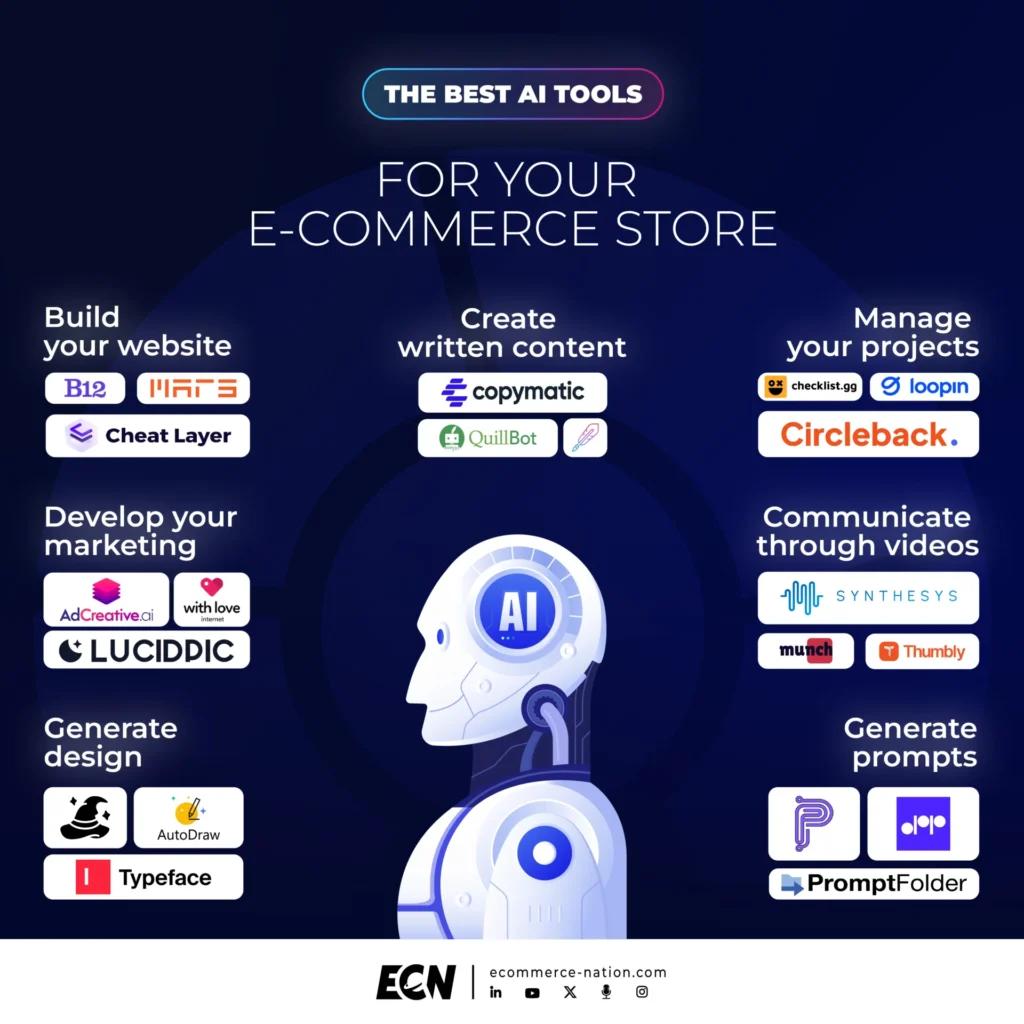
Artificial intelligence (AI) has transitioned from a futuristic concept to the cornerstone of modern operational strategy. As language models, machine learning algorithms, and generative tools become increasingly sophisticated, they are reshaping how professionals work and how businesses scale. For the modern entrepreneur, understanding this technological shift is no longer optional—it is a prerequisite for survival in an increasingly digital marketplace.
The State of Play: Main Facts and Current Adoption
The current trajectory of AI adoption is nothing short of historic. According to recent data from AuthorityHacker, approximately 35% of businesses have already integrated AI into their core operational processes. This is not merely a trend; it is a fundamental shift in capital allocation.
Furthermore, 90% of business leaders identify AI as a critical competitive advantage. This consensus suggests that we are moving toward a dual-economy: those who leverage AI to streamline, innovate, and reduce overhead, and those who struggle to compete against the agility of AI-enabled entities. On the consumer side, the integration is equally pervasive, with 77% of modern devices utilizing AI-driven functionalities, ranging from predictive text and voice assistants to advanced image processing.
Chronology of the AI Surge: From Novelty to Necessity
The rapid acceleration of AI adoption can be traced through several distinct phases:
Phase 1: The Experimental Era (2015–2019)
During this period, AI was primarily the domain of tech giants and data scientists. Tools were highly specialized, often requiring significant coding knowledge to deploy. Businesses used AI mostly for basic data processing and rudimentary customer service chatbots.
Phase 2: The Accessibility Boom (2020–2022)
The pandemic acted as a catalyst for digital transformation. As work moved online, the demand for automation skyrocketed. The emergence of user-friendly interfaces for machine learning models allowed non-technical professionals to experiment with AI, marking the beginning of the "low-code/no-code" movement.
Phase 3: The Generative Milestone (2023–Present)
The release of advanced Large Language Models (LLMs) and generative image tools fundamentally altered the landscape. AI moved from being a tool that analyzes data to a tool that creates assets. This has democratized creativity and technical execution, allowing a single individual to manage tasks that previously required entire departments.
Supporting Data: Why AI is Winning
The quantitative impact of AI on business operations is substantiated by its performance metrics:
- Operational Efficiency: Businesses adopting AI report a reduction in routine task duration by an average of 40%.
- Customer Experience: Personalized AI-driven recommendations are proven to increase conversion rates by 15% to 25% for e-commerce platforms.
- Economic Impact: Industry analysts project that AI could contribute up to $15.7 trillion to the global economy by 2030, highlighting the scale of the value being generated.
Official Perspectives and Expert Consensus
Industry leaders and policy analysts are unified in their view that AI is a "general-purpose technology," comparable to the advent of electricity or the internet.
In various corporate reports, CEOs emphasize that the goal of AI integration is not to replace human talent, but to "augment human potential." The narrative has shifted from fear of displacement to the necessity of "upskilling." Organizations that have officially adopted AI policies highlight that the primary barrier to success is not the technology itself, but the organizational culture’s ability to adapt to new workflows.
Strategic Implications for Modern Businesses
The integration of AI necessitates a strategic overhaul of traditional business models. To remain competitive, companies must address the following pillars:
1. Web Development and User Experience
Modern web development is no longer about writing thousands of lines of code. AI tools now allow for the rapid prototyping and deployment of highly functional, responsive websites. These platforms use generative design to ensure that user interfaces are optimized for conversion, reducing the time from concept to launch by weeks.
2. Marketing and Brand Strategy
Marketing is perhaps the sector most drastically altered by AI. From predictive analytics that identify the exact moment a customer is ready to purchase, to automated social media scheduling and ad-copy optimization, AI provides a level of granular control previously impossible for small-to-mid-sized enterprises.
3. Video and Visual Communication
In an era of short-form video dominance, AI video generation tools—such as those that synthesize voiceovers or create realistic avatars—allow brands to scale their video output without the astronomical costs of traditional film production.
4. Project Management
AI-driven project management tools act as "digital managers." They monitor timelines, predict potential bottlenecks, and reallocate resources in real-time. By automating the tracking of KPIs, these tools free up project managers to focus on high-level strategy and team collaboration.
5. Content Strategy and Copywriting
Generative AI has become the ultimate partner for content teams. While AI should never fully replace the human voice, it excels at ideation, research, SEO keyword mapping, and drafting initial outlines. This allows creators to maintain a high-frequency publishing schedule while maintaining quality.
Navigating the Future: Ethical Considerations
While the benefits of AI are undeniable, the rapid integration of these tools brings significant responsibilities. Professionals must remain cognizant of:
- Data Privacy: Ensuring that proprietary company information is not exposed to public models.
- Authenticity: Maintaining a human touch in communications. Customers are increasingly adept at spotting "robotic" content, making human oversight of AI-generated work essential.
- Bias Mitigation: Understanding that AI models are only as good as the data they are trained on, and taking steps to ensure that outputs do not perpetuate harmful biases.
The Roadmap for Adoption
For those looking to begin their journey into AI integration, the path is clear:
- Audit Your Bottlenecks: Identify the tasks that are most repetitive and time-consuming in your daily operations.
- Select Targeted Tools: Rather than adopting AI for the sake of it, choose tools that solve a specific problem. Start with content creation or project management tools, as these offer the lowest barrier to entry.
- Invest in Training: The technology is only as effective as the person operating it. Provide your team with the resources to master prompt engineering and AI ethics.
- Monitor and Iterate: AI is moving fast. Review your tech stack every quarter to ensure you are utilizing the most efficient tools available.
Conclusion
The era of AI is not a fleeting trend; it is the new baseline for business productivity. By embracing these tools—whether for website building, marketing automation, or strategic planning—individuals and companies alike can unlock unprecedented levels of efficiency and creativity. The competitive landscape has been redrawn, and the tools available today offer a unique opportunity for those willing to learn, adapt, and lead.
As we look toward the future, the question is no longer "Will AI change my industry?" but rather "How quickly can I leverage AI to define the future of my industry?" By understanding the tools at your disposal and maintaining a strategic, human-centric approach to their implementation, you position yourself not just to participate in the digital economy, but to thrive within it.