The Evolution of Clinical Wearables: A Deep Dive into the Huawei Watch D3
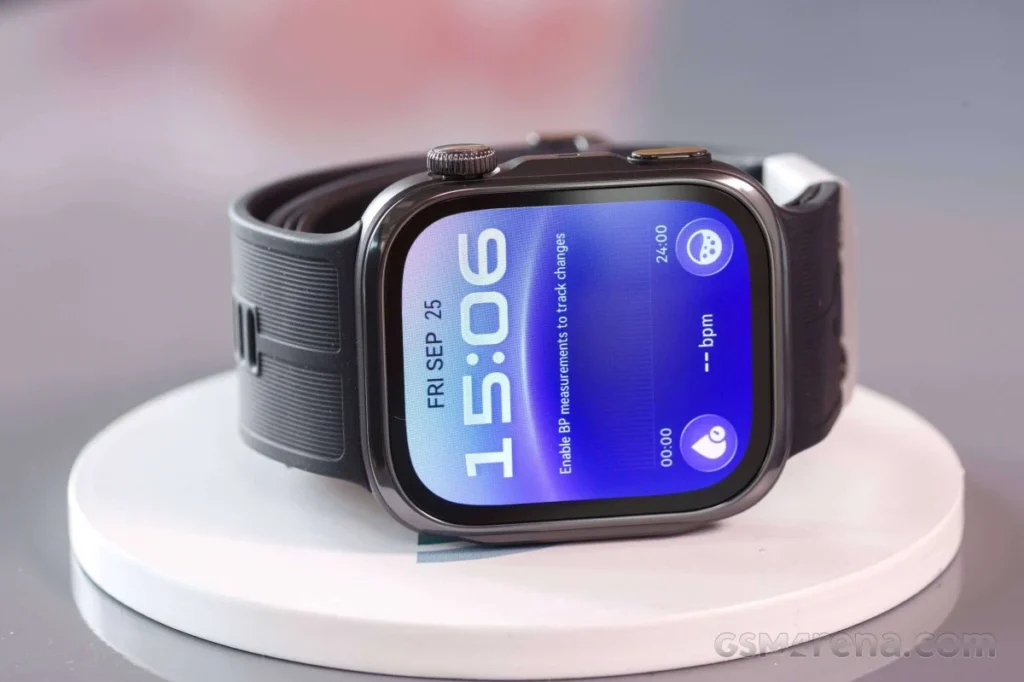
The landscape of health-focused wearables has undergone a seismic shift over the last half-decade. Moving beyond simple step counting and heart-rate monitoring, the industry is currently locked in a race to provide clinical-grade diagnostics on the wrist. At the forefront of this movement is Huawei’s Watch D series, a product line that has carved out a niche by integrating actual blood pressure monitoring technology—complete with a literal, inflatable airbag.
With the arrival of the newly announced Huawei Watch D3, the company is signaling that it isn’t satisfied with merely being a pioneer; it wants to be the definitive standard. The D3 arrives with a refined chassis, a significantly brighter display, and updated internal hardware, promising a more seamless experience for those who rely on health metrics to manage their daily lives.
Main Facts: What Defines the Huawei Watch D3?
At its core, the Huawei Watch D3 remains a specialized tool for the health-conscious consumer. It maintains the unique identity of the D-series: a device that houses an inflatable strap system capable of medical-grade blood pressure measurement. However, the D3 is not a simple rehash of its predecessor; it is a holistic refinement.
Key Specifications and Hardware Upgrades
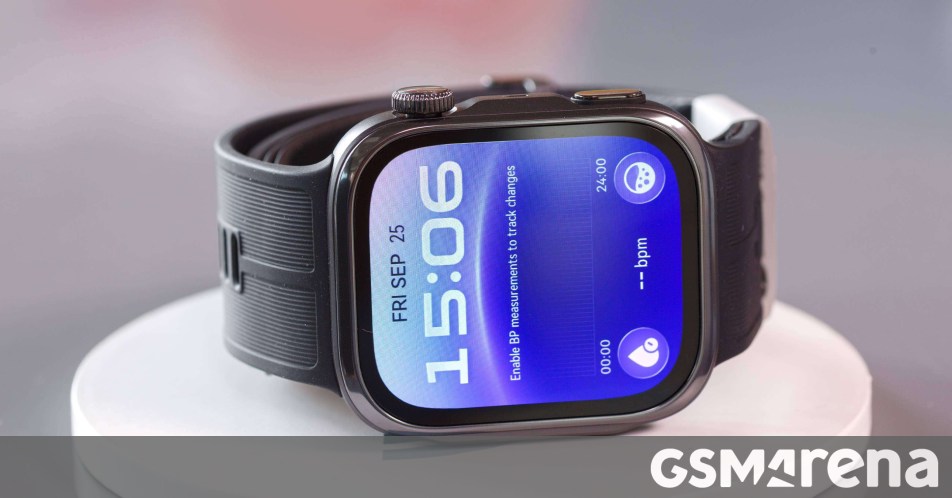
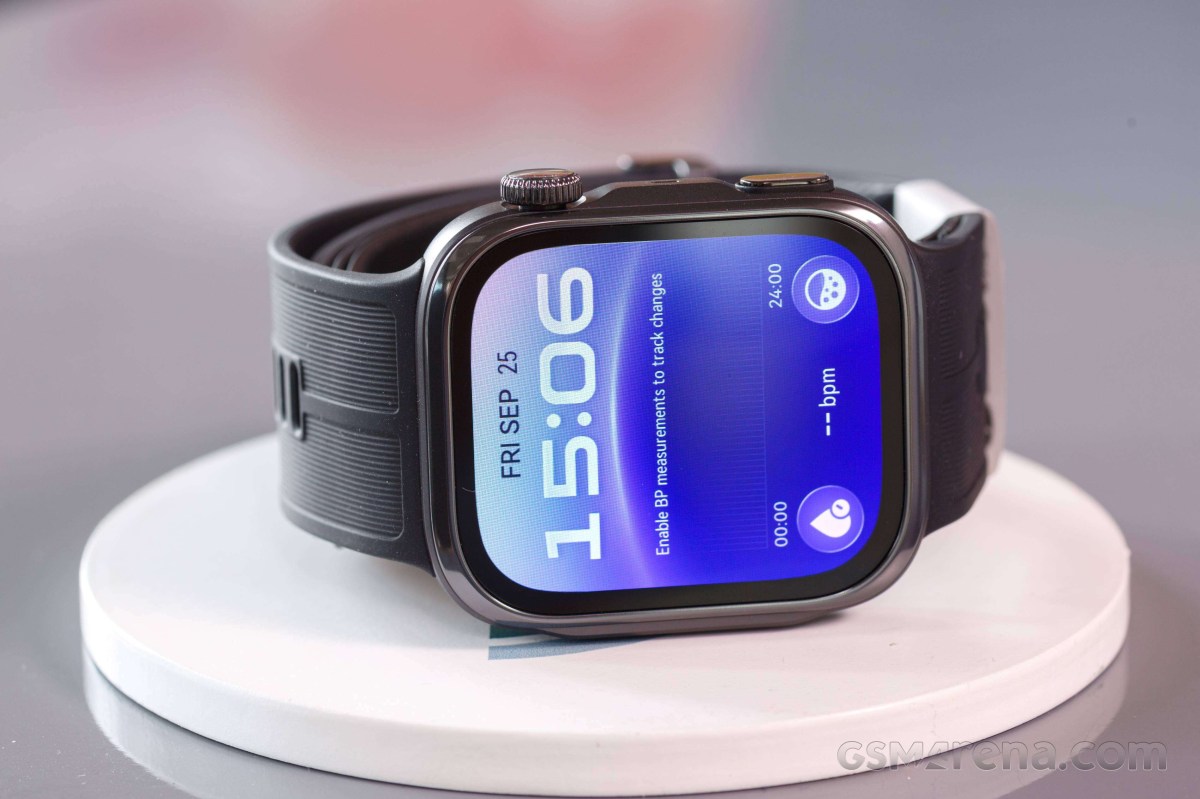
- Display: The device now sports a 1.92-inch display, a notable step up from the 1.82-inch panel found on the D2. Perhaps more impressive is the brightness leap: the D3 boasts 3,000 nits of peak brightness, ensuring readability even under the harshest direct sunlight.
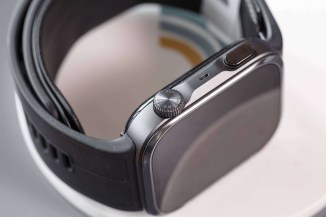
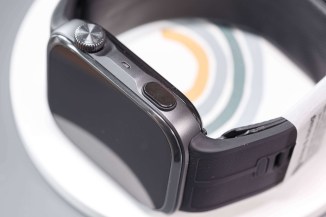
- Form Factor: Despite the larger screen, Huawei has successfully engineered a thinner chassis, measuring 11.3mm compared to the 13.3mm profile of the D2. This reduction in thickness significantly improves the aesthetic and ergonomic profile of the watch.
- Connectivity: The D3 marks a jump to Bluetooth 6.0, facilitating faster, more stable, and more power-efficient data transmission between the watch and the smartphone.
- Charging: Addressing a common user grievance, the magnetic charging puck now utilizes a USB-C connection, finally abandoning the legacy USB-A standard.
A Chronological Progression: From the D2 to the D3
To understand the trajectory of the Watch D3, one must look at the evolution of the series. The original Watch D series set the bar by proving that mechanical blood pressure measurements could be miniaturized.
The D2 Legacy
When the Huawei Watch D2 launched, it was hailed as a breakthrough. It managed to package a micro-pump and airbag into a wearable form factor that didn’t look entirely like medical equipment. During our extensive review of the D2, we noted its stellar battery life—averaging six days with the Always-On Display (AOD) enabled and up to ten days with standard usage. However, it also came with certain "growing pains," such as a slower charging interface and a chassis that, while comfortable, proved susceptible to micro-scratches.
The Path to D3
The development cycle of the D3 seems to have focused on two primary pillars: User Experience (UX) refinement and Technical Efficiency. By shifting to Bluetooth 6.0, Huawei is preparing the device for a more complex ecosystem of sensors and data synchronization. The reduction in the watch’s thickness indicates a maturation in their hardware engineering, as fitting a blood pressure pump into a tighter frame without sacrificing comfort or reliability is a significant technical achievement.
Supporting Data: Performance and Ergonomics
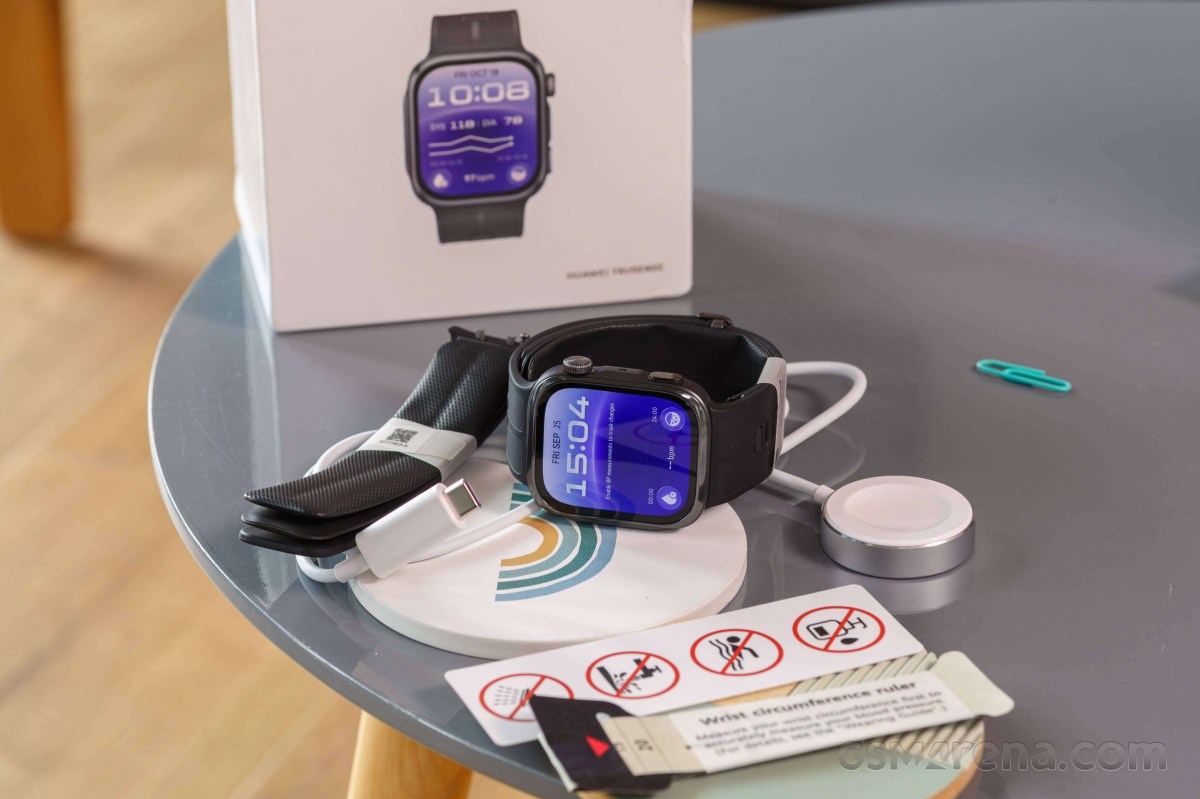
The Watch D3 arrives in a retail package that feels familiar yet polished. Inside, users find the watch, an M-sized strap with the integrated airbag, a wrist circumference ruler, and the updated USB-C charging cable.
Battery Endurance and Daily Utility
Battery life remains the "holy grail" of smartwatches. The D2 set a high bar, and the D3 aims to surpass it. While our long-term testing is currently underway, the inclusion of a slightly larger battery capacity combined with the more efficient Bluetooth 6.0 protocol suggests that the D3 could potentially push the 10-day limit even further.
Material Science and Durability
One of the critiques leveled at the Watch D2 was the vulnerability of its casing to cosmetic wear. While the "premium" feel was never in question, the material choices meant that active users often ended up with scratches after only a few months of wear. With the D3, we are monitoring whether Huawei has opted for a more scratch-resistant alloy or a specialized coating. For a device intended to be worn 24/7—especially for those tracking sleep apnea or nocturnal blood pressure—durability is not a luxury; it is a necessity.
Official Responses and Market Positioning
Huawei has positioned the Watch D3 at a competitive £400 price point. This pricing strategy reflects the device’s "Pro" status within the health-wearable hierarchy. Unlike a standard fitness tracker, the D3 is aimed at users who require clinical data.
In official statements, Huawei has emphasized that the D3 is designed to bridge the gap between "wellness" and "medical monitoring." By providing a more comfortable, thinner design, the company hopes to encourage users to wear the device to bed consistently, which is critical for the accuracy of longitudinal blood pressure and heart-rate variability data. The company has also hinted at future software updates that will leverage the new Bluetooth 6.0 capabilities to integrate more deeply with professional medical record-sharing platforms, effectively turning the watch into a more vital component of a user’s long-term health management strategy.
Implications: The Future of Clinical Wearables
The release of the Huawei Watch D3 has profound implications for the broader wearable tech industry.
The Normalization of Clinical Data
When a consumer device can provide blood pressure readings that correlate closely with traditional cuff-based sphygmomanometers, the barrier between the patient and the physician begins to dissolve. The Watch D3 represents a future where "preventative medicine" is no longer a quarterly check-up, but a constant, automated process.
Pressure on Competitors
Companies like Apple and Samsung have long focused on EKG and SpO2 monitoring. However, the physical implementation of a blood pressure pump—something Huawei has mastered—remains a major hurdle for these competitors. The D3 forces the competition to either innovate in the mechanical space or risk falling behind in the race for true "medical-grade" utility.
The User Experience Shift
The move to a thinner, more comfortable chassis is more than a design choice; it is a behavioral nudge. If a device is bulky or uncomfortable, it ends up in a drawer. By refining the ergonomics, Huawei is increasing the "compliance" rate of its users. If the user forgets they are wearing the device, they are more likely to have the data necessary to identify potential health crises before they manifest as acute symptoms.
Final Thoughts: The Road Ahead
As we continue our in-depth review of the Huawei Watch D3, the initial impressions are overwhelmingly positive. It takes the successful DNA of the Watch D2 and refines it with a focus on modern connectivity and aesthetic elegance.
The transition to USB-C, the dramatic increase in display brightness, and the overall thinning of the chassis demonstrate that Huawei is listening to its user base. For those currently managing hypertension, or for anyone who views their health metrics as a critical asset, the Watch D3 is currently the most compelling argument for a dedicated health wearable.
We look forward to presenting the full, data-backed results of our stress tests, accuracy benchmarks, and battery longevity trials in the coming weeks. For now, the Huawei Watch D3 stands as a testament to how far wearable technology has come—and a exciting hint at where it is going next. Stay tuned for our final verdict on whether this is the ultimate health companion for the modern user.