Nothing OS 5.0: The Leap to Android 17 Begins with the Nothing Phone (3)
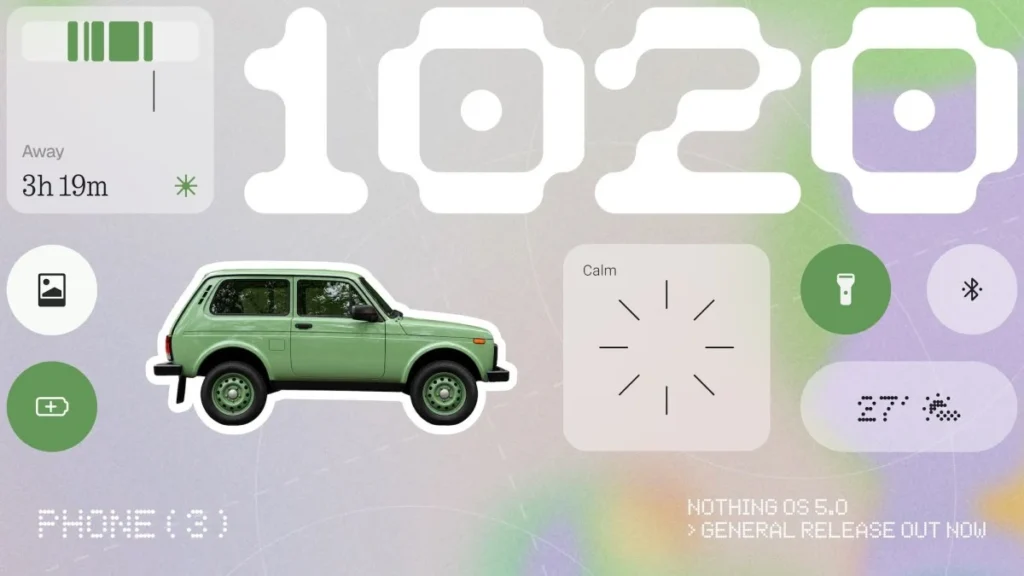
The landscape of Android skinning has long been defined by a tug-of-war between bloatware-heavy utilities and the pursuit of “stock-like” minimalism. Since its inception, Nothing has carved out a unique identity, positioning itself at the intersection of industrial design and functional software. Today, that commitment reaches a new milestone as the company officially commences the global rollout of Nothing OS 5.0, built upon the foundation of Android 17.
While the journey began with an intensive open beta program launched in late August, the transition to a stable, public release marks the most significant software evolution for the brand to date. For owners of the Nothing Phone (3), the update is not merely a version bump; it is a fundamental reimagining of how the device interacts with its user, focusing on deeper personalization, smarter AI integration, and refined performance metrics.
The Main Facts: What Defines Nothing OS 5.0?
The rollout of Nothing OS 5.0 represents a comprehensive overhaul of the user experience. At its core, the update brings the latest advancements from Google’s Android 17, but filtered through the distinct aesthetic language that Nothing users have come to expect.
Key Features and Enhancements:
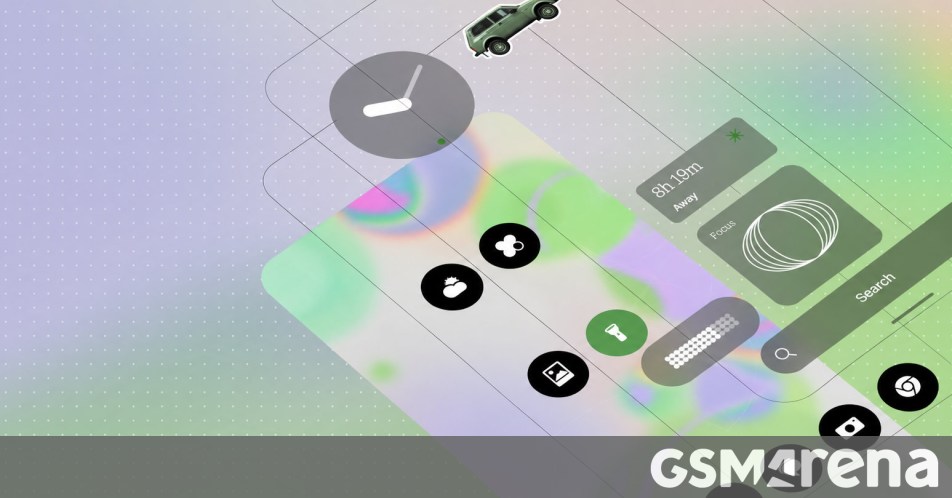
- Redesigned Launcher: The user interface has been streamlined to prioritize fluidity and ease of navigation. The launcher now features refined animations and a more cohesive iconography set that aligns with the brand’s monochrome-centric design philosophy.
- The Micrographics Clock Face: A hallmark of this update is the introduction of the "Micrographics" clock face. This feature emphasizes data density without sacrificing readability, allowing users to glance at vital information through a uniquely stylized, modular interface.
- Deep Personalization: Nothing has expanded its personalization suite, allowing for more granular control over system-wide accents, widget behaviors, and the iconic Glyph interface.
- Enhanced Essential AI: Perhaps the most significant backend change is the integration of "Essential AI" tools. These utilities are designed to anticipate user needs, optimizing background processes and offering predictive shortcuts that reduce the number of taps required for daily tasks.
- Performance Optimization: Beyond the visual flair, the underlying codebase has been tuned for better power management and memory allocation, ensuring that the Nothing Phone (3) remains snappy even under heavy multitasking loads.
A Chronology of the Development Path
The road to this release was paved by a deliberate, community-driven development cycle. Nothing has consistently utilized its user base as a primary testing ground, fostering a culture of transparency that is rare in the smartphone industry.
- Late August: Nothing officially opened the doors to its Beta program. For the first time, early adopters were granted access to the pre-release builds of Nothing OS 5.0. This phase was critical for squashing bugs and gathering real-world telemetry regarding battery consumption and thermal efficiency under the new Android 17 architecture.
- September – Mid-October: The feedback loop remained active, with Nothing engineers pushing incremental patches to beta participants. These updates focused on refining the "Essential AI" algorithms and stabilizing the new launcher animations.
- Late October: The company officially signaled that the stable build was ready for the public. The rollout, however, is staggered, a common practice to ensure that server loads remain manageable and that no critical, device-breaking bugs reach the wider population simultaneously.
Supporting Data: Rollout Schedule and Device Roadmap
Nothing has laid out an ambitious, multi-month deployment roadmap that covers almost its entire active device portfolio. This schedule is designed to ensure that the transition to Android 17 is handled with precision across different hardware configurations.
The Phased Deployment Schedule:
| Phase | Devices Included | Estimated Timeline |
|---|---|---|
| Phase 1 | Nothing Phone (3) | Currently Rolling Out |
| Phase 2 | Phone (4a), (4a) Pro, (3a), (3a) Pro | Early November |
| Phase 3 | Phone (2a), (2a) Plus | Mid-November |
| Phase 4 | Phone (3a) Lite | Late December |
| Phase 5 | Phone (4b), CMF Phone 2 Pro | Mid-January |
The decision to prioritize the Phone (3) is logical, given its status as the current flagship. However, the rapid inclusion of the (4a) and (3a) series shows that Nothing is attempting to maintain software parity across its mid-range and budget offerings, a move that is likely to bolster brand loyalty among value-conscious consumers.
Official Responses and User Guidance
In an official announcement post, Nothing emphasized the importance of a staggered rollout, noting that "availability may vary by region and device." This is a standard disclaimer, yet it highlights the complexities of global distribution.
For users eager to jump into the new OS, the company advises a manual check. By navigating to Settings > System > System update, users can determine if their specific device has been cleared for the download. Nothing also recommends that users ensure their devices are charged above 50% and connected to a stable Wi-Fi network before initiating the update to prevent any potential data corruption during the firmware flash.

The community reaction has been largely positive. On official forums, users have lauded the "Micrographics" clock for its utility, though some have expressed curiosity regarding the battery impact of the new AI features. Nothing has promised continued support and "hotfix" updates in the weeks following the global launch to address any unforeseen stability issues.
Implications: Why This Matters for the Industry
The launch of Nothing OS 5.0 is more than just a software update; it is a strategic maneuver that signals Nothing’s long-term viability as a software-centric company.
1. The "Post-Smartphone" Software Experience
By leaning into "Essential AI," Nothing is subtly shifting the conversation away from raw hardware specs and toward the utility of the software experience. In a market where camera sensors and processors are becoming commoditized, the "smarts" of the OS are the new battleground. If Nothing can successfully implement AI that feels genuinely helpful rather than invasive, they will have achieved a competitive edge that few other Android manufacturers—outside of Google itself—have managed.
2. The Maintenance Challenge
Managing a rollout of this magnitude across eight distinct devices within a four-month window is an immense logistical challenge. If the company succeeds without significant backlash regarding bugs or performance degradation, it will prove that their streamlined approach to software development is scalable. If they fail, however, it could tarnish the reputation for reliability that the brand has worked so hard to build.

3. Impact on the Budget Segment
The inclusion of the CMF Phone 2 Pro and the (3a) series in the Android 17 rollout is a significant win for the mid-range market. Historically, budget devices are the first to be abandoned when it comes to OS updates. By committing to a consistent update schedule for these devices, Nothing is positioning itself as a consumer-friendly alternative to the larger, more bureaucratic OEMs.
Looking Ahead
As the rollout continues, the industry will be watching to see how the Nothing OS 5.0 implementation holds up under the scrutiny of mass-market usage. Will the "Essential AI" tools truly transform the user experience, or will they simply become another set of background services that users choose to disable?
For now, the momentum is undeniably with Nothing. By successfully transitioning its flagship to the latest iteration of Android, the company is demonstrating that it is no longer just a challenger brand—it is a mature player capable of executing complex software deployments on a global scale. As we head into the new year, the success of this rollout will likely serve as a barometer for Nothing’s performance in the coming fiscal year.
For owners of the Nothing Phone (3), the future has arrived. For everyone else, the wait is almost over. As the community continues to share screenshots, feedback, and optimization tips, the true picture of what Android 17 looks like through the lens of Nothing will become clearer. It is an exciting time for the Android ecosystem, and Nothing remains at the very center of the conversation.