Supply Chain Bottlenecks: Samsung’s Strategic Pivot to Mitigate Galaxy Z Fold8 Production Shortfalls
The global semiconductor market, characterized by its extreme complexity and precision, has once again become a point of contention for industry giant Samsung Electronics. While the Samsung Galaxy Z Fold8 has achieved notable market success, garnering significant consumer interest following the competitive pressure of the latest iPhone releases, the tech titan is currently navigating a period of supply chain fragility. Beyond the macroeconomic headwinds of rising memory (RAM) and NAND flash storage costs, Samsung has encountered a critical third-party bottleneck: a severe shortage of Display Driver Integrated Circuits (DDIs).
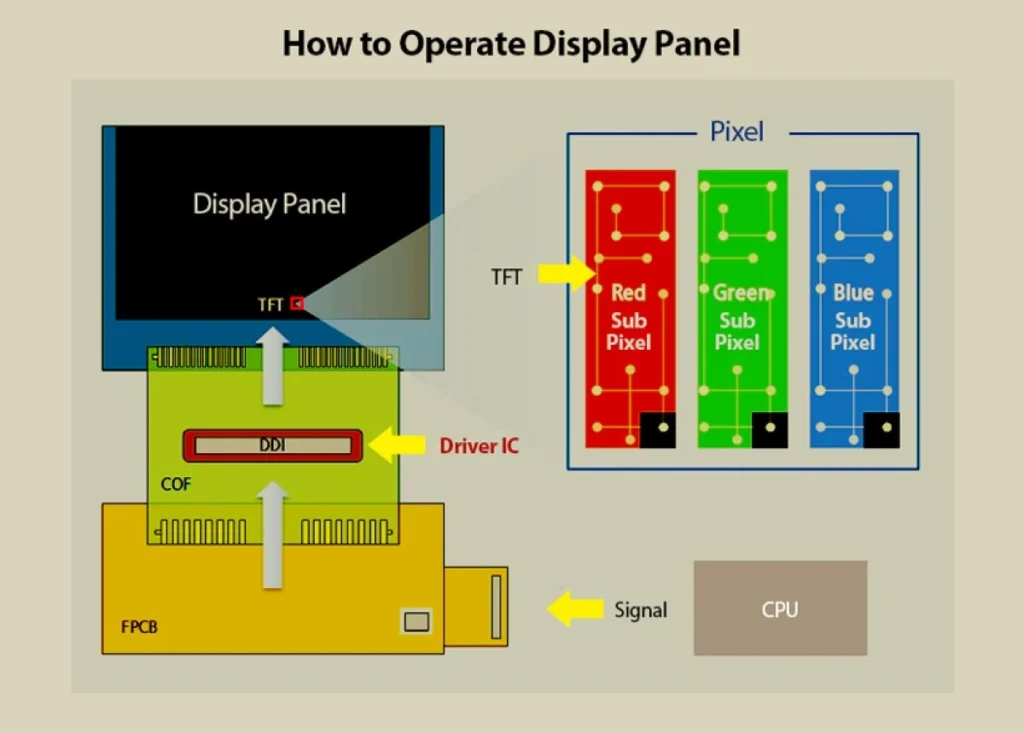
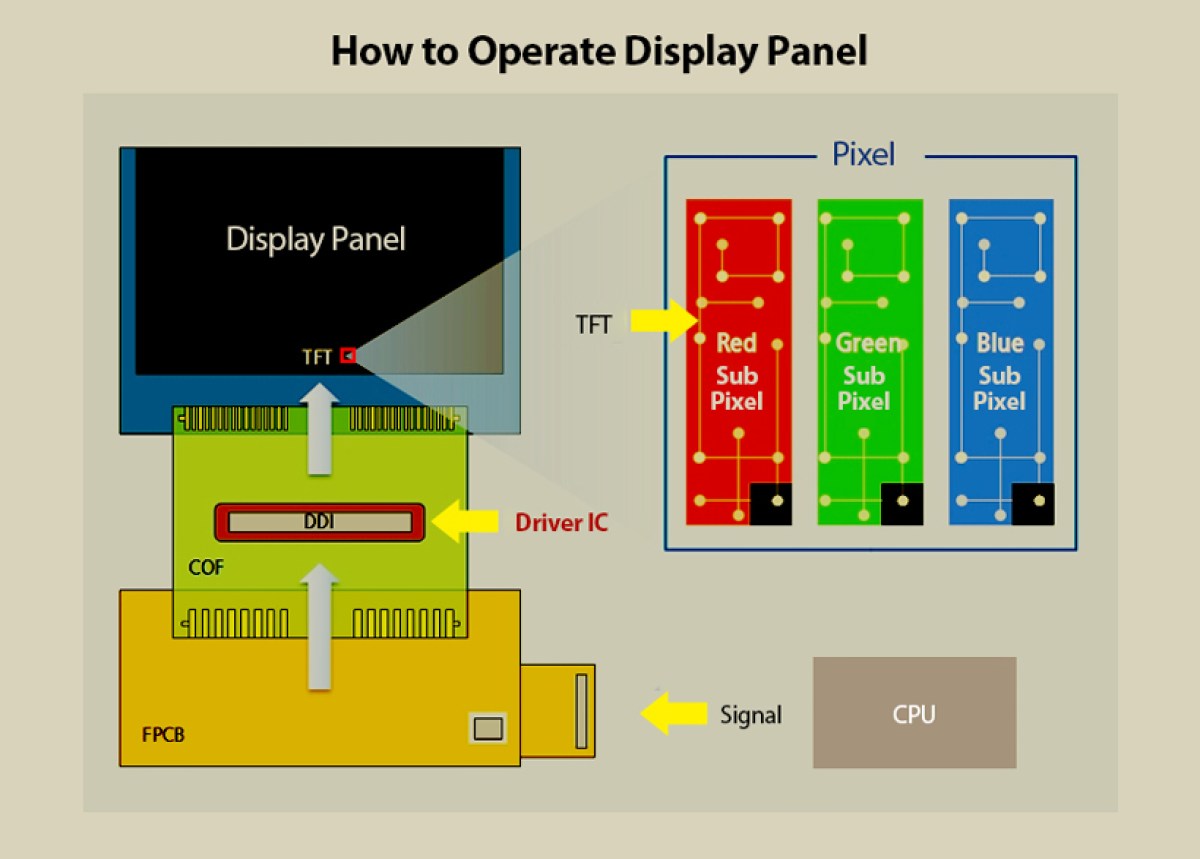
As the engine room of modern display technology, the DDI is an indispensable component. These specialized semiconductors act as the essential bridge between a smartphone’s central processing unit (CPU) and its visual interface. By managing the complex rendering processes—including the activation of thin-film transistors, the modulation of color depth, and the precise control of brightness for every individual pixel—the DDI determines the quality and fluidity of the user experience.
Recent reports from ZDNet Korea have shed light on the structural vulnerabilities within Samsung’s supply chain, revealing that the company has been relying on a sole-source provider for these vital components: United Microelectronics Corporation (UMC). This reliance has proven to be a strategic liability, as Samsung’s inability to diversify its supplier base has led to production delays and tangible revenue impacts.
The Anatomy of the Crisis: Understanding DDIs
To understand the severity of the current situation, one must first appreciate the role of the DDI. In a foldable device like the Galaxy Z Fold8, the display is the primary value proposition. The internal folding screen requires high-performance DDIs that can handle variable refresh rates and high-density pixel arrays without sacrificing power efficiency.

When a user taps their screen, the CPU sends a command, but the DDI is the component that translates that digital signal into the analog voltage required to illuminate the pixels. Any disruption in the supply of these chips does not just slow down the assembly line; it prevents the final product from being completed entirely. Samsung’s current dependence on UMC has highlighted a classic "bottleneck" scenario where the manufacturer of the end device is hostage to the production capacity of a single component supplier.
A Chronological Breakdown of the Supply Chain Failure
The path to the current production impasse was not sudden but rather the result of a compounding series of events over the last quarter.
Early September 2026: The Demand Surge
Following the high-profile launch of competing flagship devices, the Galaxy Z Fold8 experienced a sudden, unexpected spike in consumer demand. Samsung’s marketing efforts, coupled with the device’s technological maturity, pushed sales figures beyond initial quarterly forecasts.
Mid-September 2026: The Capacity Wall
Recognizing the potential for lost sales, Samsung procurement teams reached out to UMC to request a significant increase in DDI output. UMC, however, was already operating at maximum production capacity. With no excess wafer fabrication availability to reallocate to Samsung, UMC was forced to decline the request.
Late September 2026: The Production Retrenchment
Lacking the necessary components to maintain the projected assembly volume, Samsung was forced to revise its September production schedules downward. This decision had a direct and immediate impact on the company’s quarterly revenue figures, as thousands of units that could have been sold were instead left sitting in a "work-in-progress" state or never entered the assembly phase at all.
October 2026: Strategic Pivot and Supplier Expansion
In response to the revenue shortfall and the public realization of supply chain fragility, Samsung executives initiated a rapid review of their supplier diversification strategy. The shift, currently underway, involves looking toward GlobalFoundries (GF) to serve as a secondary or tertiary supplier, thereby mitigating the risk of future single-point-of-failure scenarios.
Supporting Data: Economic Implications
The financial ramifications of this bottleneck are multifaceted. Samsung is grappling with the "triple threat" of rising material costs:
- RAM/Storage Volatility: As the semiconductor memory market stabilizes at higher price points, the cost-per-unit for flagship devices has increased.
- DDI Scarcity: Because DDIs are specialized, they cannot be substituted with generic components. The inability to procure them at scale directly translates into lost "Top Line" revenue.
- Opportunity Cost: Every unit not shipped is a unit sold by a competitor. In the highly contested foldable market, where user loyalty is often captured early, these gaps in inventory availability allow competitors to capture market share that is notoriously difficult to reclaim.
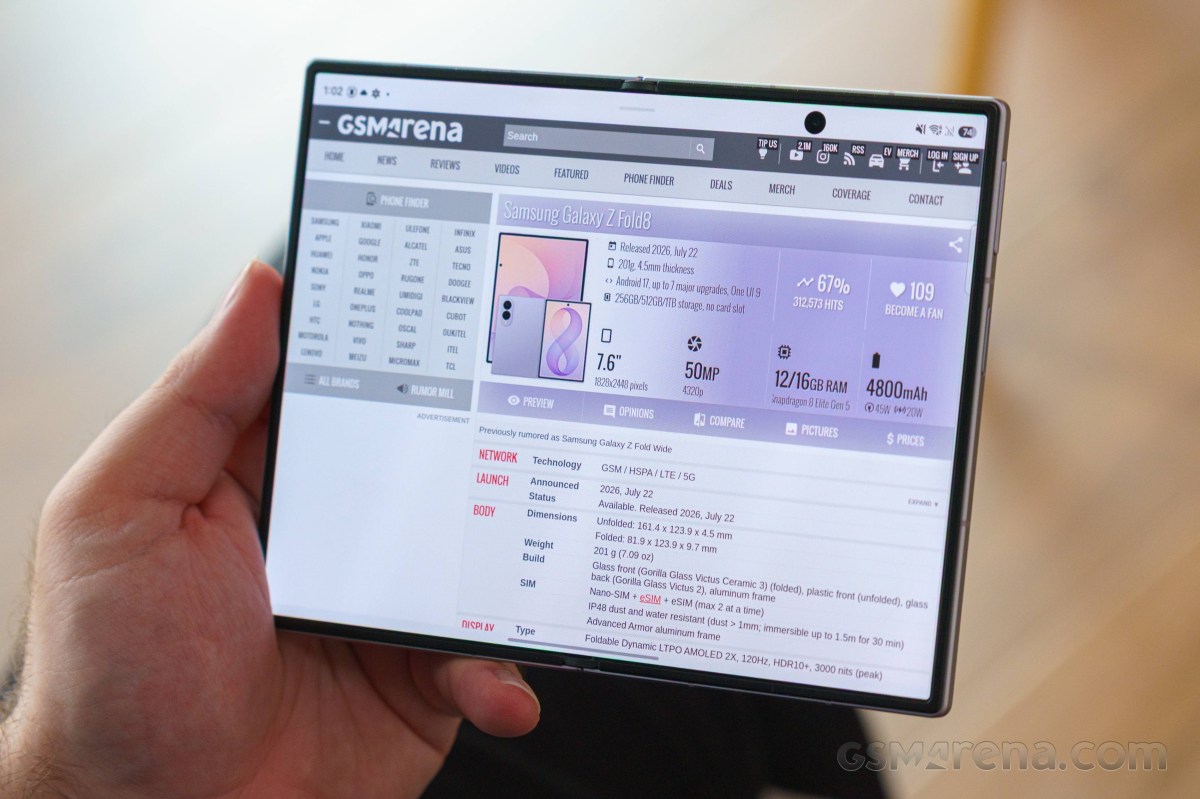
The current pricing for the Galaxy Z Fold8, ranging from $1,650 to nearly $1,900, reflects these high component costs. When supply is restricted, Samsung loses the ability to leverage economies of scale, forcing them to maintain high retail prices to protect margins, which in turn risks alienating the price-sensitive segment of the consumer base.
Official Responses and Industry Outlook
While Samsung has not issued a formal press release detailing the internal strife with UMC, the industry consensus is clear. Analysts monitoring the ZDNet Korea reports suggest that Samsung’s interest in GlobalFoundries is a long-term play for stability.
The strategy involves integrating GF’s 22nm and 28nm production facilities into the supply chain. These nodes are particularly efficient for DDI manufacturing. While the immediate goal is to stabilize the Z Fold8 production line, market experts believe that Samsung intends to utilize these new partnerships to support the high-volume Galaxy A-series by late 2027. By offloading the DDI production for entry-level devices to secondary suppliers like GlobalFoundries, Samsung can ensure that its high-end, high-margin foldable display lines have priority access to its premium foundry partners.
Implications: The Future of Foldable Manufacturing
The current crisis serves as a case study in the risks of "Just-in-Time" manufacturing in a post-globalization era. As Samsung looks toward the future, several implications are clear:
1. Diversification as a Survival Metric
The days of relying on a single foundry for critical components are effectively over. Samsung is transitioning toward a "China+1" or "Global+1" style of procurement, where secondary and tertiary suppliers are kept "warm" even when they are not strictly necessary for baseline volume. This increases overhead but provides a vital insurance policy against the exact type of capacity wall the company hit in September.

2. Vertical Integration Limitations
Despite Samsung being a massive conglomerate with its own display and foundry divisions, the complexity of modern electronics means that no company is truly self-sufficient. Even Samsung, which manufactures its own screens, relies on external foundries for the driver chips that run those screens. This "interdependency" is the new reality of the tech sector.
3. The Impact on Consumer Pricing
Consumers should anticipate that the cost of high-end mobile technology will remain elevated. The effort to diversify supply chains, build redundant manufacturing capacity, and navigate volatile raw material markets is inherently inflationary. As Samsung spends more to secure a reliable supply chain, those costs will inevitably be reflected in the MSRP of future Galaxy Fold and Flip generations.
4. Competitive Dynamics
With the iPhone duo putting pressure on Samsung’s market share, the company has no room for error. The decision to rectify the DDI bottleneck is not just an operational necessity—it is a defensive move to ensure that when a customer decides to switch to a foldable device, the product is actually on the shelf.
Conclusion
The Galaxy Z Fold8 remains a technological marvel, standing at the forefront of the foldable revolution. However, the hardware within the chassis is only as good as the supply chain that provides it. By acknowledging the risks inherent in its reliance on UMC and moving aggressively to onboard partners like GlobalFoundries, Samsung is demonstrating a necessary maturation in its supply chain management.

For the remainder of 2026 and into 2027, the success of the Galaxy brand will depend less on the innovation of the next folding hinge and more on the silent, invisible work of the semiconductor logistics team. Samsung’s ability to stabilize its DDI procurement will be the true test of its market dominance in an era where the components inside the phone are as difficult to secure as the innovations that define them. As the company moves toward the end of the year, investors and consumers alike will be watching to see if these strategic adjustments will finally silence the production shortages that have plagued this successful device cycle.