Navigating the Naming Maze: ZTE’s New Nubia A76 4G Raises Questions and Expectations
In the rapidly evolving landscape of affordable smartphones, brand nomenclature often becomes a source of confusion for the average consumer. ZTE, a veteran player in the mobile communications sector, has recently added another layer to this complexity with the quiet release of a new entry-level device: the Nubia A76 4G. While the device arrives with notable hardware improvements over its predecessors, its debut is shadowed by a naming convention that overlaps with existing models, potentially complicating the buyer’s journey.
Main Facts: The New Contender in the Entry-Level Segment
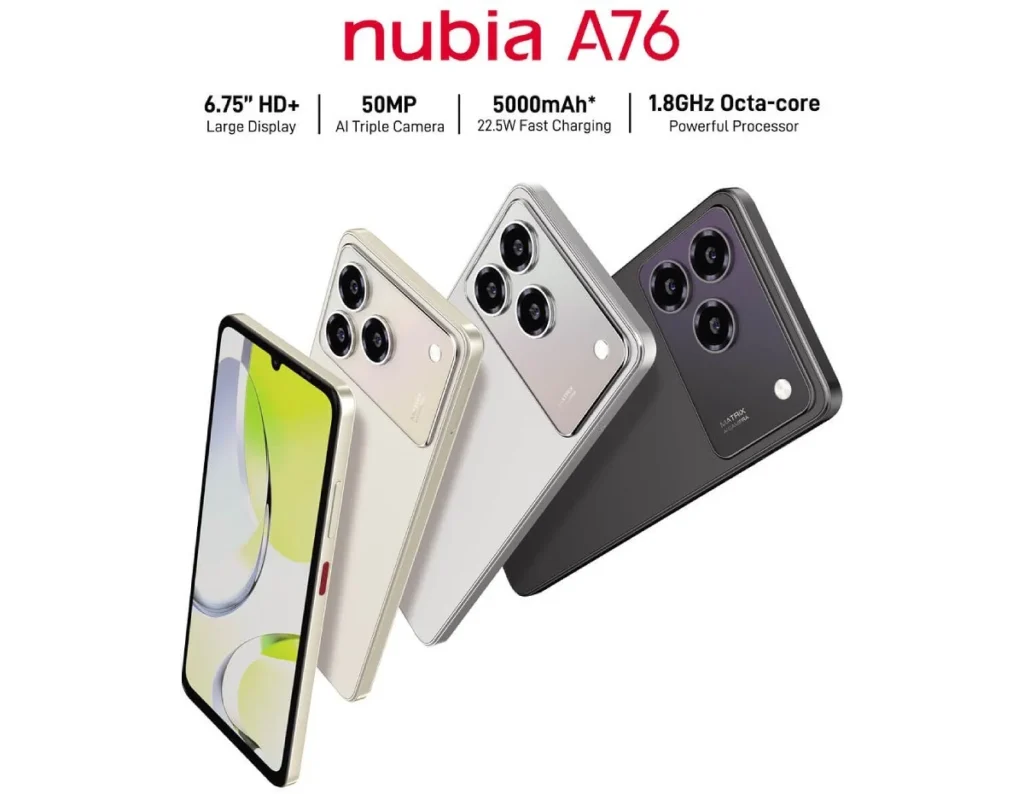
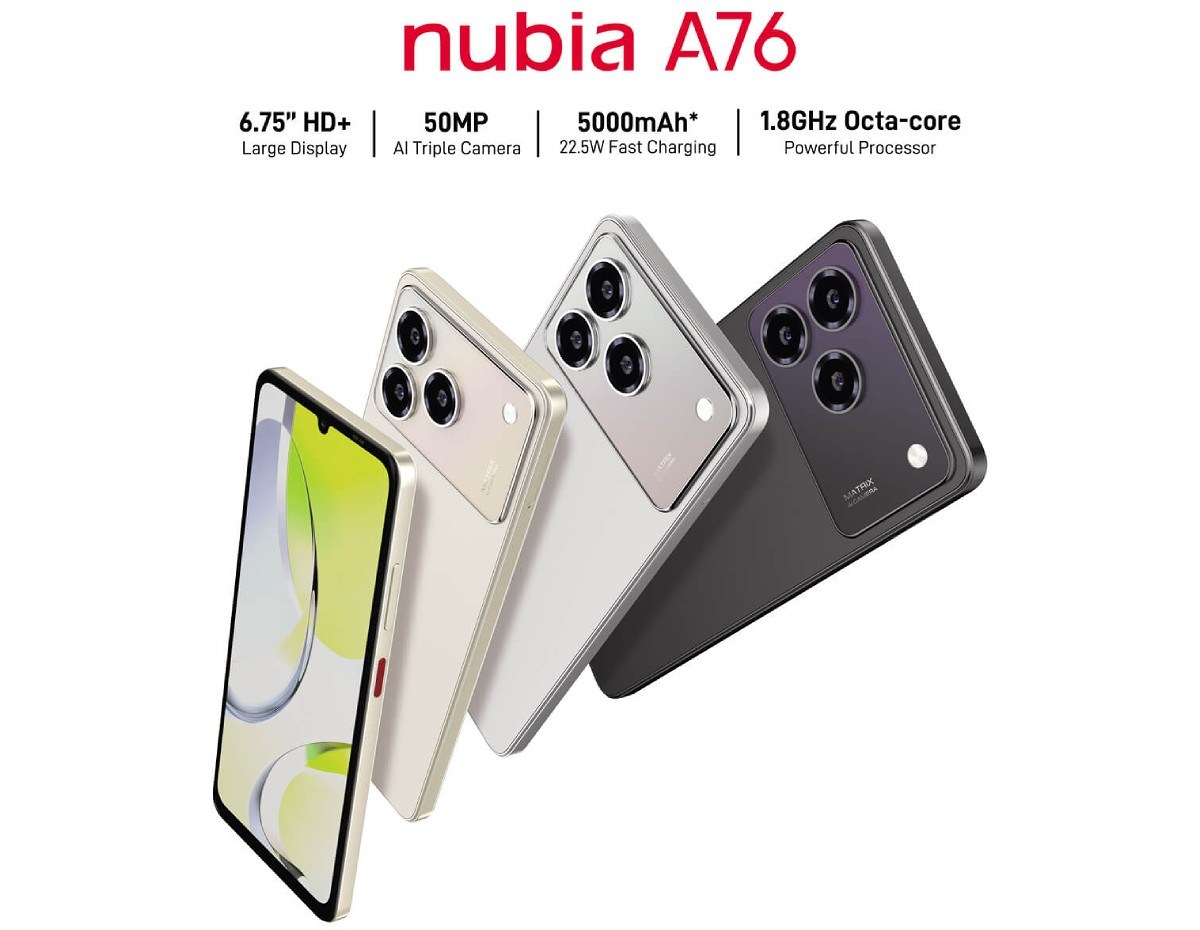
The newly announced ZTE Nubia A76 4G is designed to occupy the budget-friendly space, offering a functional balance of screen real estate and battery efficiency. At its core, the device is built around a 6.75-inch display, a significant upgrade in size compared to the 6.5-inch panel found on the previous iteration of the A76.
While the resolution remains at a standard 720p+ (HD+), the inclusion of a 90Hz refresh rate provides a smoother visual experience than the 60Hz limitations of its predecessor. With a modest brightness rating of 500 nits, the display is tuned for indoor and ambient outdoor use rather than high-intensity sunlight legibility.
Under the hood, the device is powered by an unspecified octa-core processor clocked at 1.8GHz. While ZTE has opted not to disclose the exact chipset architecture, the device is marketed with “4.5G” capabilities. This term, while largely a marketing descriptor rather than a standardized technical specification, implies an optimization of LTE networks to provide faster-than-average data throughput. However, for those seeking the future-proofing of 5G connectivity, ZTE continues to point users toward its higher-tier Nubia A77 series.
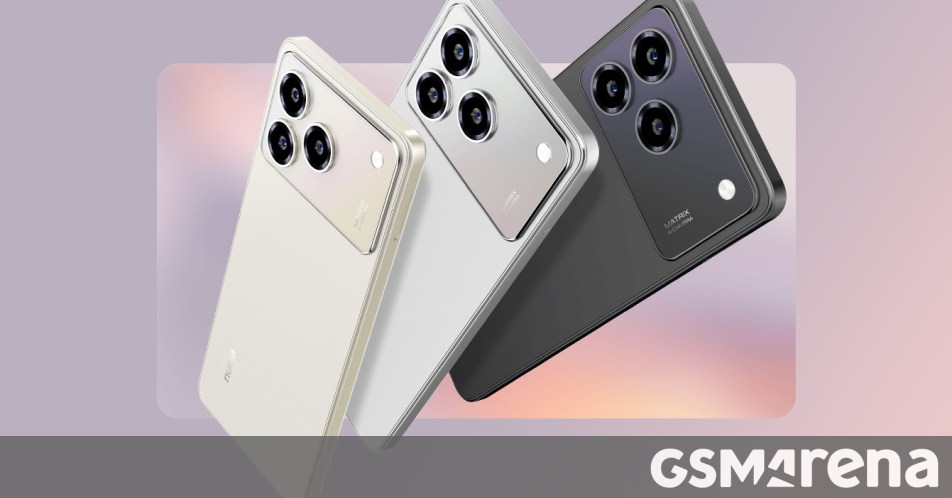
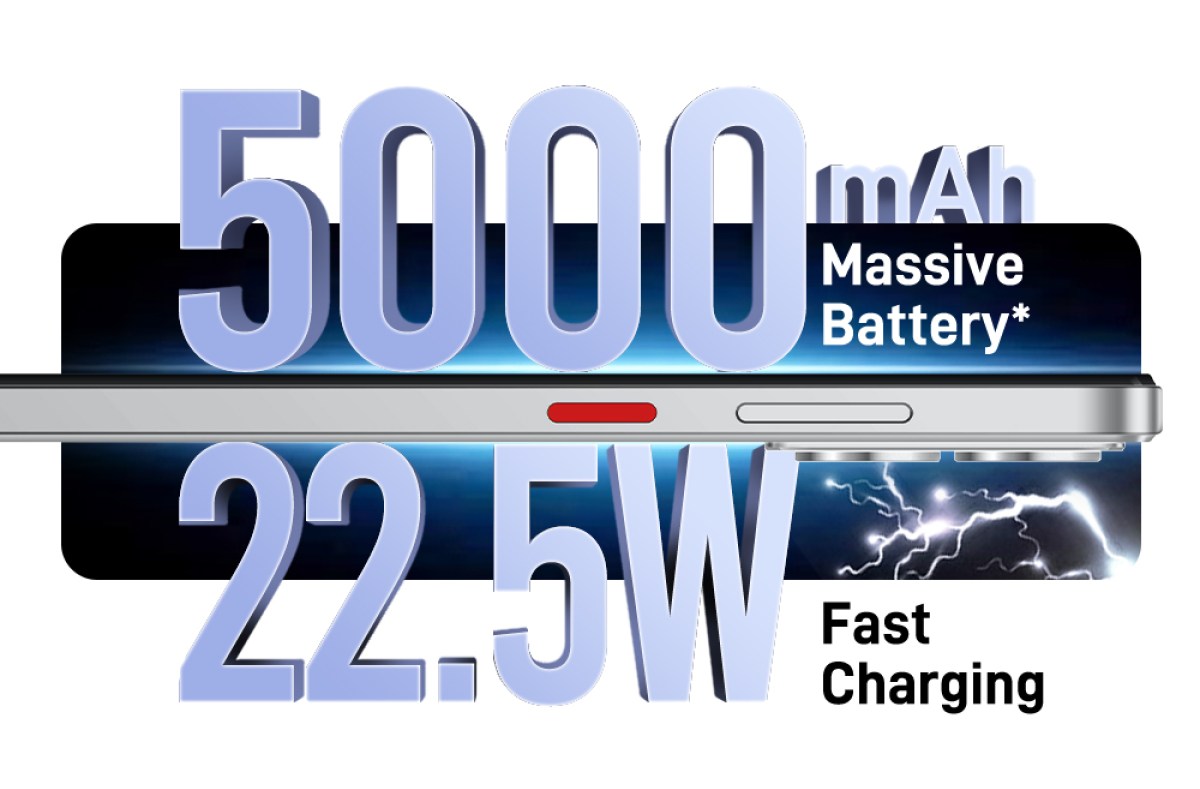
One of the most welcome refinements is the charging capability. Retaining a generous 5,000mAh battery—a staple for devices in this category—the new Nubia A76 now supports 22.5W fast charging. This is a substantial leap from the 10W charging speed that characterized the earlier A76, effectively cutting down downtime for users. Additionally, the device has achieved an ‘A’ rating in the European Union’s energy efficiency certification, a testament to the hardware-software optimization that keeps power consumption in check.
A Chronology of Confusion: Tracking the Nubia A-Series
To understand why the release of the "new" Nubia A76 4G is noteworthy, one must examine the timeline of ZTE’s recent budget portfolio.
The year 2024 began with the launch of the Nubia A75, an entry-level 4G smartphone that established a baseline for the company’s current design language. Following this, the company expanded its footprint with the Nubia A76 4G (the original model) and the Nubia A77 4G.
The initial Nubia A76 4G was characterized by a smaller 6.5-inch 60Hz display and slow 10W charging. Because this original device is still active in various regional markets, the arrival of a second "Nubia A76 4G" has caused considerable ambiguity. This is further complicated by the concurrent existence of the ZTE Blade A76 4G. Industry observers have noted that the specifications of the new Nubia A76 are virtually identical to the Blade A76, suggesting that ZTE is essentially dual-branding the same internal hardware under two different product lines.
This strategy of overlapping nomenclature is not unique to ZTE, but it poses a challenge for consumers who may find themselves looking at two identically named products with vastly different feature sets—the 2024 model with its 60Hz screen versus the new release with its 90Hz display and faster charging.
Supporting Data: Hardware Specifications and Design Language
The design of the new Nubia A76 4G centers on what the company describes as a “flagship-inspired” aesthetic. In practice, this refers to a prominent, full-width camera island that stretches across the rear of the device. This design element provides a sense of visual continuity with current market trends, even if the internal camera hardware remains firmly within the budget segment.
Camera Capabilities
The device features a 50MP "triple camera" system. While the primary 50MP sensor is the highlight, ZTE has remained opaque regarding the specifications of the auxiliary lenses. In the budget segment, such sensors often act as depth or macro assistants, providing functionality rather than high-fidelity imagery.
Power and Efficiency
- Battery Capacity: 5,000mAh (Standard for all-day usage).
- Charging Speed: 22.5W (Improved from 10W).
- Display: 6.75-inch IPS LCD, 90Hz refresh rate.
- Connectivity: 4.5G (LTE-Advanced).
- Colorways: Carbon Black, Polar Grey, and Sand Gold.
The color palette reflects a sophisticated approach to entry-level design, moving away from overly vibrant, plastic-looking finishes toward more muted, professional tones that appeal to a broader demographic.
Official Responses and Market Strategy
ZTE has not issued a formal clarification regarding the naming overlap, which is standard procedure for manufacturers that manage multiple regional sub-brands. However, the company’s marketing literature emphasizes the value proposition of the device. By positioning the new Nubia A76 4G alongside the Blade A76 4G, ZTE is signaling that it aims to capture market share through high-volume, low-margin hardware that prioritizes battery life and screen size over raw processing power.
The decision to focus on “4.5G” rather than 5G is a strategic choice for emerging markets where 5G infrastructure is still maturing. By keeping the price point accessible—similar to the Blade A76’s pricing, which floats around the €150 mark on major e-commerce platforms—ZTE ensures that the A76 remains an attractive option for consumers upgrading from feature phones or aging entry-level smartphones.
Implications: What This Means for the Consumer
The introduction of the new Nubia A76 4G has several implications for the mobile market.
1. The Death of Simplicity in Budget Phones
As manufacturers pack more features into lower price points, the distinction between models becomes increasingly blurred. Consumers must now pay closer attention to technical sheets rather than model names alone. The "A76" name is no longer a reliable indicator of specific hardware, as it now represents two distinct generations of technology.
2. Value-Added Upgrades
Despite the naming confusion, the upgrade from 10W to 22.5W charging and the move to a 90Hz display are objective improvements. For the average user, these changes represent a tangible increase in daily usability. The move toward higher energy efficiency (the ‘A’ rating) also suggests that ZTE is responding to international regulatory pressures and consumer demand for more sustainable, long-lasting devices.
3. The Convergence of Nubia and Blade
The fact that the Nubia A76 and the Blade A76 are essentially the same device indicates a streamlining of ZTE’s manufacturing process. By producing one core device and branding it under two different monikers, the company can maximize economies of scale, reducing production costs and allowing for the aggressive pricing necessary to compete in the sub-€200 bracket.
4. Future Outlook
The release of this device sets a clear expectation for the remainder of the year: ZTE will continue to iterate on the "A" series by bringing higher refresh rates and faster charging to the entry-level tier. For those currently shopping, the advice is clear: prioritize the specifications (the 6.75-inch screen and 22.5W charging) over the model name.
In conclusion, while the naming situation of the new ZTE Nubia A76 4G is undoubtedly messy, the device itself represents a solid, if iterative, step forward for the budget market. It offers a larger, more responsive display and more efficient power management, proving that even at the entry-level, the pace of technological improvement remains relentless. Consumers who can look past the nomenclature are likely to find a capable device that hits the sweet spot between affordability and modern functionality. As always, prospective buyers should verify the specific technical sheet of the unit they are purchasing, ensuring that they are securing the latest, higher-spec version of the A76 rather than the legacy model.