The AI Shift: Mastering Layout Design, Building Custom Apps, and Major Industry Updates
As the digital landscape races forward, artificial intelligence continues to redefine how marketers, creators, and developers work. From prompt-based layout design to zero-code software creation and monumental updates from industry giants like Google, Meta, and OpenAI, the pace of innovation shows no signs of slowing down.
In this comprehensive roundup, we explore the essential workflows, tactical frameworks, and major tech developments that are shaping the future of business and digital marketing.
Main Facts: Key Developments in AI and Digital Marketing
The current wave of artificial intelligence is moving past the experimental phase and deep into practical, everyday implementation. Professionals are no longer just testing isolated chatbots; they are overhauling foundational workflows.
- Layout Design Efficiency: When utilizing AI for design work, accepting the first generated iteration is a critical bottleneck. Requesting multiple distinct iterations from the initial prompt drastically accelerates the path to a polished asset.
- Democratized Software Development: Non-technical professionals are increasingly replacing expensive, off-the-shelf software subscriptions with custom, hyper-specific AI-generated tools built to solve niche business problems.
- Google’s Ecosystem Evolution: Google is phasing out "Gems" in favor of globally integrated "Skills" within Gemini chat, enabling seamless workflow automation. Concurrently, Google has launched Gemini 4 Argon, an advanced model focused on long-horizon reasoning and advanced cybersecurity operations.
- Meta’s Interoperability Push: Meta is partnering with industry leaders to introduce the Personal Agent Protocol, creating an open standard for secure communication between personal AI assistants and business platforms.
- OpenAI’s Commercial Expansion: OpenAI is expanding its advertising ecosystem on ChatGPT by introducing visual ad formats during image generation, alongside advanced full-funnel measurement and brand safety controls.
Chronology: The Evolution of Recent AI Capabilities
The past few months have marked a significant turning point in how AI interacts with human workflows, codebases, and consumer products.

- Phase 1: The Tutorial Era (Late 2025): Professionals heavily relied on reading threads, saving tutorials, and exploring isolated AI tools. While awareness of AI’s theoretical capabilities skyrocketed, practical daily integration remained fragmented.
- Phase 2: Workflow Integration and Design Automation (Early 2026): Focus shifted from simple text generation to visual execution. Creators began using tools like Claude Design to generate layout options, prompting the realization that iterative multi-prompting yields superior creative results compared to single-prompt editing.
- Phase 3: The Rise of "Vibe Coding" and Custom Apps (Mid 2026): Non-technical strategists and marketers began utilizing platforms like Lovable and advanced code generators like Claude Code to build bespoke software solutions, bypassing traditional development teams.
- Phase 4: Enterprise-Grade Infrastructure and Governance (Late 2026 – Present): Major technology platforms began standardizing their AI offerings. Google rolled out Gemini Skills and Gemini 4 Argon; Meta initiated cross-industry agent protocols; and OpenAI scaled its advertising and measurement architecture.
Supporting Data and Strategic Frameworks
Transitioning from theoretical knowledge to daily execution requires proven methodologies. Industry practitioners are establishing concrete frameworks to harness AI effectively without falling into common efficiency traps.
1. The Multi-Iteration Layout Framework
When designing with AI, the temptation is to treat the initial output as a canvas to be endlessly edited. According to design workflows highlighted by experts like Michael Stelzner, this approach often leads to creative gridlock.
- The Solution: Force the AI to produce 3 to 5 distinct layout styles in the very first prompt.
- The Safety Net: Always duplicate your design workspace and append today’s date to the file name before making radical structural changes. This ensures a reliable rollback point if the AI loses track of contextual instructions.
2. Building Custom Apps: "Start With a Skateboard, Not a Ferrari"
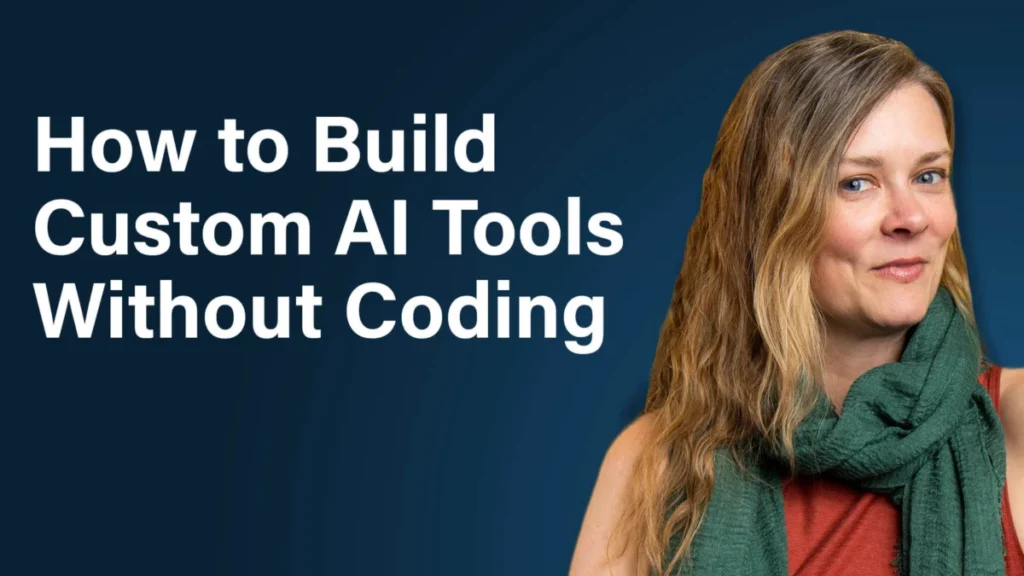
According to Erika Stanley, AI strategist and host of the AI Queens podcast, non-technical creators can successfully replace costly, bloated software subscriptions by building custom applications tailored to a "market of one." However, scaling too quickly can stall a project.
- The Product Scope: Begin with a minimum viable build that solves a single, painful workflow problem rather than attempting to construct an all-in-one platform.
- The Discovery Document: Before opening any build platform, have an AI interview you to generate a detailed product requirements document—the exact blueprint software developers traditionally request. Completing this step upfront prevents costly scope creep.
- Platform Selection: Understand the distinction between all-in-one "vibe coding" platforms (such as Lovable) and code-centric environments (like Claude Code). Ensure core authentication and data backup protocols are established from day one to protect against accidental code wipes.
Official Responses and Platform Updates
Major tech companies have rolled out sweeping updates designed to streamline enterprise workflows, secure digital infrastructure, and expand monetization models.
Google: Reusable Skills and Gemini 4 Argon
Google is overhauling how users automate tasks within Gemini chat by introducing Skills.
- Functionality: Skills allow users to save frequently used instructions, incorporate reference files, and execute automated workflows across recurring tasks. These skills can combine personal writing preferences with strict brand guidelines. Google is also actively migrating existing Gems to this new framework while preparing wider Workspace integration.
- Enterprise Security: In the developer and security sphere, Google debuted Gemini 4 Argon. Trained specifically for long-horizon reasoning and defensive cyber operations, Argon is currently being piloted through the Fairwind Program to help security teams autonomously detect, validate, and patch critical vulnerabilities.
Meta: The Personal Agent Protocol
Meta, in collaboration with Sierra and various commerce and customer experience partners, previewed the Personal Agent Protocol.

- The Goal: Establish a universal standard for how personal AI agents (such as Muse) interact with corporate databases, payment gateways, and customer support systems.
- Control and Identity: The open standard gives businesses granular control over authentication, brand identity, and API boundaries, paving the way for streamlined, agent-driven commerce.
OpenAI: Expanding ChatGPT Ads and Brand Suitability
OpenAI continues to mature its monetization strategy by broadening its advertising platform within ChatGPT.
- Visual Formats: Ads will now feature visual formats integrated during image generation, allowing brands to showcase products naturally as users explore concepts.
- Measurement and Safety: OpenAI has partnered with an expanded ecosystem to offer deeper conversion attribution and full-funnel measurement, backed by independent evaluation pilots to ensure strict brand suitability and conversation privacy.
Implications for Marketers and Business Leaders
The convergence of advanced AI models, automated workflows, and accessible application development signals a fundamental shift in how digital businesses operate.

- The Rise of the Hybrid Professional: Marketing strategy and AI technical execution can no longer operate in silos. Professionals who understand both high-level campaign planning and prompt-driven execution—or custom app building—will hold a massive competitive advantage.
- Operational Cost Reduction: By utilizing AI to build single-purpose custom software and automating repetitive tasks via Gemini Skills, businesses can drastically trim their Software-as-a-Service (SaaS) expenditures.
- The Necessity of Practical Mastery: Simply consuming passive content, reading threads, and hoarding tutorials is no longer sufficient. True expertise is forged through hands-on practice, live workshops, and direct implementation within active business environments.
As platforms like Google, Meta, and OpenAI continue to build out shared infrastructure, enterprise security protocols, and visual monetization tools, organizations must adapt quickly. Moving from passive observers to active builders is the definitive key to thriving in the AI-driven economy.