Amazon Unveils ‘Bee’ Personal AI: A New Frontier in Ambient Computing and Privacy
In a bold expansion of its ambient computing ecosystem, Amazon has officially entered the personal AI hardware market with the launch of the "Bee" lineup. Comprising two distinct form factors—the Bee Frontier wearable and the Bee Eclipse phone attachment—these devices are designed to act as persistent, intelligent companions that capture, transcribe, and analyze the spoken word. By transforming real-world interactions into structured digital insights, Amazon is betting that users are ready to outsource their memory, to-do lists, and organizational tasks to an always-listening artificial intelligence.
Main Facts: Meet the Bee Ecosystem
The Bee project represents a departure from traditional smart speakers like the Echo, moving the intelligence away from the home and onto the person.
The Bee Frontier
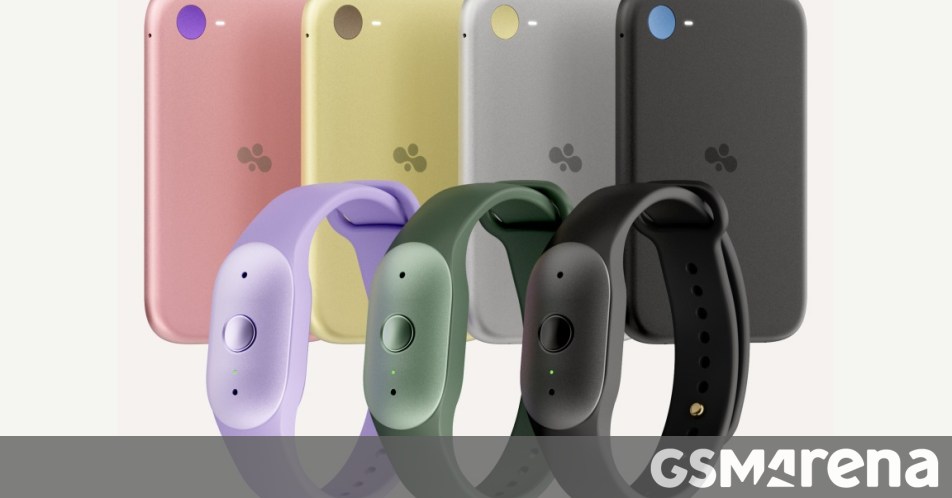
The Bee Frontier is a compact, versatile wearable designed for on-the-go capture. Users can wear it on a soft, skin-friendly silicone wristband or clip it directly onto clothing. Available in three colorways—Lavender, Sage, and Onyx—the device is built for durability with an IP67 water-resistance rating. Internally, it houses a dual-microphone array enhanced by sophisticated noise-filtering technology to isolate voices in crowded environments. With a battery life spanning seven days and modern USB-C charging, the Frontier is currently available for $74.99, positioning it as an entry-level gateway into the Bee ecosystem.
The Bee Eclipse
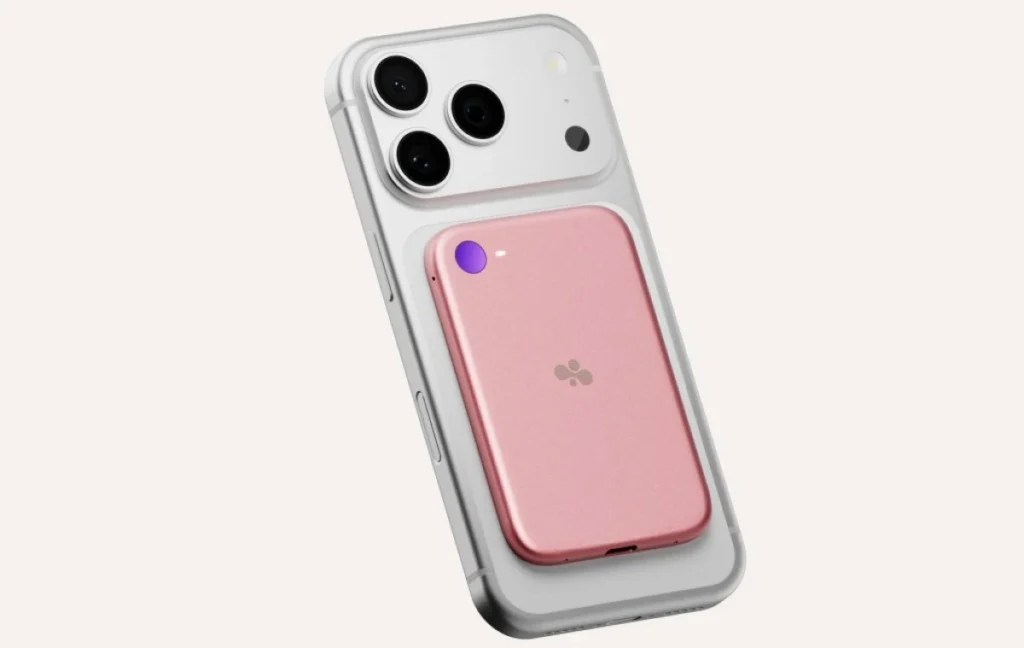
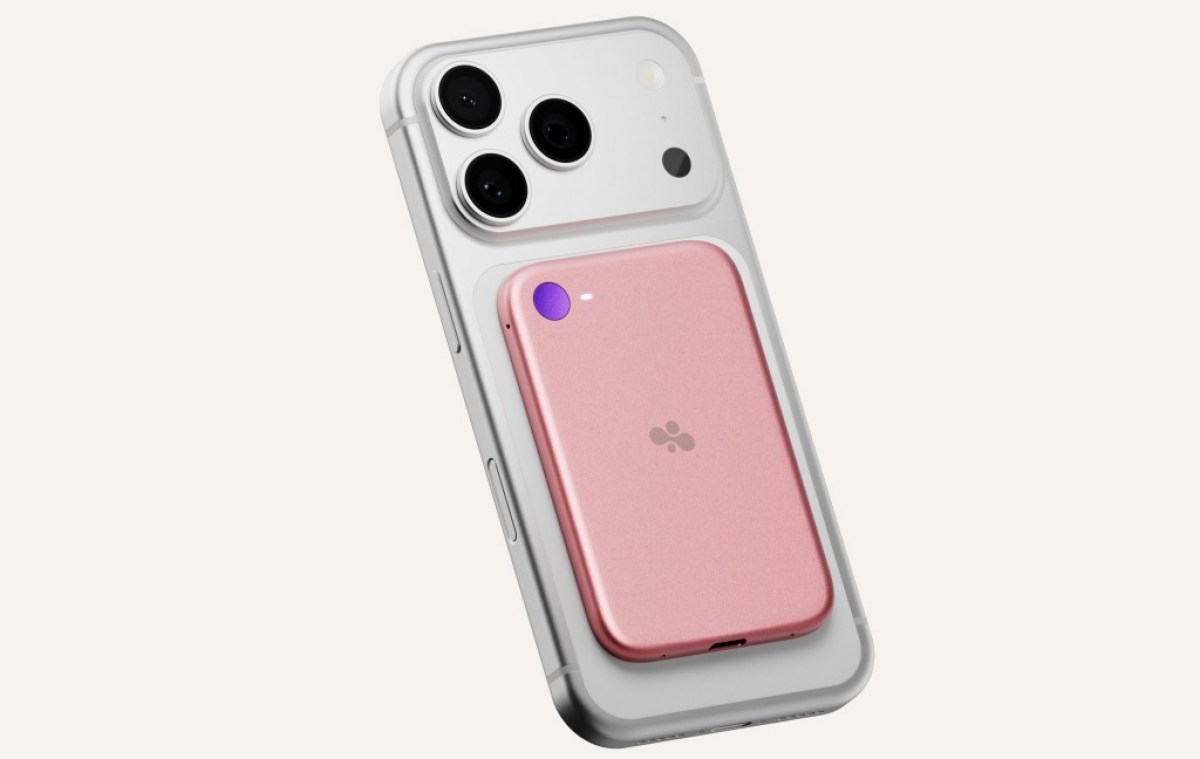
Targeting the power user, the Bee Eclipse is a sleek, credit-card-sized peripheral that attaches magnetically to the back of a smartphone. Weighing only 48.9 grams and measuring just 4.6mm in thickness, it is designed to be unobtrusive. Its hardware profile is more robust than the Frontier, featuring four MEMS microphones paired with a dedicated vibration microphone, which allows the device to capture both sides of a phone conversation clearly. Boasting a staggering 21-day battery life, the Eclipse is set to retail for $99.99 in Silver, Midnight, Honey, and Blush.
The Software Core
Both devices feed data into the centralized Bee app, which is available on mobile and desktop. The software automatically generates summaries, extracts action items, and organizes thoughts using pre-configured templates tailored for specific scenarios, such as academic lectures or corporate brainstorms. For those seeking deeper integration, Amazon offers the "Bee Pro" subscription service ($11.99/month or $99/year). This tier unlocks integrations with Gmail, Google Calendar, Microsoft Outlook, Apple HealthKit, and Photos. Furthermore, Pro users gain access to "Alexa+," a more advanced conversational AI capable of providing real-time shopping suggestions based on the context of the user’s conversations.
Chronology: The Evolution Toward Ambient Intelligence
Amazon’s journey to the Bee devices was not an overnight endeavor. For years, the company has experimented with "ambient computing"—the concept that technology should be present but invisible, responding to user needs without requiring active input.
- Early 2020s: Amazon began refining its natural language processing (NLP) capabilities within the Echo ecosystem, shifting from simple voice commands to "context-aware" interactions.
- Late 2023: Internal rumors of "Project Bee" began circulating, suggesting Amazon was looking to decouple its AI from stationary smart speakers.
- Mid-2024: The development of the "Bee Private Compute" architecture became the primary hurdle, as Amazon sought to distinguish its product from competitors who faced significant criticism regarding data privacy.
- October 2026: Official announcement of the Bee Frontier and Bee Eclipse. Amazon scheduled the rollout for immediate purchase for the Frontier, with the Eclipse following in a staggered global release.
Supporting Data: Technical Specifications and Integration
The technical architecture of the Bee ecosystem is designed to minimize friction. By offloading the "listening" to a dedicated hardware device, the phone’s own microphone is freed up, and the computational burden on the mobile processor is reduced.
| Feature | Bee Frontier | Bee Eclipse |
|---|---|---|
| Primary Use | Wearable (Wrist/Clip) | Phone Attachment (Magnetic) |
| Battery Life | Up to 7 Days | 21+ Days |
| Microphones | Dual Mic w/ Noise Filtering | 4 MEMS + 1 Vibration Mic |
| Dimensions | Portable/Compact | Credit-card size (4.6mm thin) |
| Price | $74.99 | $99.99 |
The integration capabilities provided by the Bee Pro subscription represent a major shift in how personal data is synthesized. By connecting with the user’s digital life—calendars, emails, and health data—the Bee app essentially becomes a "second brain." For example, if a user mentions needing to buy milk during a conversation with a family member, the Bee app can automatically add it to an Amazon shopping list or suggest a reorder through the Alexa+ interface.
Official Responses: Addressing the Privacy Elephant in the Room
Amazon recognizes that a device designed to listen to conversations is inherently contentious. During the press launch, Amazon executives emphasized "Bee Private Compute." According to the company, all audio processing occurs in real-time on the local hardware. Once the transcript is generated, the raw audio is deleted and never stored on Amazon’s servers.
"Privacy is the foundation of the Bee experience," a spokesperson stated. "We have engineered these devices so that the transcripts are encrypted with keys generated exclusively on the user’s hardware. Even Amazon does not hold the keys to decrypt your personal conversations unless you explicitly grant us access for specific, user-initiated features."
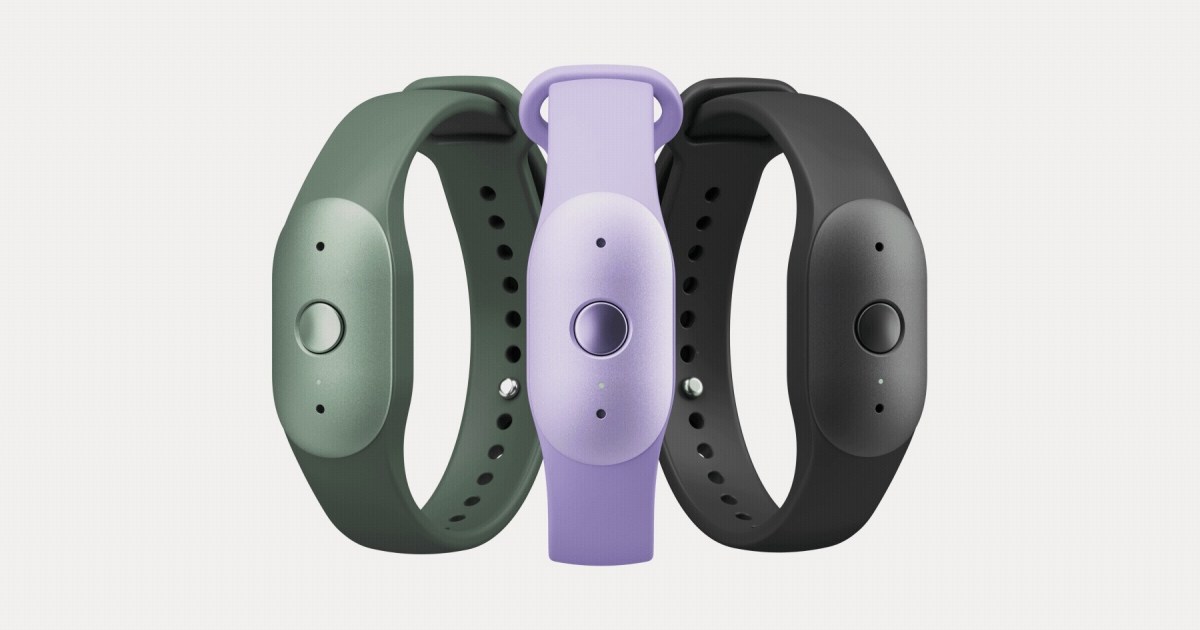
Furthermore, the hardware includes physical safeguards. Each device features a prominent, user-controlled power button and a clear, visible LED status light that indicates when the device is actively recording. The Frontier also includes a software-level auto-shutoff feature, which powers down the microphone array after a prolonged period of silence to prevent accidental recording.
Implications: A New Social Contract
The introduction of Bee raises significant questions regarding the social and legal landscape of privacy. As these devices become more common, the burden of etiquette shifts to the user. Amazon has been clear in its documentation: the responsibility for compliance with local consent and recording laws rests entirely with the individual owner.
The Legal and Ethical Gray Zones
Consent laws regarding audio recording vary wildly by jurisdiction. In some regions, "two-party consent" is required, meaning all participants in a conversation must be notified and agree to be recorded. Amazon’s decision not to include automated, proactive consent-seeking features in the hardware puts the user in a precarious position. Will users be forced to offer a verbal disclaimer every time they enter a meeting or start a casual chat? The social friction of doing so may prove to be the biggest barrier to the device’s adoption.
The Future of "Active Memory"
Beyond privacy, the Bee ecosystem signals a fundamental shift in how we document our lives. We are moving toward an era of "total recall," where the ephemeral nature of spoken conversation is replaced by a permanent, searchable archive. This has massive implications for productivity—enabling instant recall of brainstormed ideas or complex project requirements—but it also challenges the human tendency to forget, which some psychologists argue is vital for mental health.
The Competitive Landscape
Amazon is not alone in this space. Other startups and tech giants are experimenting with AI-powered pendants and pins. However, Amazon’s advantage lies in its existing ecosystem. By leveraging Alexa+, Amazon Pay, and its vast retail infrastructure, the company is not just selling a device; it is selling a highly integrated personal assistant that promises to streamline the chaos of modern life.
Conclusion: Is the Bee Right for You?
The Amazon Bee Frontier and Bee Eclipse are marvels of modern engineering, packing significant computational power into tiny, accessible form factors. For the busy professional, the student juggling lecture notes, or the individual looking to reclaim their time, the Bee promises to turn the noise of daily life into actionable clarity.
However, the success of these devices will likely hinge on trust. If Amazon can successfully demonstrate that its "Private Compute" architecture is truly unassailable, and if users can navigate the social complexities of recording others, the Bee could define the next decade of personal technology. As we stand on the precipice of this new, always-listening era, one thing is certain: our conversations are about to become the most valuable data we possess.