Apple’s Next Chapter in Smart Audio: A Comprehensive Look at the Anticipated HomePod Mini 2
Since its debut in October 2020, Apple’s HomePod Mini has occupied a unique space in the smart speaker ecosystem. By balancing high-fidelity sound, deep integration with the Apple ecosystem, and an accessible price point, the device quickly became a staple in modern smart homes. Now, four years after its initial launch, the rumor mill has reached a fever pitch. Recent reports, fueled by discovery within Apple’s own internal code, suggest that a successor—the HomePod Mini 2—is not only in development but likely nearing a formal market release.
Main Facts: The Evolution of Design and Internal Hardware
The most compelling evidence regarding the HomePod Mini 2 comes from recent findings by MacRumors, which unearthed references to the device within Apple’s proprietary software code. This discovery provides the clearest indication yet of what users can expect from the next iteration of Apple’s pint-sized powerhouse.
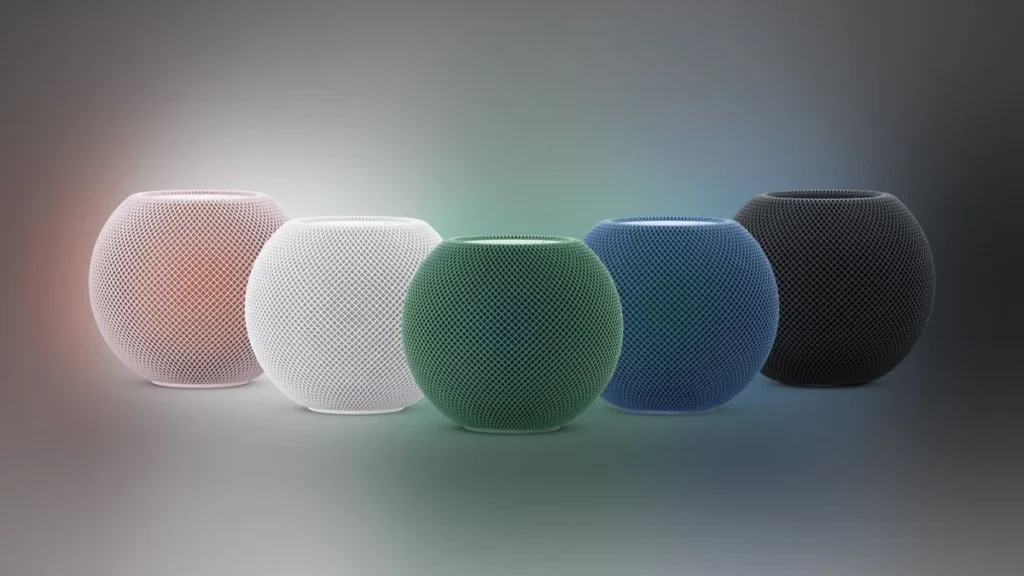
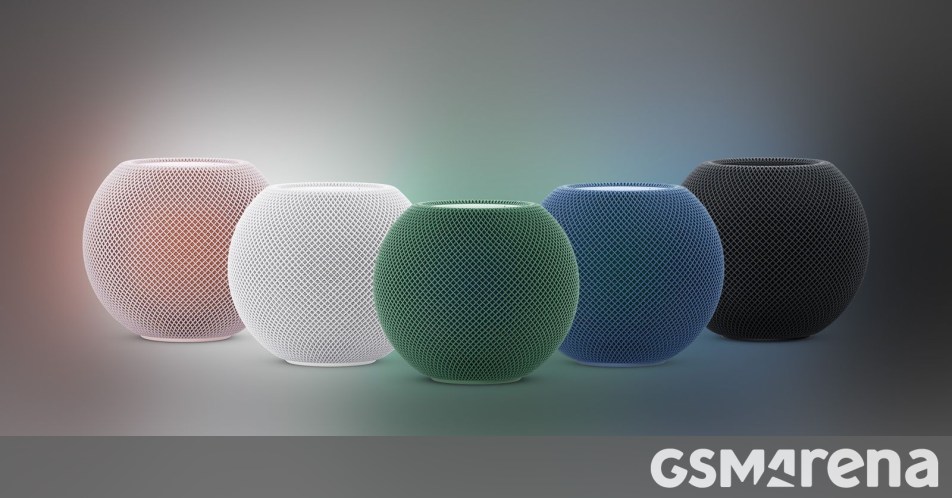
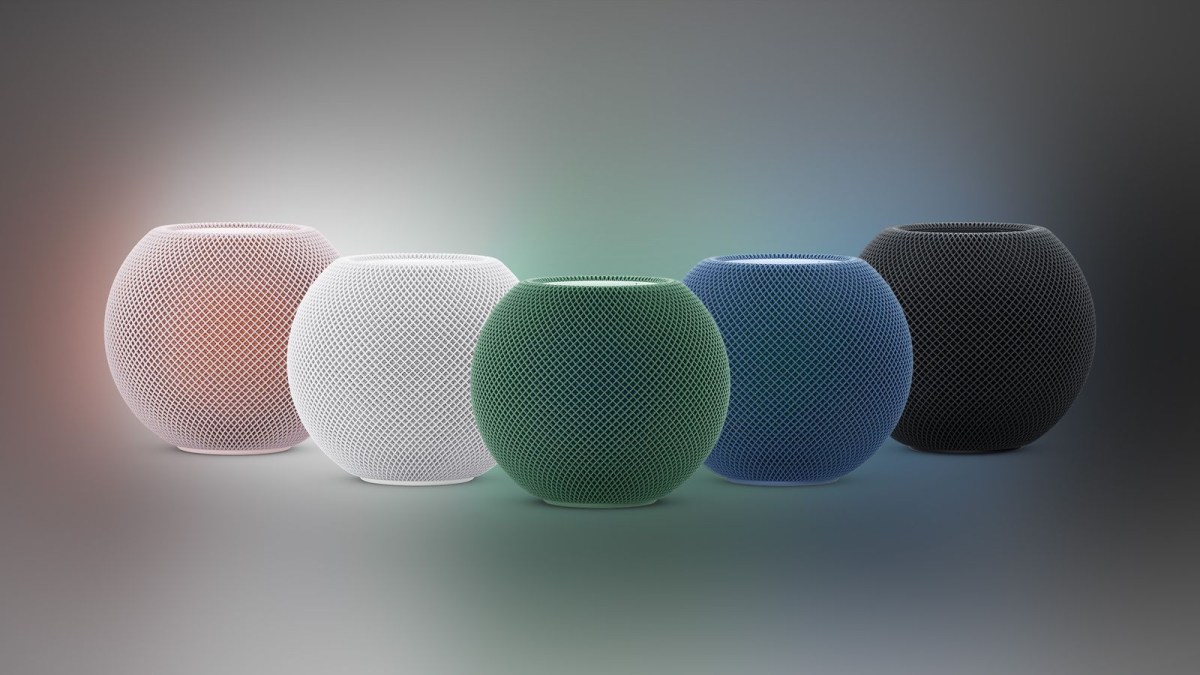
At the center of this leak is a visual representation of the device, which confirms a significant refresh to the HomePod Mini’s color palette. While the original model became iconic for its initial White and Midnight (Space Gray) finishes, later iterations introduced a bolder, more vibrant aesthetic with Blue, Orange, and Yellow. The leaked imagery for the HomePod Mini 2 suggests that Apple is refining this approach. The new lineup is expected to include Pink, White, Green, Blue, and Midnight. Notably, Pink and Green are entirely new additions to the HomePod family, while the Blue hue appears to be a slightly lighter, more pastel iteration compared to its predecessor.
Beyond aesthetics, the device is expected to receive a substantial internal overhaul. Industry insiders suggest the inclusion of a next-generation silicon chip. The original HomePod Mini utilized the S5 chip—the same processor found in the Apple Watch Series 5. Moving to a more modern, efficient chip would not only improve the speaker’s responsiveness but also facilitate more complex on-device processing.
Perhaps the most significant addition will be the integration of advanced Siri AI capabilities. As Apple pivots toward "Apple Intelligence" and more conversational, context-aware AI, the HomePod Mini 2 is expected to serve as a localized hub for these features, allowing for more intuitive smart home management and voice assistance.
A Chronological Perspective: From 2020 to the Present
The journey of the HomePod Mini has been one of gradual expansion and strategic refinement. Understanding this timeline is essential to appreciating the significance of the upcoming refresh.
2020: The Foundation
In October 2020, Apple disrupted the smart speaker market by unveiling the HomePod Mini. At $99, it offered a compelling alternative to competitors from Amazon and Google, emphasizing privacy, audio quality, and the "Intercom" feature that allowed for seamless communication between Apple devices.
2021–2022: Expanding the Palette
Recognizing that smart speakers are often displayed as home decor, Apple expanded the visual appeal of the HomePod Mini in November 2021. By introducing Yellow, Orange, and Blue, the company signaled that it viewed the device as a lifestyle product rather than just a piece of utility hardware. This era solidified the HomePod Mini’s reputation as a customizable, high-fashion tech accessory.
2023–2024: The Strategic Silence
Following the re-introduction of the larger HomePod (2nd Generation) in early 2023, the HomePod Mini remained the entry-level standard. For nearly two years, the device saw no hardware changes, leading to widespread speculation that a "Pro" version or a "Mini 2" was inevitable.
2025: The Discovery
The current cycle of rumors began in earnest throughout 2025, culminating in the late-year code discovery that confirmed the existence of the HomePod Mini 2. The appearance of the device in firmware files suggests that the design phase is complete and the product is likely moving into the final stages of pre-production.
Supporting Data: Why an Update is Necessary
The case for the HomePod Mini 2 is supported by both technological obsolescence and market demand. While the original HomePod Mini remains a capable device, the landscape of home automation has shifted dramatically since 2020.
The Need for Processing Power
The original S5 chip was designed for a wearable device. As Apple introduces more sophisticated Siri commands—many of which rely on Large Language Models (LLMs)—the memory and processing requirements have outstripped the capacity of the original Mini. A newer chip, potentially based on the S9 or S10 architecture, would provide the "neural engine" overhead necessary to keep the HomePod relevant in an AI-first world.
Connectivity and Standards
The smart home market has largely coalesced around the "Matter" protocol and "Thread" networking. While the original HomePod Mini supports these, a successor would likely feature an upgraded Thread radio, providing better range and more reliable connectivity for mesh networking. This is crucial for users who manage dozens of smart bulbs, locks, and sensors through their HomePod.
Audio Fidelity
While the original HomePod Mini is lauded for its size-to-sound ratio, computational audio has advanced significantly. Users are demanding a wider soundstage and better bass response. A new chassis, potentially utilizing better acoustic materials or a more efficient driver array, would allow Apple to compete with higher-end audio brands that have recently entered the space.
Official Responses and Corporate Strategy
Apple has historically maintained a policy of strict silence regarding unannounced products. As of now, the company has not issued a press release or an official comment regarding the HomePod Mini 2. However, the company’s recent trajectory—specifically its push into "Apple Intelligence"—provides a clear window into their strategic intent.
During recent quarterly earnings calls, Apple executives have emphasized the importance of the "home ecosystem" as a growth vertical. By positioning the HomePod Mini 2 as a core component of the Apple Intelligence experience, the company is aiming to tie the smart home experience more tightly to the iPhone and Mac. If the Siri AI updates rumored for the Mini 2 come to fruition, it would signify a major shift in how Apple positions its hardware: moving from a simple "voice assistant" device to a "proactive home intelligence" device.
Implications: What This Means for the Market
The potential launch of the HomePod Mini 2 has far-reaching implications for consumers and competitors alike.
For the Consumer
For existing users, the transition to a new model will likely be seamless. Apple’s ecosystem thrives on the "it just works" philosophy, and the HomePod Mini 2 is expected to integrate into the Home app with the same simplicity as its predecessor. The introduction of new colors like Pink and Green suggests that Apple is doubling down on the "home decor" angle, encouraging users to purchase multiple units for different rooms to match their interior design.
For the Competition
Competitors like Amazon (Echo) and Google (Nest Audio) have been aggressive in discounting their hardware to gain market share. Apple’s strategy has historically been different; they focus on premium experiences and ecosystem lock-in. By upgrading the internal silicon and adding AI capabilities, Apple is effectively raising the bar for what a "smart" speaker should be. If Apple can keep the price near the $99–$129 range, it could force competitors to either absorb the cost of adding more expensive AI-capable chips or risk being left behind in the "smart" race.
Future-Proofing the Smart Home
Perhaps the most significant implication is the long-term support. A device released in 2026 will be supported by software updates for many years, ensuring that users aren’t left with an "abandoned" device as Apple continues to refine its AI offerings. This longevity is a key selling point for Apple, differentiating the HomePod from cheaper, disposable smart speakers that often lack sustained software updates.
Looking Ahead: The Expected Launch
Given that Apple famously unveiled the original HomePod Mini in October, industry analysts are pointing toward a similar window for the launch of the HomePod Mini 2. A release in October 2026 would align perfectly with the holiday shopping season—a time when smart home hardware sees its highest volume of sales.
As we await an official invitation to an Apple event, the evidence continues to mount. Between the leaked imagery, the inclusion of new, vibrant color options, and the necessity of upgrading internal silicon to support the next generation of AI, the HomePod Mini 2 is shaping up to be a critical release. Whether it will simply be a "refreshed" speaker or a true leap forward in home automation remains to be seen, but one thing is certain: Apple is ready to make the home even smarter.