AWS Revolutionizes Certificate Lifecycle Management with Native ACME Support in ACM
In a significant move to simplify the increasingly complex landscape of web security, Amazon Web Services (AWS) has announced the integration of the Automatic Certificate Management Environment (ACME) protocol directly into AWS Certificate Manager (ACM). This development marks a pivotal shift for organizations struggling with the tightening constraints of TLS certificate validity, offering a centralized, fully managed solution for automated issuance and renewal.
Main Facts: Automating the Trust Chain
The integration of ACME into ACM allows developers and system administrators to leverage the industry-standard ACMEv2 protocol to manage public TLS certificates issued by Amazon Trust Services. Previously, users seeking automated certificate workflows often had to rely on third-party certificate authorities (CAs) or complex "glue" code to bridge the gap between their infrastructure and AWS.

With this update, any ACME-compatible client—such as Certbot, cert-manager for Kubernetes, or acme.sh—can now interact directly with an AWS-managed endpoint. This eliminates the need for manual intervention, reduces the risk of human error, and provides a unified dashboard for tracking certificate lifecycles across an entire AWS footprint. By bringing ACME into the native AWS ecosystem, the company is effectively lowering the barrier to entry for robust, automated Transport Layer Security (TLS) implementations.
The Chronology of a Security Mandate
The urgency behind this release is driven by a broader industry shift toward shorter certificate lifecycles. For years, the standard validity period for a TLS certificate was three years, then two, and finally one year. However, the Certification Authority/Browser (CA/B) Forum has set a clear trajectory toward even shorter durations.

- The 2027 Milestone: Starting in March 2027, the CA/B Forum will mandate a reduced maximum validity period of just 100 days.
- The 2029 Deadline: By 2029, this window is expected to shrink further to 47 days.
As these windows contract, manual renewal processes—which involve tracking expiration dates in spreadsheets or relying on calendar reminders—are becoming fundamentally untenable. The "manual" approach is now considered a significant operational liability. AWS’s decision to launch this feature now serves as a preemptive strike against the impending operational chaos that these shorter timelines will inevitably cause for enterprises relying on legacy certificate management practices.
Supporting Data: Why Automation is No Longer Optional
The technical burden of managing TLS is not merely an inconvenience; it is a security risk. Expired certificates lead to immediate service outages, "Not Secure" browser warnings, and potential data interception risks.
In a traditional, fragmented environment, certificates might be scattered across different cloud providers, on-premises servers, and various load balancers. This lack of visibility makes it difficult for security teams to conduct audits or verify the security posture of their infrastructure. According to industry reports, a high percentage of web outages are still attributed to expired certificates. By consolidating certificate management within ACM, administrators gain access to:
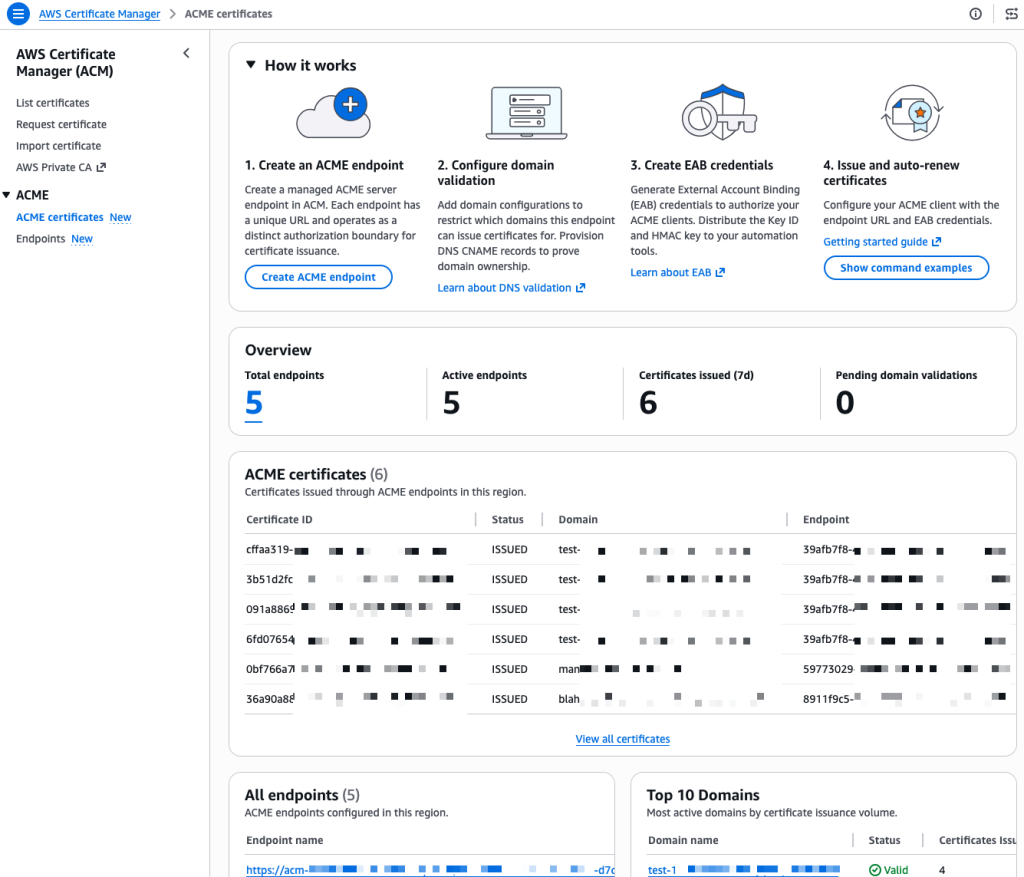
- Centralized Visibility: All certificates, whether issued via the console, API, or ACME, appear in the same dashboard.
- Auditability: Every request is logged via AWS CloudTrail, providing a transparent audit log for compliance teams.
- Operational Monitoring: Integrated tracking through Amazon CloudWatch allows teams to set alerts and monitor the health of their certificate infrastructure in real-time.
Governance and Access Control: The EAB Advantage
A key concern for large enterprises when implementing automation is security—specifically, the "blast radius" of API keys or domain validation tokens. If a developer needs a certificate for a specific subdomain, how do you ensure they cannot request one for your root domain or sensitive internal assets?
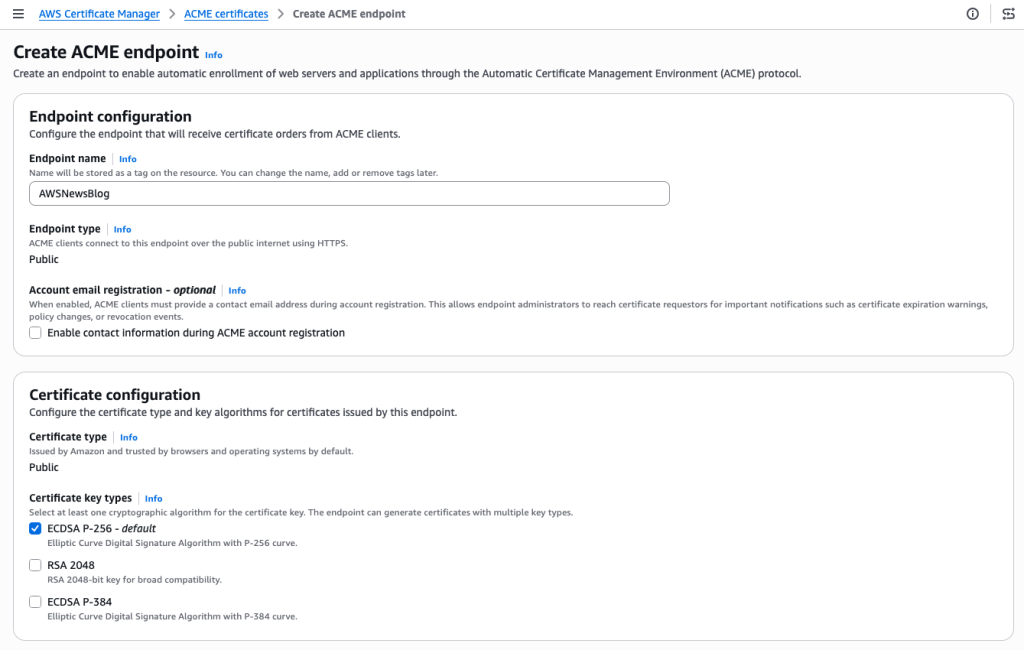
AWS addresses this through External Account Binding (EAB) and granular scope definitions at the endpoint level.
How the Security Model Works:
- Administrative Separation: The PKI administrator holds the "keys to the kingdom"—the DNS credentials required for domain validation. They set up the ACME endpoint and define the scope of allowed certificates.
- Delegated Issuance: Application owners are provided with EAB credentials (a Key ID and HMAC key). These credentials allow them to request certificates, but they are restricted to the domain patterns defined by the administrator.
- Policy Enforcement: If an administrator decides that an endpoint should only issue certificates for
*.dev.example.com, any attempt by an application owner to request a certificate forproduction.example.comwill be automatically rejected by the ACM endpoint, even if the request is technically valid from an ACME perspective.
This architecture enables organizations to distribute the ability to request certificates across diverse engineering teams without needing to distribute the authority to modify DNS records or manage the underlying CA trust.
Official Responses and Strategic Implications
In a statement accompanying the launch, AWS emphasized that this feature is designed to reduce the "operational overhead" that has plagued PKI (Public Key Infrastructure) management for decades. By integrating ACME, AWS is positioning ACM as the primary control plane for TLS in the cloud.
The implications for the industry are profound:
- Cost Reduction: Organizations no longer need to invest in third-party certificate management platforms or dedicate engineering hours to maintaining custom automation scripts.
- Security Posture: By enforcing automated renewals, the industry standard shifts toward "short-lived" certificates, which are inherently more secure because they minimize the window of opportunity for an attacker to use a compromised or stolen certificate.
- Ecosystem Interoperability: Because the service is fully compatible with existing open-source tools, organizations can migrate their existing automation workflows to AWS with minimal configuration changes.
Deployment: A Guided Approach
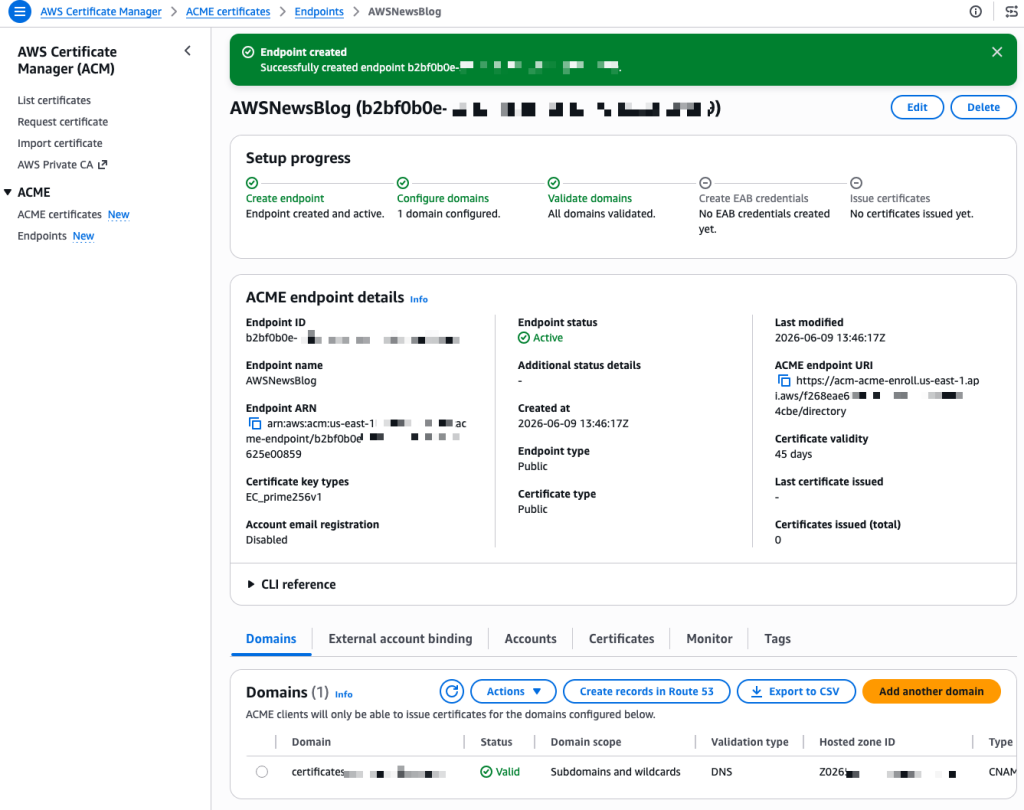
For those looking to adopt this feature, the process is streamlined for AWS users. The implementation follows a logical progression:
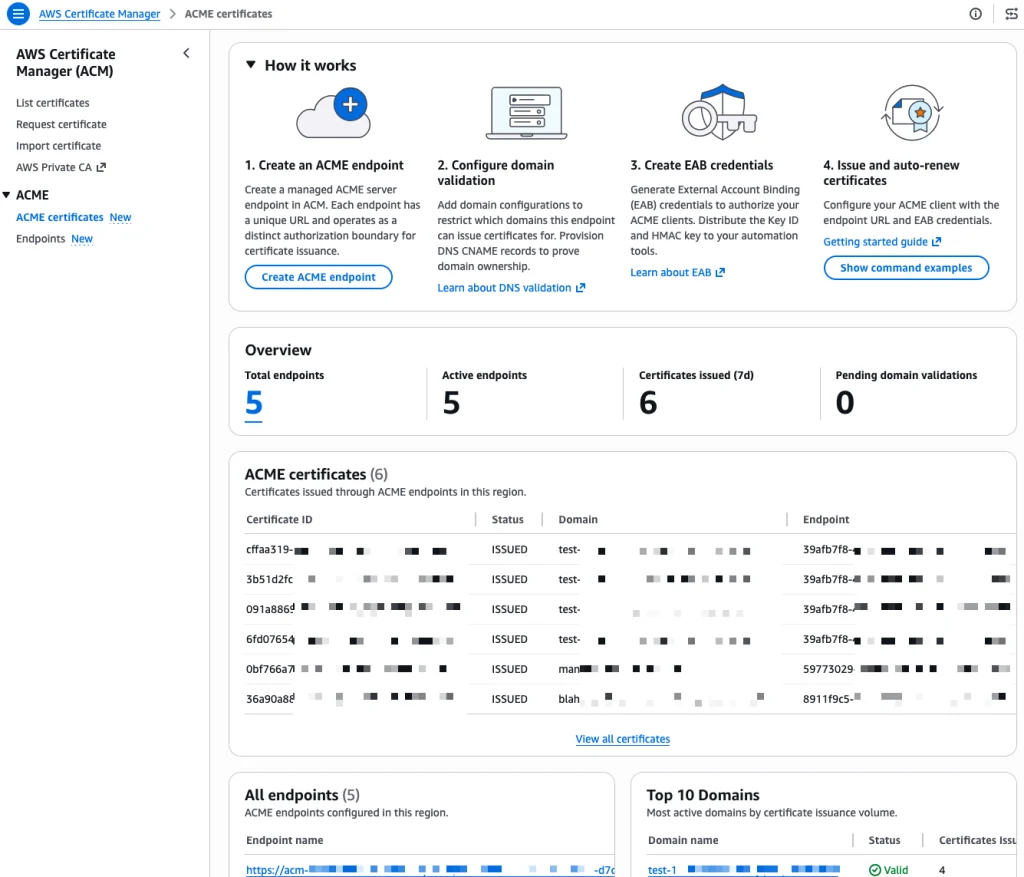
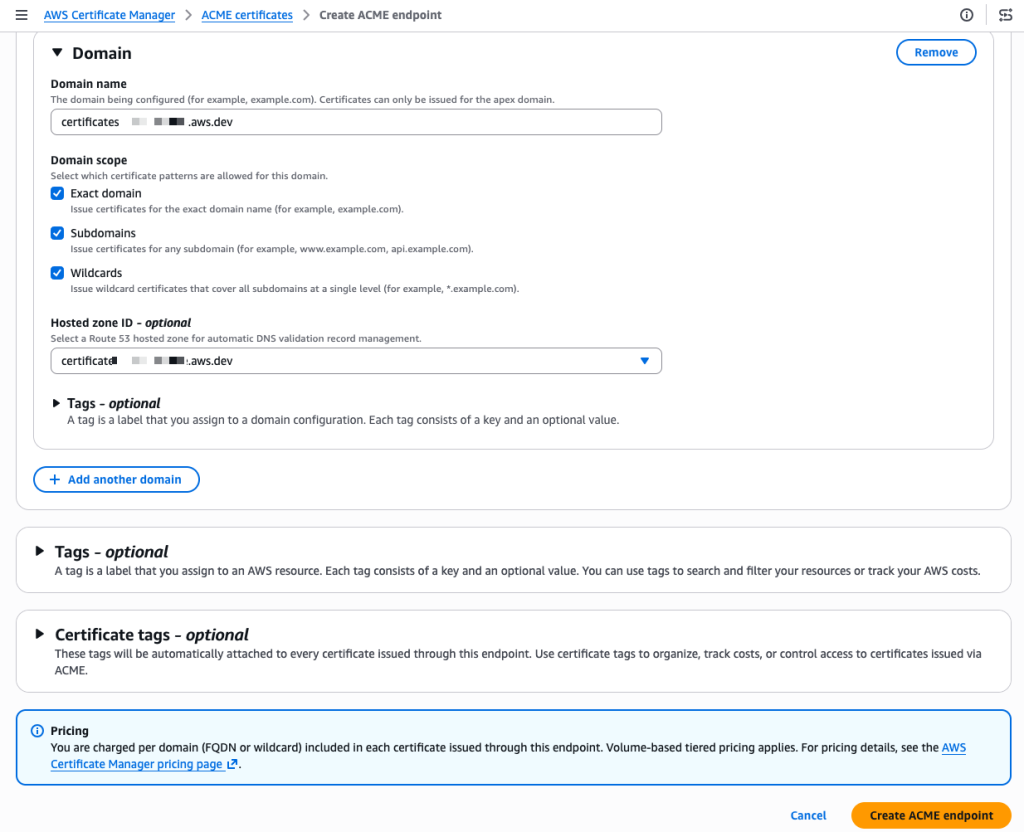
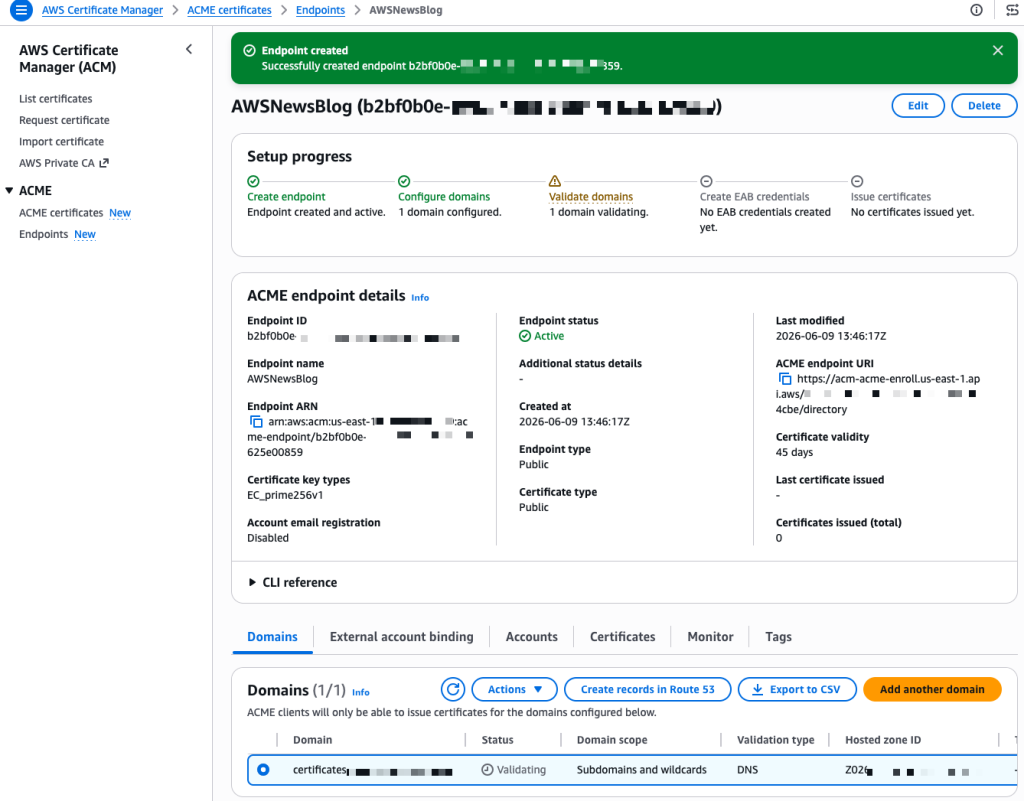
- Endpoint Creation: Configure an ACME endpoint in the ACM console, selecting between public certificates.
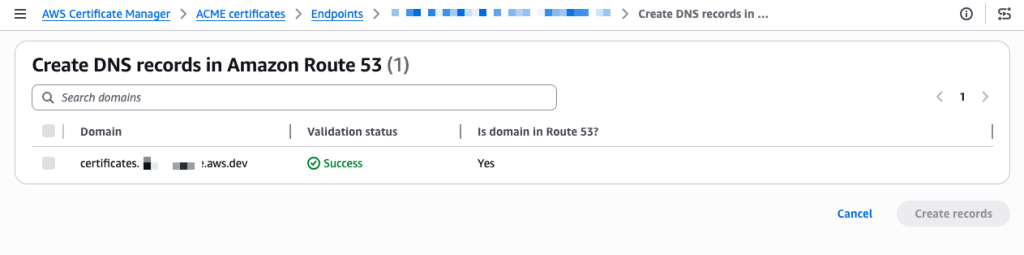
- DNS Validation: Utilize Route 53 for automated CNAME record creation, or perform manual validation for external DNS providers.
- EAB Credential Generation: Issue credentials to individual teams or services.
- Client Configuration: Point standard clients like Certbot or cert-manager to the provided endpoint URL, authenticating via the EAB credentials.
Once configured, the ACM console displays the certificate issuance status, allowing for seamless tracking of the entire lifecycle.
Conclusion: Preparing for the Future of Web Trust
The transition to shorter certificate validity periods is not merely a change in policy; it is a fundamental shift in how the internet manages trust. As the industry moves toward a future of 47-day certificate cycles, organizations that rely on human-driven processes will find themselves at a severe disadvantage.
By embracing native ACME support, AWS is providing a mature, scalable, and secure path forward. This integration does more than just automate a tedious task; it provides the governance, visibility, and security controls necessary for modern enterprise environments. Whether you are managing a single domain or a complex web of microservices, the integration of ACME into AWS Certificate Manager represents a necessary evolution in the infrastructure of the modern web.
As of the latest update, the feature is available across all commercial AWS regions, with plans to expand to AWS GovCloud and the AWS European Sovereign Cloud in the near future. For organizations striving to maintain a robust security posture in an automated, cloud-native world, the message from AWS is clear: the time for manual certificate management has passed.