AWS Unveils Amazon CloudWatch Omni: A Paradigm Shift Toward AI-Powered, Application-Centric Observability
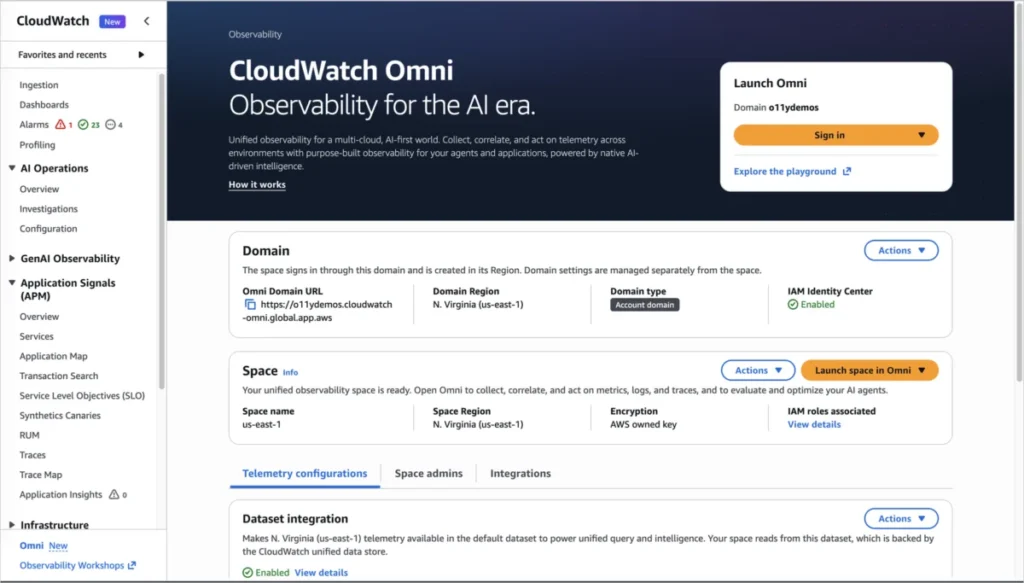
SEATTLE — In a major development poised to reshape how engineering organizations monitor complex digital ecosystems, Amazon Web Services (AWS) has officially launched Amazon CloudWatch Omni. This advanced, AI-powered observability platform is engineered to unify application monitoring, infrastructure metrics, and the emerging operational demands of generative AI and agentic workloads into a single, cohesive experience.
Designed to eliminate the operational silos, fragmented toolsets, and tedious dashboard maintenance that have plagued software engineering teams for decades, CloudWatch Omni leverages OpenTelemetry standards and cutting-edge artificial intelligence to transform how teams detect, investigate, and resolve production incidents.
Main Facts: What is Amazon CloudWatch Omni?
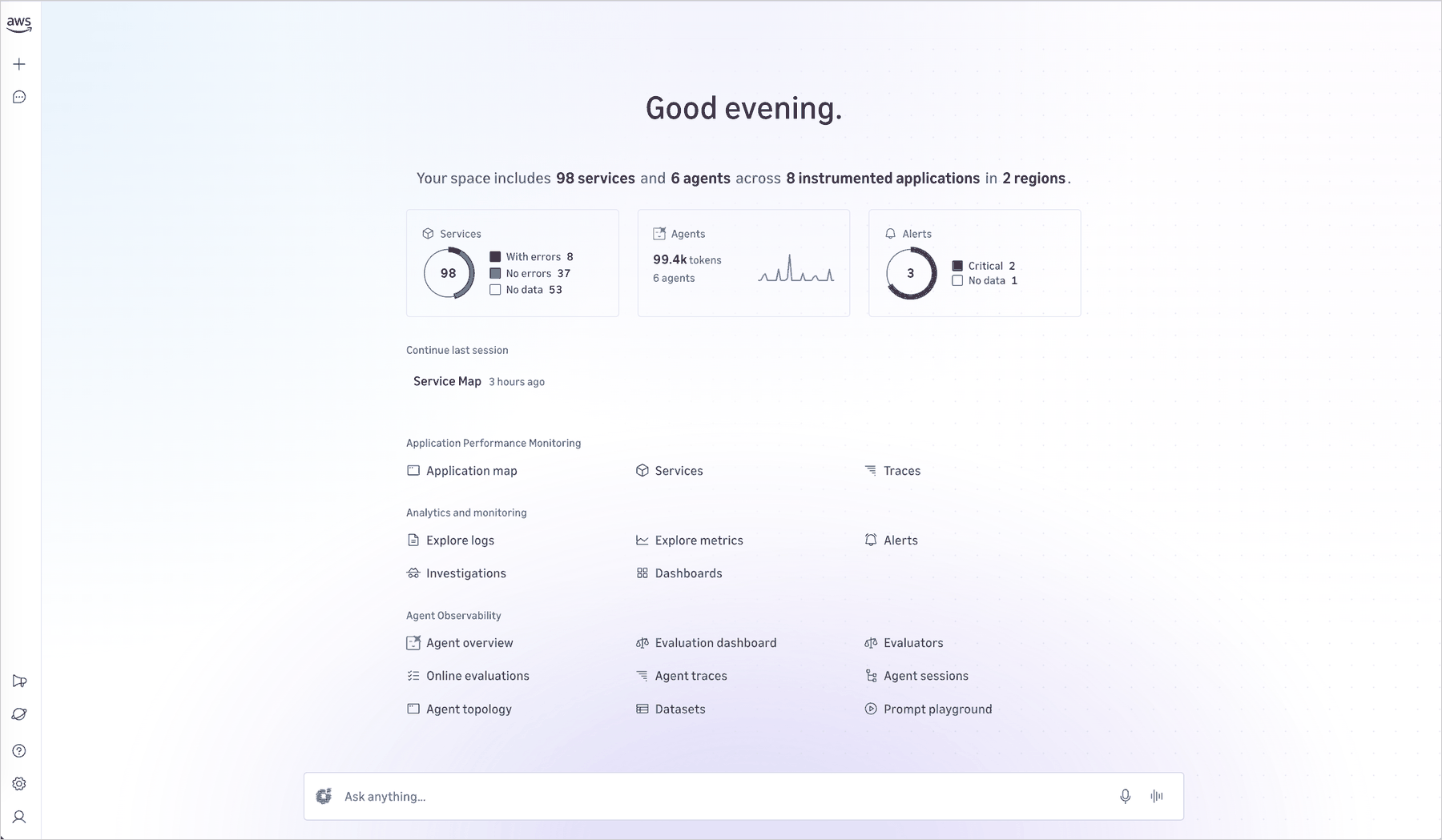
At its core, Amazon CloudWatch Omni represents a fundamental pivot from infrastructure-centric monitoring to an application-centric operational workspace. Rather than forcing engineers to piece together logs, metrics, traces, and alarms across scattered dashboards and disparate tools, Omni aggregates these signals around the actual applications and services that drive business value.
Key architectural and functional pillars of the new platform include:
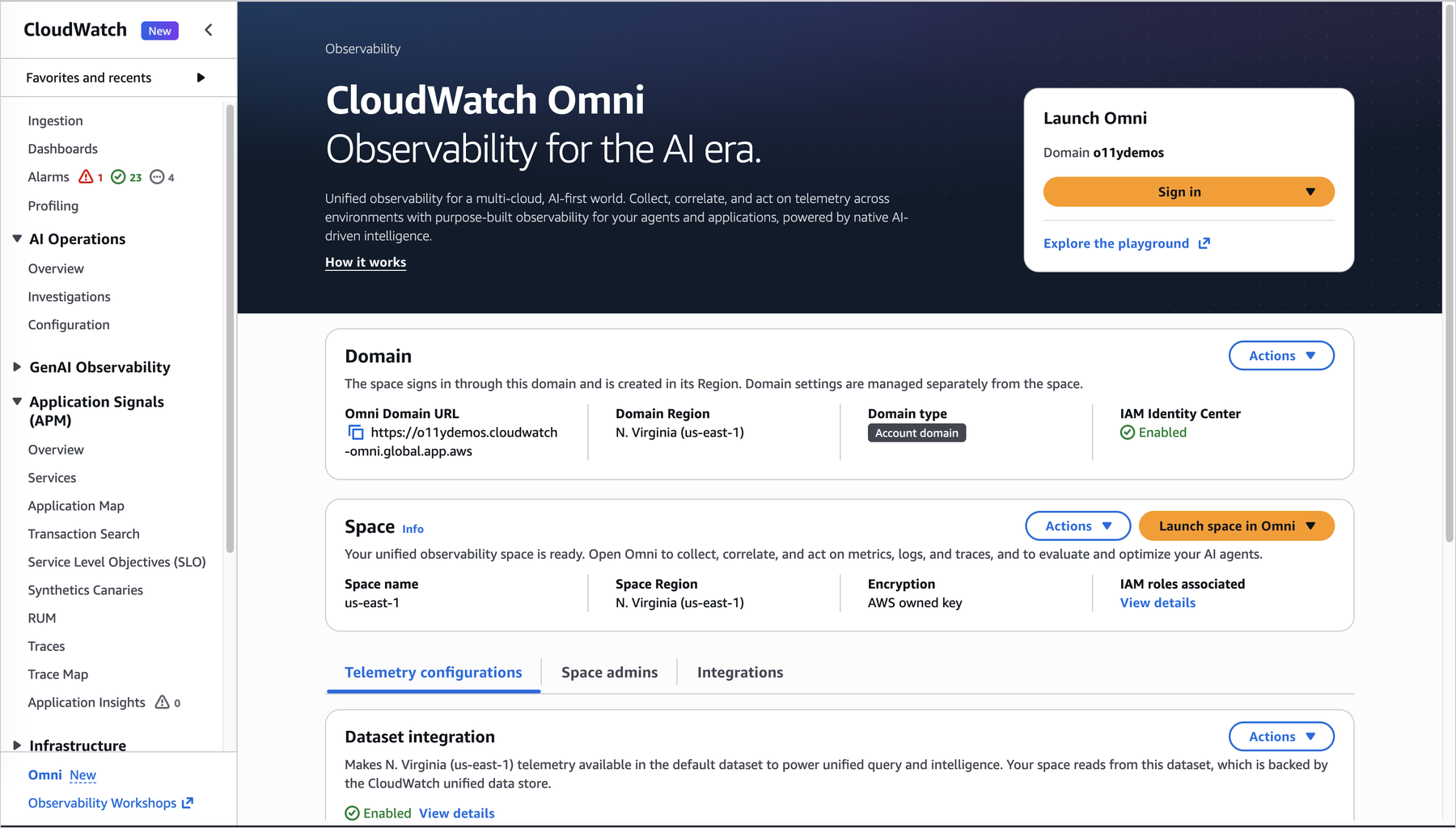
- Decoupled, Console-Free Access: Users access Omni through a dedicated organizational URL, authenticating via enterprise Single Sign-On (SSO) through AWS IAM Identity Center (with robust support for identity providers like Okta and Microsoft Entra ID). This means software developers, site reliability engineers (SREs), database administrators, and engineering managers can collaborate within a shared workspace without requiring direct access to the AWS Management Console.
- Built on OpenTelemetry (OTel): Omni natively embraces OpenTelemetry. Existing telemetry sent to CloudWatch appears instantly without requiring reconfigurations, while any external workloads instrumented with OpenTelemetry can stream telemetry directly to an OpenTelemetry Protocol (OTLP) endpoint.
- The Amazon DevOps Agent: Bringing generative AI directly into the incident response lifecycle, the built-in Amazon DevOps Agent acts as an active participant in team investigation sessions. Grounded in real-time application telemetry, the agent analyzes system health, correlates disparate events, maps root-cause paths through dependency graphs, and automatically documents the entire incident history.
- Unified Agent and Application Observability: In tandem with its robust application monitoring capabilities, Omni delivers specialized observability features tailored specifically for generative AI models, vector databases, and autonomous AI agents.
Chronology: The Evolution Leading to Omni
The path toward Amazon CloudWatch Omni reflects the broader, rapid transformation of software architecture over the past decade—moving from monolithic applications to microservices, serverless frameworks, and, most recently, complex multi-layered generative AI agents.
- The Monolithic Era: Traditionally, monitoring tools tracked basic server health, CPU utilization, and disk space. Engineers relied on static thresholds and manual alerts.
- The Microservices Explosion: As organizations transitioned to distributed microservices, the volume of telemetry data exploded. Engineering teams found themselves drowning in custom dashboards, alert fatigue, and siloed monitoring tools. Context often dissolved during cross-team handoffs, famously getting lost in fragmented Slack threads and screenshots.
- The Rise of Generative AI and Agentic Workloads: With the recent surge in autonomous AI agents capable of executing multi-step workflows, traditional monitoring frameworks proved insufficient. Teams needed visibility not just into standard API latencies, but into model token consumption, inference failures, and autonomous agent behaviors.
- The Launch of CloudWatch Omni: Addressing these mounting complexities, AWS engineered Omni to bridge the gap between traditional software architectures and cutting-edge agentic workloads, unifying disparate teams into a single, collaborative operational interface known as a "Space."
Supporting Data: Addressing Engineering Pain Points
According to internal AWS research and feedback from enterprise engineering organizations, modern software teams spend an overwhelming amount of their operational bandwidth maintaining infrastructure rather than writing code. CloudWatch Omni was specifically built to measure up against three persistent industry challenges:

- Context Fragmentation: During major incidents, cross-functional collaboration frequently breaks down. Omni solves this by establishing persistent, shared investigation sessions where SREs, developers, and managers view identical data sets, ensuring no contextual information is lost during escalations.
- Dashboard Maintenance Overhead: Maintaining static dashboards and tuning hundreds of granular thresholds consumes countless developer hours. Omni introduces dynamic topology mapping, automatically discovering services, mapping dependencies, and dynamically adjusting to architectural changes without manual upkeep.
- Root-Cause Latency: Pinpointing the exact trigger of a cascading failure across distributed systems often takes hours. By deploying the Amazon DevOps Agent into investigation sessions, teams can accelerate mean time to resolution (MTTR) by allowing AI to instantly surface correlated events, such as a deployment executed ten minutes prior or a latency spike originating from a third-party payment API.
Official Responses and Strategic Vision
While AWS executives and product managers emphasize the technical sophistication of CloudWatch Omni, the broader industry reaction highlights its potential to democratize observability across entire enterprise structures.
Industry analysts note that by removing the prerequisite for AWS Management Console access, AWS is effectively expanding the audience for cloud telemetry data. Product leaders at AWS emphasize that observability should no longer be restricted to the dedicated DevOps or SRE elite. By introducing natural language querying—allowing engineers to ask plain-English questions about their application telemetry—Omni lowers the barrier to entry for junior developers and engineering managers alike.
Furthermore, the integration of the Amazon DevOps Agent marks a pivotal milestone in autonomous IT operations (AIOps). Rather than merely flagging anomalies, the agent actively collaborates with human operators, generating automated audit trails that eliminate the need for manual post-incident report generation.
Implications: What CloudWatch Omni Means for the Future of IT Operations
The release of Amazon CloudWatch Omni has profound implications for software engineering workflows, enterprise budgeting, and the competitive observability landscape.
1. The Death of the Static Dashboard
For years, creating and curating dashboards has been a staple task for systems engineers. With Omni’s automated service discovery and dynamic topology mapping, static dashboards are rapidly becoming obsolete. Teams can now focus on high-level business objectives, declaring availability targets, latency budgets, and error rate thresholds while letting the system handle the underlying telemetry visualization.
2. Bridging Traditional Software and Generative AI
As enterprises race to integrate generative AI into their product offerings, operationalizing these systems has remained a massive hurdle. Omni’s dual focus—offering rigorous application observability alongside purpose-built tracing and evaluation for AI agents—provides a unified pane of glass. Organizations no longer need to procure separate monitoring tools for traditional microservices and AI-driven workflows.
3. Streamlined Compliance and Post-Incident Reviews
Regulatory standards and internal compliance frameworks demand thorough post-incident documentation. Because CloudWatch Omni automatically captures the entire chronological history of an investigation session—including human decisions, system flags, and DevOps Agent recommendations—the administrative burden of incident reporting is virtually eliminated.
Getting Started with Omni
For existing Amazon CloudWatch customers, adopting Omni requires zero data migration or complex infrastructure overhauls. Administrators can configure their domain, integrate enterprise identity providers via IAM Identity Center, and deploy team-specific "Spaces" in a matter of minutes. By clicking "Try CloudWatch Omni" directly within the CloudWatch console, engineering organizations can instantly leverage their existing logs, metrics, traces, and alarms within this powerful new paradigm.
As software systems grow increasingly autonomous and complex, platforms like Amazon CloudWatch Omni signal a necessary evolution: moving away from reactive firefighting and toward collaborative, AI-assisted, application-centric reliability.