Beyond the Algorithm: A Strategic Blueprint for Building a YouTube Business in the Modern Era
For many midlife professionals and established business owners, the prospect of launching a YouTube channel often feels like entering a crowded room where the doors were locked years ago. There is a pervasive, yet false, narrative that YouTube is reserved for the bubbly, the performative, and the perpetually young.
However, according to YouTube growth strategist Ty Myers, this mindset is the primary barrier to entry—and it is entirely misplaced. In an era where niche expertise is more valuable than viral antics, YouTube has evolved into a sophisticated search-and-discovery engine that rewards substance, clarity, and authority.
Building a sustainable YouTube presence isn’t about becoming an "influencer"; it is about leveraging your professional background to solve specific problems for a clearly defined audience. If you can teach, consult, or sell, you already possess the foundational skills required to succeed on the platform.
The Strategic Framework: Four Pillars of Channel Launch
The transition from a professional background to a YouTube creator begins with a shift in perspective. Ty Myers posits that the startup process is divided into four critical phases, the first two of which require zero camera time.
1. Defining the Mission and Goals
Before a single frame is recorded, you must articulate why your channel exists. Is the goal to drive leads for a high-ticket consulting practice, sell a software product, or establish a legacy in your industry? Ambiguity is the greatest obstacle to growth. Channels that attempt to serve a broad, general audience often find themselves serving no one. Clarity of purpose dictates your content strategy, audience targeting, and the key performance indicators (KPIs) you track.
2. Identifying the Avatar
Once the mission is set, you must define the "Avatar"—the singular person your channel is designed to help. You must map their fears, desires, and the specific obstacles preventing them from reaching their goals. The YouTube algorithm is highly sophisticated; it analyzes video transcripts and user behavior to connect content with the right viewer. When your content is laser-focused on a specific persona, the algorithm becomes your most effective marketing partner.
3. The "Repetition" Phase
Perfectionism is the enemy of progress. Many professionals, accustomed to high standards in their corporate or business lives, fall into the trap of over-planning their first videos. Myers suggests a "reps-first" approach. Aim to publish your first 15 videos as quickly as possible. This phase isn’t about production value; it’s about overcoming camera shyness and finding your voice. By the 15th video, most creators find that their natural personality begins to eclipse the awkwardness of the setup.
4. Pivoting from Quantity to Quality
After the initial 15-video sprint, the strategy must evolve. This is the transition from "uploader" to "platform strategist." At this stage, you stop filming simply to create and start filming to distribute. You must analyze the data: What are the high-performing channels in your niche doing differently? What are the commonalities in their thumbnails, titles, and structural hooks? This is where leverage is found.

Mastering the Pre-Production Architecture
The most common error committed by creators is the "film first, title later" approach. In the YouTube ecosystem, the topic, title, and thumbnail represent 80% of a video’s potential success. If a video is not "clicked," it cannot be "watched," regardless of the quality of the content inside.
The 60/40 Time Allocation Rule
For every 10 hours a creator allocates to YouTube, Myers recommends dedicating at least 6 hours to pre-production. This includes:
- Topic Validation: Using tools like VidIQ to verify search volume.
- Competitive Analysis: Studying why outlier videos in your niche succeeded.
- Creative Iteration: Sketching thumbnails and A/B testing title variations before filming.
Decoding Search Intent
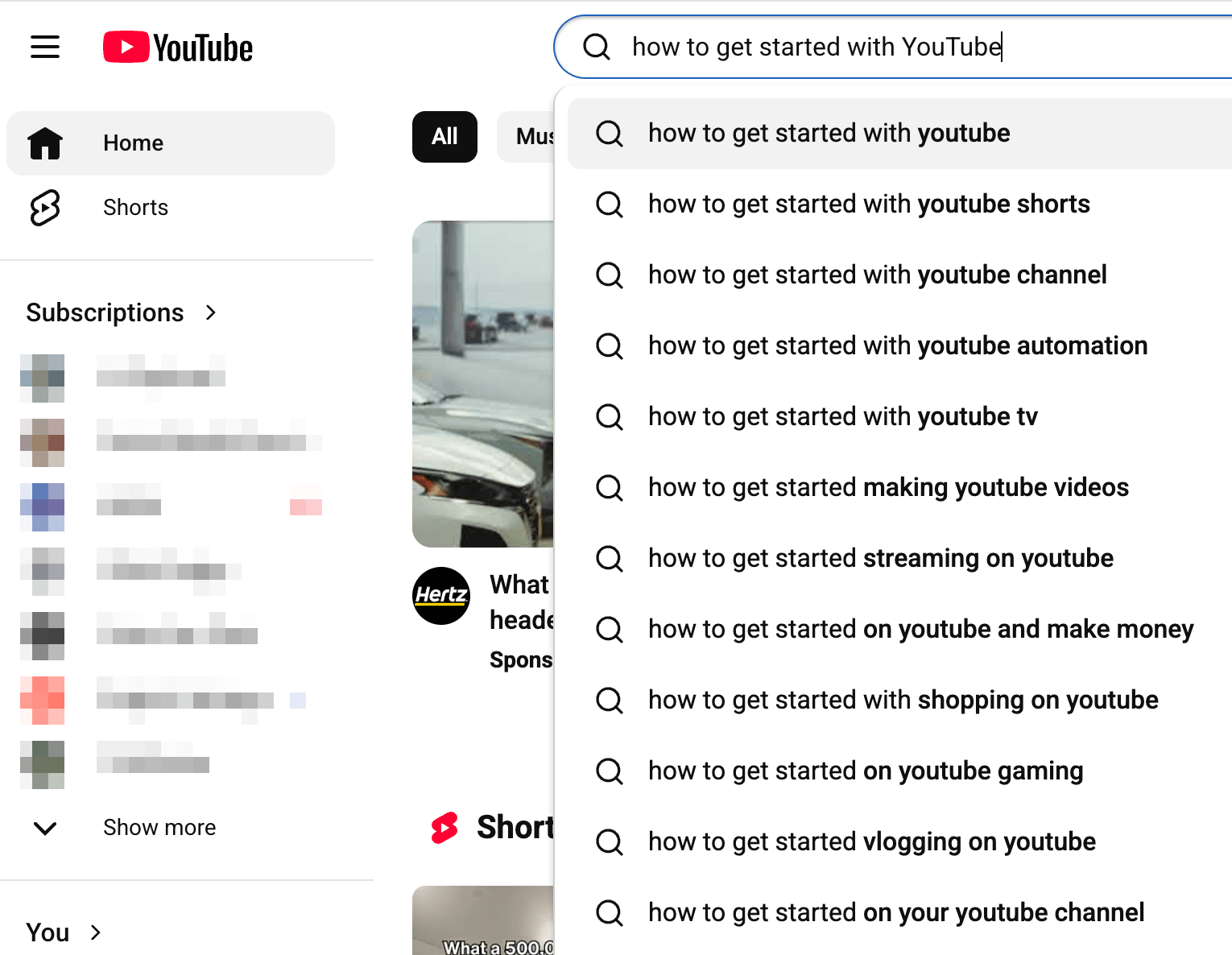
Pre-production is essentially a form of detective work. By using YouTube’s autocomplete feature, you can observe exactly how your audience phrases their problems. If you are a financial consultant, looking at autocomplete suggestions for "retirement planning" will reveal the specific, long-tail questions your potential clients are asking. By addressing these questions, you align your content with existing demand rather than hoping for discovery.
Emulation vs. Replication: The Art of Growth
There is a fine line between plagiarism and strategic emulation. Emulation is the process of reverse-engineering a high-performing video’s structure—the "skeleton" of the hook, the pacing, and the delivery—and filling that structure with your own unique expertise, anecdotes, and analogies.
Case Study: The Pivot of "Ask PawPaw"
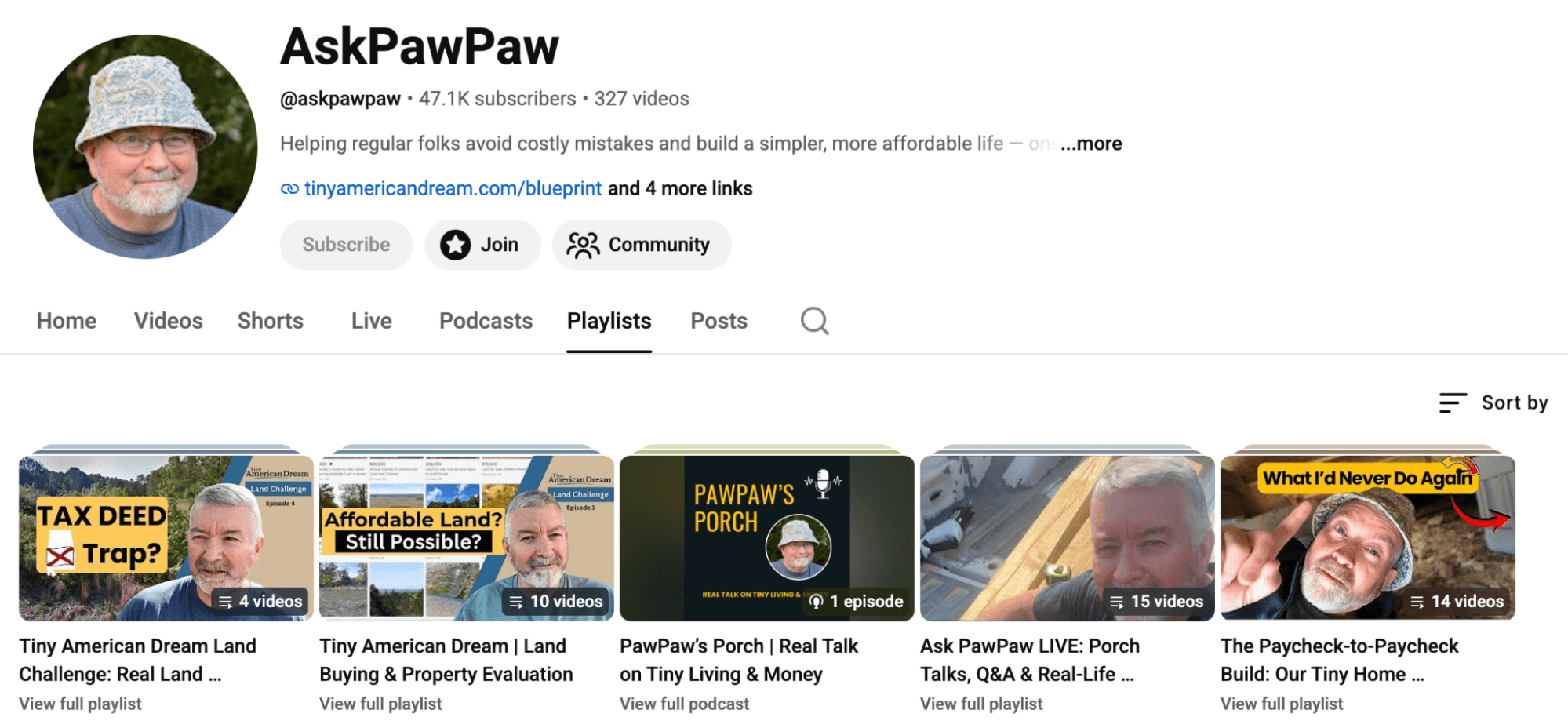
Kevin, the creator behind the Ask PawPaw channel, initially struggled to gain traction with broad content about investment vehicles. Through outlier research, Ty Myers helped him identify a high-demand niche: tiny home and shed conversions. By observing a competitor who was filming simple, low-production walk-throughs of sheds at a local retailer, Kevin adopted the format. By applying his specific financial expertise to a format with proven audience interest, the channel pivoted from obscurity to authority.
Advanced Scripting and AI Integration
Modern creators must embrace AI as a force multiplier for productivity. However, the trap is allowing AI to dictate the tone.
The Interview Method
Myers recommends an "interview-first" scripting process. Rather than asking an AI like Claude or ChatGPT to "write a script about X," he feeds the AI the topic and asks it to interview him. As the AI asks questions about his personal experiences, stories, and professional analogies, the output captures his unique voice. The resulting script feels authentic and credible because it is built on the creator’s own intellectual property, not generic database content.
Hook Engineering
The first 15 to 30 seconds of a video are the most critical. A successful hook contains three elements:

- Explicit Call-Out: Naming exactly who the video is for.
- The Curiosity Gap: A counterintuitive statement that challenges conventional wisdom.
- Credibility Markers: Stating who you are and why your results matter, effectively proving your authority before diving into the "how-to."
Monetization and the "Session Duration" Loop
Many creators focus on AdSense revenue, which is rarely a scalable business model for professionals. For business owners, YouTube is a lead-generation funnel.
Strategic CTAs
Ty Myers employs two types of Call-to-Actions (CTAs):
- The Explicit Mid-Roll: A brief mention that the content being taught is an extension of a paid coaching program, directing viewers to the description for more information.
- The Subtle Signal: Throughout the video, referencing client successes or real-world consulting observations. This builds trust by demonstrating that the creator is active in the field.
The End-Screen Loop
YouTube’s algorithm favors "session duration"—the total time a viewer spends on the platform after clicking your video. To maximize this, never end a video with a standard "outro" that signals the session is over. Instead, transition directly into a question that can only be answered by the next video in your sequence. This creates a "binge-loop" that increases your channel’s authority in the eyes of the algorithm.
Equipment: The "Less is More" Philosophy
A common barrier for new creators is the belief that they need a professional studio to start. In reality, modern smartphones are more than capable of capturing high-quality content.
- The Non-Negotiable: Audio. Viewers will tolerate poor lighting, but they will click away within seconds if the audio is distorted or quiet. A high-quality USB microphone (such as the Shure MV7+) is the only equipment investment recommended for day one.
- Lighting: Natural window light, properly diffused, is often superior to expensive, improperly set-up LED panels.
Implications for the Future of Business Content
The shift toward "knowledge-based" YouTube channels signifies a broader trend in digital marketing. As AI-generated content floods the internet with generic information, audiences are increasingly gravitating toward voices that offer context, experience, and personality.
For the midlife professional, the "late start" is an advantage. You are not competing with Gen-Z creators on their terms; you are competing on the value of your career, your failures, and your hard-won insights. By treating YouTube as a strategic extension of your existing business, you can build a sustainable, high-trust engine that brings clients to you—long before they even pick up the phone.