Beyond the Chatbot: How OpenAI’s Codex is Revolutionizing Business Automation
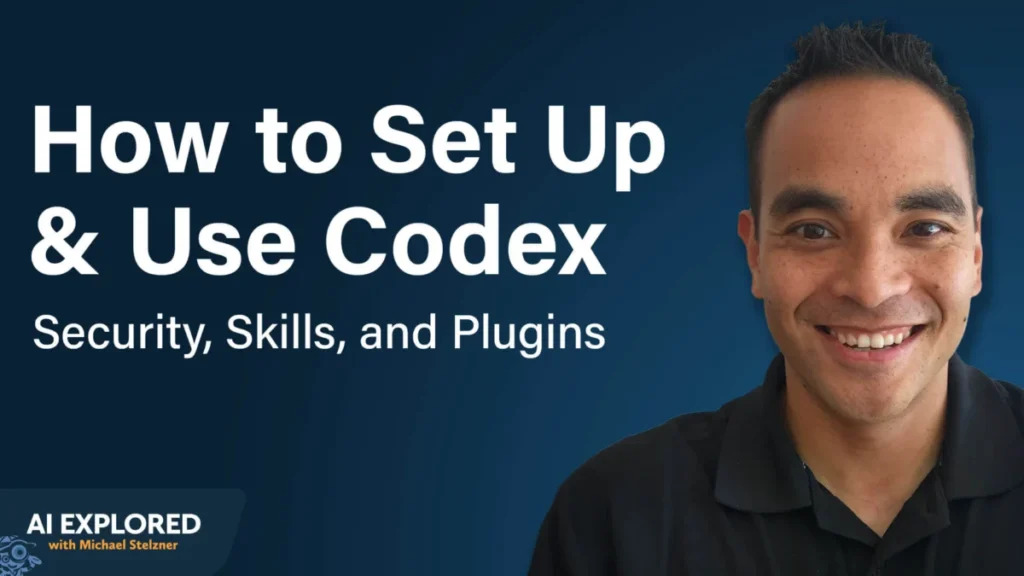
For many business owners and marketers, the mention of "OpenAI’s Codex" often triggers an immediate mental block. The name itself suggests a realm reserved for software engineers—a world of syntax, debugging, and terminal commands. However, according to experts like Karl Yeh, this is the most significant misconception currently stifling operational efficiency.
Codex is not a programming tool; it is a sophisticated, proactive business engine. By moving beyond the reactive nature of standard LLMs like ChatGPT, Codex allows non-technical users to build autonomous agents that manage files, navigate legacy software, and execute complex, multi-step workflows.
Understanding the Architecture of Codex
To grasp the power of Codex, one must first distinguish between the "brain" and the "harness." Think of models like GPT-4 or OpenAI’s latest reasoning engines as the brain—the intelligence capable of processing language and logic. The "harness" is the interface or the environment in which that brain operates.
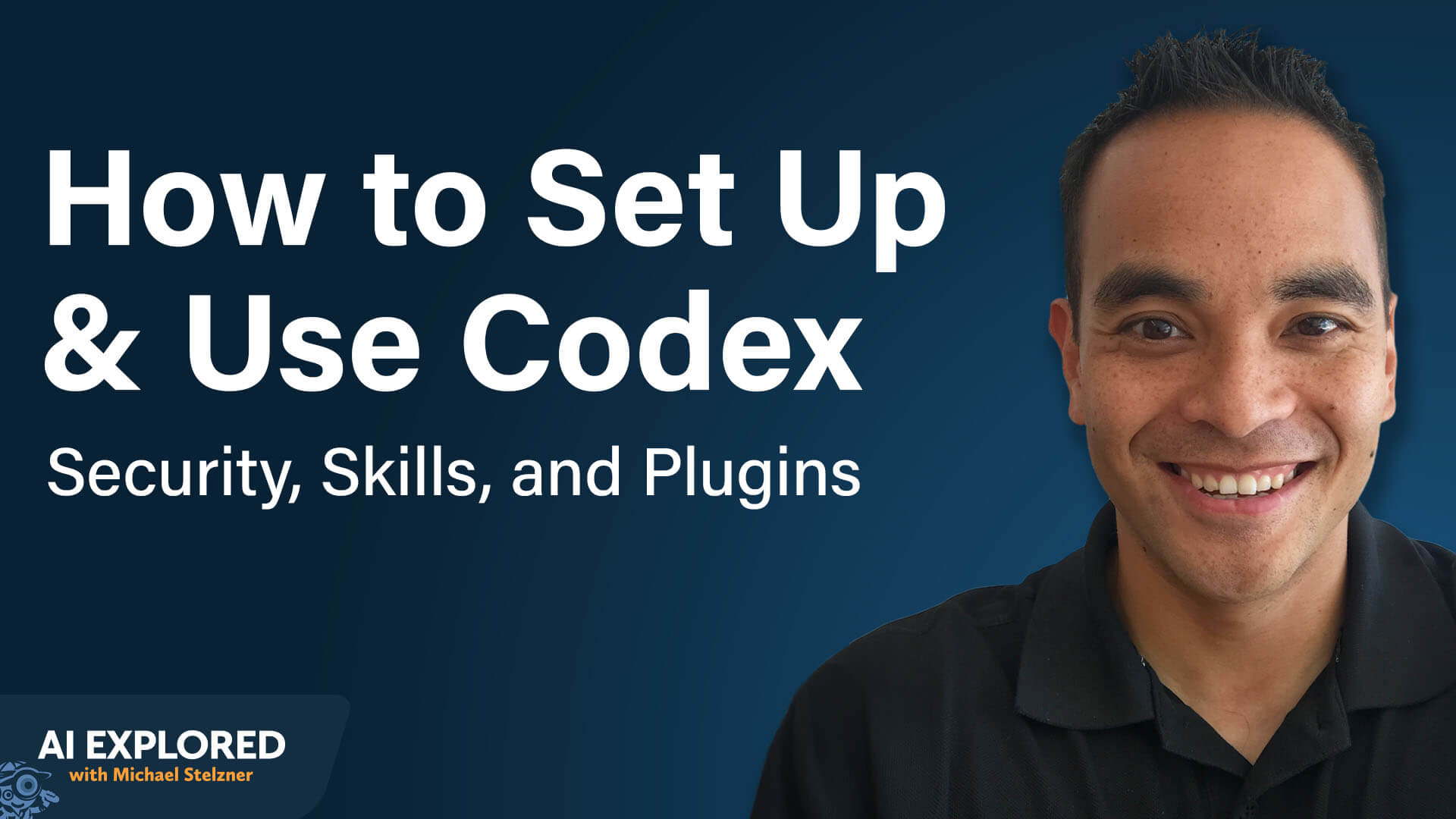
While the standard ChatGPT web interface is a harness for casual conversation, the Codex desktop app is a specialized harness designed for execution. It provides a persistent, file-aware environment that bridges the gap between text-based AI and your actual digital infrastructure. Unlike standard chat interfaces, Codex doesn’t just offer advice; it acts. It can read, modify, move, and delete files, as well as interact with your broader tech stack, including Outlook, SharePoint, Slack, and Notion, without requiring intermediary automation platforms like Zapier or Make.
Chronology: From Static Prompting to Proactive Autonomy
The evolution of AI in the workplace has historically followed a predictable path:
- The Reactive Era: Users copy-paste text into ChatGPT, receive an answer, and manually apply that answer to a document or spreadsheet.
- The Integration Era: Business owners began using middleware like Zapier to "connect" AI to apps, though these connections were often rigid and prone to breaking.
- The Agentic Era (The Codex Paradigm): With the introduction of the Codex desktop app, the AI is no longer a guest in your browser—it is a resident of your local file system.
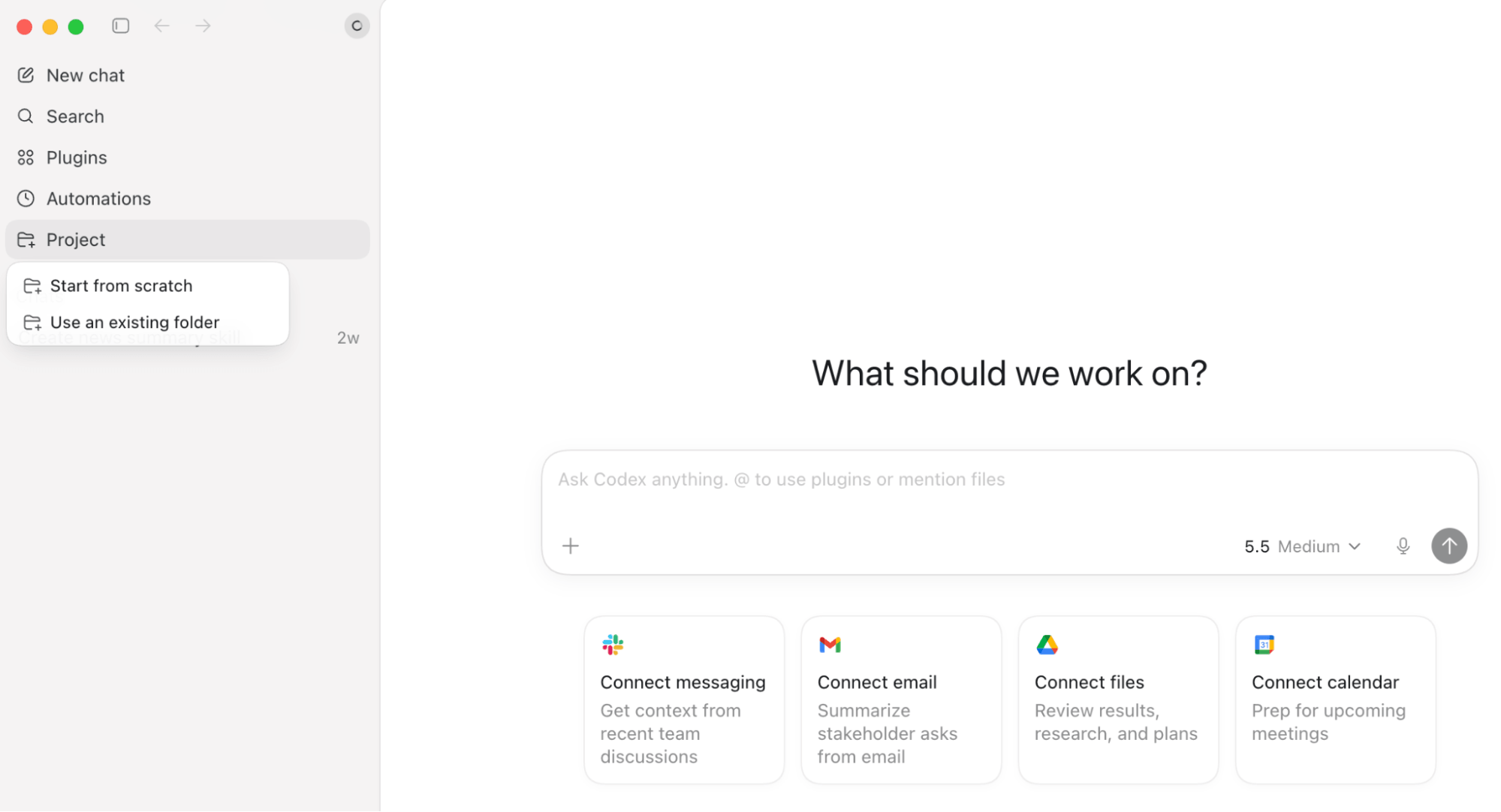
When a user initiates a session in Codex, they define a workspace—a specific folder on their machine or local network. This folder becomes the "sandbox" where the AI is authorized to perform its tasks. The app creates a clear, audit-ready thread for every folder, documenting every action taken by the AI. This transition from "asking for a task to be done" to "setting a goal for an agent to achieve" represents a fundamental shift in business productivity.
Supporting Data: Security and Operational Integrity
The power to control local files brings a paramount responsibility: security. The most critical failure point for new users is "root-level connectivity." By connecting Codex to a top-level drive (like the C: drive or a primary cloud root), a user grants the AI permission to access the entire network.
Security Frameworks
Karl Yeh suggests a "three-tiered" security strategy to mitigate the risks associated with AI agents:
- Scoped Access: Always create a dedicated, isolated folder for AI agents. Never grant broad access to your entire desktop or server.
- Permission Scoping: Codex provides granular permission levels. New users should operate under "default" permissions—which restrict the AI to reading and suggesting—before graduating to "full" write and execution access.
- Prompt Injection Defense: As agents browse the web, they face "Prompt Injection"—a tactic where external websites embed hidden, malicious instructions for the AI. To combat this, users should utilize a multi-agent separation strategy: one agent gathers information, a second agent verifies that information for integrity, and a third (internal) agent acts upon it. This ensures that raw, potentially compromised data never touches your core business workflows.
Executing Business Processes: Skills and Plugins
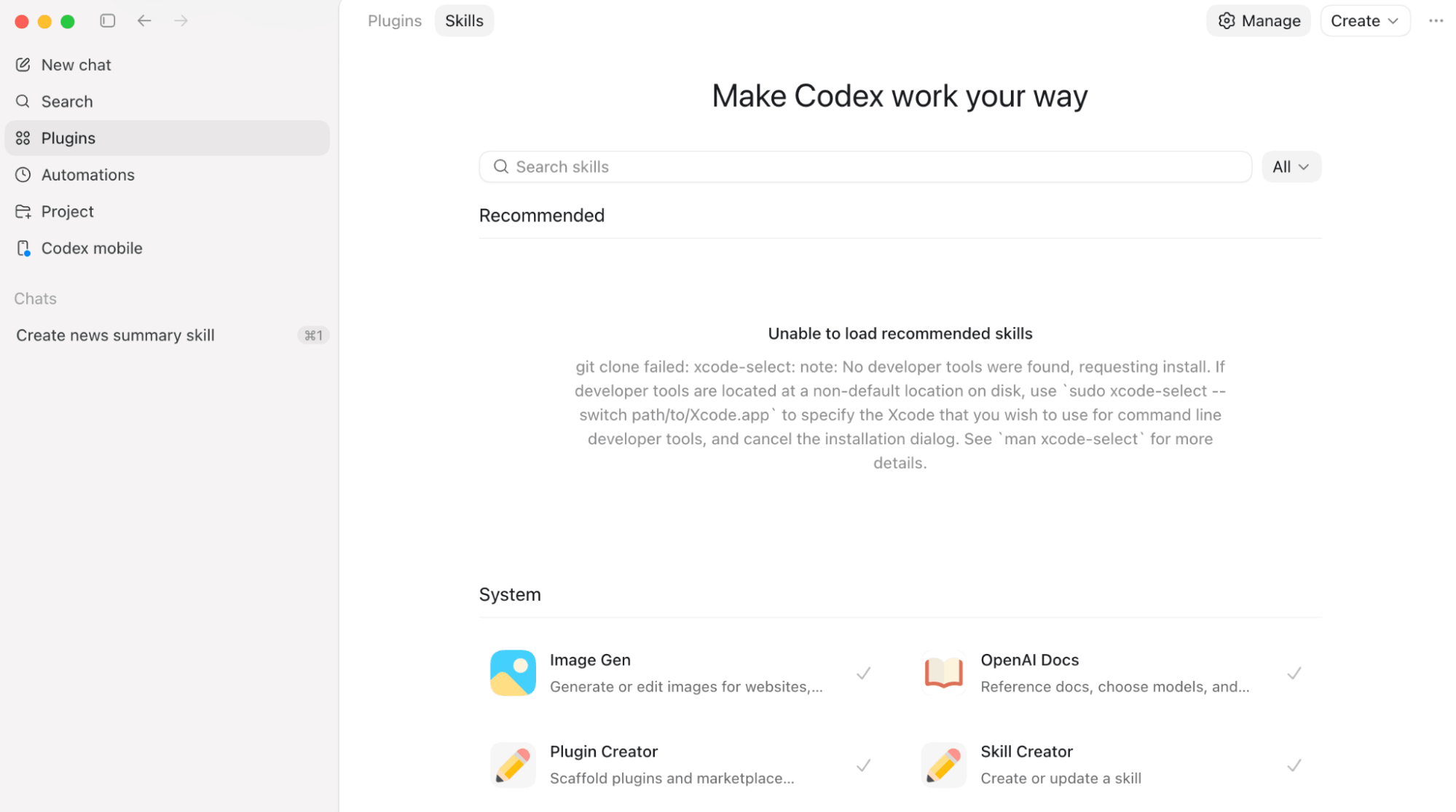
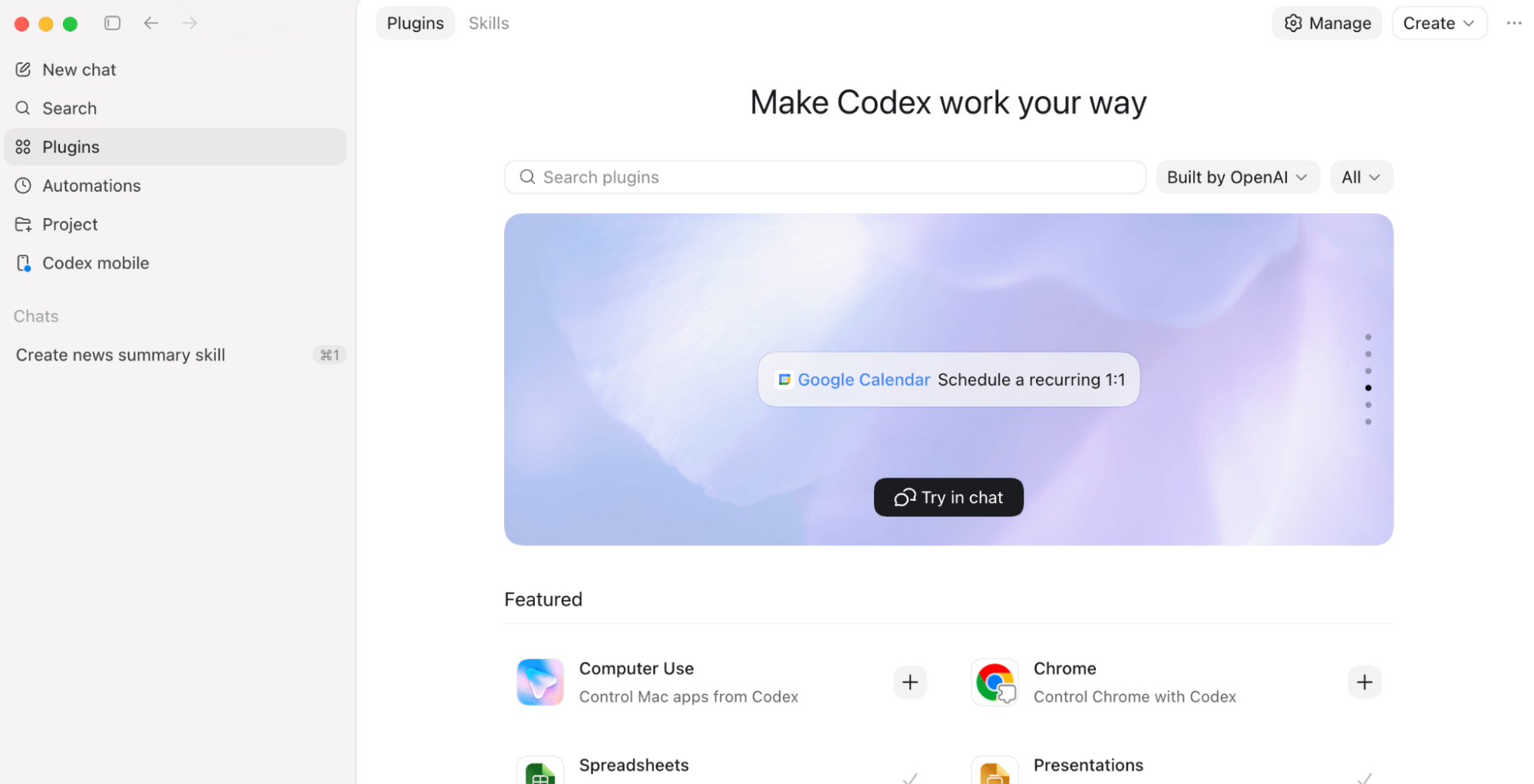
The true utility of Codex is found in its "Skills" and "Plugins" directories. A Skill is a taught procedure—a repeatable business process defined by source data, output formatting, and expected outcomes. A Plugin is the bridge that allows the AI to communicate with external systems.

The Power of the Chrome Plugin
Perhaps the most transformative tool in the Codex suite is the Chrome Plugin. By connecting Codex to the browser, the AI gains the ability to interact with legacy software that lacks modern APIs. It can click buttons, navigate forms, and extract data from archaic, non-responsive web portals.
For many firms, this solves the "Legacy Problem." Instead of paying for expensive software migrations, businesses can deploy a Codex agent to perform the manual "point-and-click" tasks that previously required human intervention. When combined with the "Computer Use" plugin, Codex can even control desktop applications on a Mac, allowing it to open, interact with, and close software independently.
Automations, Goals, and Heartbeats
Codex moves beyond static tasks through three core mechanisms:
- Goals: Initiated by the
/goalcommand, this instructs the agent to work independently toward an objective. Whether it is summarizing competitor news or monitoring brand mentions, the agent remains active until the task is complete or processing credits are exhausted. - Automations: These are recurring tasks scheduled at specific intervals. Thread-based automations ensure a clean record for each run, making them ideal for financial reporting or reconciliations.
- Heartbeats: Unlike a one-off automation, a Heartbeat keeps an agent "awake" within a single thread. This allows the AI to retain context over long periods, which is vital for deep-work monitoring, such as checking Slack or email every few hours and distilling urgent messages into a single, cohesive brief.
Real-World Implications: The Construction Case Study
The practical efficacy of Codex is best illustrated through a recent deployment at a construction firm. The company faced two persistent bottlenecks: invoice reconciliation and daily field log management.
The Reconciliation Workflow
Previously, the firm spent up to three days a month manually cross-referencing vendor invoices with an internal spreadsheet. Using a custom invoice reconciliation skill, the company now drops invoices into specific vendor folders. Every Sunday night, Codex spawns five parallel subagents—one for each vendor folder—to reconcile documents simultaneously. By Monday morning, a master summary is ready. The time investment for staff has plummeted from 24+ hours to approximately 15 minutes of review.
The Field Log Workflow
The firm’s foremen were losing nearly 10 minutes per log navigating a slow, legacy project management system. Karl Yeh designed a three-agent workflow:

- Agent 1: Navigates the legacy system, filters for the relevant log, and exports it.
- Agent 2: Applies the required formulas to the exported Excel sheet.
- Agent 3: Updates the master reference spreadsheet.
The entire sequence is executed unattended overnight. This level of automation is not merely about "doing things faster"; it is about reallocating human capital from mundane data entry to high-value strategic thinking.
The Future of Business Operations
The implications of this technology are profound. We are witnessing the end of the "manual digital worker." In the near future, every business will likely employ a fleet of specialized AI agents that handle the "digital plumbing"—the tedious, repetitive, and necessary tasks that keep a company moving.
However, as these agents gain more control, the responsibility of the business owner shifts from "doing" to "architecting." The success of an AI-driven company will not be determined by who has the most AI, but by who has the best-defined skills and the most secure, well-structured workflows.
For those ready to move beyond the browser-based chat window, the tools for this transition are already here. By downloading the dedicated Codex desktop app and starting with scoped, low-risk automations, business owners can begin building an operational infrastructure that is not only faster but fundamentally more capable than anything that came before it.
As we look toward the future, the question is no longer "what can AI do?" but rather "what processes are you ready to delegate to your agents?" The future of business is not in coding; it is in clear, strategic communication with the systems that are now ready to execute on your behalf.