Beyond the Chatbox: A Comprehensive Guide to Mastering Claude Cowork
The era of merely "chatting" with Artificial Intelligence is rapidly drawing to a close. For professionals, the frustration of micromanaging AI prompts, battling context window limitations, and manually copying data between disparate browser tabs has become a significant bottleneck to productivity.
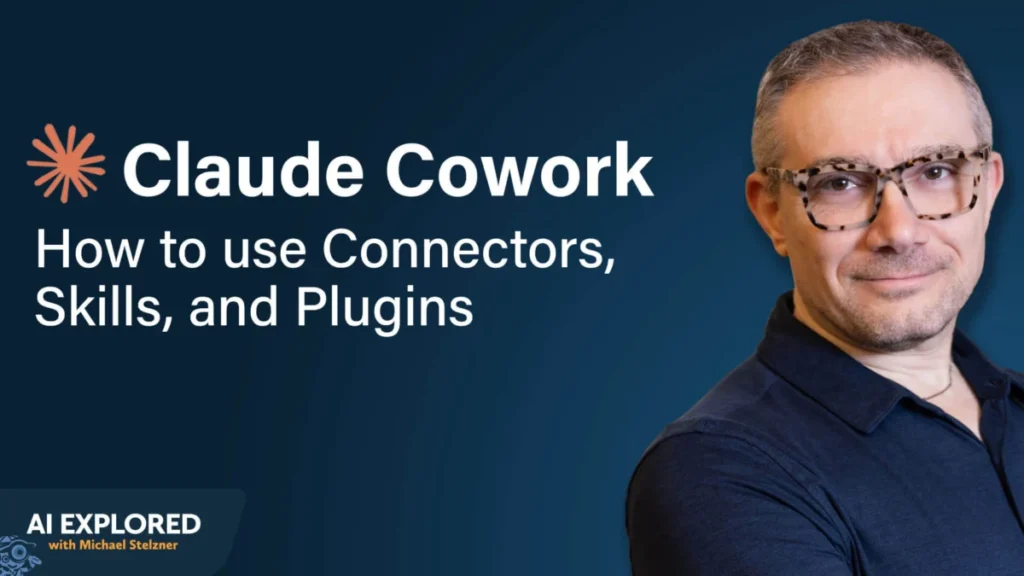
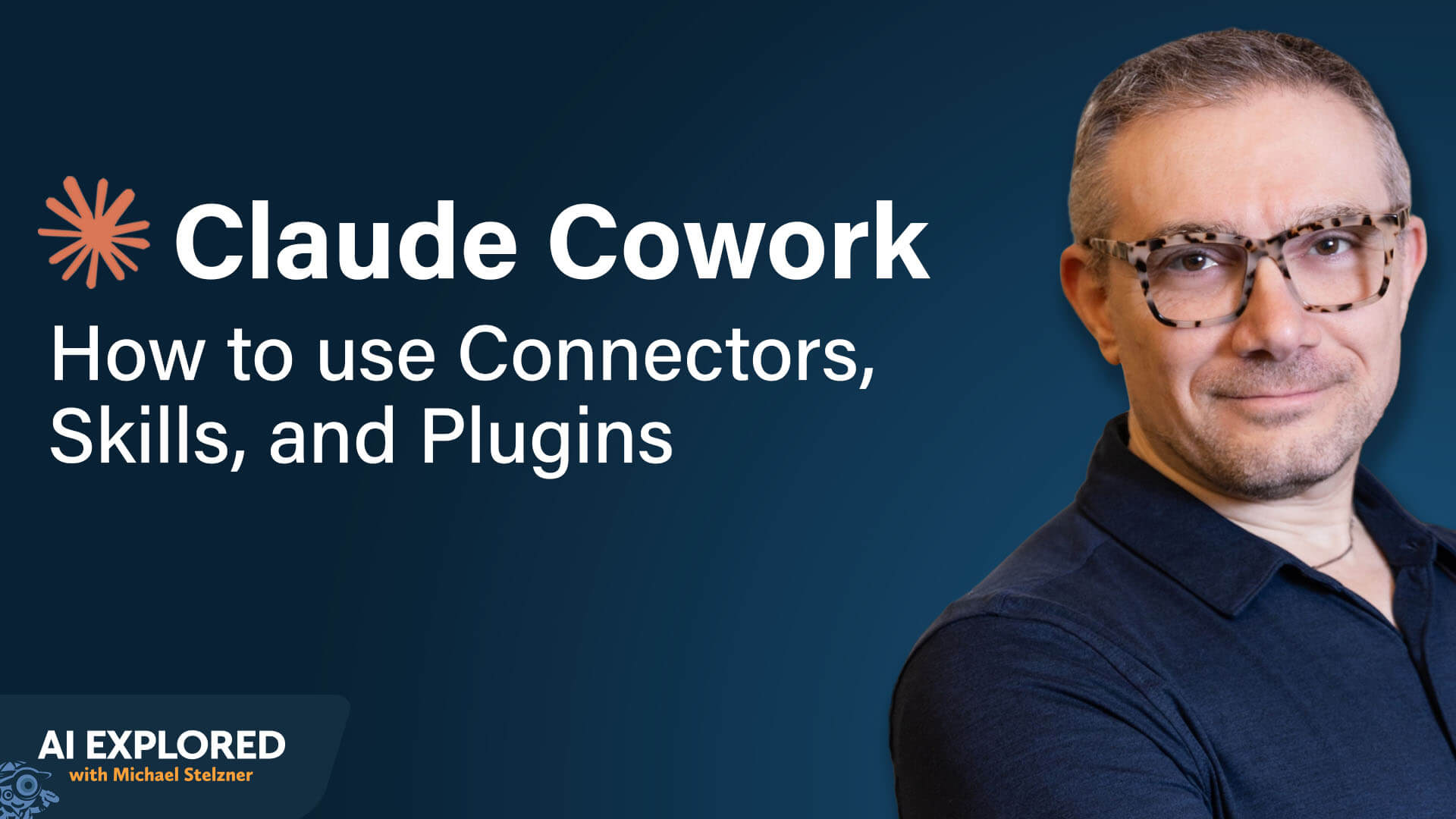
Enter Claude Cowork, the agentic desktop application launched by Anthropic in January 2025. Unlike the standard web-based Claude interface, which functions as a conversational partner, Cowork operates as a sophisticated, autonomous agentic layer. It transforms the user from a prompt engineer into a manager—or supervisor—of intelligent digital workflows. By integrating Projects, Connectors, and specialized Skills, Cowork doesn’t just suggest solutions; it executes them.
The Core Concept: From Chatbot to Digital Employee
The fundamental shift in the Claude Cowork paradigm is the transition from "interactive conversation" to "delegated execution."
As AI strategist Dan Nestle observes, a standard Claude Project functions much like a bright, eager intern who requires constant oversight and guidance. In contrast, Claude Cowork acts as an experienced professional. You provide a clear, high-level brief, and the agent goes off to execute the task, only returning to your "desk" when a critical decision is required or the project is complete. This architectural change allows users to focus on high-level strategy while the AI handles the granular "heavy lifting."

Real-World Utility: Four Pillars of Cowork Automation
To understand the power of this shift, consider how Cowork handles tasks that typically consume hours of human labor:
- Autonomous Website Management: Rather than attempting to navigate technical backends yourself, Cowork can be granted controlled access to platforms like WordPress. It can diagnose configuration needs, research the most reliable plugins, secure user approval, and execute the installation and implementation—all while ensuring the site remains stable.
- Scalable Content Engines: By linking Cowork to a dedicated content Project, users can automate entire workflows. A single instruction—such as "Search for trending industry topics daily, synthesize source material, and generate three summaries and two LinkedIn posts using our established brand voice"—turns an hours-long task into a morning "set-and-forget" process.
- Project Optimization: As AI models evolve, system instructions that worked perfectly for older iterations may become obsolete or inefficient. Cowork can ingest existing project parameters and automatically refactor them to suit the latest, most capable models, ensuring peak performance without manual rewriting.
- Browser-Based Agentic Tasking: Perhaps its most transformative feature is the ability to operate within Chrome. Cowork opens its own tab group, navigating web applications, filling out forms, and verifying data in the background, allowing the user to maintain their own workflow in parallel.
Getting Started: Installation and Setup
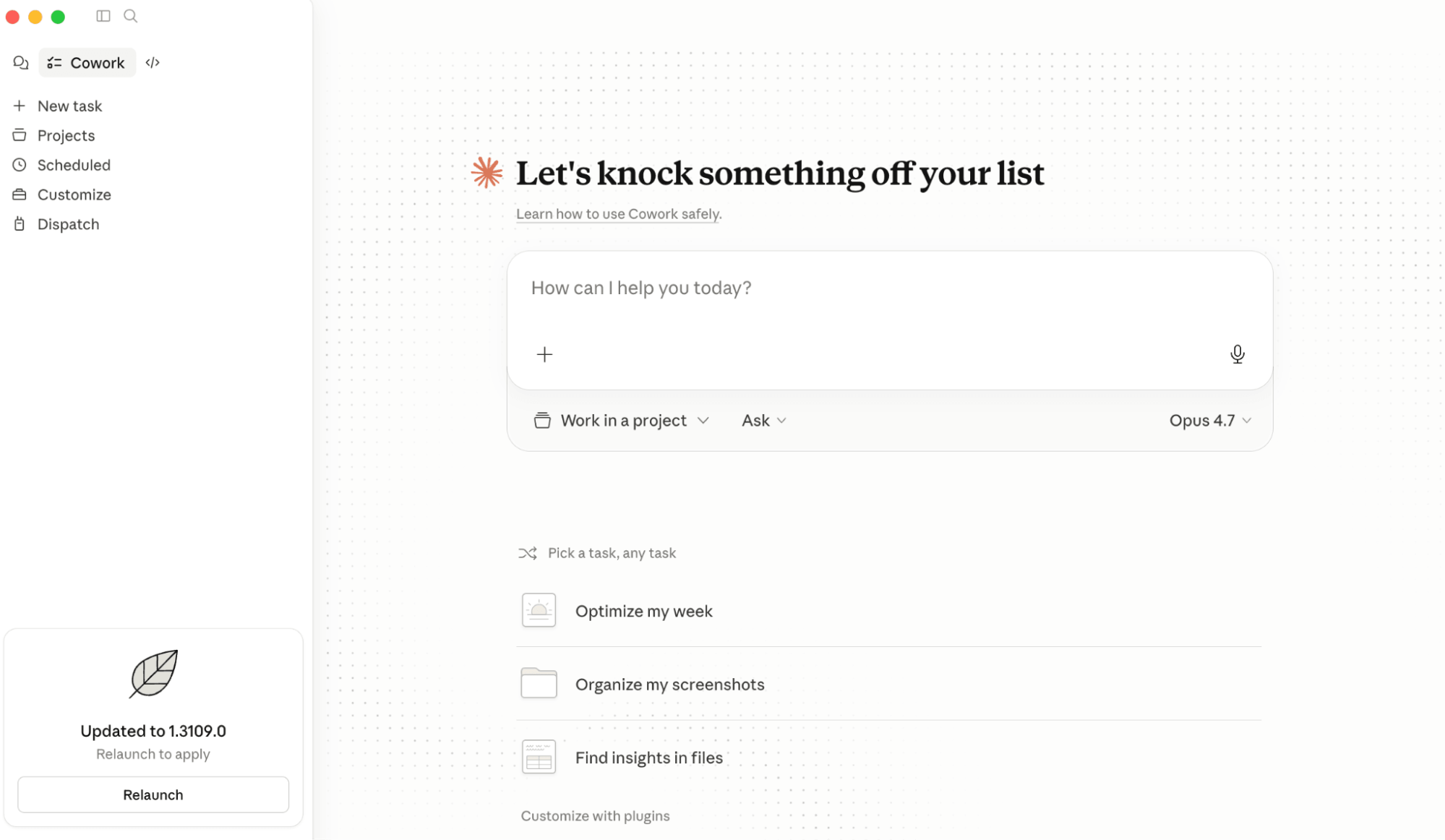
Cowork is not a browser-based tool; it is a desktop-first application. To harness its full potential, users must download and install the Claude Desktop App for macOS or Windows. Once authenticated, the interface will feel intuitive to those familiar with Claude’s web version, but the underlying capability is significantly more robust.
Bridging the Gap: Connecting Projects
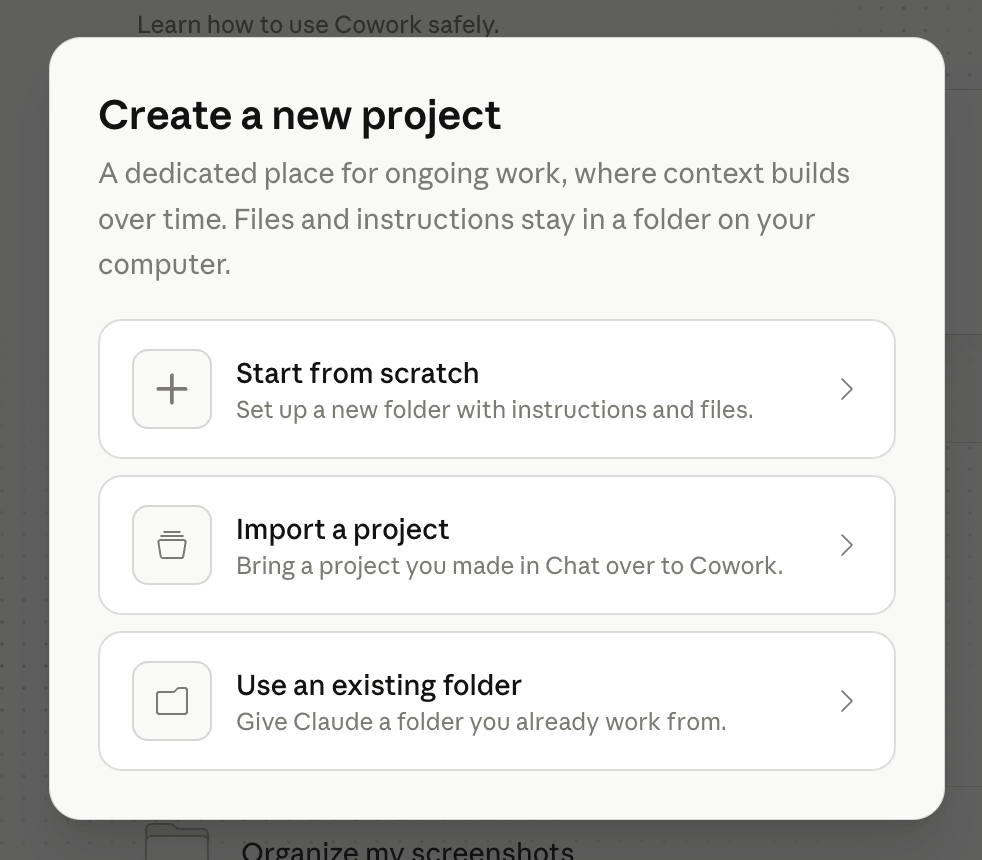
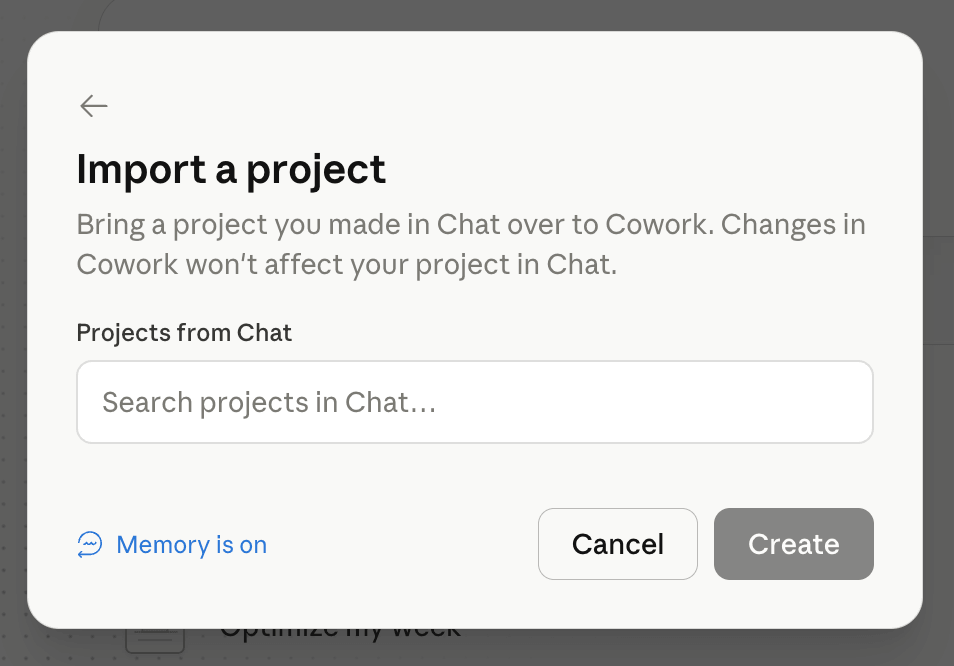
The power of Cowork is magnified when it is connected to a specific Claude Project. By navigating to the "Work In a Project" dropdown, users can import their existing workspace architectures—complete with custom instructions, brand guidelines, and knowledge bases. Once connected, every action Cowork takes is informed by the accumulated "context" of that specific project, ensuring consistency and accuracy.
The Infrastructure of Efficiency: Connectors, Skills, and Plugins
To function effectively, Cowork utilizes three primary building blocks that define how it interacts with the digital world.

1. The Role of Connectors
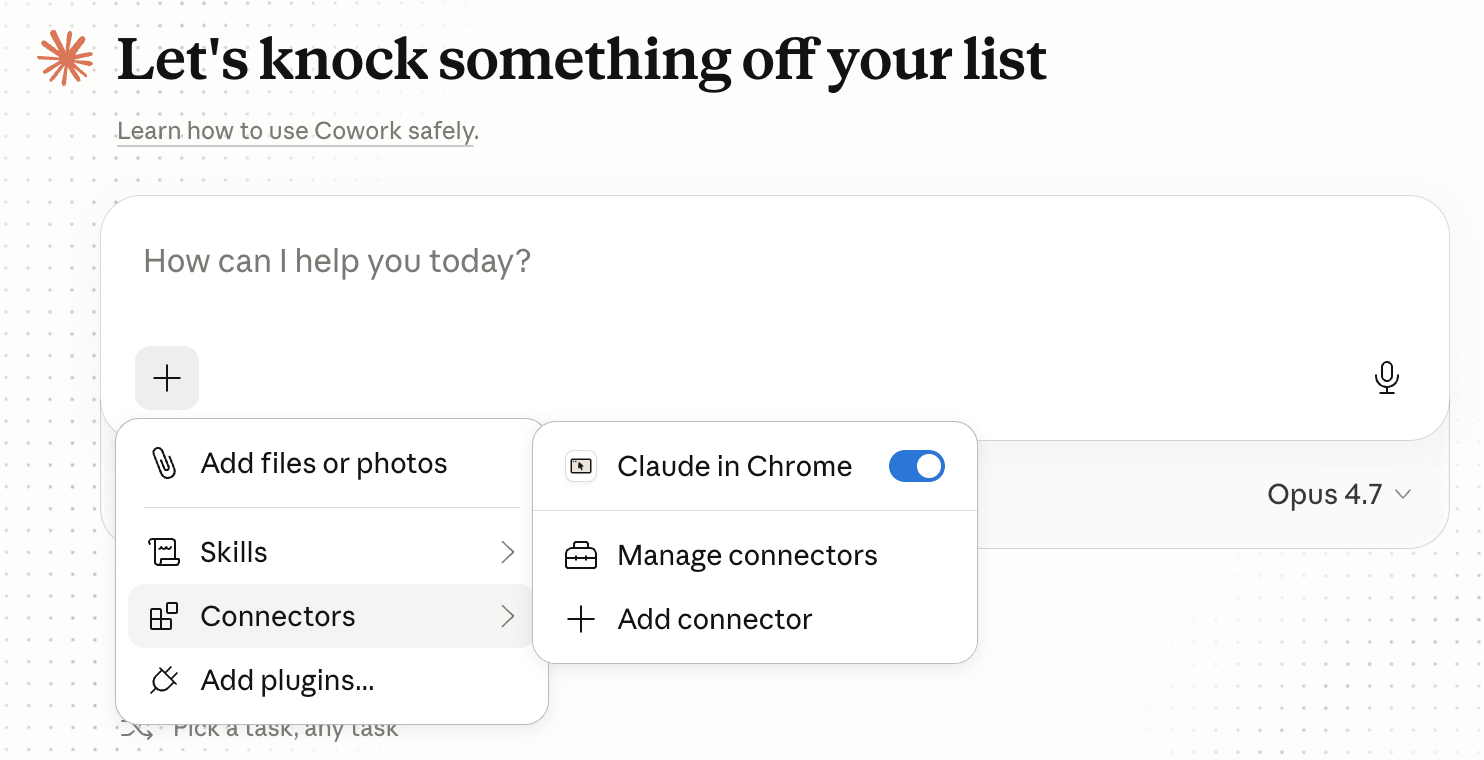
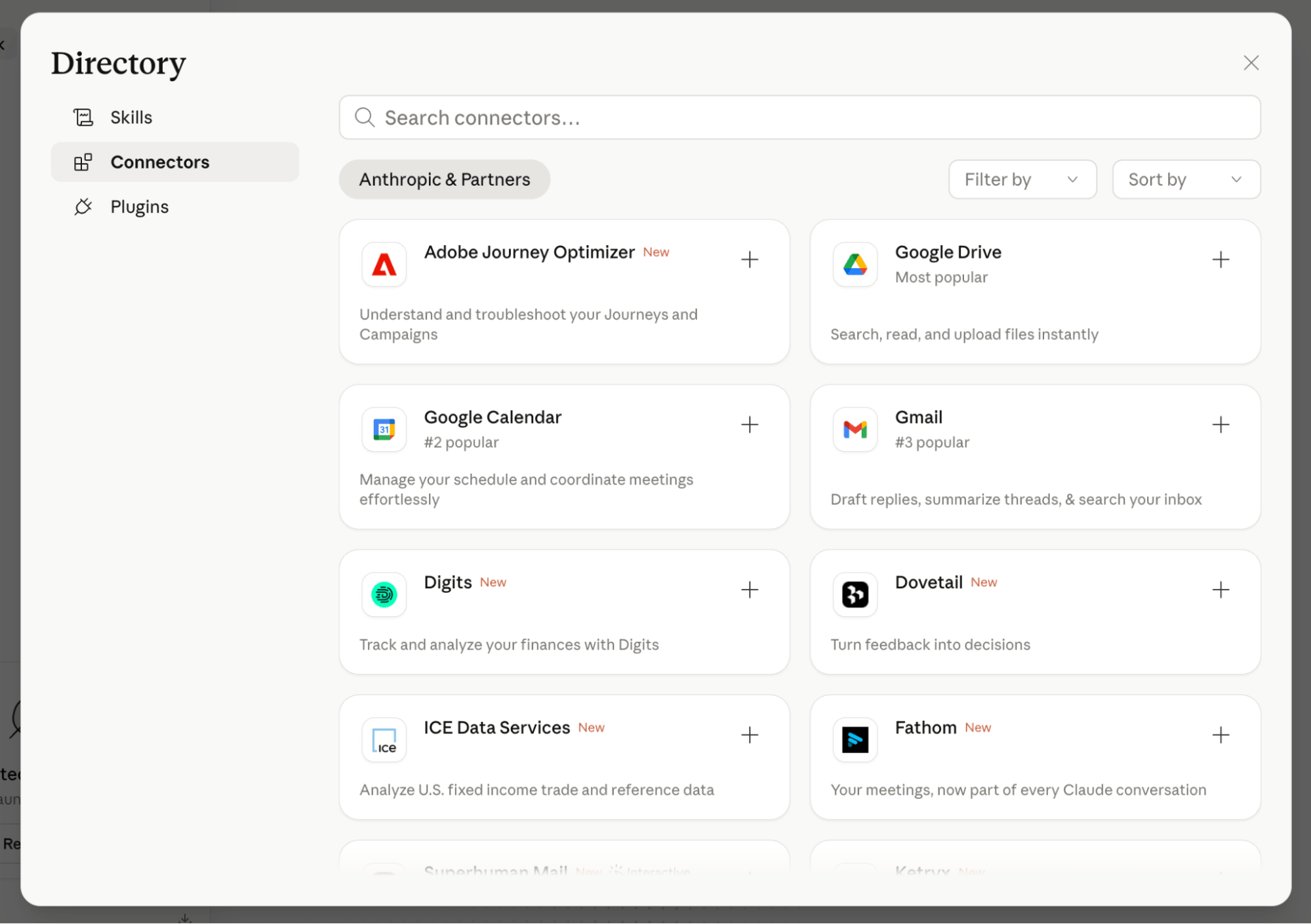
Connectors serve as the bridge between Claude and your existing software ecosystem. They eliminate the need for manual data migration or complex third-party automation tools like Zapier (though those are also available as connectors when high-level complexity is required).
With a simple click of the "+" icon in the chat interface, you can link Cowork to tools such as:
- Airtable: For real-time database management and reporting.
- Google Drive: To read, write, and organize files autonomously.
- Gmail: To manage communications and email-based workflows.
- GitHub/Asana: For technical and project management integration.
2. Developing and Deploying Skills
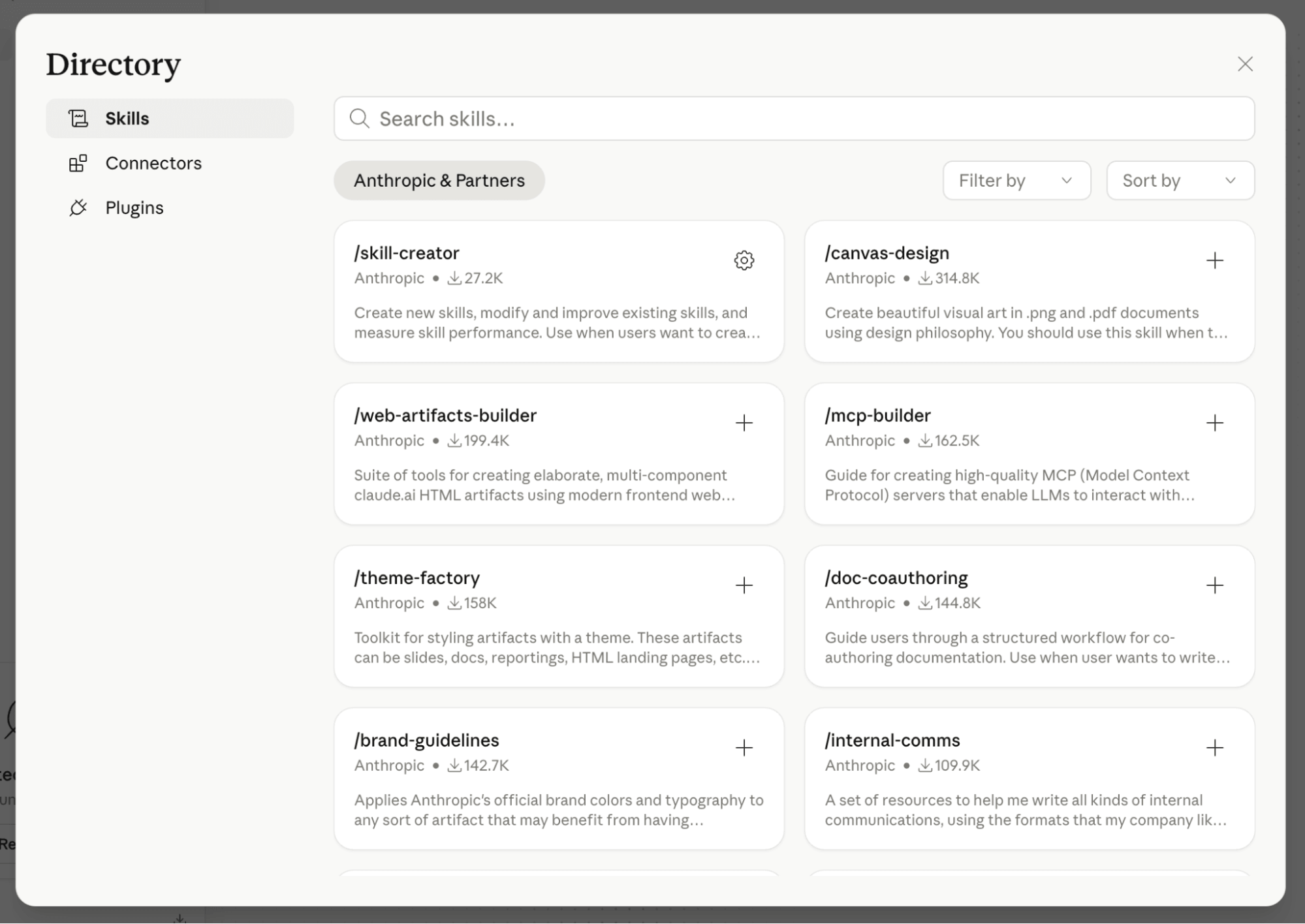
A "Skill" is essentially a pre-packaged, reusable instruction set. Think of it as a custom mini-application tailored to your specific business requirements. If you find yourself repeatedly explaining your Ideal Customer Profile (ICP) or your editorial standards, you can package that information into a Skill.
Once saved, invoking that skill becomes as simple as saying, "Run this idea by my ICP skill." Cowork will then automatically evaluate your work against those specific parameters, providing a consistent, high-quality audit that saves significant time.
3. Plugin Bundles
Plugins offer a higher-order level of organization. While a Skill handles a single task, a Plugin is a thematic collection of Skills—such as a "Marketing Strategy Plugin" or an "Engineering Suite." These bundles allow users to quickly deploy comprehensive toolkits to address broad categories of business challenges.
Security, Compliance, and Professional Best Practices
Because Cowork operates as an autonomous agent with the ability to interact with your local files and online accounts, a "security-first" mindset is mandatory.
- Granular Permissions: Cowork does not act without your explicit authorization. It will request permission for every new task or application access point. Users should treat this tool with the same level of caution they would apply to any software granted administrative access to their business accounts.
- Data Privacy Settings: By default, many AI platforms utilize user conversations to train their future models. For professionals handling sensitive proprietary data, it is highly recommended to opt out of model training within the Claude settings. This ensures your confidential project data remains isolated from the public training corpus.
- The Audit Trail Gap: While the tool is excellent for personal and small-team productivity, Enterprise users should note that, as of early 2025, native logging for compliance audits may be limited. Organizations with strict regulatory requirements should consult their IT and security departments before integrating Cowork into sensitive, regulated workflows.
Implications for the Future of Work
The release of Claude Cowork marks a pivotal moment in the trajectory of generative AI. We are shifting away from the "novelty" phase of interacting with chatbots and into the "industrial" phase of leveraging AI as a scalable, agentic workforce.
For the average professional, the implications are profound:
- Reduction in Cognitive Load: By offloading repetitive, low-value tasks to an autonomous agent, workers can reclaim their time for creative, strategic, and high-impact decision-making.
- Standardization of Output: By utilizing Skills and Projects, businesses can ensure that every piece of content, every report, and every communication adheres strictly to established brand guidelines, regardless of who is operating the AI.
- The Rise of the "AI Supervisor": The most valuable skill in the coming years will not be prompt engineering in the traditional sense, but the ability to manage, monitor, and refine the performance of agentic systems.
As these tools continue to mature, the gap between those who "chat" with AI and those who "supervise" AI agents will become a defining factor in professional competitiveness. Claude Cowork represents a significant step toward a future where the AI does not just tell you what to do, but actually does it for you.
About the Expert
Dan Nestle is an AI strategist and the co-founder of LilyPath, an organization dedicated to helping professionals and brands establish authority through the intelligent application of AI and LinkedIn. He is also the host of The Trending Communicator podcast. For more insights on the changing landscape of AI, follow him on LinkedIn.
This article was produced in collaboration with Social Media Examiner and is based on insights shared on the "AI Explored" podcast. For more information on navigating the AI frontier, subscribe to "AI Explored" on Apple Podcasts, Spotify, or your preferred podcast platform.