Breaking the Mold: Why Your AI Images Look Generic—and How Professional Marketers Are Fixing It
Main Facts
Artificial intelligence image generation has evolved past the uncanny valley of six-fingered hands, plastic skin, and warped proportions. Modern image generators—specifically large language model-backed systems like OpenAI’s GPT Image and multi-model platforms like Magnific—possess the technical capability to produce visuals that are entirely indistinguishable from high-end commercial photography.
Yet, despite this technological leap, feeds across social media and digital storefronts remain flooded with cookie-cutter visuals. Industry experts attribute this persistence of "AI slop" not to technological limitations, but to user error. Without deliberate prompt engineering, precise reference materials, and a structured understanding of design, tools default to mathematically average, predictable layouts.
To overcome this, leading marketers are adopting sophisticated workflows—such as a proprietary seven-pillar prompt framework and multi-model orchestration tools—to generate hyper-specific, brand-aligned visual assets at scale.
Chronology: The Evolution of AI Imagery
To understand the current state of AI-generated visuals, it is helpful to examine how rapidly the technology has matured:

- The Early Diffusion Era: When early generative models like DALL-E first emerged, results were frequently dismissed. These diffusion-based models operated by starting with pure static noise and incrementally "chipping away" like a sculptor to reveal an image. They struggled heavily with human anatomy, text rendering, and complex contextual reasoning.
- The Shift to Context-Aware Models: The newest generation of image generators represents a fundamental architectural shift. Instead of treating text as a simple search query for isolated visual components, models backed by large language models process deep semantic context, current events, and multi-layered relationships.
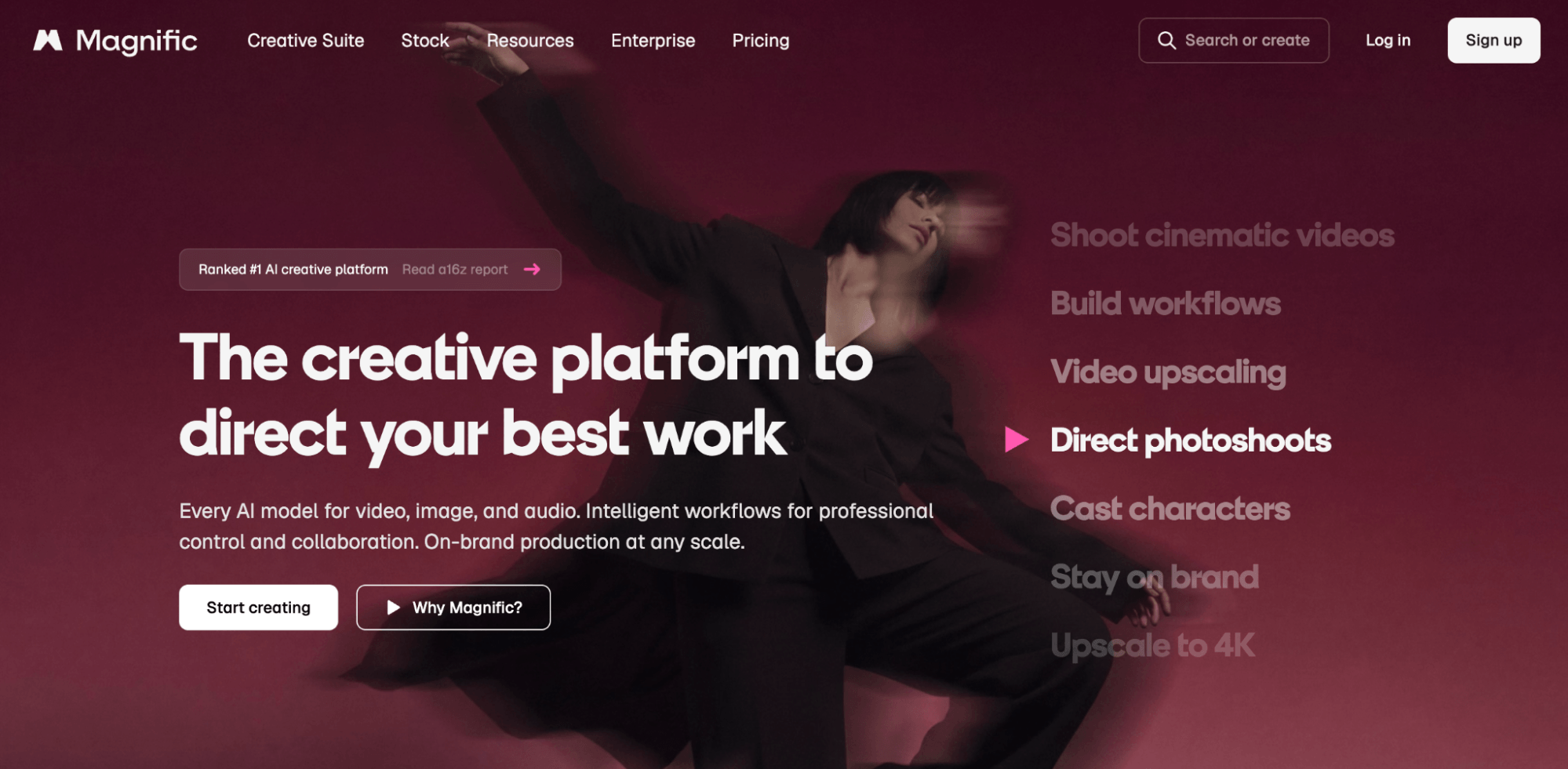
- The Rise of Workflow Integration (Present Day): Today, platforms like Magnific (formerly Freepik) integrate Model Context Protocol (MCP) connectors, allowing marketers to blend chat-based assistants like Claude directly into design pipelines. Prompts can now trigger automated multi-model comparisons, batch variations, and seamless handoffs to professional software like Adobe Photoshop and Illustrator.
Supporting Data and Technical Mechanics
The core difference between generic AI outputs and professional-grade visuals lies in how modern models process data compared to their predecessors.
Why Generic Outputs Happen
When a user inputs a vague prompt—such as "Make me a flyer for my product"—the underlying model falls back on its training baseline. Because it has not been given explicit creative direction, it selects the most statistically probable average fonts, standard icon placements, and predictable layouts. The result is the ubiquitous, homogenized aesthetic recognized across digital marketing channels.
The Power of LLM-Backed Vision
Unlike older generation models, current systems can actively analyze uploaded assets. For example:
- Product Contextualization: If a marketer uploads a reference image of a specialty beverage alongside a prompt to build a world around it, the model identifies specific flavor notes (e.g., peach, pineapple, mango) and dynamically constructs a bespoke, matching environment.
- Text Rendering: Modern models can accurately process paragraphs of text, style instructions, and exact compositional placements, provided they are given explicit directions rather than broad requests.
Scaling Product Lines
For brands managing massive inventories, this capability transforms operational efficiency. For instance, companies with hundreds of Stock Keeping Units (SKUs) can establish core prompt templates. By feeding individual product reference images into the template, the AI reads the specific colors and characteristics of each item, instantly generating hundreds of distinct yet cohesive promotional images that share a unified brand look.
Official Insights and Frameworks: The Seven-Pillar Prompt Approach
In professional marketing discussions, experts emphasize that having a strong design aesthetic ("taste") is entirely different from being able to articulate it in words—which is precisely what AI requires. To bridge this gap, practitioners rely on structured methodologies.
The Seven-Pillar Prompt Framework
Developed as a comprehensive control panel rather than a rigid checklist, this framework breaks image generation down into seven distinct dimensions:

- Medium: Defines the exact format—such as a crisp photograph, a fine-art illustration, a 3D render, or specific line art.
- Subject and Action: Moves beyond basic identification (e.g., "a person") to narrative-driven action (e.g., "a person looking into a mirror with a content expression, illuminated by soft morning light").
- Setting and Scene: Replaces generic locations with hyper-specific environmental details that crowd out the model’s default choices.
- Composition: Dictates framing, such as wide shots, close-ups, overhead perspectives, or specific graphic layouts.
- Lighting: Establishes emotional resonance and visual depth by specifying exact light sources, color temperatures, and shadow behaviors.
- Aesthetic and Vibe: Translates stylistic inspirations (such as symmetry, color saturation, or historical periods) into descriptive language rather than simply naming copycat artists.
- Intent: Directs the model on what psychological response the viewer should experience, allowing the underlying language model to adjust facial expressions and color warmth accordingly.
Best Practices for Reference Inputs
- Keep it Relevant: Only upload reference materials directly applicable to the specific asset being created. Mixing full-body photos with close-up prompts creates unnecessary model confusion.
- Specify Exact Values: Brand colors should always be communicated via exact hex codes rather than generic color names.
- Maintain Character Sheets: For recurring characters, generate a single contact sheet featuring front, side, and full-body views to use as a master reference for all future prompts.
Implications for the Future of Digital Marketing
The shift toward advanced, multi-model AI workflows carries profound implications for agencies, internal marketing teams, and content creators alike.
Increased Content Velocity
Traditional marketing cycles often rely on costly quarterly photo shoots. With advanced AI orchestration, brands can refresh ad creatives, seasonal campaigns, and localized product variations on a weekly basis without sacrificing visual consistency. B2B service companies and e-commerce brands alike can construct entire web pages, sales funnels, and multimedia campaigns that share a single, unified visual world.
The Democratization of Art Direction
By utilizing advanced chat integrations (such as instructing an AI assistant to think like a creative director, director of photography, and lighting stylist), marketers without formal design degrees can produce sophisticated, professional-grade visual assets. As plugins for industry-standard software like Adobe Photoshop and Illustrator become ubiquitous, AI is rapidly transitioning from a novelty gimmick into an indispensable, deeply integrated pillar of modern digital production.