Drought Clouds Over Mullaperiyar: Water Crisis Threatens Agriculture and Tourism Across Kerala-Tamil Nadu Border
By Our Regional Correspondent
July 16, 2026
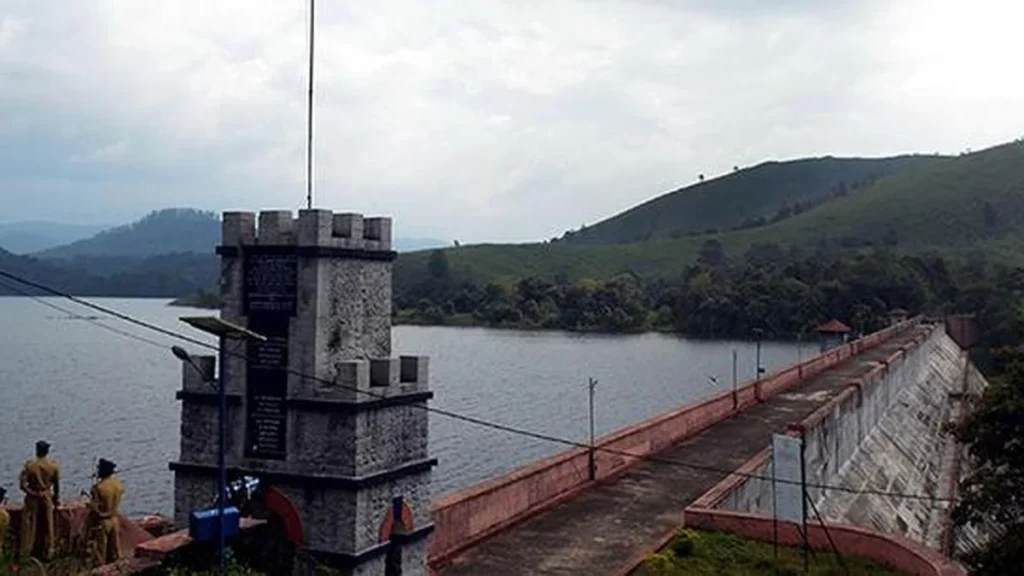
The Mullaperiyar Dam, a vital lifeline straddling the border between Kerala and Tamil Nadu, is currently facing one of its most precarious water deficits in recent years. As of Wednesday, July 15, 2026, the reservoir’s water level plummeted to a concerning 112.9 feet. This figure represents a staggering 18.5-foot drop compared to the same period in 2025, when the water level stood at 131.4 feet. This hydrological deficit has triggered a cascade of socio-economic anxieties, threatening to cripple agricultural cycles in Tamil Nadu and jeopardize the flourishing tourism industry within the Periyar Tiger Reserve (PTR).
The Current State of the Reservoir
The Mullaperiyar Dam, a gravity dam located on the confluence of the Mullayar and Periyar rivers, serves as a cornerstone for irrigation and power generation. However, the current "alarmingly low" storage levels are being driven by a lack of precipitation in the reservoir’s catchment areas. Meteorological data suggests that the southwest monsoon, which is typically the engine for filling the reservoir, has been sluggish in the high-altitude regions of the Periyar Tiger Reserve.
For local stakeholders, the 112.9-foot mark is more than just a statistic; it is a threshold of instability. If the water level continues to decline toward the 110-foot mark, the operational status of the region’s tourism and municipal water supply will shift from "stable" to "critical."
Chronology of a Developing Crisis
The timeline of this year’s crisis mirrors the volatile nature of climate-dependent water management in the Western Ghats:
- Early June 2026: Traditionally, this marks the commencement of the water-drawing season for Tamil Nadu. Farmers in the Theni district, relying on the 120-day irrigation protocol, awaited the release of water to begin the first paddy cultivation cycle.
- Late June 2026: As the monsoon failed to materialize in the catchment areas, the dam failed to reach the 118-foot threshold required by the operational mandate for the release of water to Tamil Nadu.
- Early July 2026: Anxiety peaked among the farming communities of Gudalur and Cumbum Valley. Paddy saplings, already sprouted and ready for transplantation, began to wither as the fields remained bone-dry.
- July 12, 2026: A symbolic interfaith prayer meeting was held by farmers’ associations in front of the dam shutters, echoing similar desperate measures taken during the 2019 drought.
- July 15, 2026: Official measurements confirmed the 18.5-foot deficit, bringing the crisis to the forefront of regional administrative discourse.
Agricultural Impact: A Season Lost?
The human cost of this water deficit is most visible in the sun-baked fields of Tamil Nadu’s border districts. Agriculture in this region is inextricably linked to the Mullaperiyar flow. Nearly 1.5 lakh acres of farmland—including 14,700 hectares in the Theni district alone—are currently staring at a total loss of the first cropping season.
Mr. Manoharan, a veteran caretaker of paddy farms in Gudalur, paints a grim picture of the situation. "Farmers have invested nearly ₹20,000 per acre to prepare the soil and procure high-quality seeds," he explains. "The sprouted rice seeds are now over-maturing. They have passed the point of viability for transplantation. We are effectively watching our capital evaporate into the dry soil."
Usually, the dual-cropping cycle provides stability to the rural economy. This year, however, the absence of rain in both the Kerala catchment areas and the Tamil Nadu plains has created a "double-jeopardy" scenario. Without a significant surge in monsoon activity, many farmers face the prospect of skipping the season entirely, a decision that could lead to widespread rural debt and food insecurity.
Tourism and Biodiversity at Risk
While the primary focus remains on agriculture, the tourism sector in Thekkady is bracing for a potential downturn. The Periyar Tiger Reserve (PTR) is a major draw for both domestic and international tourists, with boating in the reservoir being the centerpiece of the experience.
R. Lakshmi, Assistant Field Director (AFD) of the PTR, confirmed that while operations are currently functioning, the buffer zone is thinning. "Boating activities are running smoothly as of today," she stated. "However, the catchment areas are receiving no rain. If the water level dips below 110 feet, we will be forced to reconsider the viability and safety of the boating routes. If the trend continues, we are looking at significant disruptions to the tourism calendar."

Beyond tourism, the receding waterline poses a direct threat to the drinking water supply of the Kumily and Chakkupallom panchayats. As the reservoir shrinks, the distance between the intake pumps and the water surface increases, complicating the delivery of potable water to local residents.
Administrative and Policy Challenges
The management of the Mullaperiyar Dam has long been a subject of interstate negotiation. According to existing operational protocols, Tamil Nadu can only initiate the release of water once the reservoir reaches a level of 118 feet. This regulation is designed to ensure safety and balance, but in a drought year, it acts as a bottleneck.
The dilemma for officials is twofold:
- Hydrological Constraints: There is simply not enough water in the system to meet the 118-foot requirement.
- Socio-Political Pressure: Farmers’ groups are demanding an emergency intervention, but the physical reality of the reservoir level makes the standard release impossible under current guidelines.
This impasse has led to the aforementioned interfaith prayers, a tradition that reflects the deep-rooted cultural belief that when state mechanisms fail, the community must turn to the heavens.
Implications and Future Outlook
The 2026 crisis underscores the growing vulnerability of the Western Ghats ecosystem to climate variability. The lack of correlation between traditional seasonal expectations and the actual weather patterns observed this year suggests that the region’s water management strategies may require a paradigm shift.
1. Long-term Agricultural Resilience
The dependence on a single reservoir for the entire agricultural cycle is proving to be a high-risk strategy. Experts suggest that regional agricultural departments must move toward drought-resistant crop varieties and micro-irrigation systems that do not rely exclusively on large-scale dam releases.
2. Infrastructure and Tourism Planning
The potential shutdown of tourism in the Periyar Tiger Reserve highlights the need for a "water-sensitive" tourism model. If the reservoir becomes increasingly unreliable due to climate change, stakeholders must develop alternative attractions that do not rely on high water levels.
3. Interstate Cooperation
The Mullaperiyar issue remains a political touchstone. However, the current crisis serves as a reminder that the environment does not recognize political borders. The suffering in Gudalur and the anxiety in Thekkady are two sides of the same coin. A more integrated, data-driven approach to water sharing—one that accounts for extreme weather fluctuations—is essential to prevent future humanitarian crises.
Conclusion
As of mid-July 2026, the silence in the catchment areas of the Periyar is deafening. While the authorities monitor the gauges with bated breath, the thousands of farmers in the Cumbum Valley and the tourism operators of Thekkady remain trapped in a state of suspended animation. The Mullaperiyar Dam, designed to bring prosperity to the borderlands, is currently a silent observer of a season that may never come to fruition.
Unless the monsoon delivers a significant late-season recovery, the 2026 agricultural cycle will be remembered as a year of profound loss—a stark reminder of the fragile balance between human development and the capricious nature of the environment. The coming weeks will be critical, as every inch of rainfall will determine whether the region can salvage even a fraction of its expected harvest.