The Death of Information Overload: Why Convince & Convert is Pivoting to "The Trendline"
In an era defined by an unrelenting deluge of digital content, marketing leaders are facing a paradox: they are more informed than ever, yet they often feel less prepared to make critical strategic decisions. The daily influx of white papers, podcasts, LinkedIn think-pieces, and industry reports has created a noise floor so high that the signal is frequently lost.
For the team at Convince & Convert (C&C), a leading consultancy in the digital marketing space, the solution to this problem is not to produce more content, but to provide better filters. Following a comprehensive annual audit of their audience’s habits and preferences, the firm has announced a major strategic shift in its owned media strategy, sunsetting its long-standing "ON" newsletter in favor of a newly branded, insight-heavy publication titled The Trendline.
The Signal in the Noise: Why Newsletters Are Dominating
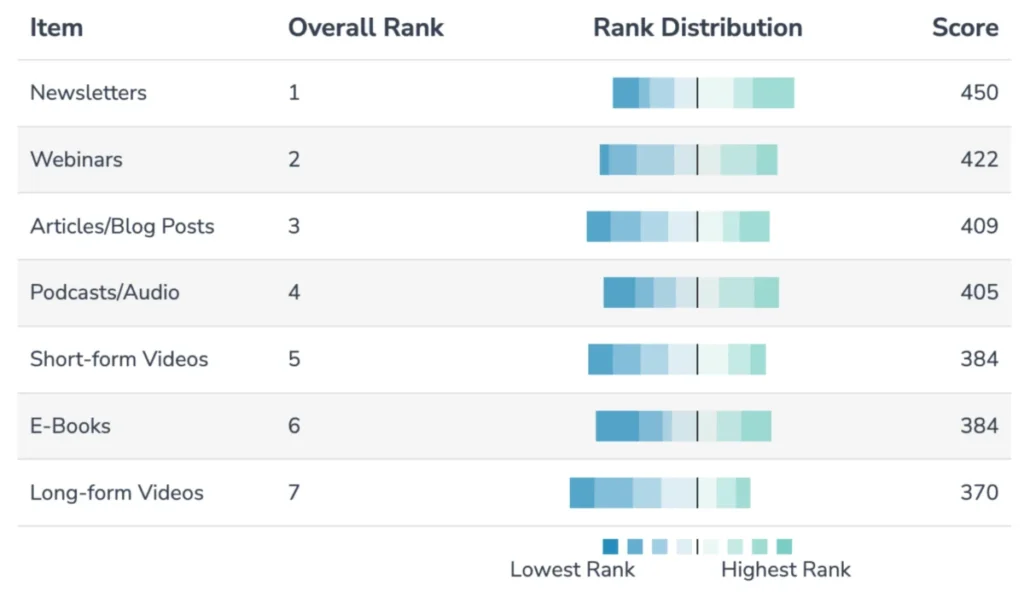
The pivot reflects a broader shift in how high-level decision-makers consume professional development material. According to data collected in C&C’s most recent audience survey, newsletters have emerged as the preferred medium for marketing leaders—surpassing short-form video, webinars, blogs, and even podcasts.
When asked to rank seven distinct content formats by preference, respondents consistently placed newsletters at the top of the list, with a likelihood of being ranked first nearly double that of any other medium. The implication is clear: in a landscape saturated with "must-read" content, leaders are actively seeking out curated, smart summaries that offer synthesis over raw volume.
Chronology of the Shift: From "ON" to "The Trendline"
The transition was not a sudden impulse, but a calculated response to evolving audience needs.
- Phase 1: The Audit. Over the past year, C&C leadership conducted deep-dive surveys and qualitative interviews with their core audience—primarily marketing decision-makers. The goal was to identify where the current content model was failing to meet the demands of a fast-paced industry.
- Phase 2: The Realization. The team discovered that their previous newsletter format, "ON," was effective at distributing links but failed to offer the high-level synthesis busy professionals required. It functioned as a content aggregator rather than a strategic partner.
- Phase 3: The Redesign. Leveraging insights from the research, the team began developing a "debrief" model. The focus shifted from merely pointing readers toward content to providing the "why" and "so what" directly within the email body.
- Phase 4: The Launch. With the unveiling of The Trendline, the company has formalized its commitment to providing value upfront, ensuring that readers can extract actionable intelligence without needing to click through to external sites unless they choose to do so.
Supporting Data: The Anatomy of Modern Engagement
The move to The Trendline is anchored by hard data. The research conducted by C&C highlighted three distinct failures in the traditional newsletter model that are currently plaguing many B2B brands:

- The "Click-Bait" Dependency: Traditional newsletters often rely on hiding value behind a link. Modern audiences, particularly in leadership roles, are increasingly resistant to this "click-to-read" friction.
- The Context Gap: Providing a list of links is a commodity service. The value-add in today’s landscape is the "strategic lens"—the ability of an editor to interpret a news event or trend through the specific needs of a marketer.
- Fragmented Attention: Because marketing leaders have less time for deep-dives, the content must be structured for rapid consumption while still providing depth.
The survey results serve as a wake-up call for content marketers: if your audience is not engaging, it is likely because your content requires too much "work" to consume.
The Strategic Lens: Official Responses and Philosophy
"My theory is that marketing leaders don’t need more content," says the leadership team at Convince & Convert. "They need better filters. They want to be entertained, inspired, and feel smarter. The goal of The Trendline is to help them make smarter decisions in an industry built on rapid change."
The philosophy behind the redesign is rooted in the belief that email remains the most intimate and effective channel for building authority. By moving the core insight into the email itself, the brand is prioritizing the reader’s time over click-through rate (CTR) metrics.
This approach mirrors the strategies often used when presenting to C-suite executives. Just as a CEO expects a summary of the bottom line before viewing the underlying charts, marketing leaders expect a synthesized takeaway before they commit time to an external article or report.
Implications for the Future of Email Marketing
The launch of The Trendline serves as a case study for brands looking to revitalize their email strategy. The implications for the broader industry are significant:
1. Value Upfront is the New Standard
Brands can no longer afford to "tease" their audience with vague headlines that require a click to understand. The most successful newsletters of the coming decade will be those that provide complete, standalone value within the inbox. If the reader learns something new before they ever touch a link, the trust and brand affinity grow significantly.

2. The Move Toward "Owned" Media Authority
As social media algorithms continue to fluctuate, the newsletter has become a critical owned channel. By creating a unique, brandable title like The Trendline—as opposed to a generic "Weekly Update"—a firm creates a product that is shareable, discoverable, and capable of building a distinct reputation.
3. Qualitative Metrics over Vanity Metrics
The inclusion of "Sound Off"—an interactive, low-friction poll included at the end of the newsletter—demonstrates a pivot in how engagement is measured. While open rates and click rates remain standard, they are often "muddy." Direct engagement via polls or replies provides clearer, more actionable data on what topics actually resonate with an audience.
4. Hierarchy Over Medium
The new formatting guidelines for The Trendline prioritize the importance of the story over the medium in which it was originally published. Previously, newsletters were often organized by format (e.g., "Our Blog Post," then "Our Podcast"). The new approach organizes content by its strategic relevance, ensuring that the most critical information is always front and center.
How to Apply These Lessons to Your Strategy
For marketers looking to follow the C&C blueprint, the process begins with radical empathy for the reader.
- Identify the Pain Points: What is the one thing your audience is stressed about? Your newsletter should provide a relief valve for that stress by synthesizing the information that is causing the anxiety.
- Audit Your Format: Are you organizing your newsletter by your internal content departments (e.g., "Video Team," "Blog Team"), or are you organizing it by the problems your readers are trying to solve?
- Invest in Editing: Curation is the new creation. Providing a high-quality summary requires more editorial labor than simply dropping a link, but it yields higher returns in terms of trust and authority.
Conclusion: The Path Forward
The pivot to The Trendline is a bold acknowledgment that the rules of engagement have changed. In a world where attention is the scarcest currency, those who provide the most value with the least amount of friction will win.
By listening to their audience and recognizing that today’s marketing leaders need a guide rather than a librarian, Convince & Convert is positioning itself at the forefront of a necessary evolution in email marketing. The shift is not merely about a change in name or design; it is a fundamental shift in how brands must think about their responsibility to the reader. In the end, the most successful content strategy for the modern age is simple: respect the reader’s time, provide clear, actionable insights, and always be willing to evolve based on the data provided by the very people you aim to serve.