Escalating Tensions: Bank Unions Threaten Indefinite Strike Following Stalled Negotiations
By Reema Sharma
Updated: September 11, 2026, 09:27 AM IST
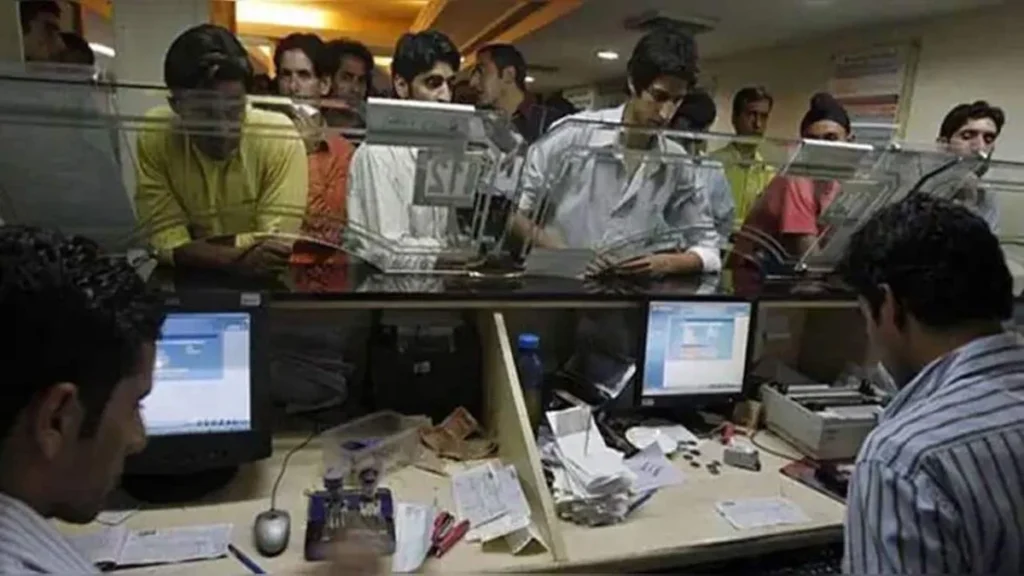
The Indian banking sector, a critical pillar of the nation’s economy, stands at a precarious crossroads this week. As of September 11, 2026, employee unions have intensified their agitation, signaling a breakdown in communication between the workforce and the government-led management of public sector banks. While current disruptions are being managed, the shadow of a much larger, more severe industrial action looms on the horizon.
In a move that has sent ripples through the financial services industry, bank unions have officially served notice of an indefinite, nationwide strike set to commence on October 26. This escalation comes as a direct response to the persistent failure of policymakers and bank management to address long-standing grievances regarding wage revisions, working hours, and structural reforms within the sector.
The Core Conflict: Why Unions Are Pushing Back
The decision to escalate protests to an indefinite strike is not a sudden development, but rather the culmination of months of simmering frustration. At the heart of the dispute lie several key demands that have remained unresolved despite multiple rounds of bipartite talks.
1. Wage Revision and Compensation
Unions are demanding a significant overhaul of the wage structure. With inflation impacting the cost of living, employees argue that the current compensation packages are insufficient to reflect the rising productivity of bank staff. They are seeking a revision that keeps pace with the modern economic environment, emphasizing that public sector employees have been neglected while the banking sector continues to report record-breaking profits.
2. The Five-Day Work Week
Perhaps the most persistent demand is the implementation of a five-day work week. Currently, bank employees operate under a system that mandates work on specific Saturdays. Unions argue that this schedule contributes to burnout and does not align with the practices of other major corporate sectors in India. They view the five-day work week as a necessary evolution to ensure better work-life balance for the millions of personnel tasked with managing the nation’s financial health.
3. Pension and Recruitment Concerns
Beyond salary, there is deep concern regarding the stagnation of recruitment. Unions claim that a significant portion of the workforce is nearing retirement, and the lack of fresh hiring is leading to understaffing. This, in turn, increases the workload on current employees, leading to systemic stress. Furthermore, pension updation for retirees remains a contentious point, with unions demanding that the government fulfill its moral obligation to the veterans of the banking industry.
A Chronology of the Stand-Off
The path to the October 26 strike deadline has been marked by a series of failed negotiations and escalating protests:
- Early 2026: Initial discussions regarding the Bipartite Settlement begin. Early optimism quickly fades as management offers fall short of union expectations.
- May 2026: Unions initiate symbolic protests, including "black badge" days and lunch-hour demonstrations, to draw attention to their grievances.
- July 2026: The Indian Banks’ Association (IBA) hosts a high-level meeting, but the deadlock remains unbroken. Unions express disappointment at the lack of "concrete proposals."
- August 2026: Regional protests erupt across major cities, with local chapters of bank unions coordinating walkouts.
- September 11, 2026: Following a breakdown in the latest round of talks, the United Forum of Bank Unions (UFBU) formally announces the October 26 indefinite strike, marking a point of no return unless government intervention occurs.
The Economic Implications: What the Public Should Expect
An indefinite strike in the banking sector is an unprecedented threat to the nation’s daily financial operations. Unlike short-term strikes, an indefinite cessation of work would have cascading effects on the economy.
Disruption of Financial Services
Public sector banks—including giants like the State Bank of India (SBI) and Punjab National Bank (PNB)—form the backbone of retail banking in India. An indefinite strike would lead to:
- Branch Closures: Customers would be unable to perform manual transactions, including cash deposits, withdrawals, and updates to passbooks.
- Clearing House Operations: The clearing of cheques and demand drafts would effectively grind to a halt. This would delay commercial payments, impacting small and medium-sized enterprises (SMEs) that rely on timely clearing cycles.
- Government Treasury Operations: Since public sector banks handle government receipts and payments, an indefinite strike could complicate salary disbursements for government employees and the processing of tax payments.
Digital Banking as a Buffer
While bank branches may be closed, digital banking channels such as NEFT, RTGS, IMPS, and UPI are expected to remain functional. However, technical support for these platforms is often managed by the very staff now contemplating the strike. If the strike includes the IT and backend support departments, the stability of digital transactions could be compromised, leading to significant public inconvenience.
Official Responses and Stakeholder Stance
The response from the government and banking management has been one of cautious observation. An official spokesperson for the Indian Banks’ Association (IBA) noted that while they remain committed to "constructive dialogue," there are fiscal constraints that limit the extent of wage revisions.
"The banking sector is currently navigating a volatile global market," the statement read. "While we acknowledge the concerns of our employees, any wage agreement must be sustainable and aligned with the long-term viability of the institutions."
Conversely, union leaders have labeled these arguments as "stalling tactics."
"We have been patient for far too long," said a representative from a leading bank union. "The government expects bank employees to be the front line of every government initiative, from financial inclusion to emergency relief, yet they treat our basic demands for fair pay and working hours as secondary. October 26 is not just a date; it is a signal that our patience has been exhausted."
Supporting Data: The Productivity vs. Compensation Gap
An analysis of the current fiscal performance of public sector banks provides a compelling backdrop to the union demands. Over the past four quarters, public sector banks have witnessed a significant surge in profitability.
- Net Profit Growth: Most major public sector banks have reported a year-on-year profit increase of over 20-30%, driven by improved asset quality and reduced non-performing assets (NPAs).
- Workforce Density: Despite the increase in business volume, the number of employees has remained stagnant or, in some cases, decreased due to natural attrition.
- Workload Metrics: Data suggests that the per-employee business volume has reached an all-time high, corroborating the union’s claim that current staffing levels are inadequate to handle the increased digital and physical transaction loads.
Experts argue that these numbers support the union’s position that the banking sector can afford the proposed wage hikes and recruitment drives. They suggest that the government’s reluctance may be rooted in a broader fiscal strategy to keep overheads low, but this approach is now triggering a social and industrial cost that may soon outweigh the benefits.
Looking Ahead: Can a Crisis Be Averted?
The window for reconciliation is narrowing. Typically, in such high-stakes scenarios, the Union Ministry of Finance steps in as a mediator to prevent systemic disruption. The coming weeks are likely to see an increase in back-channel negotiations.
If the government fails to propose a credible roadmap for the five-day work week and a satisfactory wage settlement by mid-October, the nation faces the prospect of an indefinite closure of its public banking network. For the average consumer, the advice is clear: plan ahead for essential financial requirements and, where possible, migrate sensitive transactions to digital platforms.
However, the broader concern remains the health of the banking workforce. A demoralized, overworked, and disgruntled staff is rarely the hallmark of a resilient financial sector. As the October 26 deadline approaches, all eyes will be on the Ministry of Finance and the IBA to see if they can bridge the divide before the nation’s banking services are brought to a standstill.
The situation is fluid, and further updates are expected as labor unions and management prepare for the next round of high-pressure negotiations. Citizens are advised to keep a close watch on official communications from their respective banks to understand the potential impact on their local branches.