Expanding the Horizon: A Deep Dive into the Oppo Find X10 Pro Max Hasselblad Teleconverter Kit
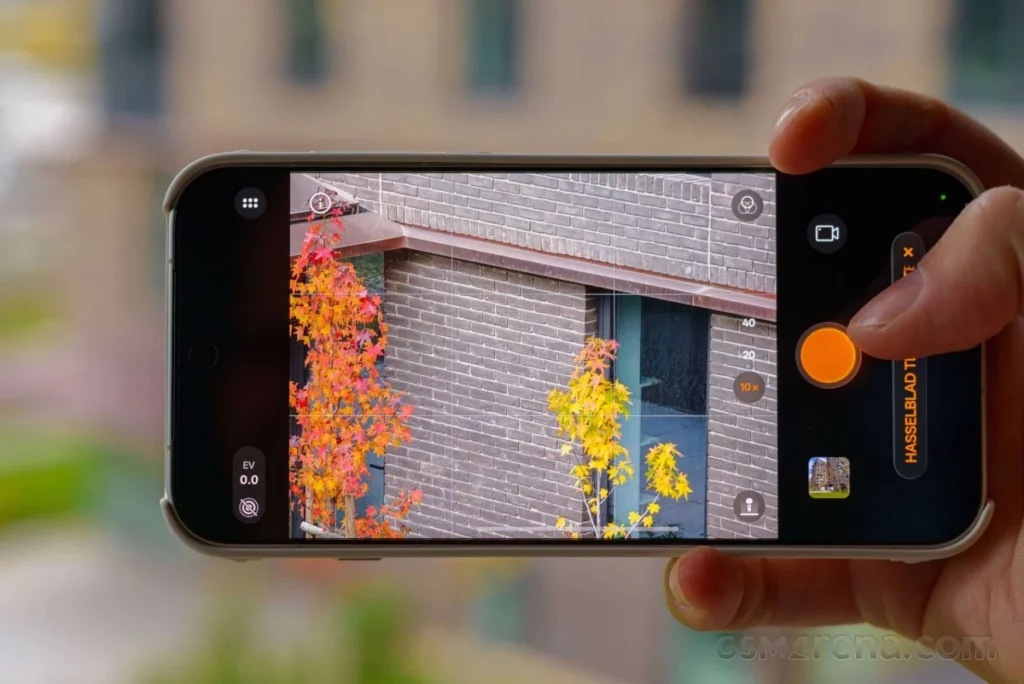
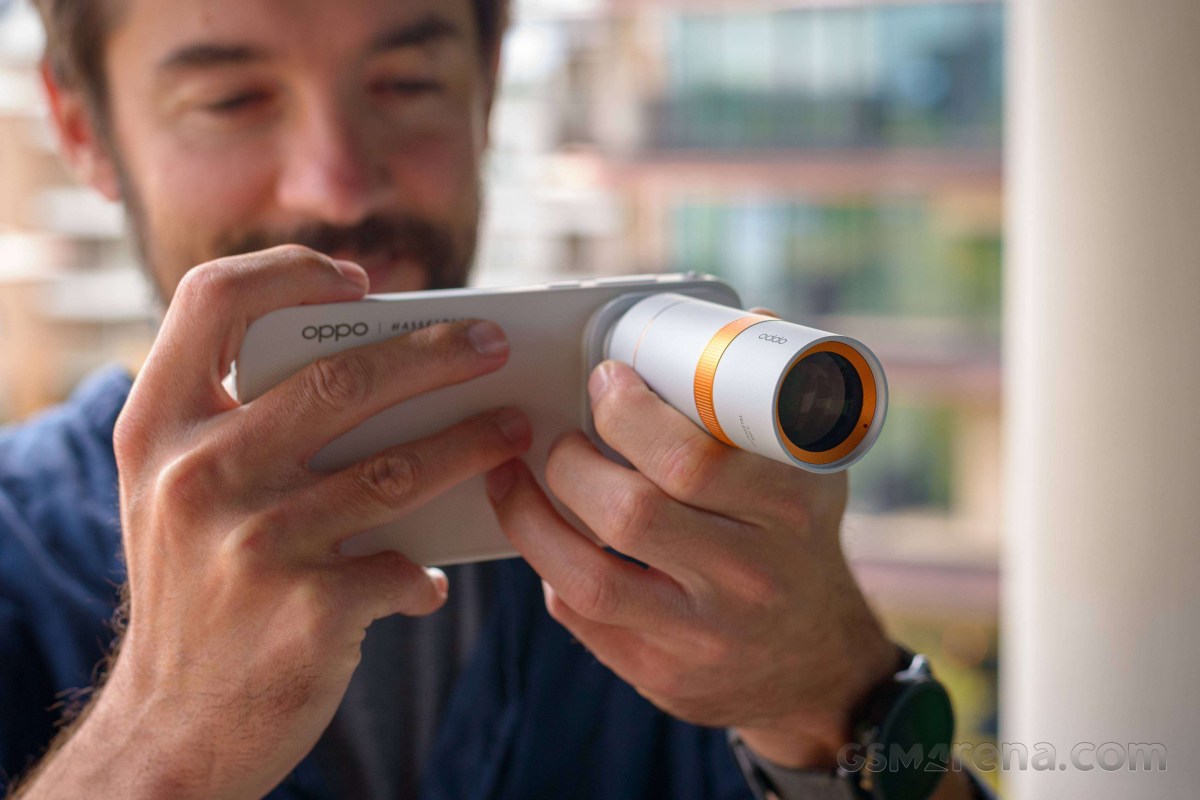
As the global smartphone market converges toward a plateau of incremental upgrades, Oppo is looking to disrupt the status quo by blurring the lines between professional-grade photography equipment and mobile devices. With the highly anticipated global launch of the Oppo Find X10 series scheduled for October 21, the company has begun teasing more than just flagship internals. Among the most intriguing accessories to emerge is the Hasselblad Teleconverter Kit, a specialized modular expansion designed exclusively for the Find X10 Pro Max.
While we have already provided an initial hands-on and unboxing of the Find X10 and its Pro Max sibling, this dedicated look at the teleconverter kit reveals a strategic pivot for Oppo: moving away from "computational-only" zoom and toward optical excellence.
The Core Essentials: What’s Inside the Box?
The Hasselblad Teleconverter Kit arrives in packaging that feels deliberately substantial—a departure from the slim, minimalist boxes typical of modern smartphones. While the box itself is large and weighted, the contents are curated for the mobile photographer who demands both utility and aesthetic coherence.
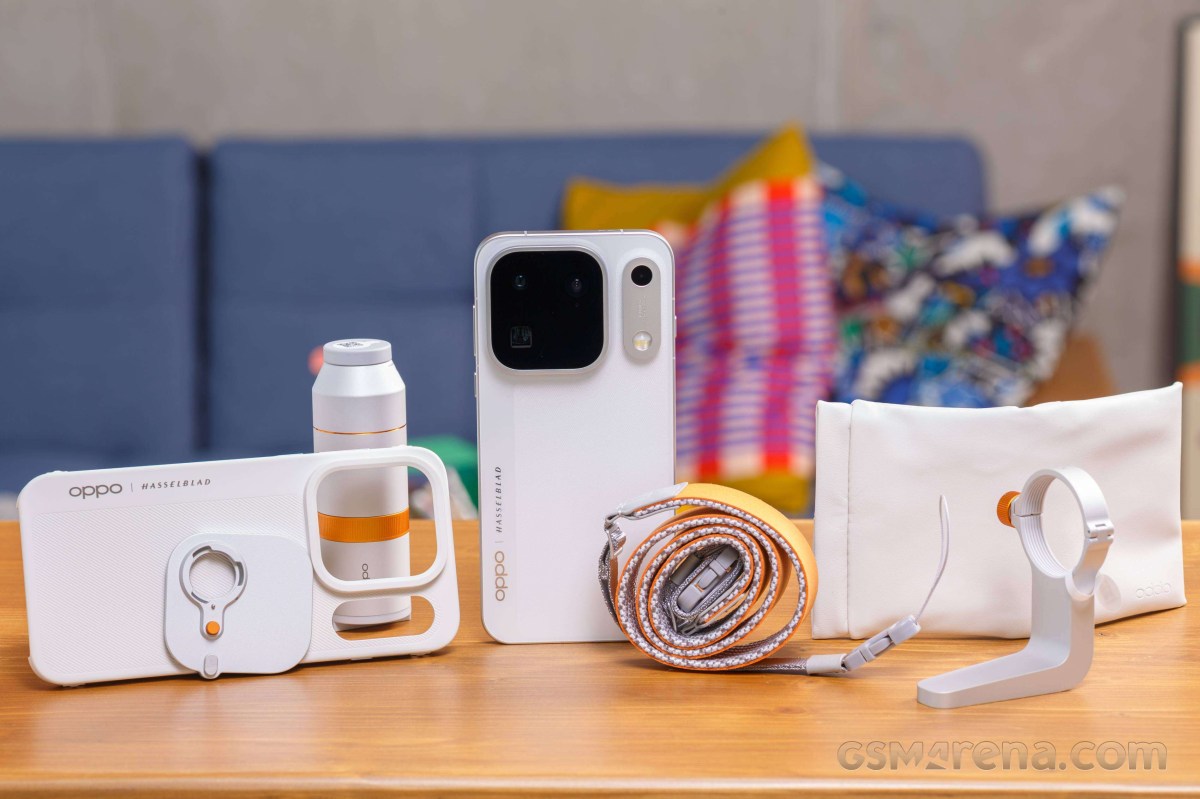
The kit consists of six distinct components:
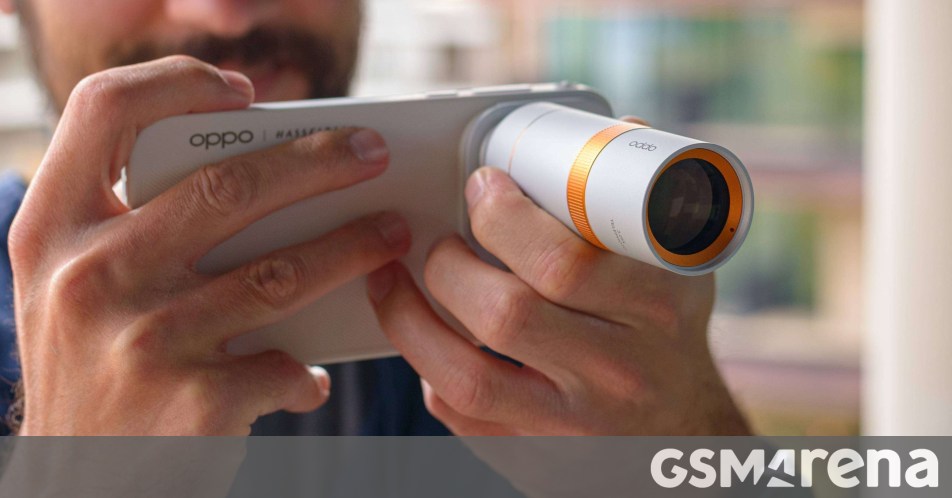
- The Teleconverter Lens: The heart of the system, a 3.28x optical multiplier.
- MagSafe-Enabled Case: A protective chassis that integrates seamlessly with the phone’s design.
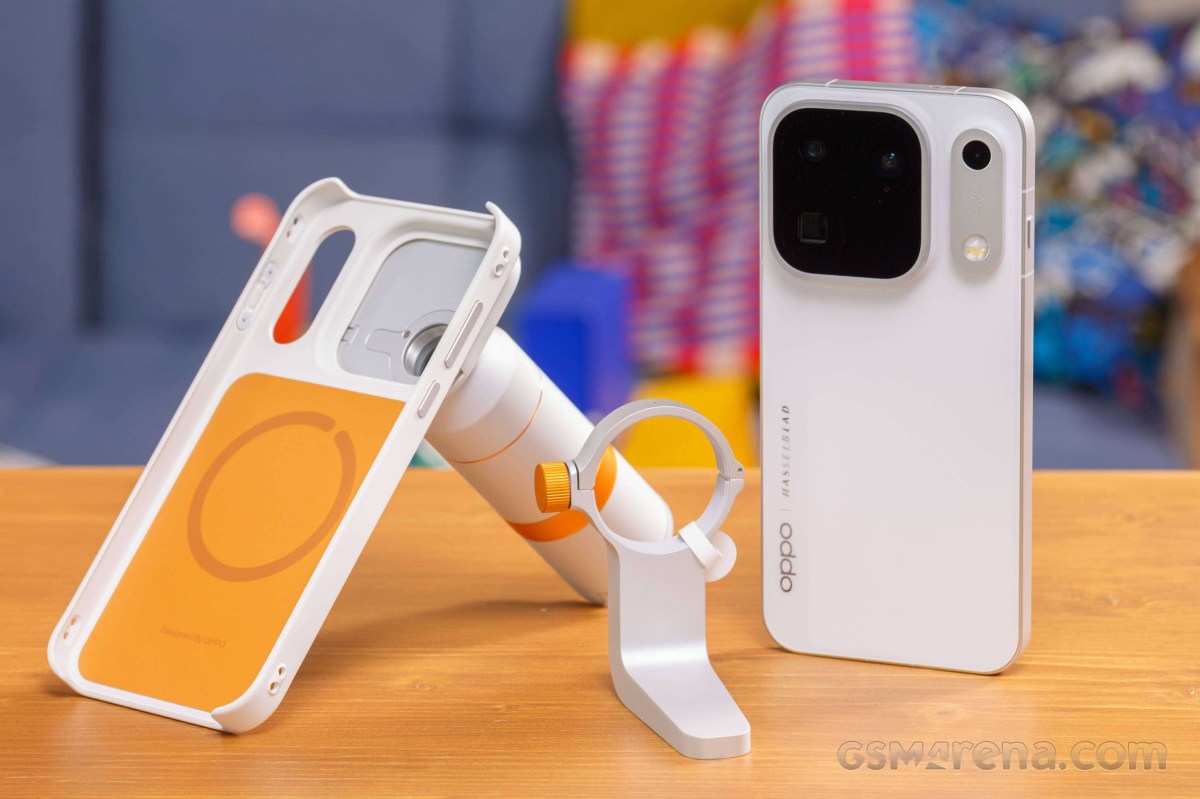
- Lens Mounting Plate: A modular attachment point that secures the lens to the case.
- Custom Carry Strap: Featuring high-quality, quick-release clips.
- Carrying Pouch: A protective vessel for the lens when not in use.
- Tripod Collar: A necessary addition for stability, given the extended focal length.
The design language is unmistakably Hasselblad. The signature "Hasselblad Orange" accents are applied with restraint, appearing on the stitching of the strap, the interior of the protective case, and subtle branding elements. It is a visual cue that tells the user this is not a generic third-party attachment; it is a calibrated tool.
Chronology: The Evolution of Mobile Optics
To understand the significance of this kit, one must look at the trajectory of the Find X series. Oppo’s partnership with Hasselblad, first initiated to refine color science and software image processing, has evolved into a hardware-first endeavor.
- Q1 2026 (Domestic Launch): The Find X10 series debuted in the Chinese market, garnering praise for its periscope zoom capabilities.
- September 2026: Leaks began to circulate regarding a "Pro-Grade Photography Expansion," hinting at magnetic lens attachments.
- October 2026 (Global Lead-up): Oppo confirmed the October 21 global release date, with the teleconverter kit serving as the flagship accessory to differentiate the Pro Max model from the standard Find X10.
The development of this kit marks a shift in how mobile manufacturers approach the "zoom problem." By providing an external optical solution, Oppo is effectively bypassing the physical limitations of the thin smartphone chassis, which otherwise restricts the size of lens elements and the depth of the telephoto sensor.
Supporting Data: Engineering the Zoom
The teleconverter lens is the star of the show. It offers a 3.28x magnification factor. When attached to the Find X10 Pro Max’s native 3x zoom camera, the resulting focal length is pushed to an impressive 6x magnification.
Technical Specifications and Performance
- Optical Multiplier: 3.28x
- Equivalent Focal Length: Approximately 230mm (based on 35mm equivalent standards).
- Build Material: Matte-textured, high-density polymer and reinforced optical glass.
- Texture: The barrel features a unique, grippy finish. Oppo engineers have achieved this without traditional knurling, creating a seamless, tactile surface that resists fingerprints and improves handling in varied environmental conditions.
One of the most innovative aspects of the mounting system is the flexibility it offers. The lens-attachment plate is removable. Users can choose to use the case as a standard daily driver, or mount the plate when a professional shoot is planned. However, there is a caveat: when the mounting plate is engaged, it covers the primary and ultra-wide sensors. This effectively turns the Find X10 Pro Max into a dedicated telephoto powerhouse. While this might seem like a limitation, it forces a change in user intent—encouraging the photographer to focus purely on distance and composition.
Implications: The Future of Modular Mobile Photography
The introduction of the Hasselblad Teleconverter Kit has significant implications for the smartphone industry at large.
1. The Death of the "Digital Zoom" Stigma
For years, mobile photography has relied on heavy AI-driven cropping to simulate long-range zoom. By introducing an optical teleconverter, Oppo is betting that power users will prefer the natural bokeh and detail retention of a true optical lens over the "oil painting" artifacts often produced by AI sharpening.
2. Ecosystem Lock-in
By utilizing a proprietary MagSafe-enabled case and a specific mounting plate, Oppo is building an ecosystem. Users who invest in this kit are unlikely to switch to a competitor, as their investment in high-quality glass and accessories becomes tied to the Find X series chassis.
3. The "Pro" Market Pivot
This kit signals that the Find X10 Pro Max is not merely a phone; it is a camera that happens to have a cellular connection. By providing a tripod collar, Oppo is acknowledging that at 230mm, hand-held jitter is a major variable. They are designing for the tripod-toting, serious enthusiast rather than the casual social media user.
Official Responses and Market Outlook
As of the time of writing, Oppo has remained tight-lipped regarding the retail pricing and the specific international availability of the kit. A spokesperson for Oppo mentioned during the initial reveal that the kit is intended as a "limited-edition premium accessory," suggesting that it may not be available in all regions simultaneously.
The tech community remains divided. Skeptics point to the bulkiness of the kit, noting that it contradicts the "pocketability" that defines the smartphone category. Conversely, enthusiasts argue that for the price of a mid-range camera lens, the kit provides an unparalleled upgrade to the device already in their pocket.
We are currently awaiting confirmation on whether the international units will feature any software optimizations specific to the teleconverter lens—such as an "Auto-Detect" mode that triggers a specific color profile when the lens is attached.
Conclusion: A Bold Gamble
The Oppo Find X10 Pro Max Hasselblad Teleconverter Kit is more than just a lens; it is a statement of intent. In a market where every phone looks and functions nearly identically, Oppo is choosing to differentiate through hardware-driven optical excellence.
Whether this kit will be a niche enthusiast product or the beginning of a broader trend toward modular smartphone photography remains to be seen. However, as we approach the October 21 global launch, one thing is certain: the bar for mobile photography has been raised.
We will continue to track the developments of this kit, including field testing its image quality against dedicated mirrorless setups, as soon as we get our hands on the final global retail units. Stay tuned for our comprehensive review, where we will dive into the sharpness, distortion correction, and overall usability of this ambitious Hasselblad-Oppo collaboration.