From Community Hub to Innovation Engine: AWS Builder Center Celebrates a Milestone Year
The AWS Builder Center, a cornerstone platform for developers and cloud architects, officially celebrated its first anniversary last week. Launched on July 9, 2025, the platform has evolved from a nascent community hub into a comprehensive, multi-faceted ecosystem that serves as the heartbeat of the AWS developer experience. Over the past twelve months, the site has transformed into a vital nexus for shared knowledge, hands-on experimentation, and collaborative problem-solving.
As the platform marks this significant milestone, the team behind the Builder Center has reflected on a year of rapid growth, documenting an expansive timeline of features that have fundamentally changed how developers interact with AWS services. From interactive sandbox environments to community-driven article series, the Builder Center has become an essential utility for anyone navigating the complex landscape of cloud architecture.
A Chronology of Rapid Innovation
The trajectory of the AWS Builder Center since its inception is marked by a relentless cadence of shipping. When it first debuted, the platform focused on foundational community interaction—offering features like Wishlist voting, basic community profiles, and a centralized toolbox. However, the roadmap quickly expanded to address the deeper needs of a sophisticated technical audience.
The First Quarter: Establishing the Foundation
In the early months, the focus remained on accessibility. The integration of GitHub and Amazon sign-in methods significantly reduced friction for new users, while the introduction of the "Builders’ Library" began to aggregate high-quality, long-form technical content. By the time the community badge system was unveiled in March 2026, the platform had already established a culture of recognition, incentivizing consistent contributions and deep dives into specific AWS service areas.
The Mid-Year Scaling: Data and Interactivity
As the platform matured, the team shifted its focus toward data-rich resources. The release of "AWS Capabilities by Region" provided a bird’s-eye view of the cloud landscape, tracking over 1,500 services across 37 global regions. This was a critical step in turning the Builder Center into an operational tool rather than just a social forum. Simultaneously, the introduction of "Spaces"—community-created groups—allowed for hyper-focused technical discussions, mirroring the silos of expertise found in larger enterprise organizations.
The Anniversary Milestone: The Rise of Sandboxes
To cap off the year, the platform introduced its most requested feature to date: Sandbox Environments. This addition, championed by Rick Suttles, addresses a perennial pain point in cloud learning: the overhead of provisioning, managing, and cleaning up resources. By providing free, ephemeral AWS accounts that auto-destruct after eight hours, the Builder Center has effectively lowered the barrier to entry for hands-on experimentation, allowing developers to explore complex workshop exercises without the concern of cost or account clutter.
Supporting Data: A Year in Review
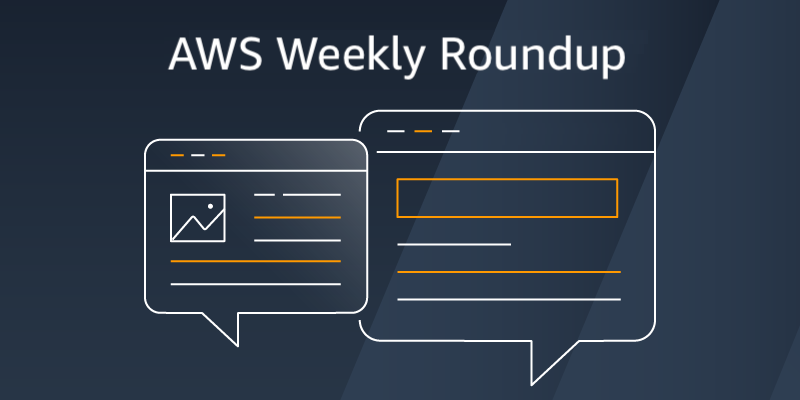
The impact of the Builder Center is best measured through its metrics, which reveal a highly engaged and prolific community. According to a retrospective published by Jeff Barr, the platform has seen remarkable adoption in its first 365 days.
By the Numbers
- Author Participation: 5,548 unique authors have contributed content to the platform.
- Knowledge Base: The community has collectively published 6,448 articles, creating a massive repository of peer-reviewed technical documentation.
- Global Reach: These articles have garnered over 10.4 million combined page views, highlighting the platform’s role as a primary source for technical troubleshooting and architecture design.
- Gamification Success: Since the launch of the badge system in March 2026, users have earned 99,226 badges, signaling a highly active user base.
- Community Influence: The "Wishlist" feature, which allows users to request specific features or improvements, has processed 565 submissions. Notably, 10 of these have already been fully implemented, with another 20 currently on the near-term roadmap—proving that the platform is a genuine feedback loop rather than a one-way communication channel.
Top-Performing Content
The platform’s success is also driven by the quality of its community-led articles. The most popular pieces demonstrate a clear appetite for practical, high-utility technical solutions:
- "Building an AWS Study Buddy with MCP + Strands Agents SDK" by Dineshraj Dhanapathy: This piece served as a beacon for AI-focused builders, attracting over 50,000 views.
- "Migrating an EOL Linux Server to AWS in 8 Hours with Kiro" by Chris Miller: Garnering 45,000+ views, this article highlighted the practical necessity of migration tools in modern IT workflows.
- "AIdeas: NeuroVoice – Multimodal AI for Early Screening of Neurological Diseases" by Yash Aggarwal: Reaching 38,000+ views, this post underscored the platform’s ability to host discussions on the intersection of cloud technology and high-impact social science.
Official Perspectives: Reflections on the Mission
In his retrospective, Jeff Barr highlighted that the primary goal of the Builder Center was never just to create a blog or a forum. Instead, the intent was to provide a "context-aware" experience where documentation, community expertise, and sandbox environments converge.
Rick Suttles, who led the rollout of the sandbox environments, emphasized the importance of removing "administrative friction." By allowing users to access environments without needing a personal credit card or navigating the complexities of AWS Identity and Access Management (IAM) for minor learning tasks, AWS is effectively democratizing access to its most advanced tools.
The leadership team has reiterated that the Builder Center is intended to be a living, breathing entity. Every feature—from availability notifications to student status verification—has been designed to help builders move faster, break things less, and learn more efficiently.
Implications for the Cloud Developer Community
The success of the AWS Builder Center carries significant implications for the broader cloud ecosystem. As AWS continues to scale the number of services it offers, the challenge for the average developer becomes one of information discovery and resource management.

Lowering the Barrier to Innovation
The "Sandbox" model is a potential industry benchmark. By abstracting the account-level management for educational purposes, AWS is moving toward a "frictionless cloud" paradigm. This shift encourages developers to experiment with new technologies (such as the AI agents and server migration tools mentioned in the top-performing articles) that they might otherwise avoid due to the perceived complexity of the setup process.
Community-Led Knowledge Transfer
The shift toward community-authored content suggests that the most effective technical training is increasingly peer-to-peer. When 6,448 articles are produced in a single year, the institutional knowledge of the community begins to outpace traditional documentation. This creates a more resilient ecosystem where developers can find solutions that have been stress-tested by their peers in real-world environments.
Future Outlook: What’s Next?
As the Builder Center enters its second year, the focus is expected to remain on integration. The 20 items currently on the roadmap suggest that the platform will likely see deeper integrations with the AWS Console, more robust AI-assisted search capabilities, and perhaps even more localized support to reflect the global nature of the AWS community.
For developers, the message is clear: the Builder Center is no longer just an optional destination—it is an essential toolkit. Whether you are a student just beginning your journey with the cloud or a seasoned architect migrating legacy infrastructure, the platform provides the infrastructure to learn, contribute, and build.
As we look toward the remainder of 2026 and beyond, the Builder Center stands as a testament to the idea that the power of the cloud is only as great as the community that builds upon it. For those looking to get involved, the invitation remains open: sign in, start building, and contribute your findings to the global library of cloud knowledge.