High Court Clears Path for MPPSC State Services Exam 2025: A Relief for Thousands of Aspirants
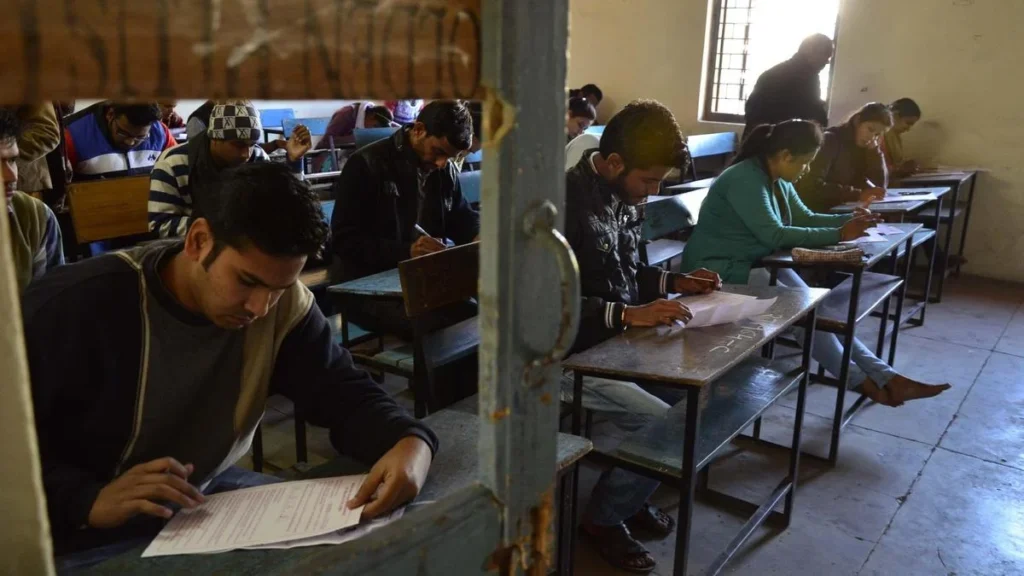
In a landmark development that brings a sigh of relief to thousands of hopefuls across Madhya Pradesh, the State High Court has vacated its interim stay on the Madhya Pradesh Public Service Commission (MPPSC) State Services Examination (SSE)-2025.
The decision, delivered on June 18, 2026, marks the end of a grueling period of uncertainty for approximately 4,000 candidates who have been waiting for over a year to sit for the main examination. The resolution of this legal deadlock clears the way for the recruitment process to resume, bringing the state closer to filling crucial administrative roles, including Deputy Collectors, Deputy Superintendents of Police (DSP), and Tehsildars.
The Judicial Turning Point: The June 18 Order
The order was issued by a division Bench of the Madhya Pradesh High Court, presided over by Acting Chief Justice Vivek Rusia and Justice Pradeep Mittal. The court had previously imposed a stay on the main examination on April 2, 2025, following a series of petitions that raised significant concerns regarding the transparency and constitutional adherence of the recruitment process.
For months, the examination process remained in a state of suspended animation. However, during the latest hearing, Senior Advocate Rameshwar Thakur, representing the petitioners, proposed a pragmatic solution: acknowledging that the complex legal questions raised in the petitions would require a lengthier judicial review, the petitioners requested that the court allow the examination to proceed in the interest of the thousands of candidates whose careers were stalled.
Accepting this submission, the Bench vacated the stay, granting the MPPSC the green light to conduct the main examination. The substantive legal issues regarding the conduct of the exam will continue to be adjudicated in subsequent hearings, with the next session slated for July 17, 2026.
Chronology of the Legal Standstill
The trajectory of the SSE-2025 has been defined by a series of legal hurdles that have tested the patience of the student community.
- Initial Notification and Prelims: The MPPSC notified the State Services Examination, sparking high interest among graduates across the state. The preliminary examinations were conducted, and results were declared.
- The First Wave of Petitions (Early 2025): Shortly after the preliminary results, candidates began filing petitions challenging the methodology adopted by the Commission. Key grievances included the lack of transparency in cut-off marks and irregularities in the selection of candidates from reserved categories.
- April 2, 2025 – The Stay Order: The High Court, observing that the allegations held merit and required investigation, issued an interim stay on the main examination, prohibiting the Commission from proceeding until further orders.
- The Long Wait (2025–2026): For more than a year, the exam process remained frozen. During this time, candidates held protests and social media campaigns, urging the government and the Commission to resolve the legal impasse.
- June 18, 2026 – Resumption of Process: The High Court’s decision to vacate the stay provides the necessary administrative clearance for the MPPSC to announce the schedule for the main examination.
Core Controversies: Why the Exam Was Challenged
The petitions brought before the court raised fundamental questions about fairness and the implementation of reservation policies in state recruitment. The arguments centered on three primary pillars of contention:
1. Transparency in Cut-off Marks
The petitioners argued that the MPPSC’s refusal to disclose category-wise cut-off marks for the preliminary examination violated the principles of transparency. By keeping these figures in a "sealed cover" rather than making them public, the Commission effectively prevented candidates from gauging the fairness of the shortlisting process.
2. Treatment of Reserved Category Candidates
A significant point of contention was the alleged failure of the Commission to promote meritorious reserved category candidates to unreserved seats. Under established constitutional principles, candidates from reserved backgrounds who score marks high enough to qualify for unreserved seats should be treated as "general" candidates to ensure equity. The petitioners alleged that the Commission’s methodology suppressed these candidates within their respective categories, unfairly skewing the results.
3. The Migration Issue
The petitions also touched upon the migration of candidates who utilized age relaxation or other specific concessions. The petitioners argued that the current rules and their application by the Commission were unclear, leading to a situation where deserving candidates were potentially being sidelined during the transition from the preliminary to the main examination.

Supporting Data and Official Stance
During the legal proceedings, the MPPSC took a cautious approach. While they complied with the court’s directive to submit the category-wise cut-off marks in a sealed cover for judicial review, they did not offer a robust public defense against the specific procedural allegations until the court’s latest intervention.
The Commission’s stance has largely been that their processes are compliant with the existing state rules. However, the decision to allow the examination to proceed while the legal challenges remain active suggests a shift toward prioritizing the completion of the recruitment cycle. The government is under immense pressure to fill vacancies in the bureaucracy to ensure the efficient functioning of the state machinery, which has been operating with a shortage of personnel in key administrative posts.
Implications for Candidates and the State
The lifting of the stay is a monumental development with far-reaching consequences:
For the Aspirants
For the 4,000 candidates, the news is a massive relief. Many of these individuals have spent the better part of two years preparing specifically for this exam. The period of uncertainty had caused significant psychological and financial strain, with many candidates reaching the upper age limit for eligibility. The ability to sit for the main examination allows them to finally convert their preparation into a potential career in public service.
For the State Administration
The state government stands to benefit significantly from the completion of this recruitment drive. The vacancies in the roles of Deputy Collector and DSP are vital for law and order, revenue collection, and the implementation of welfare schemes at the district and sub-divisional levels. A prolonged delay in the examination process threatened to create a leadership vacuum in these critical administrative tiers.
The Broader Legal Precedent
While the stay has been vacated, the High Court’s upcoming hearings will be closely watched. The court’s eventual judgment on the constitutional validity of the current examination rules could set a precedent for all future recruitments in Madhya Pradesh. If the court rules in favor of the petitioners on the issues of transparency and reservation migration, the MPPSC may be forced to overhaul its entire examination framework for subsequent years.
Looking Ahead: What Next?
As the MPPSC prepares to issue a revised timeline for the main examination, the focus now shifts to the operational readiness of the Commission. Candidates are advised to keep a close watch on the official MPPSC website for notification regarding the exam dates, admit cards, and any changes in the examination pattern or rules that the Commission might implement in light of the ongoing legal discourse.
The court’s decision to bifurcate the legal proceedings—separating the immediate need for the examination to occur from the deeper constitutional questions—is a testament to the judiciary’s attempt to balance the rights of the individual with the needs of the state.
As the state moves forward, the success of the 2025 SSE will be measured not just by the number of candidates who pass, but by the transparency and integrity with which the Commission conducts the remaining phases of the selection process. For now, the "year-long wait" is over, and the path to becoming the next generation of civil servants in Madhya Pradesh is finally clear. The eyes of the state are now on the MPPSC to ensure that the process is conducted with the highest standards of fairness and efficiency.