Navigating the Social Shift: Facebook’s 2026 Framework for Reach and Relevance
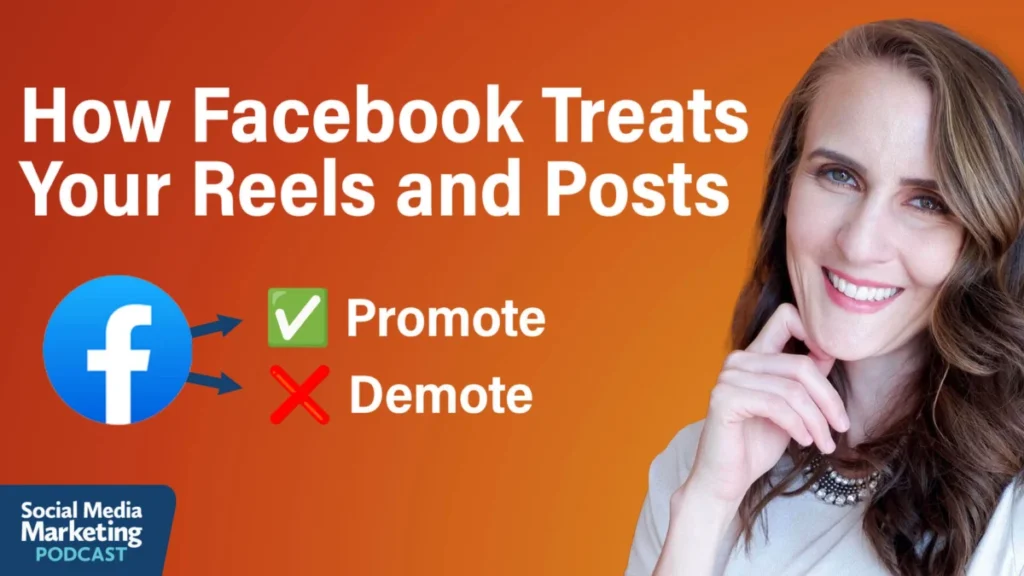
The digital landscape of 2026 has ushered in a transformative era for Meta’s flagship platform. As organic reach continues to evolve from a chronological feed into a highly sophisticated, AI-driven recommendation engine, Facebook has codified a new set of rules governing how content is distributed and monetized. This strategic pivot, catalyzed by a massive surge in Reels consumption throughout 2025, represents a fundamental shift in how the platform values creator input, viewer intent, and commercial integration.
For marketers, small business owners, and content creators, the 2026 roadmap is no longer about "gaming the algorithm." Instead, it is about aligning with Meta’s broader objective: a ecosystem of original, high-relevance content that facilitates frictionless commerce.
Main Facts: The Four Pillars of the 2026 Update
The 2026 updates are built upon four distinct pillars designed to increase platform stickiness and combat the "low-effort" content fatigue that has plagued social media in recent years.
- Originality Enforcement: Facebook now explicitly prioritizes content produced directly by the account owner. Using advanced "digital fingerprinting" technology, the platform can distinguish between the primary uploader and those who simply aggregate or repost existing media.
- Intent-Based Feedback Loops: The introduction of the "User True Interest Survey" moves beyond passive metrics like "watch time." By asking users to rate Reels on a 1-to-5 scale, Facebook is refining its recommendation engine to favor content that provides genuine value over "doom-scrolling" clickbait.
- Frictionless Social Commerce: A new self-serve affiliate program allows creators to tag products from major retailers like Amazon and Shopee directly in their Reels, bypassing the need for formal brand contracts and streamlining the path to purchase.
- AI-Generated Content Incubation: Through the standalone "Vibes" app, Meta is gathering massive datasets on AI video preferences to eventually automate the ad creation process for businesses.
Chronology: The Evolution Toward 2026
The road to the 2026 framework began in late 2024, when Meta observed a significant change in user behavior.
- Q3-Q4 2025: Meta reported a landmark statistic: views and time spent watching Reels on Facebook doubled compared to the previous year. This growth signaled that Facebook users were finally embracing short-form video at a scale comparable to Instagram and TikTok.
- January 2026: Facebook Engineering begins public testing of the "User True Interest Survey." This marked the first time the platform admitted that behavioral data (likes/shares/watches) was insufficient for long-term user satisfaction.
- March 2026: The official "Rewarding Originality" policy is enacted. This policy introduced the demotion of "unoriginal or repurposed content," specifically targeting accounts that rely on "aggregating" clips from other creators without adding significant value.
- Current Phase: The rollout of the "Vibes" app and the expansion of the creator affiliate program into the Professional Dashboard, signaling Meta’s intent to dominate the "Social Commerce" sector currently led by TikTok Shop.
Supporting Data: Understanding the New Mechanisms
To navigate these changes, it is essential to understand the technical and psychological data driving Meta’s decisions.
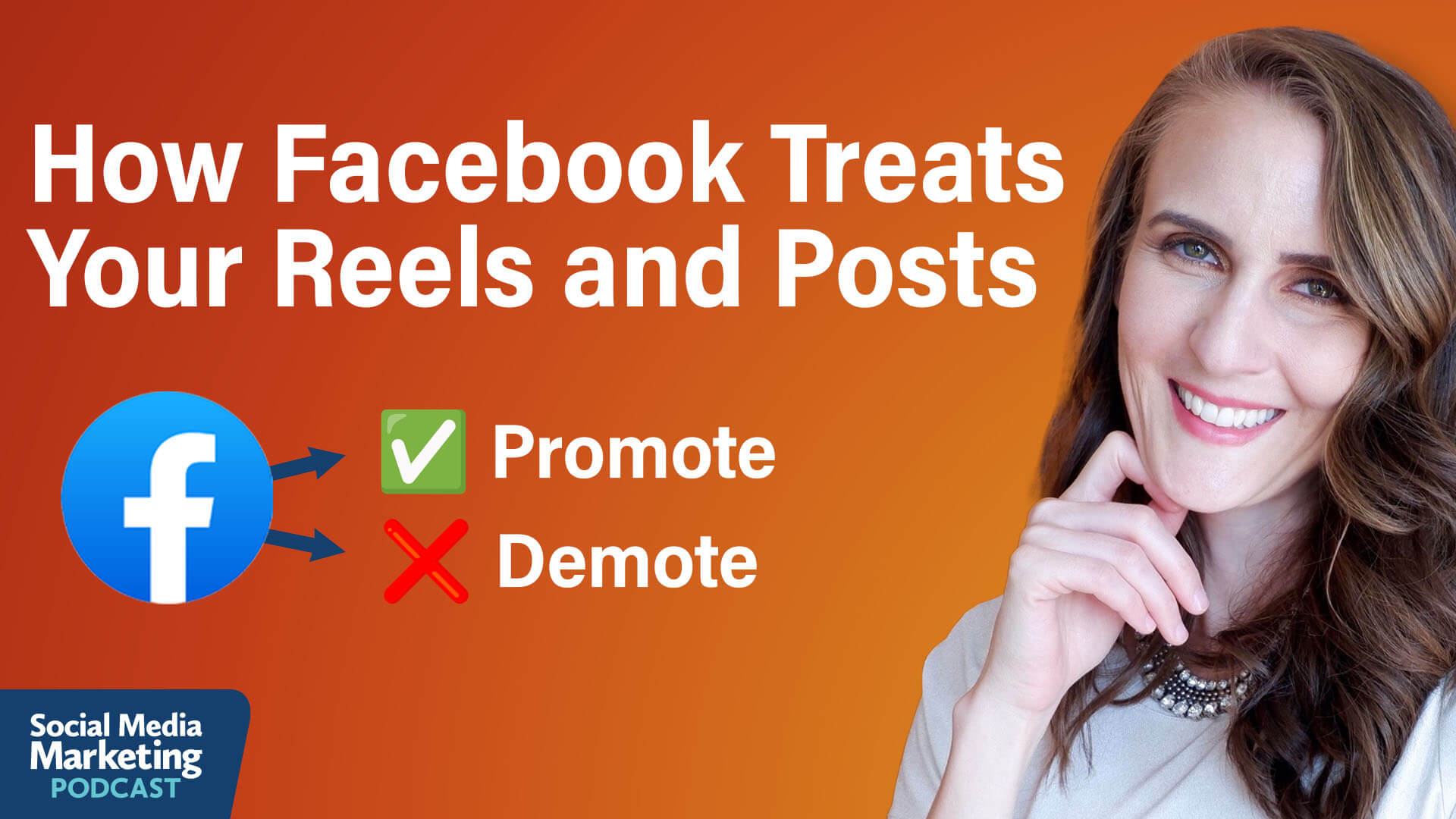
Digital Fingerprinting vs. Facial Recognition
A common misconception during the policy rollout was that Facebook would use facial recognition to verify the identity of creators. Expert analysis from Tara Zirker confirms that the enforcement is actually rooted in pattern-based identification.
Meta assigns a unique "fingerprint" to every video file uploaded. This metadata tracks the origin of the footage. If a video is downloaded and re-uploaded by another page, the algorithm recognizes the duplicate structure. Pages with a high ratio of "first-upload" content are rewarded with greater reach, while those that primarily "curate" (repost) see their distribution throttled.
The "True Interest" Metric
The "User True Interest Survey" appears as a full-screen prompt after a Reel concludes. The data gathered here serves as a "truth filter" for the AI.
- Low Score (1-2): Signals that the user may have watched the video out of habit or shock, but found no lasting value. This suppresses similar content in that user’s feed.
- High Score (4-5): Validates the algorithm’s choice, leading to a "viral" push within that specific niche.
The Commerce Integration
By integrating with Amazon and Shopee, Facebook has removed the technical barriers for small businesses. Instead of requiring a brand to build an internal affiliate infrastructure, they can simply list their products in Meta’s catalog. Creators then act as a decentralized sales force, earning commissions through the Professional Dashboard.
Official Responses and Expert Guidance
Meta’s official stance emphasizes a "creator-first" economy. In their March 2026 policy brief, the platform stated: "Our goal is to ensure that the people who put in the hard work of conceptualizing, filming, and editing original content are the ones who reap the rewards of reach and monetization."

Tara Zirker, a leading authority on Facebook strategy, notes that while the rules seem stricter, they actually provide more clarity than previous years. "Meta is taking the guesswork out of reach," Zirker explains. She highlights that "Remix" and "Reaction" content are not dead, but the bar for "meaningful value" has been raised. To be considered original, a reaction video must now include:
- Substantive analysis or commentary.
- Educational overlays.
- Creative storytelling that transforms the source material into something entirely new.
On the topic of User-Generated Content (UGC), Zirker reassures brands that reposting customer testimonials remains a safe and effective strategy. Because UGC is the lifeblood of e-commerce trust, Meta is unlikely to penalize brands for sharing authentic customer experiences, even if the brand wasn’t the "original" uploader of the file.
Implications: Strategic Adjustments for 2026 and Beyond
The 2026 rules necessitate a shift in how businesses allocate their marketing budgets and creative energy.
1. The Niche-Broad Content Balance
Marketers must now adopt a "two-tier" content strategy to satisfy the User True Interest Survey.
- The Niche Core: 70% of content should be hyper-specific to the target audience’s problems and interests. This ensures high scores on the interest surveys, signaling to Facebook that the page is a "subject matter expert."
- The Broad Layer: 30% of content can be more general—team milestones, industry news, or relatable humor—to attract new eyes without diluting the account’s topical authority.
2. The Rise of the "Authentic" Affiliate
The new affiliate program means brands no longer need to manage complex influencer contracts for every campaign. However, this comes with a loss of control. Since creators can now pick products and talk about them without brand approval, the implication is clear: Product quality and brand reputation are now the primary marketing tools. If a product is poor, creators will say so, and the "frictionless" system will spread that sentiment faster than ever.
3. The AI Ethics Dilemma
The development of the "Vibes" app and Meta’s advancing AI tools presents a crossroads for brands. While AI can lower production costs, it introduces an "authenticity gap."
- Low Risk: Using AI for stylized, fantastical, or obviously "digital" backgrounds and effects.
- High Risk: Using AI-generated "actors" to give fake testimonials.
Industry experts predict that as AI becomes more prevalent, the "human premium"—content featuring real people with real flaws—will actually increase in value. Brands are advised to develop internal "AI Transparency" guidelines to maintain consumer trust.
4. The End of "Shadow-Curating"
For years, many pages grew by "curating" (reposting) viral content from other platforms. In 2026, this strategy is officially obsolete. Pages that do not transition to original production will likely see their reach decline to near-zero as the "originality fingerprinting" becomes more aggressive.
Conclusion
Facebook in 2026 is a platform that demands intentionality. The "Rules for Reach and Relevance" reflect a mature ecosystem that prizes the creator’s effort and the viewer’s genuine interest over raw engagement numbers. For those willing to invest in original storytelling and authentic community building, the potential for reach has never been higher. For those relying on the shortcuts of the past, the climb has indeed become much steeper.
As Meta continues to integrate AI and commerce, the successful marketer of 2026 will be the one who views these tools not as replacements for creativity, but as catalysts for a more direct, honest connection with their audience.