Hyderabad’s Future Mobility: CM Revanth Reddy Pushes for PRT Systems and Infrastructure Overhaul
By Staff Reporter
October 10, 2026
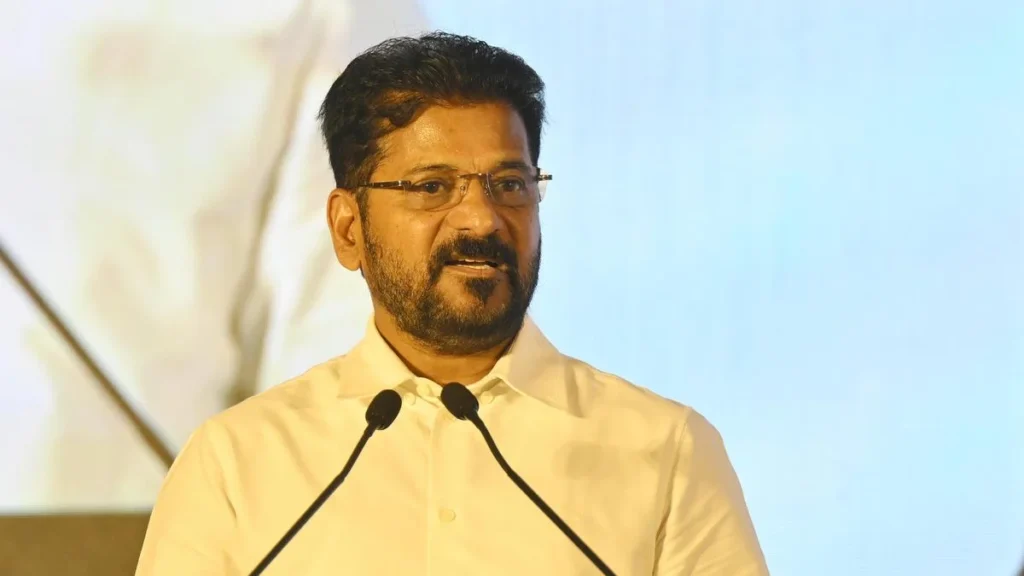
In a strategic move to future-proof Hyderabad’s urban landscape, Telangana Chief Minister A. Revanth Reddy has unveiled a transformative vision for the city’s transit and infrastructure sectors. During a high-level review meeting focused on the Core Urban Region Economy (CURE), the Chief Minister directed top-tier officials to pioneer the integration of Personal Rapid Transit (PRT) systems, accelerate stalled road projects, and overhaul water sustainability models.
The mandate signals a shift toward high-tech, integrated urban planning, aimed at mitigating the mounting traffic pressures that accompany the city’s rapid industrial and residential expansion.
The Vision: A New Era of Personal Rapid Transit (PRT)
At the heart of the Chief Minister’s directive is the introduction of Personal Rapid Transit (PRT)—a futuristic, demand-responsive transport mode consisting of small, automated vehicles operating on a dedicated guideway.

Why PRT?
PRT systems offer a unique solution to the "last-mile connectivity" challenge that plagues many of Hyderabad’s bustling tech corridors and industrial hubs. By connecting high-footfall areas directly to the existing backbone of the Hyderabad Metro Rail, Multi-Modal Transport System (MMTS), and major bus terminals, the government hopes to create a seamless, door-to-door transit experience for commuters.
"We must study the world’s most successful PRT implementations and submit a comprehensive feasibility report immediately," Mr. Reddy emphasized during the meeting. He noted that the success of such a system rests on three pillars: the adoption of cutting-edge technology, strategic placement within high-density zones, and a rigorous long-term maintenance framework.
Infrastructure Acceleration: Bridging the Gap
Beyond next-gen transit, the Chief Minister focused on the immediate physical infrastructure that keeps the city moving. Reviewing the progress of various flyovers and underpasses, Mr. Reddy expressed impatience with the current pace of project completion.
Learning from Mumbai
Highlighting the rapid infrastructure development seen in cities like Mumbai, the Chief Minister directed officials to study the construction methodologies and logistical management used in the financial capital. His directive is clear: infrastructure projects, particularly in the CURE region, must be completed within a one-year window.

Specific attention was given to the following high-priority areas:
- KBR Park Zone: Reviewing traffic flow around the sensitive KBR Park area, the CM ordered an immediate optimization of the one-way system. This includes the strategic redesign of road junctions, the creation of free-left turns, and the implementation of efficient U-turns.
- Nagarjuna Circle to Jubilee Check Post: The construction of the flyover connecting these two vital points is to be accelerated. Utility shifting—often the primary cause of project delays—has been prioritized to ensure that no site remains stalled due to pending groundwork.
Connectivity Beyond the Core
In a bid to expand the city’s reach, the Chief Minister proposed a new radial road that would run parallel to the upcoming Hyderabad-Mumbai bullet train corridor. Furthermore, officials were tasked with assessing the feasibility of widening existing road networks and constructing new corridors between Shankarpally and Chevella, regions that have seen a surge in real estate and commercial interest.
Sustainable Resource Management: The Recycled Water Initiative
Sustainability took center stage as the government addressed the city’s water demand. As Hyderabad grows, the reliance on fresh water for industrial and non-potable purposes is increasingly viewed as unsustainable.
500 MLD Target
The Hyderabad Metropolitan Water Supply and Sewerage Board (HMWSSB) reported that plans are already underway to recycle 500 million litres per day (MLD) of wastewater. The Chief Minister has directed that this resource be immediately leveraged by:

- Industrial Hubs: Providing recycled water to data centers in the Bharat Future City, Chandanvelly, and Aluru sectors.
- Urban Landscaping: Mandating the use of treated water for the maintenance of high-rise apartment gardens, public parks, and green belts throughout the city.
By shifting the burden of industrial and landscaping water needs to recycled sources, the government aims to preserve the city’s fresh water reserves for residential consumption, ensuring long-term resilience against seasonal water stress.
Chronology of the Review Meeting
- 09:00 AM: Commencement of the CURE infrastructure review session.
- 09:30 AM: Chief Minister reviews the progress of the Jubilee Check Post flyover and issues instructions on utility shifting.
- 10:15 AM: Discussion on PRT feasibility; CM instructs officials to evaluate global best practices.
- 11:00 AM: Review of the KBR Park traffic management plan; directives issued for one-way system optimization.
- 11:45 AM: Sustainability session; presentation of the 500 MLD recycled water initiative for industrial use.
- 12:30 PM: Meeting concludes with a mandate for time-bound progress reports.
Official Responses and Stakeholder Involvement
The meeting was attended by a cohort of senior officials responsible for the city’s administrative and engineering future. Notable attendees included:
- Manick Raj: Secretary to the Chief Minister.
- N.V.S. Reddy: Adviser, Hyderabad Metro Rail Ltd.
- Ajith Reddy: Additional Managing Director.
- R.V. Karnan, Srujana, and Vinay Krishna Reddy: Municipal Commissioners.
- Ashok Reddy: Managing Director, Water Board.
These officials are now tasked with the complex responsibility of inter-departmental coordination. The directive requires the Metro Rail authorities to work closely with municipal commissioners to ensure that PRT guideways do not conflict with existing utility lines or road widening plans.
Implications for Hyderabad’s Future
The implications of these directives are profound. For the average citizen, the implementation of a PRT system could signify the end of the "last-mile" frustration, potentially reducing reliance on personal vehicles and cabs. For the industrial sector, the guaranteed supply of recycled water provides a stable foundation for the expansion of data centers and manufacturing units, which are vital for the state’s economic growth.

However, the ambitious one-year timeline for major infrastructure projects poses a significant challenge. Success will depend on the government’s ability to bypass bureaucratic red tape, especially regarding land acquisition and the relocation of underground utilities.
As Hyderabad pivots toward becoming a global tech and industrial hub, the Chief Minister’s focus on the "Core Urban Region Economy" highlights a realization that economic growth is inextricably linked to the efficiency of urban mobility and the sustainability of natural resources. With reports due "at the earliest," the coming months are expected to be a period of intense planning and, if the government’s timeline holds, the commencement of a new chapter in Hyderabad’s infrastructure development.
Key Data Points Summary
- Target Capacity: 500 MLD of recycled water for industrial and landscape use.
- Project Deadline: One year for major flyover and road infrastructure.
- Strategic Focus: PRT systems, Bullet train corridor radial roads, and Shankarpally-Chevella expansion.
- Priority Areas: KBR Park, Nagarjuna Circle, and Bharat Future City.
As the state government gears up for these massive interventions, the citizens of Hyderabad wait to see how effectively these plans will translate from boardroom directives to reality on the ground. The next six months will be critical, as officials prepare the detailed reports and feasibility studies requested by the Chief Minister.