India Mandates ‘Caller Name Presentation’ (CNAP): A Comprehensive Analysis of the New Telecom Regulation
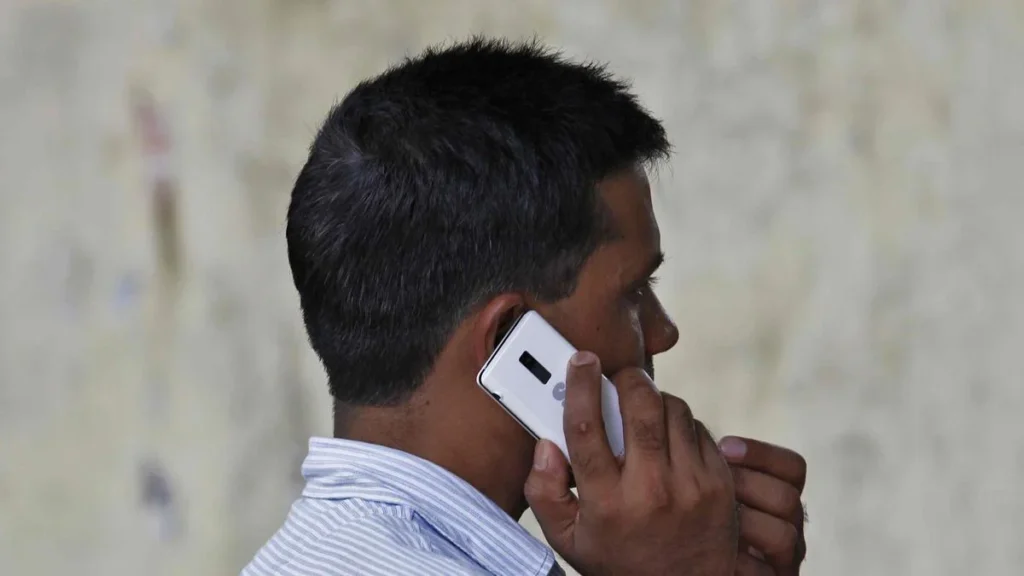
NEW DELHI — In a landmark regulatory shift aimed at bolstering digital security and curbing rampant financial fraud, the Department of Telecommunications (DoT) has issued a formal directive requiring all telecom service providers (TSPs) across India to implement the Caller Name Presentation (CNAP) service.
According to an official circular released on Tuesday, October 15, 2026, the mandate officially takes effect on November 1, 2026. The regulation obligates telecom operators to display the official Know Your Customer (KYC)-linked names of incoming callers directly on the recipient’s device screen.
While heralded as a major victory in the ongoing battle against cyber fraud, spam, and identity spoofing, the rollout of CNAP also brings significant structural challenges for telecom networks, unique edge-case implications for subscribers, and persistent debates regarding data privacy in the world’s second-largest smartphone market.
1. Main Facts of the CNAP Mandate
The introduction of CNAP fundamentally alters how voice calls are received and identified in India, moving the country away from third-party caller identification apps—such as Truecaller—and toward a state-backed, network-level verification system.
- Core Functionality: When a call is placed, the recipient’s mobile phone will display the official name of the caller as registered under their official KYC documentation (such as Aadhaar, PAN, or Passport used during SIM card activation).
- Implementation Timeline: The DoT circular, dated October 15, 2026, mandates full network compliance starting November 1, 2026.
- Network Preparedness: Telecom operators have been explicitly instructed to upgrade and configure their core infrastructure to handle real-time name presentation data packets without degrading overall voice call quality.
- Privacy Protections: The DoT has mandated that telecom operators must not retain, cache, or store the names displayed to end-users in any way whatsoever once the call session ends, ensuring that user tracking and profiling are strictly prevented.
- Exemptions: High-ranking state functionaries and security institutions qualifying for Caller Line Identity Restriction (CLIR)—including President Droupadi Murmu, Prime Minister Narendra Modi, designated senior officials, and national intelligence agencies—are completely exempt from CNAP to preserve operational security.
- Grievance Redressal: TSPs are required by law to establish robust technical and organizational frameworks to receive, log, and timeously resolve user grievances related to incorrect name displays or system anomalies.
2. Chronology: The Long Road to CNAP
The journey toward a government-regulated caller identification system has been methodical, spanning several years of public consultation, technical trials, and regulatory refinement.
2022: The Initial Consultation
The concept of CNAP was first officially floated in late 2022 when the Telecom Regulatory Authority of India (TRAI) released a comprehensive consultation paper. TRAI sought stakeholder feedback on the feasibility of introducing a verified caller identification system to protect citizens from escalating waves of phishing, cyber extortion, and commercial spam.
2023–2024: Addressing Privacy Concerns
Between 2023 and 2024, TRAI engaged in prolonged discussions with industry stakeholders, civil rights organizations, and privacy advocates. While privacy groups raised concerns regarding potential data surveillance, commercial profiling, and the exposure of sensitive personal information, regulators argued that the public interest in preventing financial scams significantly outweighed minor privacy trade-offs. Crucially, regulators clarified an essential privacy safeguard: only the call receiver views the caller’s identity; the caller does not gain reciprocal access to the receiver’s name.
2025: Intra-Network Pilot Testing
Throughout 2025, major telecom operators—including Reliance Jio, Bharti Airtel, and Vodafone Idea (Vi)—undertook limited intra-network trials. During this phase, CNAP functionality was tested strictly for calls made between subscribers belonging to the same telecom service provider. These trials allowed engineers to evaluate network latency, server load, and signaling impacts without overwhelming cross-operator interconnect databases.
October 2026: The Final Mandate
Following successful pilot implementations and technical assessments, the DoT formalized the timeline, issuing the binding circular on October 15, 2026, setting the hard enforcement deadline for November 1, 2026.

3. Supporting Data and Technical Realities
Implementing CNAP across a massive telecommunications ecosystem encompassing over one billion active mobile connections is an unprecedented logistical undertaking.
Scale of the Indian Telecom Market
India boasts one of the most dynamic and expansive telecommunications landscapes globally, with active subscriber bases hovering above 1.15 billion. Processing real-time KYC queries for billions of calls daily requires high-speed signaling protocols, robust localized databases, and minimal latency overheads to prevent call setup delays (post-dial delay).
The Interconnect Challenge
During the 2025 pilot phase, testing was restricted to intra-network environments because querying subscriber databases across different telecom operators introduces significant latency and complex signaling hurdles (utilizing protocols like SS7 and Diameter/SIP). From November 1 onward, TSPs must seamlessly query databases across competing networks instantaneously, requiring high-performance application programming interfaces (APIs) and unified routing directories.
The Minor SIM Card Dilemma
An interesting operational hurdle highlighted during preparatory phases involves SIM cards registered under a parent or guardian’s name for minor users. Under the CNAP system, calls originating from these numbers will display the parent’s name rather than the minor’s.
This technical reality has exposed a widespread administrative issue in India, where many young adults continue to use SIM cards procured during their childhood. To rectify this, users are now required to initiate formal ownership transfer procedures (re-KYC), requiring the cooperation of the adult family member to update official records.
4. Official Responses and Stakeholder Perspectives
Reactions to the nationwide CNAP rollout have been mixed, reflecting a delicate balancing act between national security, consumer protection, and corporate compliance.
Government and Regulatory Standpoint
TRAI and the DoT maintain that CNAP is an indispensable weapon in India’s cybersecurity arsenal. Cybercrime syndicates frequently use spoofed numbers, international VoIP relays, and unregistered SIM cards to impersonate bank officials, law enforcement personnel, and government representatives.
By tying incoming caller names directly to verified KYC databases, the government believes citizens will be instantly alerted to fraudulent callers before picking up the phone. Regulators have repeatedly emphasized that CNAP is designed solely for identification and does not constitute mass surveillance, as data is transiently displayed and never stored by end-users.
Telecom Operator Reactions
Major TSPs have acknowledged receipt of the directive and confirmed their commitment to meeting the November 1 deadline. However, behind closed doors, industry executives have voiced concerns regarding the massive capital expenditure required to upgrade legacy switching infrastructure. Ensuring that real-time name presentation does not increase call drop rates or degrade voice clarity remains a formidable engineering challenge.

Civil Society and Privacy Concerns
Digital rights activists and civil society organizations remain cautious. While acknowledging the utility of fraud prevention, critics argue that linking mobile communications directly to legal identity databases increases centralization of personal data.
Concerns persist around potential data leaks, unauthorized access by third parties, and the psychological impact on individuals whose personal names are flashed across strangers’ screens without granular opt-out mechanisms. Privacy advocates stress that robust data protection enforcement under the Digital Personal Data Protection (DPDP) Act will be vital to holding operators accountable.
5. Implications for Consumers, Businesses, and the Future
The launch of CNAP will reshape digital interactions across multiple sectors in India, introducing profound operational and behavioral changes.
Impact on Financial Institutions and E-Commerce
For legitimate businesses, banks, delivery services, and customer support centers, CNAP is expected to drastically improve call-connection rates. For years, consumers have increasingly ignored phone calls from unknown numbers out of fear of spam or financial scams. With verified corporate and individual names appearing on screen, customers will be more likely to answer legitimate business communications.
The Decline of Third-Party Caller ID Apps
Applications like Truecaller have built massive user bases in India by crowdsourcing caller identities. The introduction of a state-mandated, KYC-backed network solution poses a direct challenge to these commercial platforms. While third-party apps rely on crowdsourced address books and community tags—which can occasionally be inaccurate or prone to malicious manipulation—CNAP relies on legally verified identity records maintained directly by telecom operators.
Future Outlook and Policy Adjustments
As the November 1 rollout date approaches, the DoT and TRAI are expected to closely monitor initial network performance. Technical helpdesks and grievance redressal cells mandated by the circular will serve as critical feedback loops to resolve name mismatches, formatting errors, or database synchronization delays.
Ultimately, India’s CNAP mandate represents a bold regulatory experiment. If implemented successfully without compromising network stability or user privacy, it could serve as a global benchmark for leveraging national telecom infrastructure to combat modern digital fraud and restore trust in voice communications.