IQOO’s Strategic Pivot: The Emergence of a Compact Gaming Powerhouse

The mobile gaming landscape is on the verge of a significant shift. While the industry has spent the last several years obsessed with "bigger is better"—pushing tablet displays toward 13 and 14-inch form factors—iQOO appears to be charting a different course. According to recent intelligence surfacing from industry insiders, the brand is preparing to introduce a compact gaming tablet that prioritizes ergonomics and raw, localized performance over sheer screen real estate.
This upcoming device, which aims to bridge the gap between pocketable handhelds and traditional tablets, represents a calculated move by iQOO to capture the enthusiast demographic that finds current large-format slates cumbersome for long-duration competitive play.
Main Facts: The Anatomy of the Upcoming Compact Tablet
The core of this leak, provided by the prolific tipster Digital Chat Station, points to a device designed specifically for gamers who value portability. While the technical specifications are currently in the pre-production phase, the following facts have crystallized regarding the project:
- Display Dynamics: The device is expected to feature an 8.8-inch display. This size is historically significant in the Android ecosystem, often cited as the "sweet spot" for gaming, providing enough surface area for complex touch-based controls without sacrificing the ability to grip the device comfortably.
- Flagship Architecture: The tablet will be powered by Qualcomm’s next-generation silicon. Current reports suggest a choice between the Snapdragon 8 Elite Gen 6 or its higher-binned Gen 6 Pro variant. These chips represent the bleeding edge of mobile processing, promising sustained thermal management and high-frame-rate stability.
- Strategic Launch Window: The tablet is slated for an arrival in the second half of the year, with a tentative alignment with the launch of the iQOO 16 smartphone series, currently projected for a September debut.
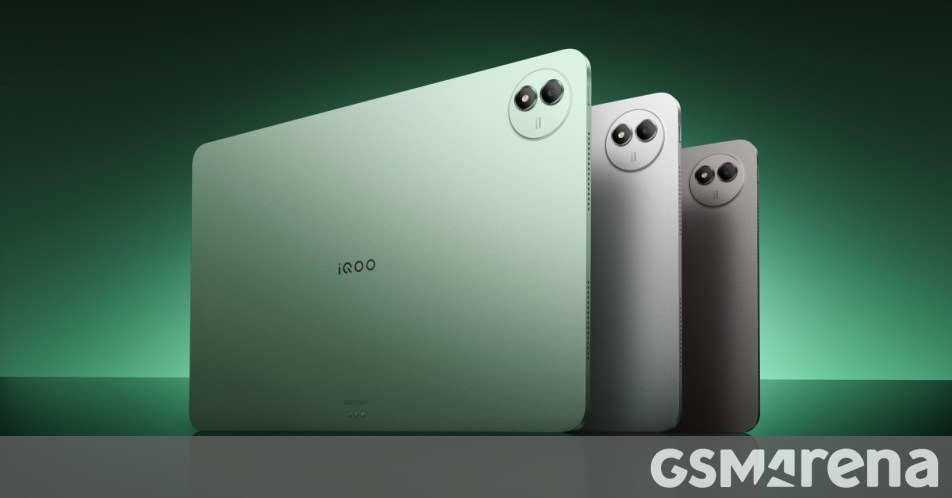
- Market Positioning: Unlike the 13.2-inch iQOO Pad 6 Pro, which serves as a general-purpose productivity and media consumption powerhouse, this new entry is being positioned as a "dedicated gaming console" that happens to run Android.
Chronology: From the Pad 6 Pro to the Compact Vision
To understand the trajectory of iQOO’s tablet strategy, one must look at the rapid-fire evolution of their hardware lineup over the past several months.
The Foundation: The iQOO Pad 6 Pro Era
In early 2025, iQOO solidified its reputation in the high-end tablet space with the release of the Pad 6 Pro. Featuring the Snapdragon 8 Elite Gen 5 and a sprawling 13.2-inch 4K display, the device set a high bar for performance. However, consumer feedback highlighted a clear divide: while the Pad 6 Pro was a phenomenal device for creative work and streaming, it was physically taxing for mobile gamers who prefer using touch controls or external controllers for extended sessions.
The Pivot: Identifying the Gap
By mid-2025, market analytics began showing a renewed interest in "small-screen" high-performance devices. Brands like Lenovo (with their Legion Y700 series) proved that a niche market existed for 8-inch gaming tablets. Recognizing this, iQOO’s development teams began conceptualizing a device that could leverage the existing software optimizations of the Pad 6 Pro while shrinking the hardware footprint.
The Present: Leaks and Expectations
As of the current quarter, development has accelerated. The recent leaks confirm that iQOO is not merely iterating on a current design but is building a platform optimized for the next generation of Qualcomm architecture. The decision to synchronize this release with the iQOO 16 smartphone series is a deliberate marketing maneuver to create an "iQOO ecosystem" narrative for power users.
Supporting Data: Why 8.8 Inches?
The move toward an 8.8-inch display is not merely aesthetic; it is rooted in technical and ergonomic data.
Ergonomic Optimization
Professional gaming requires rapid inputs. On a 13-inch tablet, a player’s thumbs often have to travel significant distances across the screen to reach on-screen buttons, increasing fatigue and decreasing reaction time. An 8.8-inch display allows for a more "controller-like" grip, where the entire active area of the game is within the comfortable range of a user’s thumb reach.
Thermal Efficiency
Smaller chassis present significant thermal challenges, but they also offer a distinct advantage: localized cooling. By utilizing the Snapdragon 8 Elite Gen 6, which features improved power efficiency, iQOO can theoretically achieve higher sustained performance levels because the heat density can be managed across a smaller, more uniform chassis. Vapor chamber technology has matured significantly, and in an 8.8-inch frame, the cooling solution can be more effectively coupled with the SoC than in larger, thinner tablets where internal space is often sacrificed for battery thinness.
The Qualcomm Factor
The inclusion of the Snapdragon 8 Elite Gen 6/Pro is the cornerstone of this device’s potential success. These chips are expected to utilize a 3nm process, offering massive gains in both CPU multi-threading and GPU ray-tracing capabilities. For gamers, this means the ability to run titles like Genshin Impact or Zenless Zone Zero at maximum settings without the thermal throttling that currently plagues many mid-range mobile devices.
Official Responses and Corporate Strategy
To date, iQOO has remained characteristically tight-lipped regarding the specific details of this upcoming tablet. However, internal corporate communications suggest a shift in strategy.
In a recent (though brief) statement regarding their hardware pipeline, an iQOO representative noted, "Our commitment to the gaming community is to provide the best possible interface for competition. We are listening to our users who demand mobility alongside high-fidelity performance."
While not an official confirmation of the 8.8-inch tablet, this sentiment aligns perfectly with the leaked data. By moving away from the "all-in-one" approach of the Pad 6 Pro, iQOO is adopting a "specialized" strategy. They are positioning themselves not as a general tablet manufacturer, but as the premier choice for the mobile esports athlete.
Implications: The Impact on the Gaming Ecosystem
The introduction of a compact, high-performance iQOO gaming tablet will have immediate ripples across the mobile market.
1. Competitive Pressure on Handheld PCs
The lines between mobile tablets and dedicated handheld PCs (like the Steam Deck or ROG Ally) are blurring. If iQOO can provide a device with a high-refresh-rate display, top-tier silicon, and a mature gaming UI, it may cannibalize sales from the handheld PC market. Android’s growing library of high-fidelity titles, combined with superior battery efficiency compared to x86-based handhelds, makes this a compelling alternative for gamers on the go.
2. Standardizing High-Performance Gaming
Should iQOO succeed, it will likely force competitors to revisit their own tablet lineups. The current market is saturated with "productivity tablets" that struggle to play demanding games. A move toward "gaming-first" tablets could lead to a broader industry trend where high-refresh-rate screens, active cooling, and flagship processors become the standard for all tablets in the 8-to-10-inch segment.
3. The Future of the iQOO Ecosystem
By launching this tablet alongside the iQOO 16, the company is attempting to secure the "gamer’s pocket and backpack." A user who owns an iQOO smartphone and an iQOO tablet will likely benefit from seamless synchronization—shared game data, instant screen mirroring, and optimized controller support across devices. This ecosystem lock-in is a classic strategy, but one that only works if the hardware is genuinely superior to the alternatives.
Conclusion: A Turning Point for Mobile Gaming
As we look toward the second half of the year, all eyes are on the potential unveiling of this compact gaming powerhouse. If the leaks hold true, iQOO is poised to deliver a device that understands exactly what the modern gamer needs: a perfect balance of power, portability, and display clarity.
While the 13.2-inch iQOO Pad 6 Pro will remain a formidable tool for those requiring a larger canvas, the upcoming 8.8-inch device could well be the product that defines the next chapter of mobile gaming. By stripping away the bloat and focusing on the core experience of play, iQOO is not just launching a tablet; they are setting a new benchmark for what a dedicated mobile gaming machine should be.
Industry analysts remain optimistic. With Qualcomm’s next-generation silicon at the helm, the technical groundwork is laid. Now, it is simply a matter of execution. As September approaches, the tech world waits to see if iQOO can translate these ambitious rumors into a handheld reality that changes the way we play.