The AI Transformation Brief: Mastering Practical Workflows, Cinematic Video, and Enterprise Tool Updates
As the boundary between human effort and machine execution continues to blur, artificial intelligence is transitioning from a novelty tool into an operational engine. Professionals are no longer satisfied with simple chatbots that generate text summaries requiring manual intervention; instead, the demand has shifted toward automation, structured data, and true agency.
In this comprehensive briefing, we examine the shifting paradigm of AI execution—moving beyond mere prompting to implement structured data collection via forms. We also look at the roadmap for creating professional-grade AI video without a film school background, analyze the imperative of platform-agnostic workflows, and break down major industry updates from Anthropic, Meta, and OpenAI.
1. Main Facts: The Shift Toward Actionable AI and Unified Ecosystems
The current landscape of artificial intelligence is defined by a hard pivot toward execution and utility. For years, the primary bottleneck in AI adoption has been the "last mile" problem: artificial intelligence can scan pages, review transcripts, and summarize customer feedback brilliantly, but it routinely stops short of taking action. Users are left with voluminous paragraphs of text that they must read, interpret, and manually re-enter into other software.
Simultaneously, the foundational layers of the AI ecosystem are undergoing radical consolidation. Major enterprise providers are merging disparate chat interfaces, desktop agents, and workflow tools into unified environments.
- Anthropic has rolled out Claude Opus 5.5 alongside a unified interface that merges chat, coworking, and document design.
- Meta has extended its Muse AI agent to the macOS ecosystem, directly integrating native desktop workflows.
- OpenAI has expanded its advertising and operational infrastructure, introducing sponsored conversational agents and deeper CRM integrations.
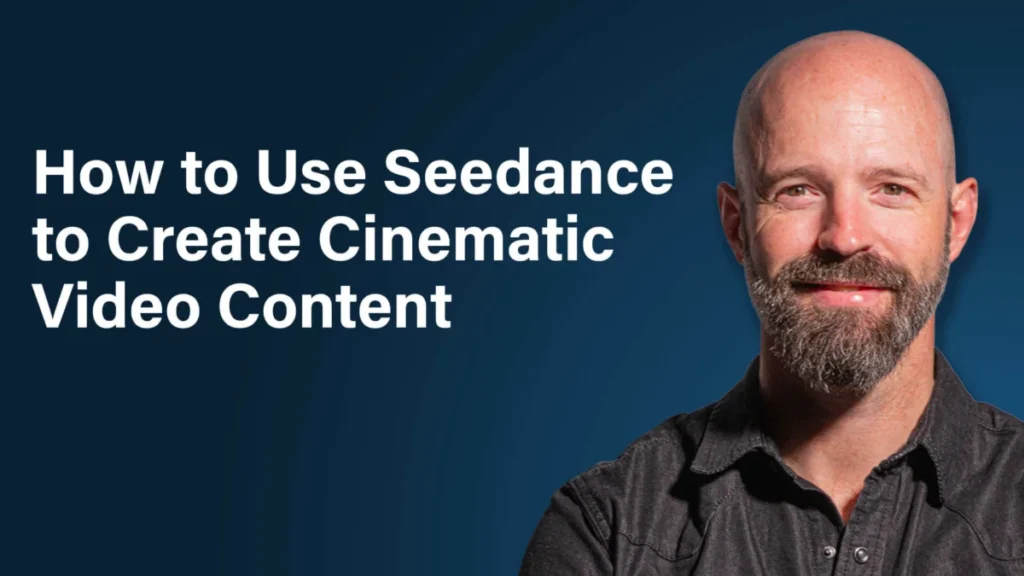
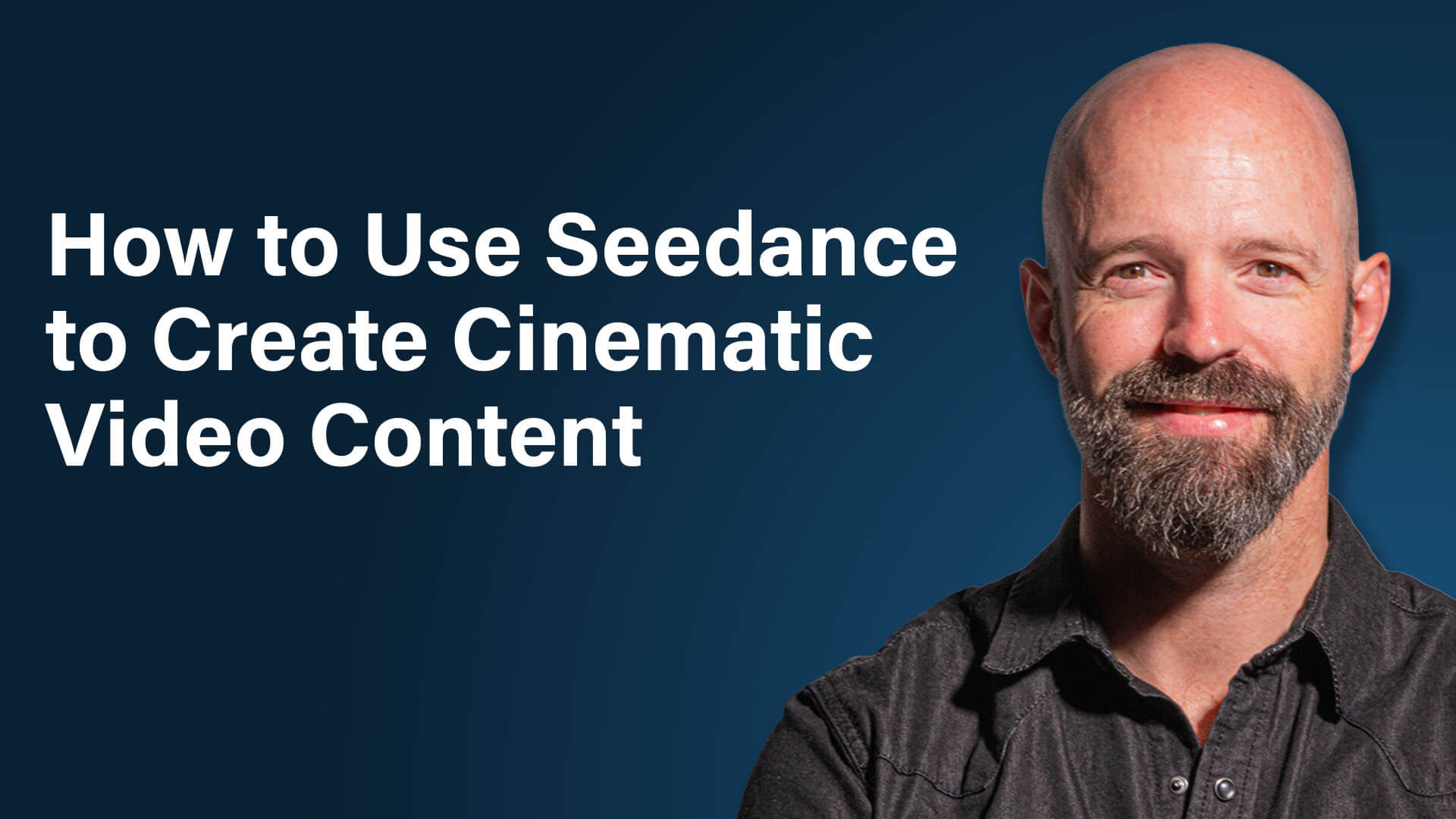
In creative fields, the narrative has shifted away from clumsy, distorted outputs toward cinematic storytelling. Experts like Ross Symons of Zen Robot emphasize that generating professional video is no longer about stumbling upon a lucky prompt, but rather understanding foundational concepts, utilizing director-level aesthetic shorthand, and implementing storyboard-first keyframe methods.
2. Chronology: Key Developments in the AI Sector
To understand how rapidly the enterprise AI stack is evolving, it is essential to trace the immediate timeline of recent platform releases, interface unifications, and agent deployments:

- Mid-September 2026: Anthropic shakes up the developer and enterprise space with the official launch of Claude Opus 5.5, delivering heightened reasoning for complex coding and computer-use tasks while simultaneously lowering operational costs.
- September 16, 2026: Anthropic announces the consolidation of Claude Chat, Cowork, Artifacts, and design tools into a single, cohesive interface capable of autonomously routing requests and handling native document and presentation generation.
- September 18, 2026: Meta officially brings its Muse AI agent to macOS, giving the assistant permissions-based access to native applications, including files, email, notes, calendars, and messaging clients, complete with new voice calling features.
- Late September 2026: OpenAI rolls out significant updates to its advertising and enterprise stack, introducing Sponsored Agents within ChatGPT, natural-language campaign management via ChatGPT Work, and native integrations with HubSpot and Shopify.
3. Supporting Data: The Efficiency Gap and Architectural Shifts
Transitioning from "AI that reports to you" to "AI that acts for you" requires a fundamental redesign of how prompts and inputs are structured. Data from modern workflow automation studies highlights why traditional prompting often fails at scale:
- The Prompt Overhead: Open-ended conversational prompts yield unstructured natural language. Studies on administrative bottlenecks show that up to 40% of time saved by AI summarization is subsequently lost on manually parsing, cleaning, and transferring data into databases or CRM platforms.
- The Form Factor Solution: Replacing open chat fields with structured digital forms eliminates variability. When every field label acts as a strict instruction and every dropdown limits invalid responses, the resulting data is clean, predictable, and ready for automated webhooks.
- The Automation Trigger: By treating a form submission as a web trigger, organizations reduce human latency to zero. Whether routing competitor intelligence to a Slack channel, auto-assigning call notes as Jira tasks, or generating CRM profiles from prospect research, automated workflows execute in milliseconds.
- Model Efficiency & Cost: With the release of models like Claude Opus 5.5, token efficiency has increased while inference costs have decreased, making it economically viable to run continuous, multi-step background agents without incurring prohibitive operational overhead.
4. Official Responses and Industry Perspectives
Industry leaders and creative directors are increasingly vocal about the necessary evolution of AI literacy. The consensus among technologists is that surface-level prompt engineering is reaching its saturation point.
The Problem with "Easy" AI Video
Reflecting on the state of generative video, Ross Symons, Chief Creative Officer of Zen Robot, addresses the widespread misconception that modern video generators require no specialized knowledge:

"Anyone can type a prompt and get a video clip back. But getting a result that actually looks good requires a specific way of communicating with these tools that’s very different from how you’d chat with an AI assistant. The language you use matters more than the tool you pick."
Symons stresses that creators must move away from random generation and instead master foundational storytelling frameworks, utilizing LLMs like ChatGPT to sharpen concepts before touching a video model. By leveraging director-style aesthetics as a creative shorthand, users can bypass years of formal film school training to build deep, emotionally resonant compositions.
Enterprise Convergence and Safety
Anthropic’s engineering teams highlight that the rollout of Claude Opus 5.5 is not merely a performance upgrade, but a leap forward in enterprise safety. By expanding safeguards for high-risk capabilities—particularly in sensitive domains like biological research and advanced cybersecurity—Anthropic aims to position its models as secure enterprise partners.
Similarly, Meta’s expansion of Muse to macOS reflects an aggressive push into agentic computing. By requiring explicit user approval for sensitive actions while automating routine desktop navigation, Meta is attempting to strike a delicate balance between aggressive utility and user data privacy.
5. Implications for Marketers, Creators, and Enterprise Operations
The rapid convergence of structured data workflows, advanced video synthesis, and agentic desktop integration carries profound implications for the digital economy. Professionals across all sectors must adapt their strategies to remain competitive.
Shifting from Assistants to Autonomous Triggers
Businesses must re-evaluate their reliance on passive AI interactions. Instead of using AI as a conversational sounding board, teams should architect systems where AI outputs directly seed downstream automation.

- Build custom intake forms powered by background LLMs to categorize incoming data.
- Utilize webhook triggers to instantly push structured insights into CRMs, project management systems, and team communication channels.
- Design workflows that are platform-agnostic, ensuring that if an underlying AI model updates, raises its pricing, or experiences downtime, your operational pipelines remain intact.
Elevating Creative Standards in Video Marketing
As cinematic-quality generative video becomes accessible to non-filmmakers, the market will soon be flooded with high-definition, yet conceptually empty, content. To stand out, creators must focus heavily on the pre-production phase:
- Concept First, Prompt Second: Establish clear emotional stakes, narrative arcs, and character motivations via text-based LLMs before generating visual assets.
- The Keyframe Methodology: Move beyond isolated, viral one-off clips. Master the use of start and end frames, storyboards, and timed prompts to stitch multi-clip sequences together into coherent, professionally edited narratives.
Navigating the Multi-Platform Ecosystem
With OpenAI introducing Sponsored Agents and native e-commerce integrations via Shopify and HubSpot, and Anthropic unifying its workspace into a single interface, marketers now have unprecedented power to manage entire campaigns through conversational interfaces. However, this tight coupling demands vigilance. Relying too heavily on a single closed ecosystem can leave businesses vulnerable to sudden pricing shifts or API deprecations.
Conclusion
The era of casual AI experimentation is over. Success in the current landscape belongs to those who view artificial intelligence not as a chatbot in a browser tab, but as an integral, structured, and automated component of their core business architecture. By combining form-driven triggers, platform-agnostic workflows, and disciplined creative frameworks, organizations can unlock unprecedented levels of efficiency, scale, and creative impact.