Mastering the YouTube Algorithm: How Businesses Can Turn AI-Driven Distribution into Free Customer Acquisition
By [Your Name/Editorial Desk]
Published in Business & Technology Insights
Executive Summary & Main Facts
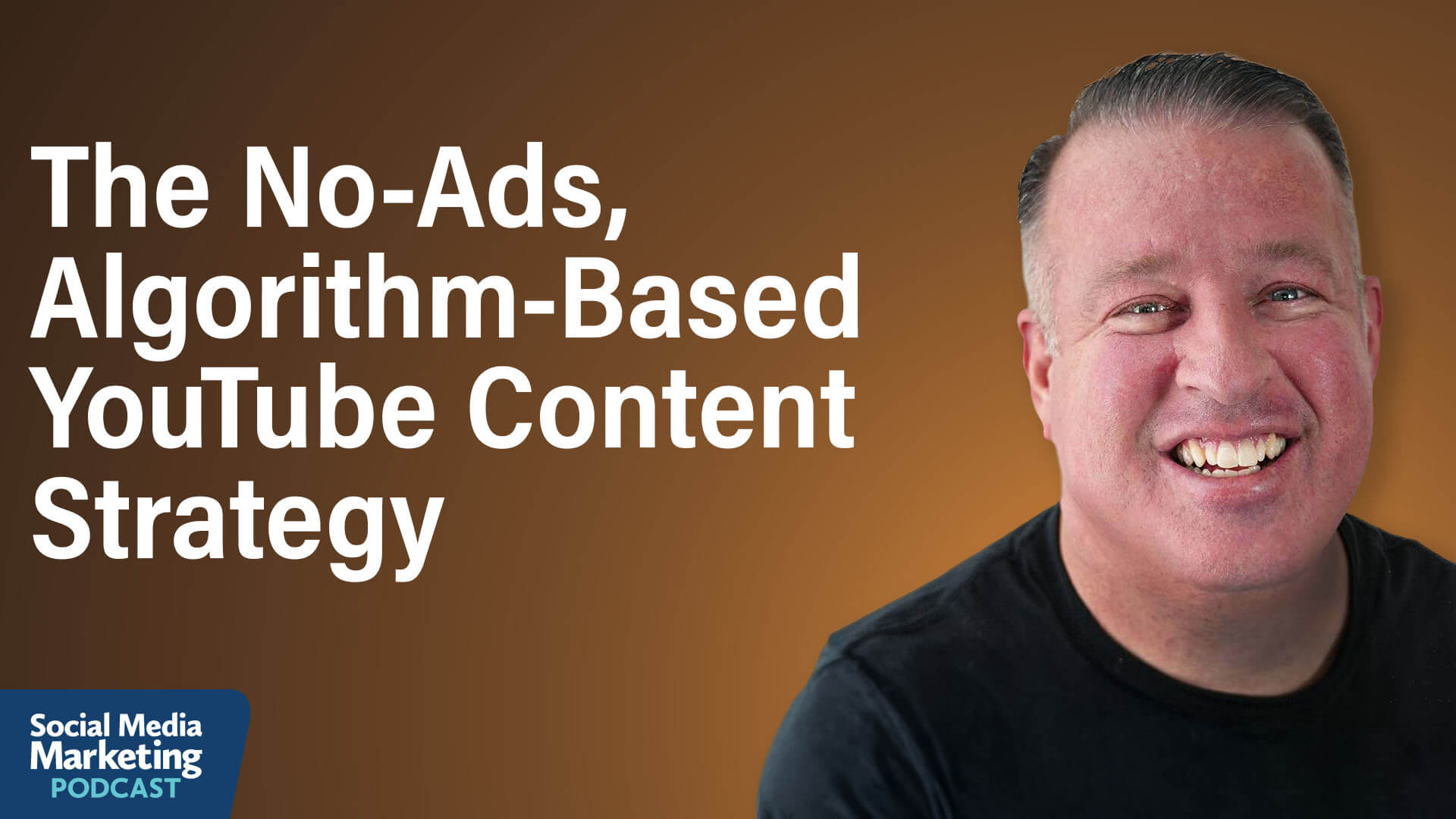
For over a decade, businesses have poured billions of dollars into paid digital advertising, treating distribution as a transactional commodity that must be purchased. However, according to YouTube growth expert Derral Eves, a fundamental shift in mindset—and a deeper understanding of platform mechanics—allows brands to bypass paid ad spend entirely. By aligning with YouTube’s artificial intelligence (AI) framework, companies can leverage organic distribution to find, nurture, and convert their ideal audiences at zero media cost.
The core premise relies on recognizing a foundational error made by most commercial channels: they target customers instead of viewers. Modern YouTube AI, refined continuously since its pivotal algorithmic shift in 2013, is not designed to assist advertisers in closing sales. Instead, its singular directive is to keep users on the platform longer by matching them with content they genuinely want to watch.
When businesses reverse-engineer this AI mandate—creating value-driven content targeting viewer psychographics rather than immediate sales demographics—YouTube acts as an automated, organic distribution engine. Case studies highlighted by Eves reveal that companies implementing this strategy have scaled past $20 million in sales, built multi-year waitlists, and captured upwards of 80% of their traffic purely through algorithmic recommendations.
Chronology and Evolution of YouTube’s Discovery Engine
To understand how to master YouTube today, it is essential to trace how the platform’s underlying technology has evolved:
- Pre-2013 (The View-Based Era): YouTube’s recommendation system primarily prioritized raw view counts and clickbait metrics. Videos that amassed quick clicks rose to the top, regardless of whether viewers actually watched them through to completion. This created an ecosystem dominated by sensationalized thumbnails and superficial content.
- Post-2013 to Present (The AI-Driven Engagement Era): YouTube transitioned to a sophisticated, deep-learning AI system. The platform’s key performance indicator shifted from simple clicks to sustained session duration and viewer satisfaction. The algorithm began mapping topical interests, watch histories, and behavioral patterns to recommend content that keeps users engaged on the platform for extended periods.
- The Modern Integration of Search and Recommendations: Today, YouTube functions dually as a video-sharing social network and the world’s second-largest search engine (deeply integrated with Google search results). Creators who optimize for viewer intent now benefit from cross-platform visibility, where search traffic seeds the initial audience data, allowing the recommendation engine to scale that content globally.
Supporting Data and Real-World Case Studies
The efficacy of this organic strategy is best illustrated through tangible, verified business transformations:
- The Industrial E-Commerce Scale-Up: A student of Derral Eves running an e-commerce business specializing in used office furniture (sourced from corporate foreclosures) built his entire traffic strategy around YouTube. Operating with zero email lists and zero paid ads, he avoided traditional product listings. Instead, he produced reviews, comparison breakdowns, and buyer’s guides. Later, he expanded into targeted formats like S-tier to F-tier ranking videos to capture demographic adjacencies (such as gamers searching for affordable seating).
- The Result: Approximately 75% to 80% of his views stemmed entirely from YouTube recommendations. When he eventually integrated email marketing sequences and annual live-stream sales events, his revenues surpassed $20 million, significantly outperforming traditional retail milestones like Black Friday.
- The Medical Practice Funnel: An immunologist looking to expand her patient base partnered with Eves to analyze her channel data. Discovering her audience skewed heavily toward the 45-to-65-plus demographic, she tailored her content to match psychographic "wake-up calls" (such as fatigue, blood pressure management, and health longevity).
- The Result: A video detailing foods to naturally lower blood pressure reached 1.7 million views, while a follow-up piece on blood pressure measurement mistakes accumulated 865,000 views in under two weeks. This established a robust top-of-funnel pipeline for virtual visits and wellness supplements.
- Community-Driven Authority: The Dry Creek Wrangler School channel, helmed by a traditionalist in his sixties sharing cowboy wisdom, leveraged authentic, unpolished campfire discussions. Addressing deep viewer struggles with loneliness and personal direction, his video "When You Just Ain’t Got It Together" drew 8.5 million views and 18,000 comments. Consequently, his physical week-long cowboy school sold out completely, creating a three-and-a-half-year waitlist.
Official Insights & Strategic Frameworks
According to industry leaders Derral Eves and co-creators sharing insights at major marketing forums, executing a successful zero-ad-spend YouTube strategy requires a systematic adherence to six key pillars:
1. Target the Viewer, Not the Customer
Demographics dictate how a message is styled, but psychographics dictate why a viewer acts. By analyzing viewer motivations, values, and life circumstances—often mapped against psychological frameworks like Maslow’s hierarchy of needs—creators can produce content that addresses root human problems rather than pushing commercial agendas. Utilizing tools like ChatGPT, Claude, or Gemini to synthesize comment sections and identify content "gaps" ensures creators speak directly to unmet audience needs.
2. Master the Curiosity Gap and the Decision Window
Earning the click depends heavily on formulating titles and thumbnails that construct a precise curiosity gap. However, once the click is secured, the retention window is ruthlessly narrow: viewers decide whether to stay within the first 5 to 10 seconds of a long-form video (and fractions of a second on Shorts). Creators must immediately validate the viewer’s decision to click, avoiding traditional marketing fluff or promotional elevator pitches.
3. Build Know, Like, and Trust (KLT) Before Selling
Value must be delivered unconditionally upfront. Withholding information behind gated landing pages erodes trust. Conversely, delivering substantive insights early in a video creates a compounding effect, increasing watch time, signaling algorithmic favor, and driving organic sharing. Direct sales pitches become unnecessary when the audience has been thoroughly nurtured through the KLT cycle.

4. Cultivate an Authentic Voice
Corporate polish often reads as inauthentic on digital video platforms. Creators must learn to converse with the camera as if speaking to a trusted friend at a dinner table. Channels that achieve long-term resonance—such as Pat Flynn’s Deep Pocket Monsters—succeed by leaning into genuine curiosity, vulnerability, and distinct personal identity rather than corporate uniformity.
5. Deploy the Right Formats and Mechanisms
Content must utilize structured "mechanisms" to sustain viewer interest. While listicles (e.g., top mistakes, best practices) serve as accessible entry points for beginners, advanced creators utilize the ABC storyline structure:
- A Storyline: The core topic dictated by the title.
- B Storyline: The underlying motivation or "why."
- C Storyline: The unifying thematic thread that binds the narrative together.
6. Rigorously Analyze Analytics and Adjust
YouTube provides deep, real-time data on audience drop-off points. Creators must operate on a continuous loop of planning, execution, analysis, and adjustment. Tracking retention graphs helps isolate whether a drop-off is caused by mismatched thumbnail expectations or a slow opening, allowing for iterative improvements on subsequent uploads.
Broader Implications for the Future of Digital Marketing
The shift toward AI-guided, organic distribution models carries profound implications for the broader marketing landscape:
- Democratization of Reach: Small businesses and solo entrepreneurs no longer require massive venture capital or ad budgets to compete with legacy enterprises. Quality of connection and alignment with algorithmic distribution metrics now supersede financial muscle.
- The Death of Aggressive Direct-Response Marketing on Organic Channels: Audiences have developed sophisticated filters against traditional sales tactics. Platforms like YouTube reward utility, education, and entertainment, forcing brands to transform into media companies rather than mere product distributors.
- The Intersection of AI and Human Authenticity: As generative AI floods the digital ecosystem with synthetic content, human-centric storytelling and distinctive personal voices emerge as the ultimate competitive advantage. Algorithms are built to amplify what humans value most: authentic connection, shared experience, and trustworthy guidance.