Nayara Energy Slashes Fuel Prices: Petrol Down by Rs 5, Diesel by Rs 3 Amid Global Crude Easing
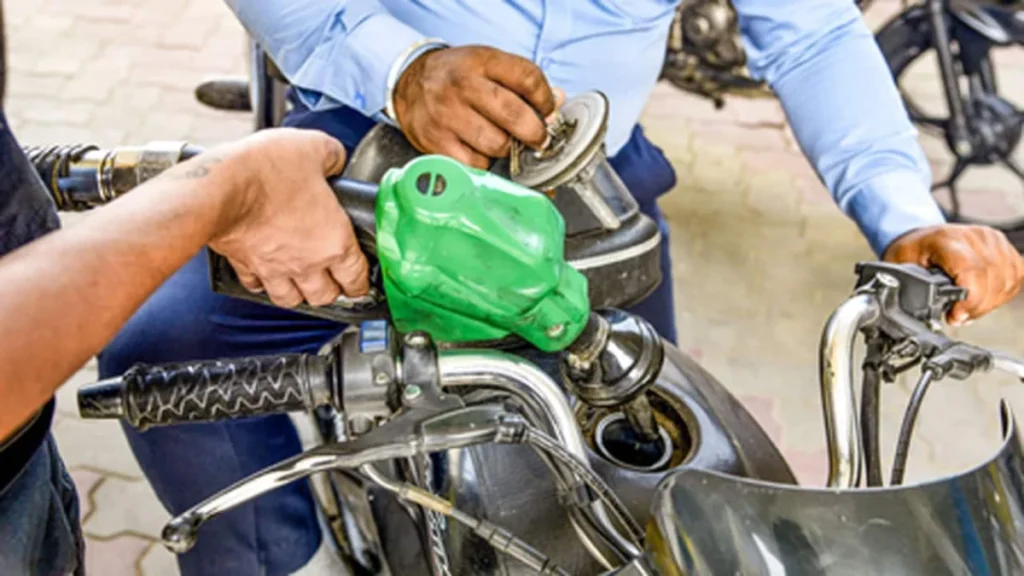
New Delhi, July 01, 2026 – In a move that brings significant relief to millions of motorists and commercial transport operators across India, Nayara Energy, one of the country’s largest private fuel retailers, announced a substantial reduction in retail prices for petrol and diesel. Effective immediately, the revised rates have been implemented across the company’s extensive network of over 7,000 fuel stations nationwide.
The price adjustment, which sees petrol costs drop by Rs 5 per litre and diesel prices decline by Rs 3 per litre, comes as a direct response to the softening of global crude oil prices. As volatility in the international energy markets stabilizes, Nayara Energy’s decision reflects a strategic effort to pass on the benefits of lower procurement costs to the end consumer, potentially stimulating economic activity in sectors heavily reliant on logistics and transportation.
The Core Facts: A Breakdown of the Price Revision
The announcement, confirmed early this morning, marks one of the most significant single-day price reductions by a private fuel retailer in recent months. The revised pricing structure is uniform across the company’s vast distribution network, ensuring that consumers from urban metropolitan centers to remote highway outposts benefit from the same reduction.
- Petrol Price Reduction: Rs 5.00 per litre.
- Diesel Price Reduction: Rs 3.00 per litre.
- Scope: All 7,000+ Nayara Energy fuel outlets in India.
- Effective Date: July 1, 2026.
This reduction is expected to provide a welcome respite to household budgets, which have been strained by persistent inflationary pressures over the past year. By lowering the cost of transit and personal mobility, the company aims to solidify its market position while aligning its pricing strategy with the broader downward trend observed in the international oil markets.
Chronology of Market Shifts
To understand the gravity of this decision, one must look at the timeline of events leading up to this July announcement.
Q1 2026: Rising Tensions and Peak Prices
The first quarter of 2026 was characterized by heightened geopolitical instability in key oil-producing regions. Supply chain disruptions and concerns over inventory levels drove crude oil prices to multi-year highs. During this period, private retailers like Nayara Energy were forced to maintain higher pump prices to mitigate the impact of rising operational costs and thin refining margins.
April–May 2026: The Cooling Trend
As the global diplomatic landscape shifted, fears of severe supply shortages began to dissipate. Major oil-producing nations signaled increased output, and global demand projections were slightly tempered by economic slowdowns in key industrial nations. This created a surplus sentiment, pushing Brent Crude and WTI (West Texas Intermediate) prices into a steady decline.
June 2026: Accumulating Data
Throughout June, Nayara Energy’s internal analytics teams monitored the average cost of the Indian Basket of crude oil. With the cost of raw petroleum products sustaining a downward trajectory for four consecutive weeks, the company’s board initiated a review of its pricing matrix.
July 01, 2026: Implementation
The decision to finalize the price cut was ratified late on June 30, with the implementation directives dispatched to all automated fuel management systems across the company’s 7,000+ stations. By 10:56 AM IST on July 1, the digital price displays at these stations reflected the new, lower rates.
Supporting Data: The Global Crude Context
The retail fuel market in India is inextricably linked to the international crude oil market. While the government sets the broader regulatory framework, retailers like Nayara Energy operate within a competitive landscape influenced by the "Indian Basket"—a weighted average of Oman, Dubai, and Brent crude prices.
Recent data from the Petroleum Planning and Analysis Cell (PPAC) indicates that the average price of the Indian Basket has dropped by approximately 8% over the last six weeks. This reduction is attributed to:
- Increased Strategic Reserves: Nations have reached a point of storage saturation, reducing the "fear premium" that historically inflates prices.
- Renewable Energy Penetration: A marginal but consistent increase in the adoption of electric vehicles (EVs) and biofuels in global markets has dampened the long-term outlook for fossil fuel demand.
- Refinery Efficiency: Advances in refining technology have allowed companies to extract more value from every barrel of crude, creating a buffer that allows for more flexible retail pricing.
For Nayara Energy, which operates the Vadinar refinery—one of the most modern and complex refineries in the world—these efficiencies provide the financial headroom to absorb price shocks better than smaller, less integrated players.
Official Responses and Corporate Strategy
In a brief statement issued to the press, a spokesperson for Nayara Energy emphasized the company’s commitment to the Indian consumer. "Our pricing strategy is driven by our commitment to transparency and the economic well-being of the communities we serve. As global crude prices stabilize, it is only logical that we pass these savings directly to our customers. We believe this move will provide a much-needed boost to the transport and logistics sectors, which are the backbone of the Indian economy."
Industry analysts have praised the move as a "pro-consumer" step. "Private retailers often face a dilemma when crude prices drop," notes Dr. Anjali Rao, a senior energy economist. "They must balance the need for profit margins with the risk of losing market share to public sector undertakings (PSUs). By taking the lead on this price cut, Nayara Energy is positioning itself as a consumer-friendly brand, which is essential in a market as price-sensitive as India’s."
Implications: The Road Ahead
The impact of this price reduction will likely be felt across several tiers of the Indian economy.
1. Logistics and Transportation Costs
Diesel is the lifeblood of India’s logistics sector. With a Rs 3 reduction, transport operators—who have been grappling with high freight costs—will likely see an immediate improvement in their operating margins. This could potentially lead to a stabilization in the prices of essential goods, as transportation accounts for a significant portion of the cost of perishables and manufactured items.
2. Consumer Sentiment and Inflation
While the reduction is localized to Nayara stations, it exerts pressure on the entire market. It is common for competitors to monitor such shifts closely. If public sector oil marketing companies (OMCs) follow suit, the cumulative effect could contribute to a cooling of the headline inflation rate in the coming months.
3. The Shift in Market Dynamics
The presence of 7,000+ Nayara stations acts as a significant benchmark for retail pricing. By demonstrating agility in responding to global market trends, Nayara Energy is challenging the dominance of the larger PSUs. This competition is healthy for the economy, as it prevents the stagnation of pricing models and encourages better service standards at fuel outlets.
4. Long-term Energy Outlook
Despite this price cut, the energy sector remains in a period of transition. The government of India’s push toward "Green Hydrogen" and increased ethanol blending (up to 20% in petrol) continues to be the long-term goal. Retailers are currently in a delicate balancing act: maximizing returns on traditional fuel assets while simultaneously investing in the infrastructure required for the energy transition, such as EV charging hubs and CNG/LNG dispensing units.
Conclusion
The Rs 5 cut on petrol and Rs 3 on diesel by Nayara Energy is a significant development in the domestic energy landscape. By responding decisively to the easing of global crude oil prices, the company has provided a tangible economic stimulus to its vast customer base.
As the industry looks forward, the focus will shift to whether the public sector giants will mirror these price reductions, or if the market will remain fragmented. For now, the Indian motorist and the commercial fleet operator have a reason to celebrate, as the ripple effects of global market stabilization finally reach the pump. The coming weeks will be critical in determining if this trend of price easing is sustainable or if further volatility looms on the horizon. For now, however, the message from the fuel stations is clear: the cost of moving India is becoming, at least for the moment, a little more affordable.