The Evolution of Form: Samsung Signals a Design Paradigm Shift with New Galaxy Z Fold8 Teasers
After months of industry speculation, supply chain leaks, and intense anticipation, Samsung has finally broken its silence. The tech giant has initiated a global teaser campaign for its next-generation foldable device, widely expected to be branded as the Galaxy Z Fold8. By pivoting its marketing focus toward a significantly wider aspect ratio, Samsung is signaling that the era of the "narrow" foldable—a long-standing criticism of its previous iterations—may finally be coming to an end.
The teasers, released across multiple social media platforms, serve as the first official confirmation of the device’s shift in design philosophy. With a rumored launch date of July 22, the technology world is bracing for what could be the most substantial hardware revision in the history of the Galaxy Z Fold series.
Main Facts: A Shift in Silhouette
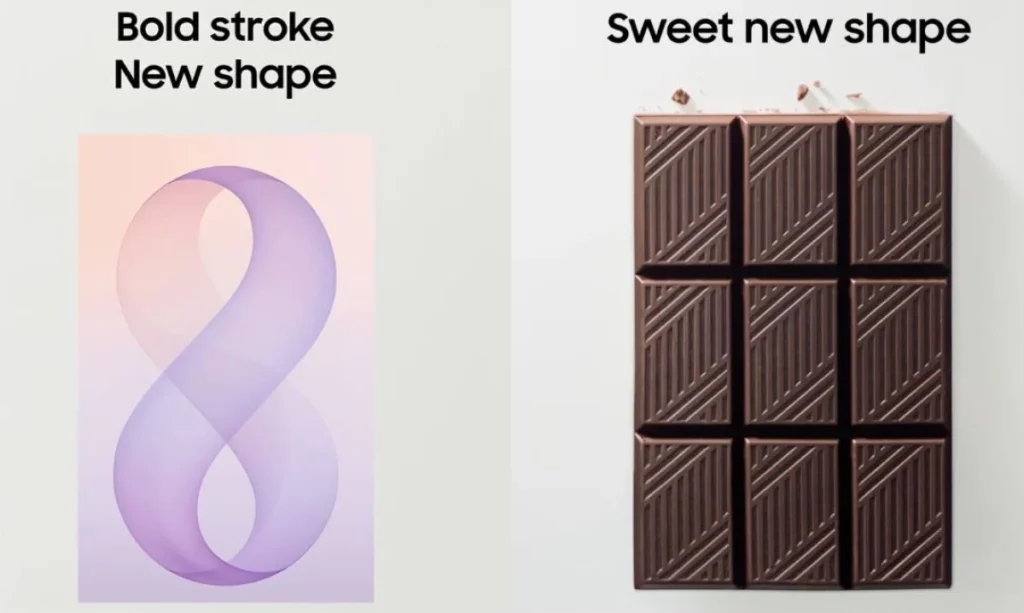
Samsung’s latest social media outreach consists of six cryptic, high-production-value video teasers. Rather than showcasing the device’s internal hardware or camera specifications, these clips focus exclusively on form factor and geometry.
The recurring theme across all assets is the "wide" aesthetic. Messaging accompanying the visuals includes evocative taglines such as "A New Shape" and "A Bold Stroke." For industry analysts, these aren’t merely stylistic choices; they are a direct response to a primary consumer pain point. Since the inception of the Fold line, users have often lamented the "candy bar" cover display, which many found too narrow for comfortable typing or standard app usage. By emphasizing a wider canvas, Samsung is clearly positioning the Fold8 as a more versatile productivity tool, bridging the gap between a standard smartphone and a compact tablet.
The upcoming launch is expected to be a tripartite event. While the standard Galaxy Z Fold8 remains the primary focus, reports indicate it will be accompanied by two siblings: the high-performance Galaxy Z Fold8 Ultra and the refreshed Galaxy Z Flip8.
Chronology: From Rumors to Official Teasing
The path to this moment has been paved with months of leaks, providing a roadmap for what we are seeing today.
- Q1 2024: Early rumors began circulating about a major design overhaul for the Fold series. Supply chain insiders suggested that Samsung had been testing internal prototypes with wider display panels and slimmer hinges.
- April 2024: Patent filings emerged showing a device with a more traditional smartphone aspect ratio when folded, fueling speculation about the "Fold8" redesign.
- May 2024: Reports surfaced regarding a potential "Ultra" variant, suggesting that Samsung intended to segment its foldable market similarly to its S-series flagship lineup.
- June 2024 (Present): Samsung officially kicked off its teaser campaign. The transition from rumor to official marketing confirms that the company is ready to pivot its design language to better compete with Chinese rivals like Honor and Xiaomi, who have been pushing the boundaries of thinness and width in the foldable space.
Supporting Data: Why the "Wide" Shift Matters
The foldable market has matured rapidly. When the first Galaxy Fold launched, the sheer novelty of a flexible screen was enough to drive sales. Today, users demand refined ergonomics.
The Ergonomics of the Cover Display
Data from user feedback surveys consistently highlights the cover screen as the most used interface element of the Fold series. A wider display allows for a more standard keyboard experience, reducing typing errors—a major grievance with previous models. Furthermore, a wider aspect ratio improves compatibility with mainstream Android applications, which are generally optimized for 16:9 or 20:9 aspect ratios rather than the narrow, elongated proportions of the current Fold series.
Market Competition
The global foldable market is no longer a Samsung monopoly. Competitors have successfully launched devices that feel like standard smartphones when closed. By embracing a wider design, Samsung is proactively defending its market share against these rivals. The "Ultra" variant, meanwhile, is expected to feature premium materials, potentially titanium alloys or improved display glass, to maintain the brand’s position at the top of the luxury tier.
Official Responses and Strategic Marketing
Samsung has maintained its signature "tease-but-don’t-tell" approach. By withholding the device’s name and specific technical specifications, the company creates an air of mystery that drives social media engagement.
In a statement regarding the campaign, a Samsung spokesperson noted, "Our commitment to the foldable category is defined by continuous evolution. With this upcoming release, we are not just changing the shape of the device; we are changing the potential of what a mobile experience can be."
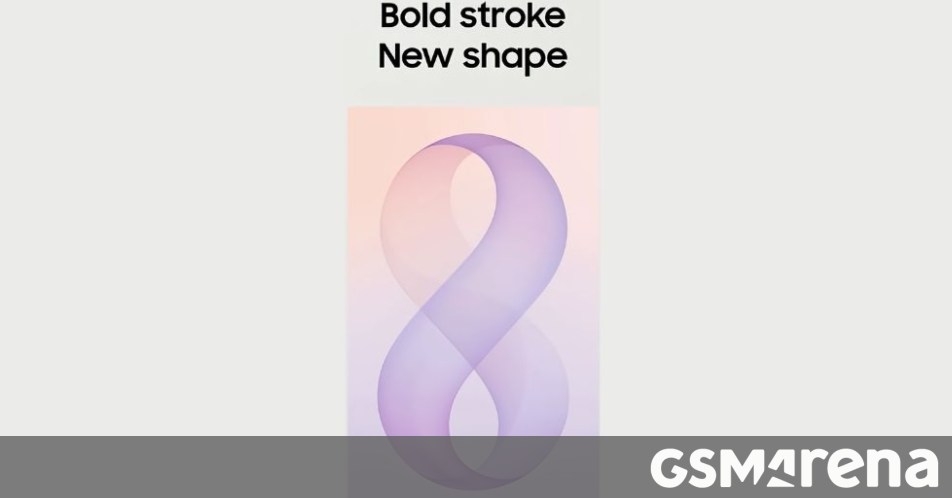
The choice of channels—YouTube Shorts and Instagram—demonstrates a clear move toward a younger, visually-oriented demographic. By focusing on the "Bold Stroke" of the design, Samsung is targeting power users and creatives who view their phone as an extension of their professional and artistic identity.
Implications: A New Era for the Galaxy Z Fold8
The shift toward a wider Galaxy Z Fold8 has several significant implications for the industry and the consumer.
1. The Death of the "Narrow" Foldable?
If the Fold8 is indeed significantly wider, it effectively sets a new industry standard. We can expect other manufacturers to quickly follow suit. The industry may look back on the narrow design of the Fold 1 through 6 as a "transitional period" in foldable hardware development.
2. Software Optimization
Hardware changes require software updates. A wider screen necessitates better multitasking interfaces. We anticipate that Samsung will introduce a refined version of One UI alongside the Fold8, specifically tailored to maximize the utility of the increased screen real estate. This could include more robust multi-window support and a more intuitive taskbar experience.
3. The "Ultra" Differentiation
The existence of a "Fold8 Ultra" suggests that Samsung is moving toward a tiered strategy. The standard Fold8 will likely remain the approachable, mainstream flagship, while the Ultra could target enterprise users and professional photographers, potentially featuring an upgraded camera array or an integrated S-Pen silo, which has been a long-requested feature.
4. Pricing and Accessibility
With the introduction of an "Ultra" model, pricing remains a point of concern for consumers. Will the standard Fold8 remain at its current price point, or will the "new shape" come with a price hike? Given the current economic climate, Samsung will need to strike a delicate balance between offering premium features and maintaining the accessibility that has made the Galaxy Z line a household name.
Looking Ahead: The July 22 Launch
As the July 22 event approaches, the focus will undoubtedly shift from design teasers to feature leaks. What will be the battery capacity of the new wider units? How much has the hinge mechanism been refined to reduce the screen crease? Will the camera sensors finally match the capabilities of the Galaxy S24 Ultra?
Samsung’s decision to officially tease the device this early in the cycle suggests a high level of confidence in the product. They are betting that the "new shape" will be enough to entice users of older foldable models to upgrade and, perhaps more importantly, attract those who have been holding off on buying a foldable until the ergonomics felt "right."
The Galaxy Z Fold8 represents more than just a hardware update; it is a declaration of intent. It signifies that Samsung is listening to its critics and is willing to iterate aggressively to remain the leader in the foldable space. As we await the official unveiling, the "wide-screen" narrative will remain the focal point of the tech world, and for good reason—it is the first time in years that the physical form of the Fold has undergone such a fundamental, user-requested transformation.
Whether this bold stroke will pay off in market dominance will be decided in the coming months. For now, the teasers have succeeded in their primary goal: they have captured our attention, reset our expectations, and made the wait for July 22 feel significantly longer.