Post-Prime Day Smartphone Landscape: Navigating the New Price Reality
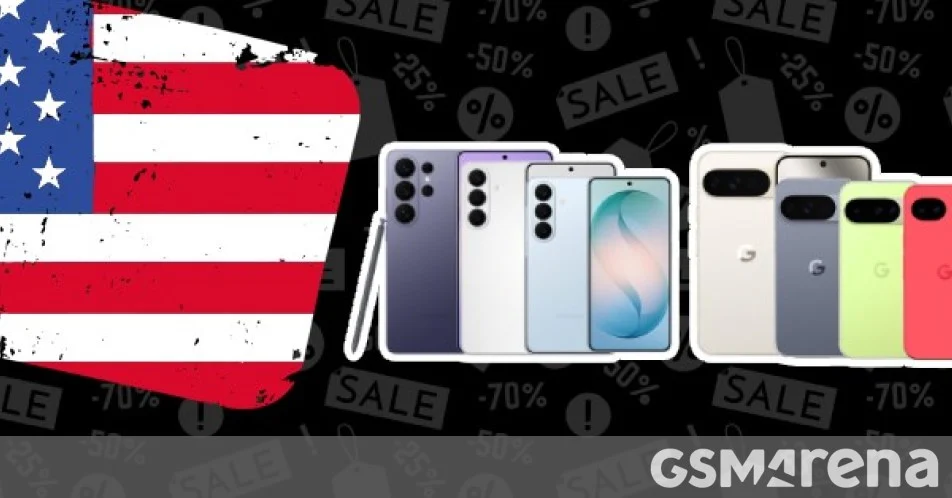
The curtains have officially closed on Amazon’s four-day Prime Day extravaganza, leaving tech enthusiasts and bargain hunters to navigate a significantly different pricing landscape. As the promotional banners vanish and standard retail pricing returns to the digital storefronts, the hierarchy of value in the premium and mid-range smartphone segments has undergone a subtle, yet critical, recalibration.
For those who missed the window of peak discounts, the current market presents a complex puzzle. Whether you are eyeing the top-tier Samsung Galaxy S26 series or the latest non-folding Google Pixel 10 lineup, understanding the post-event valuation is essential. This analysis breaks down the current state of the smartphone market, helping you determine where your investment offers the highest utility.
Main Facts: The Current State of Play
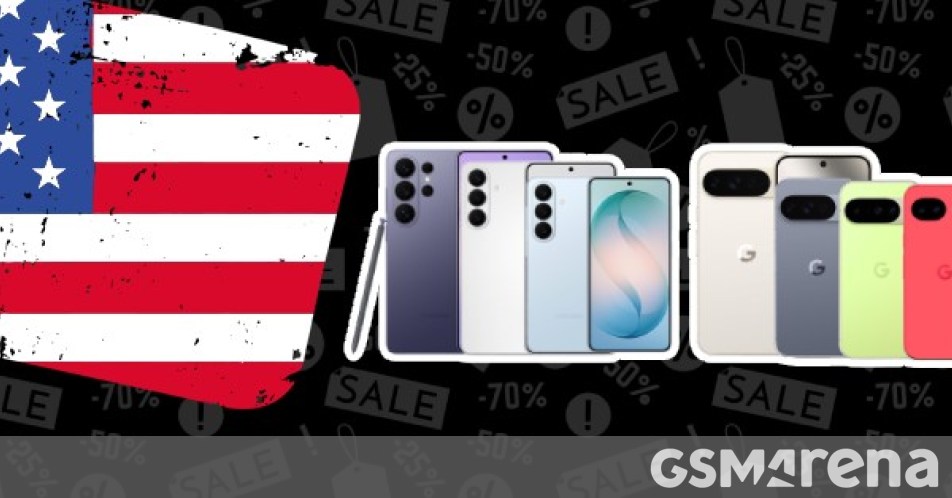
In the immediate wake of Prime Day, several key trends have emerged. The most notable shift is the normalization of prices for the Samsung Galaxy S26 flagship series. The S26 Ultra continues to command a premium position, maintaining a starting price just under the $1,000 threshold. However, this entry-level price is deceptive; it covers the 256GB base storage configuration. Consumers looking to double their storage to 512GB are now faced with a steeper $200 surcharge, a factor that significantly shifts the value proposition compared to previous iterations.
Simultaneously, the Google Pixel 10 series has seen a strategic price adjustment. Both the Pixel 10 Pro and the Pixel 10 Pro XL are currently retailing with a $300 discount, a move that places the Pro XL in direct, aggressive competition with the Samsung Galaxy S26 Ultra. With a price differential of a mere $35 between the two, the decision for consumers has moved from a question of "how much to spend" to "which ecosystem provides the better experience."

Chronology of Market Shifts
To understand today’s pricing, one must look at the progression of the last week:
- Pre-Prime Day (Monday): Anticipation built as retailers prepared aggressive "early access" deals. During this period, some anomalies occurred—notably, a pricing quirk where the Samsung Galaxy S26+ 512GB model was briefly listed at a lower price point than the vanilla S26 512GB, creating confusion among early shoppers.
- Prime Day Event (Tuesday–Friday): The height of the promotion saw significant volatility. Many consumers successfully secured the Galaxy S25+ at a compelling discount. However, as of Friday night, those specific deals expired, rendering the S25+ significantly less competitive against the newer S26+.
- Post-Prime Day (Saturday–Present): The market has stabilized. The "awkward" pricing disparities observed during the event have been ironed out, and retailers have cleared out inventory for certain mid-range staples, such as the 256GB variant of the Samsung Galaxy A57, which is currently sold out on Amazon.
Supporting Data: Comparative Value Analysis
When evaluating these devices, it is no longer sufficient to look at price tags in isolation. We must weigh hardware longevity against initial cost.

The Samsung Hierarchy
The Samsung Galaxy S26+ remains the "sweet spot" for many, priced approximately $150 below the Ultra. For those debating the jump to the Ultra, our head-to-head performance analysis suggests that the savings on the Plus model may be well-invested elsewhere, provided one does not require the Ultra’s specific camera zoom capabilities.
The entry-level segment has also seen a shift. The Samsung Galaxy S25 FE, while previously a go-to for budget-conscious buyers, is now less attractive. With the 256GB model of the S26+ only $85 more expensive, the value gap has narrowed to a point where the S26+ is undeniably the better buy. The S26+ offers the cutting-edge Snapdragon 8 Elite Gen 5 chipset, a significant leap over the two-year-old Exynos 2400 found in the FE, along with a 4GB RAM advantage. In the modern era of intensive mobile computing, 128GB of storage is increasingly insufficient; hence, the focus on 256GB models remains the industry standard for longevity.

The Pixel Counterpart
Google’s strategy has been equally aggressive. The Pixel 10 Pro occupies the 6.3-inch category with a price tag $115 lower than the Samsung Galaxy S26, making it a formidable contender for users who prioritize software experience over raw hardware speed. However, a warning to consumers: the standard Google Pixel 10 is a different beast entirely. While $135 cheaper than the S26, it lacks the hardware pedigree of its "Pro" siblings, performing closer to a mid-ranger. For those seeking the absolute lowest price, the Google Pixel 10a remains the baseline. While it is only a minor iterative update over the 9a, its refined battery efficiency and faster charging metrics make it a viable alternative to the now-sold-out Samsung A57.
Official Responses and Industry Outlook
While manufacturers rarely comment on day-to-day retail price fluctuations, the consensus among supply chain analysts is that these post-Prime Day prices reflect a "correction phase." Retailers are attempting to balance the aggressive inventory clearing of the previous week with the necessity of maintaining margins for the remainder of the quarter.
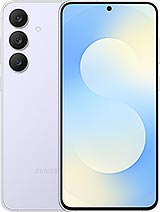
The sell-out of the Samsung Galaxy A57 in the 256GB configuration indicates that demand for mid-range, high-storage devices remains robust. This signals to OEMs that consumers are no longer willing to sacrifice storage space for a lower entry price, a sentiment that may influence the configuration of upcoming Q4 device releases.
Implications: How to Choose in the Current Market
Navigating this post-event environment requires a clear understanding of your personal requirements.

- For the Power User: The Samsung Galaxy S26 Ultra remains the benchmark for performance. However, with the Google Pixel 10 Pro XL now priced within $35 of the Ultra, the choice is purely aesthetic and software-driven. If you prioritize the S Pen and long-range photography, the S26 Ultra is your device. If you prefer the cleaner software suite and superior AI integration of the Pixel, the 10 Pro XL is the superior value.
- For the Value-Conscious Professional: The S26+ is the undisputed champion of the current lineup. By avoiding the $200 surcharge for the Ultra’s top-tier storage and camera, you secure a device that matches the Ultra’s core processing power while maintaining a more manageable price point.
- The "Middle Ground" Warning: Avoid the temptation of the older Samsung Galaxy S25 FE unless you find a significant secondary-market discount. The hardware gap between the S25 FE and the S26+ is wide enough that the extra $85 spent on the S26+ will pay for itself in device longevity, performance, and software update cycles.
- The Budget Tier: With the Samsung Galaxy A57 inventory depleted, the Google Pixel 10a is the default recommendation. While the update over the 9a is modest, the improved battery performance is a quality-of-life upgrade that shouldn’t be underestimated.
Final Thoughts
The post-Prime Day market is not a "dead zone" for deals; rather, it is a period of clarity. By stripping away the frenzy of the sale, we can see the devices for what they truly are: tools for productivity and connection. Whether you choose to upgrade to the latest flagship or hold out for future holiday sales, the current pricing structure clearly highlights that the "sweet spot" for smartphones has shifted toward higher performance and greater storage capacity. As we move into the final months of the year, consumers should prioritize long-term utility over short-term savings, ensuring that the device in their pocket remains relevant well into the future.
Disclosure: We may earn a commission from qualifying sales made through the links provided in this article.