Powering the Future: India Unveils Comprehensive 2024 Guidelines for EV Charging Infrastructure
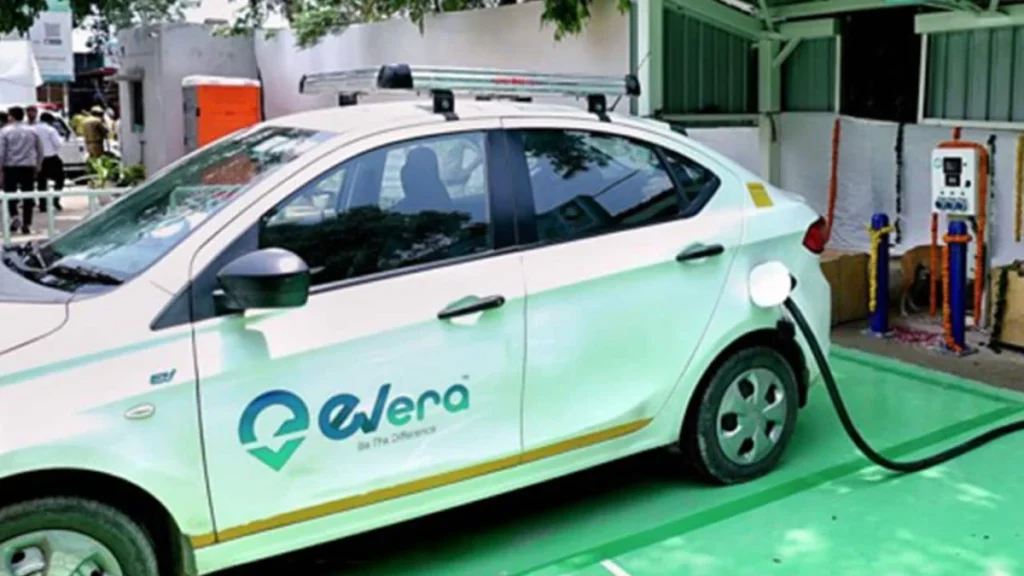
New Delhi, July 21, 2026 — In a landmark move designed to accelerate the nation’s transition toward sustainable mobility, the Indian government has officially released the "Guidelines for Installation and Operation of Electric Vehicle Charging Infrastructure 2024." This policy framework represents a significant leap forward in standardizing the country’s burgeoning electric vehicle (EV) ecosystem, aiming to create a seamless, interoperable, and robust network of charging stations and battery-swapping facilities nationwide.
As India grapples with the dual challenges of urban air quality and the imperative to reduce dependence on fossil fuels, these guidelines serve as the structural backbone for the next phase of EV adoption. By fostering a standardized technical environment, the government seeks to remove the "range anxiety" that has long served as a primary deterrent for potential EV buyers.
The Core Mandate: Standardizing the Charging Landscape
The 2024 guidelines are not merely a set of suggestions but a comprehensive regulatory framework intended to unify the fragmented EV charging market. For years, the lack of uniformity in charging plugs, software protocols, and billing interfaces has created silos that hindered user experience. The new policy mandates strict adherence to interoperability standards, ensuring that any electric vehicle—regardless of manufacturer—can access any public charging station without facing compatibility issues.
Key Pillars of the 2024 Guidelines:
- Interoperability: Requiring all public charging stations to adopt standardized communication protocols, enabling real-time discovery of chargers through unified digital platforms.
- Battery Swapping Integration: Formally integrating battery-swapping stations into the national infrastructure plan, providing a standardized framework for the safety, sizing, and exchange protocols of swappable battery packs.
- Grid Resilience: Incorporating smart-charging requirements to ensure that the massive influx of EV load does not destabilize local distribution networks.
- Unified Billing: Promoting a "one-nation, one-app" philosophy where payment gateways and user authentication are standardized across both government-led and private charging operators.
A Chronology of India’s EV Journey
The evolution of India’s EV charging policy did not occur in a vacuum. It is the culmination of years of iterative policy-making and strategic investments.
- 2015–2018: The Genesis of FAME: The introduction of the Faster Adoption and Manufacturing of Electric Vehicles (FAME) scheme marked the government’s first significant foray into incentivizing the production and purchase of EVs.
- 2019: The Shift to Infrastructure: Recognizing that demand-side incentives were insufficient without a supporting ecosystem, the government launched FAME-II, which allocated a substantial budget for the deployment of public charging stations.
- 2021–2022: The "Charger-First" Policy: During this period, the Ministry of Power released several amendments to the charging guidelines, focusing on domestic manufacturing of chargers and simplifying the "Right of Way" permissions for station operators.
- 2024: The Unification Phase: The current 2024 guidelines represent the maturity of the sector. The government has moved beyond just "funding" chargers to "governing" them, focusing on long-term sustainability and operational efficiency.
Supporting Data: The Scale of the Current Ecosystem
As of July 2026, the data released by the Ministry of Power underscores the rapid expansion of India’s charging network. The country now hosts over 52,700 public charging stations, a testament to the aggressive push from both the public and private sectors.
Breakdown of the Infrastructure:
- Fast Charging Dominance: Of the total inventory, approximately 16,561 units are dedicated fast chargers designed specifically for four-wheelers. These chargers significantly reduce the downtime for electric cars, catering to the growing segment of commercial and personal EV owners.
- Geographic Distribution: While the majority of these stations are concentrated in metropolitan hubs like Delhi, Mumbai, Bengaluru, and Hyderabad, the 2024 guidelines emphasize the development of "Charging Corridors" along national highways to facilitate inter-city travel.
- Capacity Growth: The load-carrying capacity of the national grid, as it pertains to EV charging, has seen a 40% year-on-year increase, reflecting proactive infrastructure planning by state-owned power distribution companies (DISCOMs).
Official Responses and Strategic Vision
Senior officials from the Ministry of Power have emphasized that the 2024 guidelines are designed to incentivize private investment while protecting consumer interests.
"The objective is to make the charging experience as convenient as stopping at a petrol pump," said a spokesperson for the Ministry. "With these guidelines, we are ensuring that the regulatory hurdles that previously delayed the installation of charging stations are removed. We are moving toward a future where infrastructure is not a barrier to EV adoption but a catalyst."
Industry bodies, including the Society of Manufacturers of Electric Vehicles (SMEV), have welcomed the move, noting that standardized guidelines will reduce the cost of compliance for private charge-point operators (CPOs). By lowering the barriers to entry, the government hopes to stimulate a competitive market that will eventually lead to lower charging costs for the end-user.
Implications for Stakeholders
The implications of these guidelines are wide-reaching, affecting everything from automotive manufacturers to urban planners and the average consumer.
For the Automotive Industry
Manufacturers are now tasked with ensuring that all new vehicle launches comply with the new interoperability standards. This will likely lead to a decline in proprietary charging tech, forcing OEMs to collaborate on open-source standards. This shift is expected to lower production costs for vehicles as supply chains for standardized charging ports become more streamlined.
For Urban Planners and Real Estate
The guidelines provide clear directives for residential and commercial buildings. New construction projects in major cities will now be required to reserve a mandatory percentage of parking space for EV charging, complete with the necessary electrical load capacity. This "future-proofing" of real estate is a critical component of the government’s plan to normalize EV ownership for those who do not have access to private garages.
For the Consumer
For the average citizen, the primary benefit will be the democratization of charging. The integration of battery-swapping, in particular, is a game-changer for the two-wheeler and three-wheeler segments. By allowing users to swap depleted batteries for fully charged ones in minutes, the "refueling" time for electric scooters—the most common EV in India—will effectively drop to zero, matching the convenience of internal combustion engines.
For the Power Grid
The inclusion of "Smart Charging" in the 2024 guidelines is a preemptive measure to prevent grid collapse during peak hours. By utilizing time-of-day tariffs and demand-response management, the government aims to encourage EV owners to charge during off-peak hours, thereby balancing the load on the national grid and optimizing the use of renewable energy sources.
Conclusion: The Road Ahead
The "Guidelines for Installation and Operation of Electric Vehicle Charging Infrastructure 2024" represent a pivotal moment in India’s energy transition. While the current network of 52,700 stations is an impressive start, the true success of this policy will be measured by its implementation on the ground over the next five years.
The government’s shift toward a unified, interoperable, and tech-driven charging network acknowledges that the transition to EVs is not just about the vehicles themselves, but about the ecosystem that sustains them. As India continues to integrate more renewable energy into its power mix, the synergy between green power generation and electric mobility will become the cornerstone of the nation’s economic and environmental strategy.
The path forward is clear: with the 2024 guidelines in place, the regulatory fog has cleared, providing a roadmap for investors, manufacturers, and consumers to confidently embrace the electric future. As the country moves toward its ambitious net-zero targets, the robustness of its charging infrastructure will serve as the engine of this green revolution.