Powering the Future: Samsung Galaxy Z Flip8 Set to Feature Snapdragon 8 Elite Gen 5 in US Markets
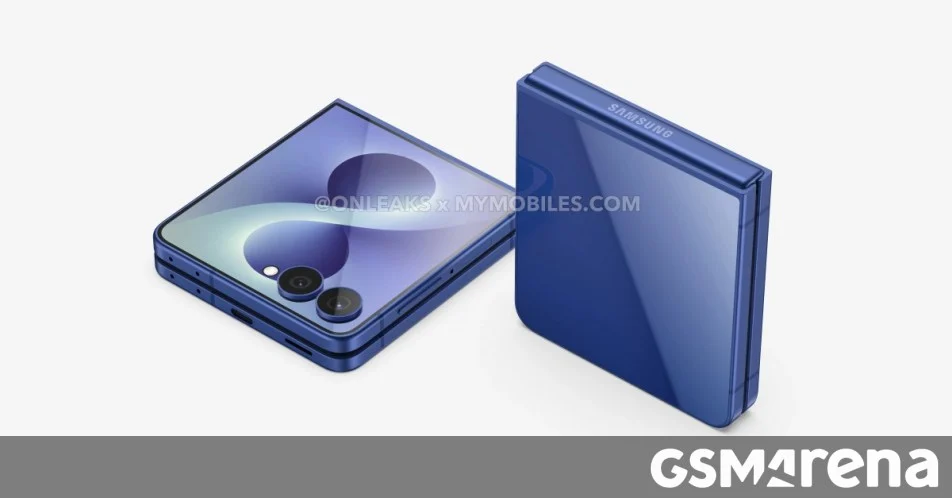
As the mobile industry gears up for the next generation of foldable technology, Samsung’s upcoming Galaxy Z Flip8 has emerged as a focal point of intense technical scrutiny. Following its recent certification by the Federal Communications Commission (FCC), new details have surfaced that clarify the device’s internal hardware strategy. Thanks to a meticulous analysis of FCC documentation by Android Authority, we now have definitive confirmation regarding the silicon that will drive the North American variant of Samsung’s flagship clamshell foldable.
Main Facts: The Snapdragon 8 Elite Gen 5 Confirmation
The most significant revelation stemming from the FCC filing is the identification of the chipset powering the US-bound Galaxy Z Flip8. The documents explicitly reference the model number SM8850, which corresponds to Qualcomm’s state-of-the-art Snapdragon 8 Elite Gen 5 chipset.
This confirmation settles weeks of speculation regarding whether Samsung would opt for a unified global chipset strategy or continue its bifurcated approach. For consumers in the United States, the inclusion of the Snapdragon 8 Elite Gen 5 marks a substantial leap in computational power, AI processing capabilities, and energy efficiency. By utilizing Qualcomm’s "latest and greatest" silicon, the Galaxy Z Flip8 is positioned to compete directly with the most powerful flagship slabs on the market, effectively bridging the gap between foldable convenience and performance-tier hardware.
Chronology of Development and Certification
The road to the Galaxy Z Flip8’s market arrival has been paved with a steady stream of leaks and regulatory milestones. Understanding the timeline of these developments provides context for how Samsung manages its global supply chain and regional product differentiation.
Early Rumors and Design Teases
The conversation surrounding the Flip8 began in earnest early this year, with initial reports focusing on physical hardware improvements. Industry analysts highlighted rumors of a "crease-free" display—a holy grail for foldable enthusiasts—and a completely redesigned hinge mechanism intended to improve longevity and structural integrity.
The FCC Certification Milestone
Earlier this month, the Galaxy Z Flip8 (identified by its regulatory model number SM-F776U) officially appeared in the FCC database. This is a standard but critical regulatory step for any mobile device intended for sale in the United States. While the FCC’s primary mandate is to ensure that radio frequency (RF) emissions comply with safety standards, the accompanying documentation often contains metadata that confirms hardware components, connectivity support (such as 5G bands), and regional configurations.
The Deep Dive Analysis
Following the public release of these documents, independent tech journalists—specifically the team at Android Authority—cross-referenced the model numbers found in the filing against Qualcomm’s internal identification system. By linking the SM8850 chipset designation to the Snapdragon 8 Elite Gen 5 architecture, the team provided the definitive link that confirms the hardware specifications for the US market.
Supporting Data: Regional Hardware Bifurcation
While the US market is confirmed to receive the Snapdragon 8 Elite Gen 5, Samsung’s broader global strategy remains more complex. As established in previous industry reports, the Galaxy Z Flip8 will not be a monolithic device in terms of internal processing power.
The Exynos 2600 Variable
Samsung intends to utilize its proprietary Exynos 2600 SoC for specific international markets, most notably South Korea and several European countries. This decision reflects Samsung’s ongoing desire to vertically integrate its hardware stack while balancing cost-efficiency and regional market preferences.
Global Distribution Breakdown
- North America: Exclusively Snapdragon 8 Elite Gen 5.
- South Korea/Europe: Primary configuration utilizing the Exynos 2600.
- Rest of the World: Expected to follow the Snapdragon 8 Elite Gen 5 configuration, keeping the high-performance Qualcomm chip as the global standard outside of the aforementioned regions.
Storage and Aesthetic Options
Beyond the chipset, the leaked documentation and associated supply chain reports point to a robust set of consumer options. The device is expected to be offered in two primary storage tiers: 256GB and 512GB. Regarding aesthetics, Samsung appears to be sticking to a refined color palette that emphasizes sophistication:
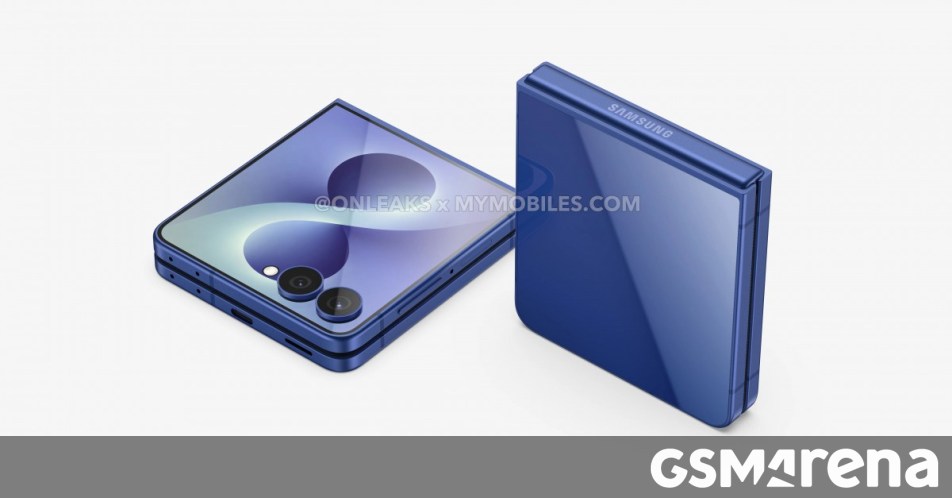
- Cream: A classic, neutral tone.
- Graphite: The professional, high-contrast standard.
- Mint: A vibrant, youthful pop of color.
- Pink: A soft, modern aesthetic choice.
Official Responses and Corporate Strategy
To date, Samsung has maintained its standard "no comment" policy regarding unreleased devices. This silence is typical for the South Korean giant, which prefers to control the narrative through structured, high-production "Galaxy Unpacked" events.
However, the FCC filings serve as a de facto official statement. Because these documents are filed to satisfy government regulatory requirements, the information contained within them regarding hardware model numbers is accurate and binding. While Samsung has not issued a press release explaining why they chose to split the chipset distribution between the Exynos 2600 and the Snapdragon 8 Elite Gen 5, industry experts suggest it is a strategic maneuver to manage thermal constraints, manufacturing yields, and chip supply security. By utilizing both vendors, Samsung mitigates the risk of supply chain bottlenecks while keeping the Exynos ecosystem relevant in its home market.
Implications for the Foldable Market
The inclusion of the Snapdragon 8 Elite Gen 5 in the US variant of the Galaxy Z Flip8 has profound implications for the industry.
Closing the Performance Gap
Historically, foldable devices were often perceived as "style over substance," with consumers sacrificing raw performance for the sake of the folding form factor. With the integration of the Snapdragon 8 Elite Gen 5, that trade-off is effectively eliminated. This chip is designed for high-intensity AI tasks—a core pillar of Samsung’s current "Galaxy AI" software strategy. Users can expect faster on-device translation, advanced image processing, and more responsive multitasking.
The Crease-Free Challenge
The rumor regarding a "crease-free" display is perhaps the most anticipated feature. If Samsung successfully implements a new hinge design that eliminates the visible and tactile indentation at the fold, it could trigger a mass-adoption cycle for foldable devices. Consumers who were previously hesitant due to the durability or aesthetics of the display crease may find the Flip8 to be the tipping point for their transition from traditional slab phones.
Competitive Pressure
The decision to equip the Flip8 with a premium-tier chipset puts immense pressure on competitors like Motorola and Google. As the foldable market matures, the differentiation between brands will rely heavily on software optimization and physical build quality. By pairing the latest Qualcomm silicon with a refined hinge, Samsung is sending a clear message that it intends to maintain its dominance as the market leader in the foldable space.
Conclusion: What to Expect Next
As we approach the official unveiling of the Galaxy Z Flip8, the confirmation of the Snapdragon 8 Elite Gen 5 is a major piece of the puzzle. It validates the device’s status as a top-tier flagship, ensuring that performance will not be an issue for users in North America.
The coming months will likely see further leaks regarding the software optimizations Samsung has baked into the One UI interface to leverage this new processing power. Furthermore, as the device moves closer to mass production, we expect to see more details on the specific screen technology, battery capacity, and camera sensor upgrades that will accompany the new hinge.
For now, the FCC confirmation provides a solid foundation for excitement. Samsung is not merely updating the Z Flip line; it is refining the foldable experience to ensure that the Galaxy Z Flip8 is as powerful as it is portable. Whether this strategy—a high-performance US variant paired with a regional Exynos alternative—will satisfy global consumers remains to be seen, but from a technical standpoint, the Flip8 is shaping up to be one of the most capable mobile devices of the coming year.