Samsung’s Bold Leap into the Metaverse: A Deep Dive into the Upcoming ‘Intelligent Eyewear’
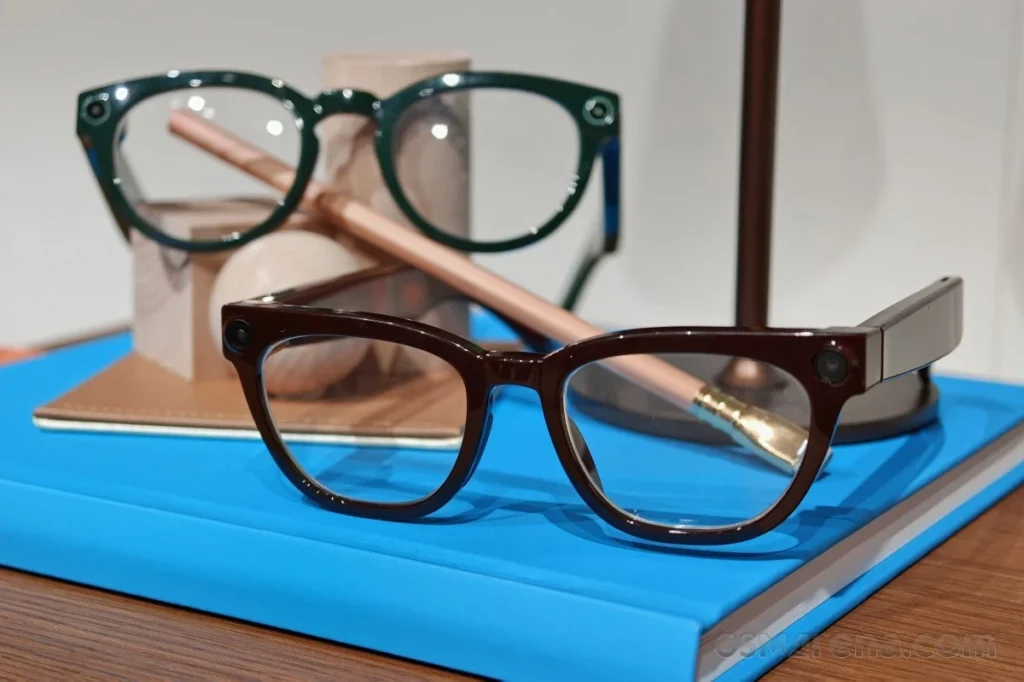
The landscape of wearable technology is on the precipice of a seismic shift. While the industry has spent the better part of a decade chasing the dream of bulky, immersive VR headsets, the market is pivoting toward a more subtle, integrated future: smart, display-less AI glasses. Samsung, the titan of mobile innovation, is set to challenge the current hegemony in this space. Following a high-profile teaser at the July Galaxy Unpacked event, new reports from South Korea suggest that Samsung’s foray into the wearable market—tentatively dubbed "Intelligent Eyewear"—is slated for a commercial launch this November.
Main Facts: The Vision for Intelligent Eyewear
Samsung’s strategy for the "Intelligent Eyewear" project represents a departure from the high-resolution, display-heavy augmented reality (AR) goggles that have historically struggled to find mainstream adoption. Instead, the company is betting on a streamlined, AI-first approach.
According to reports verified by industry insiders and officials within Samsung, the glasses will function primarily as an extension of the user’s Galaxy smartphone. The device itself will not feature an integrated display; rather, it will rely on a suite of sensors, including high-fidelity microphones, speakers, and a camera, to interact with the environment. At the core of this experience is Google’s Gemini AI. By tethering the glasses to a Galaxy smartphone, users will be able to process visual and auditory data in real-time, allowing for voice-activated assistance, real-time translation, and environmental context awareness.
While pricing remains a closely guarded secret, the technical specifications offer a glimpse into Samsung’s aggressive target: to outmaneuver Meta’s Ray-Ban collection in both comfort and utility. Samsung is reportedly aiming for a weight profile that is "up to 5g" lighter than the 51g Meta Ray-Ban smart glasses, creating a device that can be worn throughout the workday without causing fatigue.
Chronology: From Teaser to November Launch
The trajectory of Samsung’s smart glasses project has been one of deliberate, calculated development.
- Early 2024: Industry rumors begin to circulate regarding a "Project Glasses" initiative within Samsung’s mobile division, focusing on lightweight AI integration.
- July 2024 (Galaxy Unpacked): Samsung officially pulls the curtain back, offering a brief, high-level glimpse of their XR (Extended Reality) capabilities. The presentation highlights the potential for seamless integration between Galaxy devices and wearable hardware.
- October 2024: As manufacturing timelines firm up, internal sources in South Korea confirm that the product, now widely referred to as "Intelligent Eyewear," has moved into the final stages of quality assurance.
- November 2024 (Projected): The expected retail launch window for the device. Market analysts anticipate a staggered rollout, likely beginning in South Korea before expanding to North American and European markets.
This timeline reflects a broader industry trend where hardware manufacturers are choosing to release products in shorter, more iterative cycles rather than waiting years for perfect, futuristic technology.
Supporting Data: The Battle for the Face
To understand why Samsung is entering this space now, one must look at the data provided by market intelligence firms like Counterpoint Research. Currently, Meta holds a commanding 96% market share in the display-less "AI glasses" category. Meta’s success has been built on the back of its partnership with EssilorLuxottica, the parent company of Ray-Ban.
However, the market is far from saturated. Meta’s recent announcement of a camera-free version of their Ray-Ban glasses signals a significant change in consumer sentiment. These camera-less variants are lighter and offer superior battery life, appealing to a segment of the population that is increasingly wary of wearable cameras. Samsung appears to be positioning its "Intelligent Eyewear" as the "do-it-all" premium alternative. By balancing the inclusion of a high-quality camera with advanced privacy features, Samsung is hoping to capture both the tech-enthusiast market and the privacy-conscious consumer.
The technical challenge remains the weight-to-battery ratio. By targeting a weight under 46g, Samsung is effectively attempting to solve the biggest pain point of current smart eyewear: the "heaviness" that makes long-term wear uncomfortable. If they succeed, they could theoretically steal significant market share from Meta, especially among the professional demographic that utilizes Samsung’s ecosystem of tablets, phones, and wearables.
Official Responses and Ethical Safeguards
The introduction of wearable cameras into the public sphere has not been without controversy. As these devices become more ubiquitous, governments and regulatory bodies are taking a closer look at the privacy implications for bystanders. In South Korea, this concern has already materialized into direct government oversight.
The Personal Information Protection Commission (PIPC) of South Korea recently held formal meetings with Samsung representatives to address the legal and ethical concerns surrounding the Intelligent Eyewear. The primary focus of these discussions was the protection of personal information—specifically, how these glasses would notify bystanders when recording is in progress.
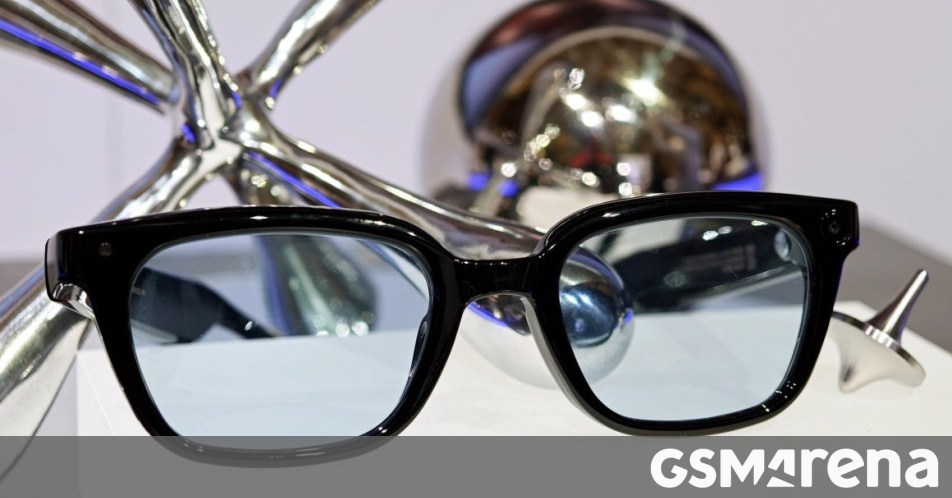
Samsung’s response has been to integrate a "Privacy-First" architecture. According to the company, the glasses will feature dual-LED indicators: one facing outward to signal to the public that a recording is active, and one facing inward to provide the user with confirmation of the device’s status. Perhaps most significantly, Samsung has confirmed that the glasses will feature a mechanical or software-based "kill switch": if the external LED indicator is obscured or damaged, the recording functionality will automatically be disabled. This proactive measure is a direct attempt to mitigate the "creep factor" associated with smart glasses and to align with evolving global privacy regulations.
Implications: The Future of the Galaxy Ecosystem
The launch of the Intelligent Eyewear is not merely about selling a new gadget; it is about cementing the Galaxy ecosystem as the central hub of a user’s digital life. By offloading the processing power to the smartphone, Samsung is ensuring that the glasses remain slim and fashionable while utilizing the raw compute power of the Snapdragon-powered Galaxy S-series phones.
The Role of Gemini AI
The integration of Google’s Gemini AI is perhaps the most significant implication of this launch. By using the glasses to "see" the world and having Gemini process that information, Samsung is moving toward a true "Ambient Computing" experience. This could revolutionize how we navigate cities, translate foreign languages on the fly, or even manage complex professional workflows.
The Privacy Paradigm
The success or failure of this product will likely hinge on public perception. If Samsung can prove that its glasses are a tool for productivity rather than a tool for surreptitious surveillance, they will set a new industry standard. The cooperation with the Korean government serves as a blueprint for how tech companies must interact with regulators moving forward.
The Competitive Landscape
Meta’s dominance in this sector is based on being first to market with a compelling lifestyle brand. Samsung’s approach is fundamentally different; it is an extension of a high-end, productive tech stack. If Samsung’s Intelligent Eyewear succeeds, we can expect a "gold rush" of other manufacturers—Xiaomi, Apple, and others—to follow suit with their own display-less, AI-integrated eyewear.
Conclusion
As November approaches, the tech world is watching closely. Samsung is not just releasing a pair of glasses; they are attempting to define the next generation of human-computer interaction. With a focus on lightweight design, deep AI integration, and a rigorous commitment to privacy, the Intelligent Eyewear represents a pivot point for the electronics giant.
Whether these glasses become a staple of the modern professional’s toolkit or a niche accessory for early adopters remains to be seen. However, one thing is clear: the era of the screen-dependent interface is slowly giving way to an era of ambient, wearable intelligence. By leaning into this shift, Samsung is signaling that they are not content to follow the trends set by Meta—they are intent on setting the standards by which all future smart eyewear will be measured. For now, we await the formal announcement, hoping that the final hardware delivers on the promise of a smarter, more connected, and more discreet future.