Samsung’s Silent Launch: Assessing the New Galaxy A18 4G in the European Market
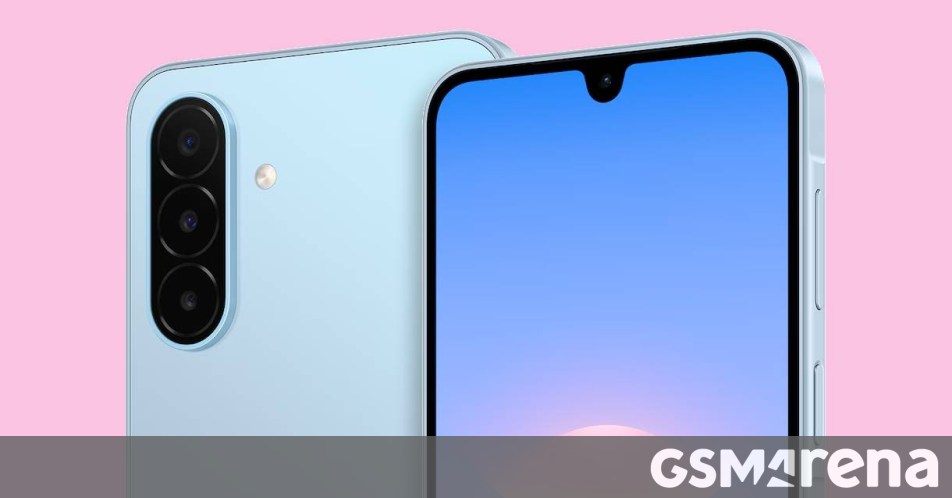
In a move that caught many industry analysts by surprise, Samsung has quietly expanded its entry-level smartphone portfolio with the introduction of the Galaxy A18 4G. While the South Korean tech giant typically hosts elaborate launch events for its flagship "S" series and high-end foldables, the arrival of the A18 was signaled only through understated press releases in France, Norway, and Sweden. This latest iteration of the budget-friendly Galaxy A-series arrives as a direct successor to the Galaxy A17, but it does so under a cloud of mystery regarding its internal performance and a price-to-value ratio that has already begun to spark debate among tech enthusiasts.
Main Facts: The Galaxy A18 4G at a Glance
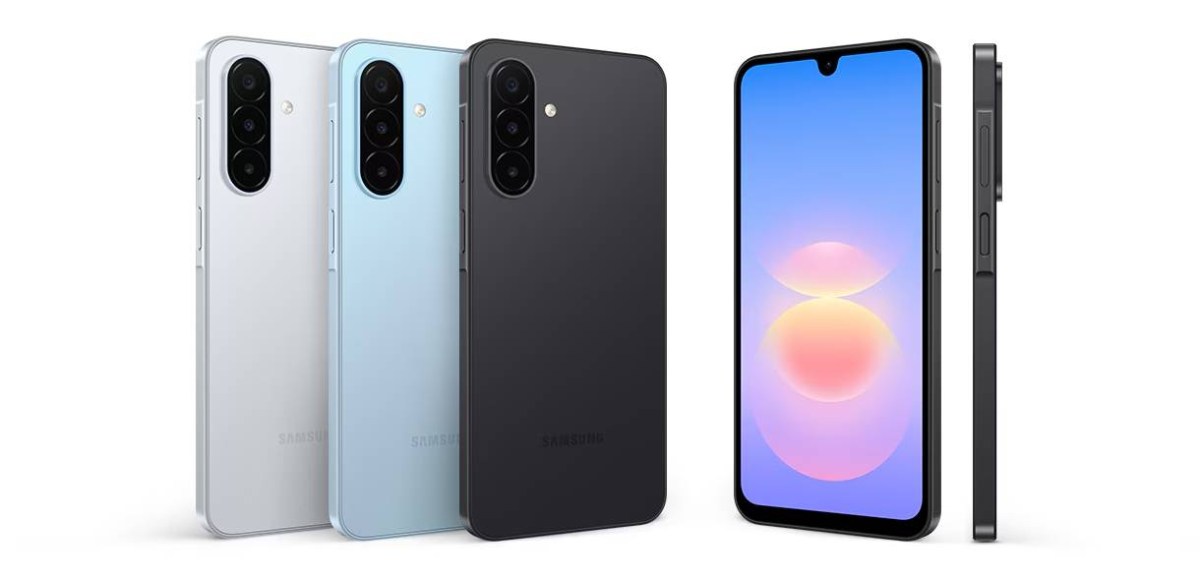
The Samsung Galaxy A18 4G positions itself as a robust, if incremental, update to its predecessor. Designed for users who prioritize longevity and screen quality over cutting-edge connectivity, the device sticks strictly to 4G LTE capabilities, with no 5G variant currently on the horizon.
At the heart of the device lies the Exynos 1610 chipset. This is a point of contention for many observers, as Samsung has been remarkably tight-lipped regarding the technical specifications of this processor. Moving away from the well-documented Helio G99 found in the A17, the Exynos 1610 represents a shift in silicon strategy, though whether it provides a tangible performance boost remains unverified by third-party benchmarks.
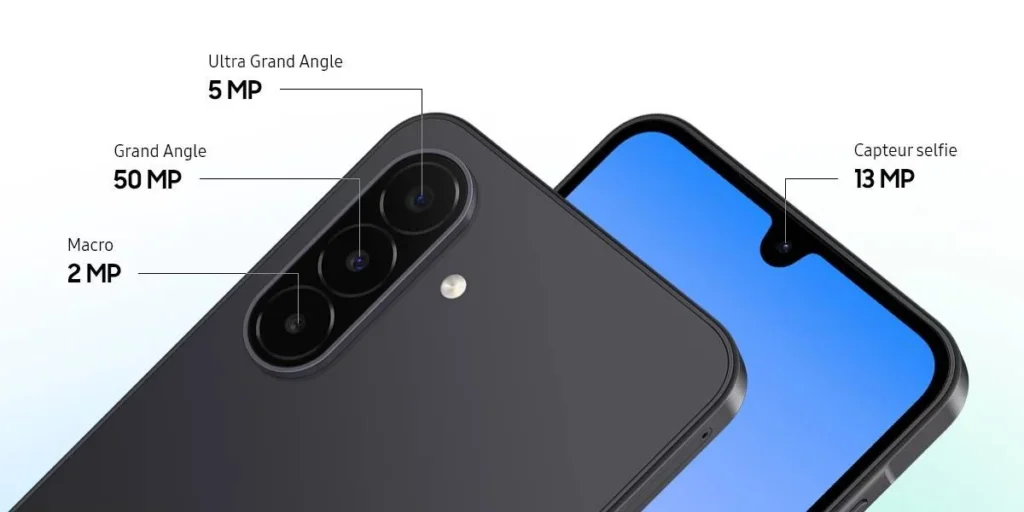
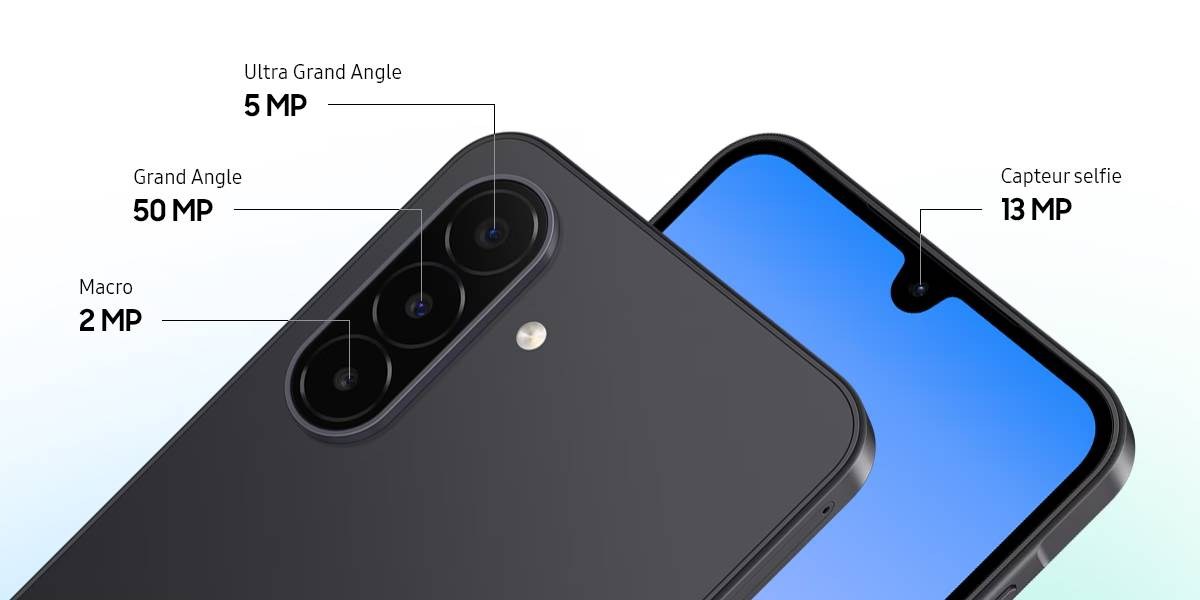
The device features a 6.7-inch Super AMOLED display, offering a resolution of 1,080 x 2,340 pixels and a fluid 90Hz refresh rate. While the visual experience remains high-tier for a budget device, the design persists with a traditional "notch" to house the 13MP front-facing selfie camera. The rear camera system consists of a 50MP main sensor (f/1.8), a 5MP ultra-wide lens, and a 2MP macro shooter. Notably, the primary sensor lacks Optical Image Stabilization (OIS), and the video recording capabilities remain capped at 1080p at 30fps—a limitation that continues from the previous generation.

Perhaps the most significant physical improvement is the upgrade to an IP64 dust and water resistance rating. This is a clear step forward from the IP54 rating on the A17, offering better peace of mind for users in varying environmental conditions. The device is powered by a 5,000mAh battery, rated for 1,200 charge cycles, and supports 25W wired charging, which Samsung claims can reach a 50% charge in approximately 30 minutes.
A Chronology of the Release
The rollout began in mid-September, with the device appearing on regional Samsung storefronts across Europe.

- Initial Discovery: News of the device emerged through localized press portals in France, Norway, and Sweden.
- Availability: As of the current reporting, the device is listed on the official Samsung France online store, with shipping scheduled to commence on September 18.
- Regional Variances: While France has been given a single configuration (4GB RAM/128GB storage), the Norwegian and Swedish press releases hint at a broader range, including a 256GB storage variant.
Despite the press releases, the physical presence of the device in retail stores remains inconsistent, with many Scandinavian markets yet to reflect the new model on their live inventory pages, suggesting a phased distribution strategy.
Supporting Data: Technical Specifications and Market Positioning
To understand the trajectory of the Galaxy A-series, one must look at the specifications of the A18 in contrast to its predecessor, the Galaxy A17.

| Feature | Galaxy A17 4G | Galaxy A18 4G |
|---|---|---|
| Chipset | Helio G99 | Exynos 1610 |
| Durability | IP54 | IP64 |
| Thickness | 7.5mm | 7.7mm |
| Weight | 190g | 196g |
| Software | Android 16 (at launch) | Android 17 / One UI 9 |
The slight increase in thickness and weight is a curious development. At 7.7mm and 196g, the A18 is slightly bulkier than the A17, despite not offering a larger battery or a bigger display. This suggests changes in internal chassis reinforcement or thermal management systems required by the new Exynos silicon.
The software support window is a highlight for the A18. Launching with Android 17 and Samsung’s One UI 9 out of the box, the company has committed to six years of OS updates, with security patches slated to continue through October 2032. This long-term support commitment is arguably the device’s strongest selling point, positioning it as a sustainable investment for budget-conscious consumers.

Official Responses and Pricing Strategy
Samsung’s marketing narrative for the A18 focuses on "upgraded performance" and a "versatile triple-camera system." However, the pricing structure has drawn criticism. In France, the 4GB/128GB model is priced at €280. When compared to the Galaxy A17 4G, which launched at approximately €200 with a more generous 6GB of RAM, the value proposition is questionable.
The Norwegian and Swedish press releases provide a more complex picture. While the 128GB base model is priced at 3,290 NOK/SEK, the 256GB variant jumps significantly to 5,190 NOK/SEK. These figures indicate a premium pricing strategy for higher storage capacities that may push the A18 out of the "ultra-budget" tier and into competition with more capable mid-range devices from both Samsung and rival manufacturers.

Implications for the Market and Consumers
The release of the Galaxy A18 4G carries several implications for the current smartphone landscape:
1. The Persistence of 4G
Samsung’s decision to launch an A-series device without 5G in 2026 underscores the reality that 4G remains the standard for entry-level markets. While 5G is ubiquitous in marketing, the infrastructure and user requirements in many European regions still favor stable, cost-effective 4G devices.
2. The Mystery of the Exynos 1610
The lack of transparency regarding the Exynos 1610 is problematic for power users. In the world of mobile tech, where benchmark transparency is expected, Samsung’s silence invites speculation. Is this a cost-cutting measure, or a pivot toward a new, more efficient architecture designed specifically for long-term OS support? Until independent reviewers get their hands on the device, the chipset remains a "black box."
3. Price Inflation vs. Value
The increase in the launch price compared to the A17 is a significant shift. By charging more for a base model with less RAM (4GB vs 6GB on the predecessor), Samsung is testing the brand loyalty of its entry-level consumer base. This may open the door for competitors like Xiaomi, Realme, or Motorola to capture market share by offering better hardware specifications at the €200–€250 price point.
4. Sustainability as a Feature
The highlight of this launch is undoubtedly the software lifecycle. By offering six years of OS updates, Samsung is pivoting toward a "buy it once" philosophy. This appeals to environmentally conscious consumers and those looking to minimize the total cost of ownership over time. If the hardware can survive the physical wear and tear of six years, the A18 could prove to be a surprisingly economical choice despite the higher initial purchase price.
Conclusion
The Samsung Galaxy A18 4G is a study in incremental evolution. It does not attempt to disrupt the market with groundbreaking features; rather, it aims to refine the basics. With a superior IP rating, a long-term software commitment, and a reliable, albeit mysterious, chipset, it is a safe choice for those deep within the Samsung ecosystem.

However, the price hike and the move to a 4GB RAM configuration in the base model suggest that Samsung is leveraging its brand strength to move up-market. As the device reaches retail shelves across Europe, the ultimate test will be whether consumers prioritize the brand’s promise of long-term support over the superior raw specifications often found in rival budget smartphones. For now, the Galaxy A18 4G stands as a competent, if cautious, entry in a highly competitive and price-sensitive segment.