Scaling Attention: How YouTube’s Latest AI Suite is Redefining Small Business Strategy
For small business owners and independent marketers, the barrier to entry on YouTube has historically been high. The platform, which demands high-frequency content, professional production, and deep audience engagement, often feels like a playground for well-funded creators with entire teams. However, a seismic shift is underway. YouTube has begun rolling out a suite of AI-powered tools designed to collapse the distance between a raw idea and a polished, high-performing video.
According to YouTube strategist Liron Segev, these updates—which span from automated motion effects to AI-driven partnership matchmaking—are not merely "bells and whistles." They represent a fundamental change in the economics of content creation. As production friction decreases, the premium on human creativity and strategic intent rises.
The New Ecosystem: Main Facts and Strategic Context
The core philosophy driving YouTube’s recent deployment of AI is the democratization of professional-grade content. By integrating tools like "Add Motion" and "Reimagine" directly into the creator interface, YouTube is allowing lean teams to experiment with formats that were previously prohibitively expensive or time-consuming.
Unlike previous eras of digital marketing, where AI was largely confined to ad-buying algorithms, these new tools are designed for organic growth. For the small business owner, this means the ability to stay consistent—the platform’s most vital metric—without requiring a full creative department. However, as Segev emphasizes, the governing principle remains constant: The tool lowers the cost of execution, but the ideation remains the user’s responsibility.
A Chronology of the Update: From Static Images to AI-Driven Partnerships
The rollout of these features has occurred in a phased, strategic sequence throughout the current year, marking a shift from passive viewing to active, AI-augmented creation:
- Early Q2: YouTube begins testing AI-integrated animation tools, specifically targeting the "Shorts" feed to compete with the rapid-fire visual style of rival platforms.
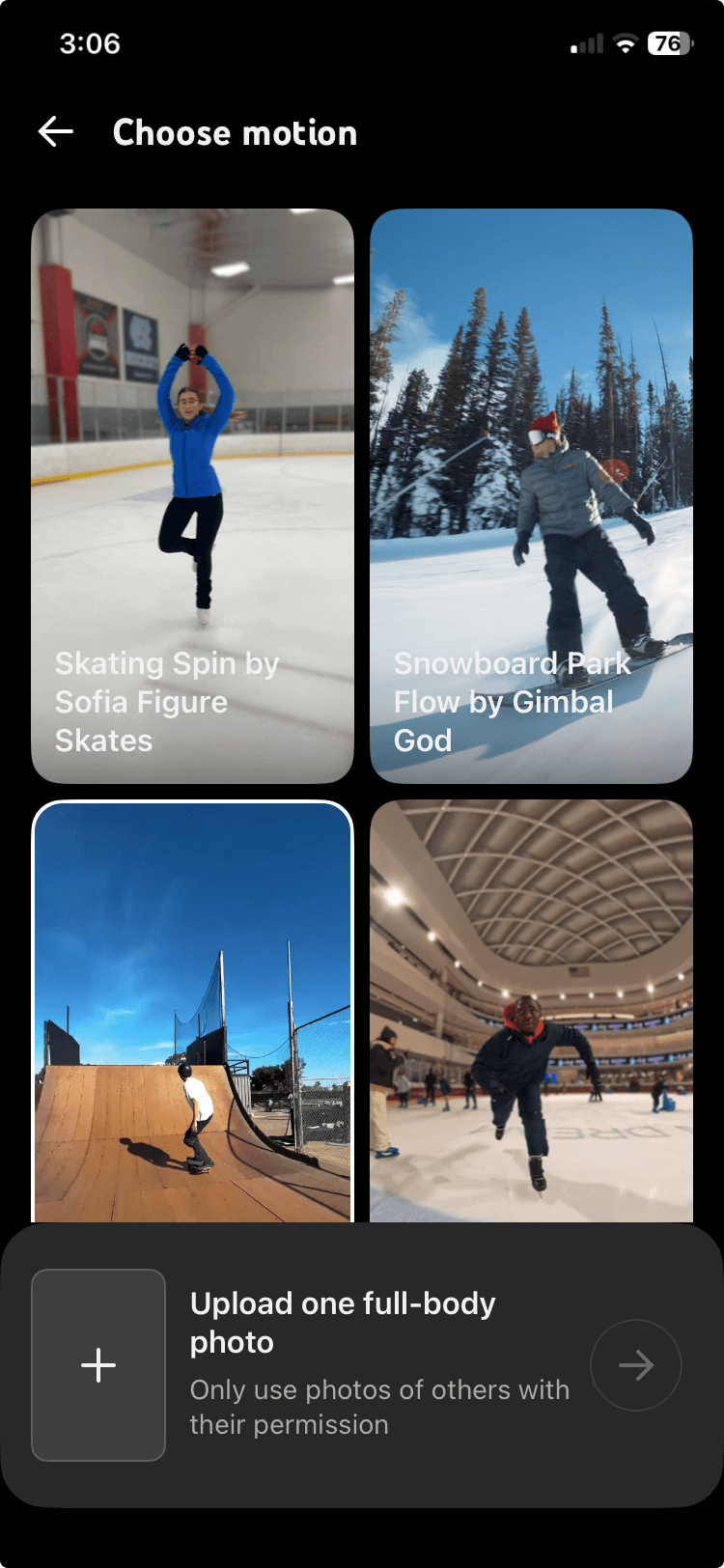
- Mid-Q2: The "Add Motion" tool is deployed globally, enabling creators to animate static photography into dynamic, 8-second clips.
- Late Q2: The "Reimagine" feature is released, allowing for the remixing of visual frames from other creators, accompanied by strict guidelines regarding value-add content.
- Current Phase: The integration of Google Gemini into the "Creator Partnerships" platform. This allows brands to leverage massive data sets to find symbiotic creator relationships, moving away from cold-outreach models.
Supporting Data: Why These Tools Matter
The urgency behind these updates is rooted in user behavior data. YouTube’s internal metrics suggest that "production friction" is the primary reason small business channels go dormant.
- Visual Engagement: Internal testing indicates that even subtle animation on static images—such as those produced by "Add Motion"—leads to a significant increase in dwell time on the Shorts feed.
- Partnership Efficiency: Data shared by YouTube indicates that creators who make their channel analytics visible to brand partners within the platform see a 60% increase in visibility and a 200% increase in brand inquiry rates.
- Human Connection: While AI assists in creation, the "Voice Reply" feature is a direct response to a decline in audience sentiment toward "bot-like" or automated responses in comment sections.
1: Add Motion and the "No-Video" Short
For the business owner with a robust inventory of product photos but zero video production experience, "Add Motion" is a transformative tool. It allows users to upload a single still image, select a motion style, and instantly generate an 8-second Short complete with zoom effects and ambient sound.
The Strategic Unlock
This feature serves two specific types of businesses:
- The "Faceless" Brand: Companies that are uncomfortable with video can now create a consistent presence by animating product shots or job-site photos, paired with voiceovers.
- The Content Accelerator: It allows for the rapid testing of visual hooks. By inviting audiences to "grab a frame" from a video and animate it using the tool, businesses can foster user-generated content (UGC) that naturally links back to the original brand source.
2: Reimagine and the Ethics of Remixing
The "Reimagine" tool allows users to take a frame from an existing Short and use it as a foundation for a new, original clip. However, this is where strategy must override convenience.
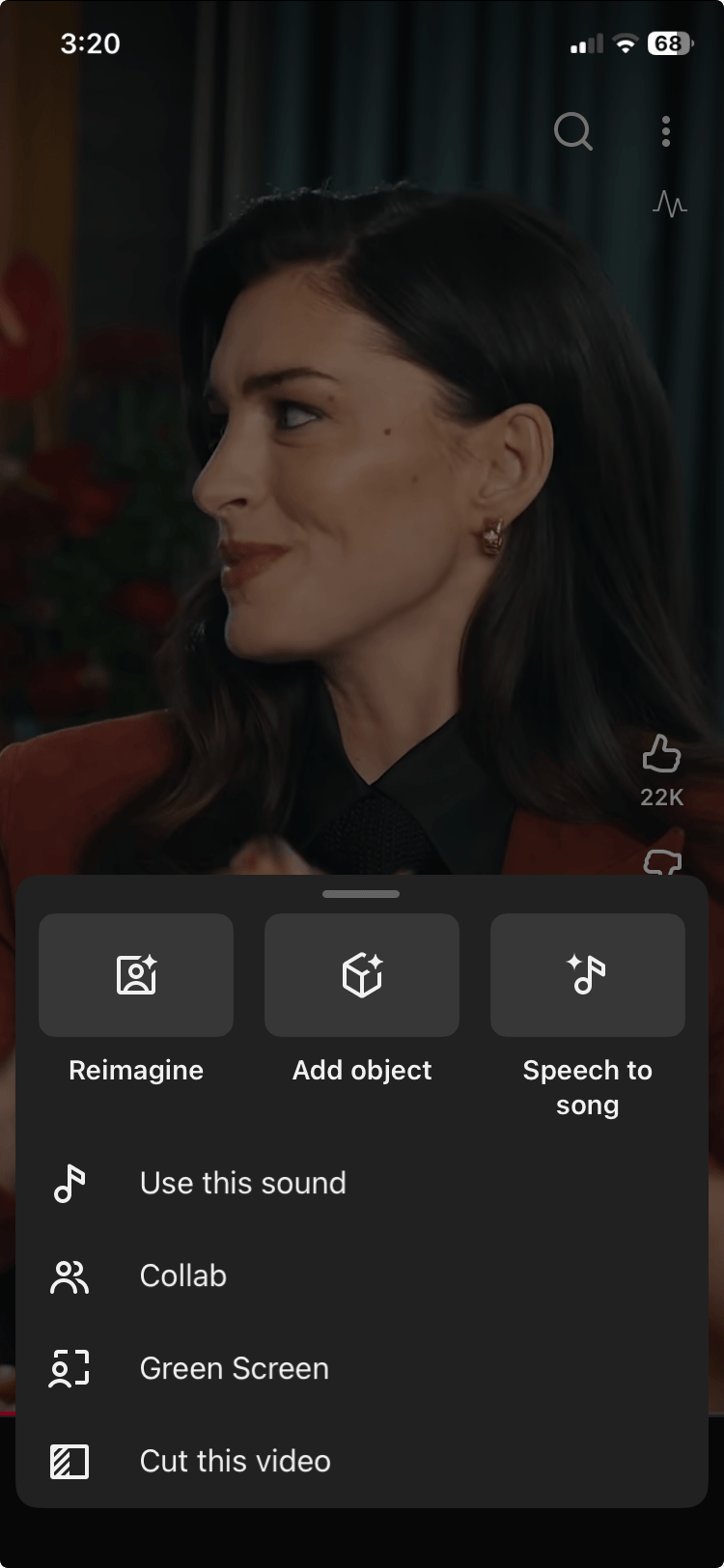
Liron Segev warns against the "Lazy Remix" trap—the practice of simply placing one’s face over a clip without contributing new context. To be effective, a remix must add value. For example, if a food brand sees a creator using their product, they can pause the clip, provide expert context on the ingredient’s health benefits, and effectively pivot the audience’s attention toward the brand’s authority.
3: Voice Replies and the Power of Tone
Voice Replies allow creators to record 30-second audio responses to comments. This feature bridges the gap between digital interaction and human connection.
Implementation Guidelines
- Test Before Scaling: Voice replies do not scale infinitely. If a community is accustomed to text, a sudden shift to audio may feel intrusive.
- Context is King: Use voice replies for high-value interactions. If a commenter asks a detailed question, a 15-second voice note carries the tone and warmth that three paragraphs of text simply cannot convey.
- The "Face" Factor: This feature is most effective for creators who appear on camera. For a "faceless" brand, an audio reply can feel jarring or impersonal.
4: The Creator Partnerships Platform (Gemini-Powered)
Perhaps the most significant professional development is the evolution of "Brand Connect" into the new "Creator Partnerships" platform. By utilizing Google Gemini, the platform analyzes over 3 million channels to find creators who share genuine audience overlap with a brand.

Due Diligence: The Four-Step Audit
Before initiating a partnership, Segev recommends a rigorous four-step vetting process:
- The Customer Perspective: Watch the last ten videos. Ask yourself: "Does this creator speak in a way that my customer would trust?"
- Sentiment Analysis: Read the comment sections. A supportive, engaged community is a stronger indicator of success than a high subscriber count.
- Integration Quality: Analyze how the creator handles previous sponsorships. Are they organic and natural, or do they feel like "ad breaks" that users skip?
- Data Transparency: Prioritize creators who share their analytics. Data-first discovery is the only way to mitigate the risk of an unsuccessful campaign.
Implications: Building Credibility Through Consistency
The common thread through all these AI-driven tools is that they serve as force multipliers. However, they do not replace the necessity of a long-term brand narrative.
As Liron Segev notes, influencer marketing is not a one-off transaction. A single sponsored post rarely moves the needle in terms of trust. Instead, brands should think in terms of "three-to-five appearances." When a brand is mentioned naturally and contextually across multiple videos, the audience begins to associate that brand with the creator’s established credibility.

The Verdict for Small Businesses
The era of "AI as a gimmick" is over. We have entered an era where AI is a structural component of efficient marketing. For the small business owner, the strategy is clear:
- Use AI to reduce the friction of production.
- Use AI to identify the right partners.
- Use human intelligence to build the relationships that actually convert.
By leveraging these tools, business owners can stop worrying about whether they have the budget for a professional studio and start focusing on what truly matters: the story they are telling and the relationships they are building with their audience. The tools are ready. The question is whether your strategy is bold enough to use them.