Scaling Your Retail Ambitions: The Strategic Blueprint for Launching a Custom Marketplace
In the rapidly evolving landscape of global e-commerce, the traditional retail model is undergoing a profound transformation. While single-brand storefronts remain a staple, the most agile and high-growth businesses are pivoting toward a more collaborative, scalable approach: the multi-vendor marketplace.
For retailers looking to amplify their market reach, increase average order values, and diversify their product catalogs without the overhead of massive inventory expansion, the marketplace model represents the ultimate "golden opportunity." But how does a business transition from being a simple merchant to becoming a platform host?
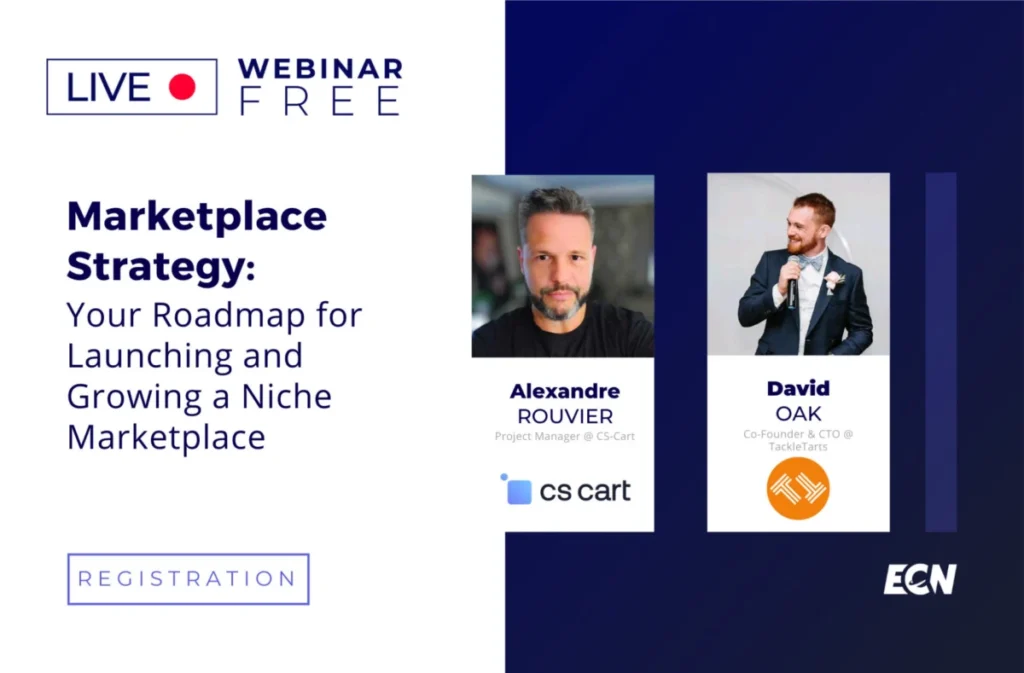
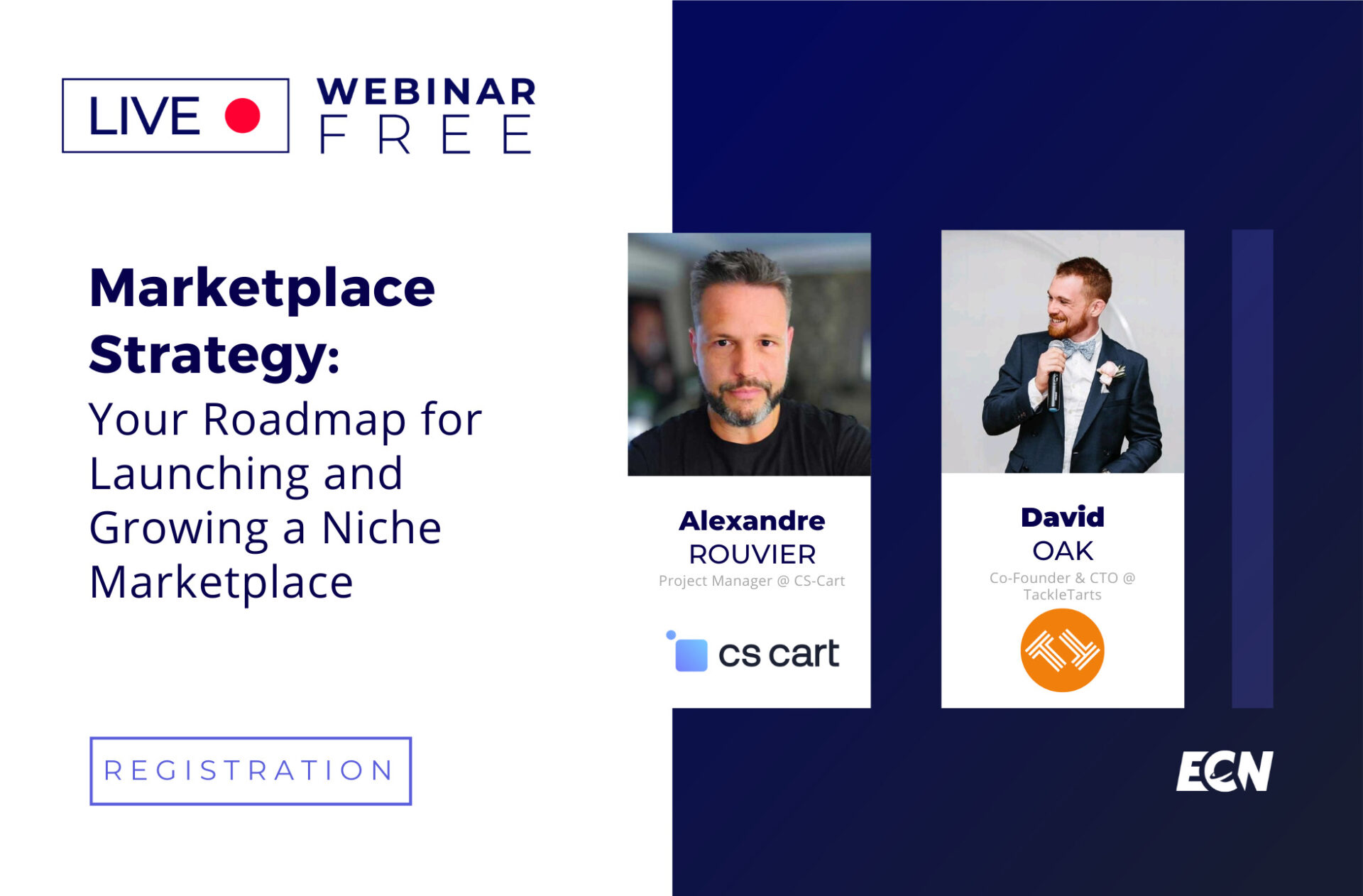
In a recent expert-led presentation, the E-Commerce Nation (ECN) team, in collaboration with the platform specialists at CS-Cart and the success story of TackleTarts, demystified the complexities of building a proprietary marketplace. This article explores the strategic imperatives, technical requirements, and long-term implications of launching your own digital ecosystem.
Main Facts: The Marketplace Revolution
The shift toward the marketplace model is driven by shifting consumer expectations. Today’s digital shopper demands variety, speed, and competitive pricing—all within a single, trusted environment. By transitioning to a marketplace, a retailer stops competing solely on their own stock and starts competing on the strength of their ecosystem.
The core premise of the CS-Cart webinar is that "you don’t have to build alone." By leveraging existing marketplace-building software, retailers can invite third-party vendors to list their products on their platform. This creates a symbiotic relationship: the host gains a wider product variety and transaction fees, while the vendors gain access to an established, targeted customer base.
Chronology: The Evolution of the Marketplace Model
To understand why the marketplace model is currently at its zenith, one must look at the historical trajectory of e-commerce:
- 1995–2005 (The Era of the Monobrand): The internet served primarily as a digital catalog for individual retailers. If you wanted Nike shoes, you went to the Nike site.
- 2005–2015 (The Rise of the Aggregator): Giants like Amazon and eBay proved that consumers preferred a "one-stop-shop" experience. The marketplace model began to dominate global search results and consumer loyalty.
- 2015–2022 (The Niche Explosion): The market saw a fragmentation phase. Instead of massive generalist marketplaces, successful players began building niche-specific platforms (e.g., platforms for artisan goods, specialized sports equipment, or local farmers).
- 2023–Present (The Retailer Pivot): We are currently in a phase where traditional, mid-to-large retailers are reclaiming the marketplace model. Businesses like TackleTarts are leveraging their existing brand authority to create vertical-specific marketplaces, allowing them to compete directly with giants by offering deeper expertise and better curation.
Supporting Data: Why Marketplaces Outperform
The economic data supporting the marketplace pivot is compelling. According to recent industry benchmarks:
- Inventory Efficiency: Marketplaces carry 0% of the inventory risk. Because vendors manage their own stock, the marketplace operator avoids the "dead stock" trap that plagues traditional retail.
- Scalability: The cost of adding a new vendor to a marketplace is significantly lower than the cost of procuring, storing, and photographing new product lines.
- Customer Lifetime Value (CLV): Data indicates that marketplaces have higher retention rates. Because the assortment is constantly updated by diverse vendors, the site remains "fresh," encouraging repeat visits.
- Market Intelligence: By acting as the platform, you gain access to unprecedented data regarding consumer search habits and price sensitivity, which can inform your own private-label strategies.
Strategic Implementation: How to Build Your Platform
The collaboration between CS-Cart and TackleTarts offers a blueprint for retailers looking to enter this space. Developing a marketplace is not merely a technical challenge; it is an organizational one.
1. Defining the Value Proposition
Before writing a single line of code, you must answer: Why should a vendor sell on your platform rather than Amazon or Etsy? The most successful marketplaces offer:
- Access to a high-intent audience: Your platform should attract a specific demographic that vendors cannot easily reach elsewhere.
- Marketing Support: Providing your vendors with tools to feature their products effectively.
- Fair Commission Structures: Transparency in fees is the bedrock of vendor trust.
2. Choosing the Right Technology
The technical architecture of a marketplace is vastly more complex than a standard e-commerce store. You require:
- Multi-Vendor Admin Panels: Allowing vendors to manage their own products, shipping, and order status.
- Integrated Payment Splitting: The technology must automatically distribute funds between the vendor and the platform operator in real-time.
- Real-time Synchronization: Ensuring that stock levels are updated instantly to prevent overselling.
3. Curation and Quality Control
A marketplace is only as good as its vendors. The CS-Cart model emphasizes "qualitative offerings." This means you must act as a gatekeeper. By vetting vendors and enforcing strict product quality guidelines, you protect your brand reputation and ensure a premium experience for the end consumer.
Official Perspectives: Lessons from the Field
During the presentation, the team highlighted that the most common mistake is attempting to build the platform from scratch using custom code.
"The complexity of managing vendor payouts, automated tax calculations across jurisdictions, and individual vendor storefronts is a gargantuan task for a developer team," noted the CS-Cart experts. "By utilizing a specialized marketplace-builder, you are not just buying software; you are buying years of best-practice research embedded into the user experience."
The case study of TackleTarts served as a testament to this philosophy. By choosing a robust, scalable platform, they were able to focus on the human side of the business: recruiting the right vendors, building community, and optimizing the marketing funnel.
Implications: The Future of Your Retail Business
Moving toward a marketplace model is a strategic inflection point. It changes your identity from a "Retailer" to a "Platform Operator."
The Benefits:
- Resilience: You are no longer reliant on a single supply chain. If one vendor faces disruption, your marketplace continues to function with the output of hundreds of others.
- Valuation: In the eyes of investors, marketplace platforms are valued significantly higher than traditional retail stores due to their high margins and scalability.
The Risks:
- Operational Oversight: You are responsible for the customer experience even when the vendor is at fault. A bad experience with a vendor is a bad experience with your brand.
- Platform Governance: You must establish clear rules regarding pricing, communication, and conflict resolution.
Conclusion: Taking the Next Step
The transition to a marketplace model is the most effective way to future-proof your retail business. It allows you to leverage the "Network Effect"—where every new vendor you add makes your site more attractive to customers, and every new customer you attract makes your platform more attractive to vendors.
As highlighted by the ECN Team and their partners, the technology to facilitate this transition is more accessible than ever. Whether you are a niche retailer looking to dominate your vertical or a larger organization looking to diversify your revenue streams, the opportunity to build a marketplace is not just a trend—it is the new standard of retail excellence.
Ready to start your journey? The technical barriers have been removed. The strategic roadmap is clear. By integrating the right technology and focusing on building a high-quality vendor ecosystem, you can transition your business from a static storefront to a dynamic, scalable, and highly profitable marketplace.
For those interested in the full technical breakdown and the specific case study metrics mentioned during the presentation, you can access the full replay through the E-Commerce Nation registration portal. The evolution of your business starts with a single platform shift.
About E-Commerce Nation:
E-Commerce Nation is the premier B2B web media dedicated to the e-commerce industry in Europe. Our team of E-Commerce Explorers is committed to helping businesses navigate the complexities of digital trade, reach new markets, and achieve sustainable growth through authoritative, data-driven content.