The 2026 Instagram Playbook: How Creators Are Driving Millions Through Authenticity and Simplified Ads
As the digital landscape evolves, the rules of social media engagement are undergoing a radical rewrite. Business owners and creators logging onto Instagram in 2026 are finding a platform vastly different from the one they navigated just a year ago. Feeds saturated with hyper-polished branding and AI-generated noise have triggered widespread audience fatigue, leaving many traditional accounts struggling to maintain reach, let alone drive revenue.
Yet, amid this algorithmic shift, a new class of entrepreneurs is thriving. Co-created by digital strategist Ellen Mackenzie and Social Media Examiner founder Michael Stelzner, a proven three-part framework is emerging. By pairing radical, unpolished authenticity with sustainable systems and a stripped-down approach to Meta paid ads, forward-thinking businesses are turning the modern algorithm into a revenue-generating engine.
Main Facts: The Anatomy of Modern Instagram Growth
The current state of Instagram marketing is defined by a paradox: while overall organic reach has dipped due to an overwhelming influx of automated content, the financial upside for those who adapt is higher than ever.
The core mechanics of the 2026 strategy rely on three distinct pillars:
- Natural-Feeling Content: Rejecting high-production aesthetics in favor of casual, spontaneous photos and unscripted video formats.
- Sustainable Posting Systems: Moving away from exhausting, full-time influencer posting schedules by utilizing content batching and everyday routines.
- Simplified Paid Amplification: Leveraging Meta ads exclusively for proven organic top-performers, using a single-campaign structure to directly capture leads and sales.
Rather than trying to out-volume the algorithm, successful creators are leveraging new platform features—such as "trial reels" for A/B testing hooks—to let audience data dictate their publishing strategy.
Chronology: How the Shift to Authenticity Took Over
The transition away from curated perfection did not happen overnight; it is the culmination of years of audience conditioning and technological disruption.
- The Era of Perfection (2018–2023): For half a decade, Instagram rewarded high-production value. Brand shoots, custom Canva templates, and meticulously color-graded feeds were the gold standard for establishing credibility.
- The AI Saturation Point (2024–2025): As generative AI tools lowered the barrier to content creation, platforms were flooded with mass-produced, formulaic posts. Users developed an intuitive skepticism toward anything that felt manufactured, causing engagement rates on traditional corporate content to plummet.
- The Introduction of Trial Reels: Meta introduced trial reels, allowing creators to test multiple hooks and phrasings before committing content to a main feed. This feature became a crucial laboratory for understanding audience resonance.
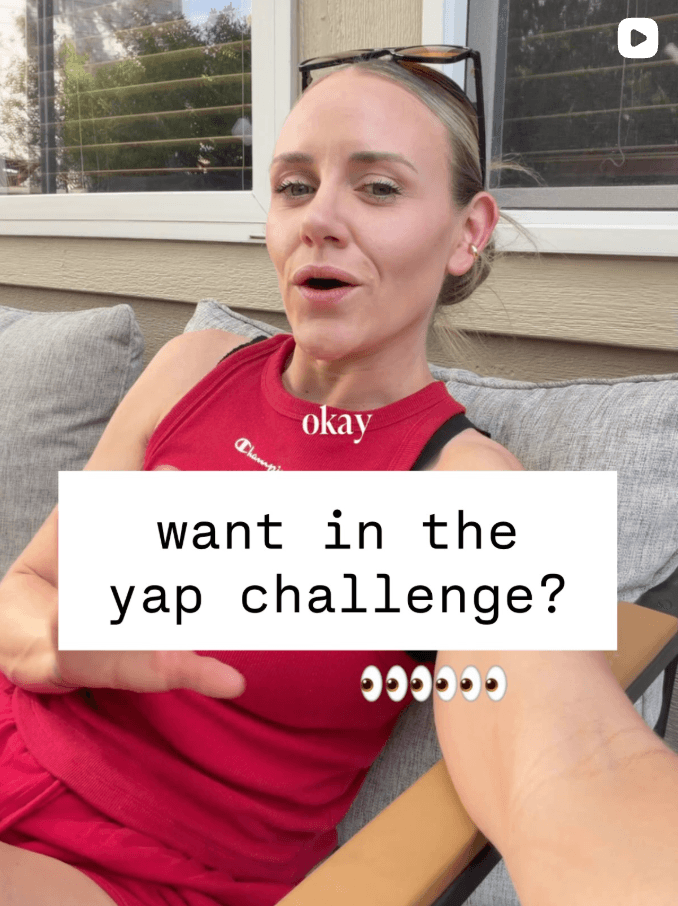
- The 2026 Pivot: Ellen Mackenzie formally adjusted her foundational advice. For the first time, "just make better content" was no longer enough; creators needed a systemic shift toward raw human connection. A prime example materialized when entrepreneur JessiJeanHome launched her unscripted "Yap Challenge," generating over $7 million in US sales across two months simply by encouraging creators to talk candidly on camera.
Supporting Data: What the Metrics Are Telling Us
In 2026, relying on vanity metrics like follower counts or raw view counts is a recipe for stagnation. Modern analytics require a deeper, more analytical approach.
- The Death of the "Like": General engagement behavior has shifted. Users rarely "like" posts the way they used to, but they actively comment, save, and share content that provides tangible utility or emotional resonance.
- The Power of the Casual Carousel: While polished graphics consistently underperform, unpolished formats thrive. In personal tests, Ellen Mackenzie observed that a casual smartphone photo of herself with a miniature pony at a local café reached 50,000 views—more than double her follower count.
- Conversion over Impressions: During recent freebie launches, top-performing assets were selected not by view count, but by the volume of comments and saves, proving that hyper-targeted engagement vastly outperforms broad, passive impressions.
Official Insights and Expert Frameworks
Mastering this new ecosystem requires deliberate operational changes. According to Ellen and Michael, creators must rethink both their creative workflows and their advertising budgets.
1. Crafting Natural-Feeling Reels and Carousels
To capture attention, creators must abandon the unnatural "presenter tone" that often accompanies a live recording.
- For Reels: Set the camera off to the side while engaging in a natural, real-world activity (such as arranging flowers or recording a podcast conversation). Furthermore, trimming the first 30 seconds of a video removes artificial introductory energy, dropping the viewer straight into the heart of the conversation.
- For Carousels: Utilize simple black text over unedited smartphone snapshots in a 4:5 aspect ratio. Accounts like FriendsThatInvest (boasting 400,000 followers) demonstrate that everyday candids—from cooking at home to holiday snapshots—build immediate intimacy with an audience.
- The AI Paradox: Interestingly, AI is not banned from this workflow; its role is simply redefined. Rather than using AI to generate fake visuals, creators like Ellen use tools like Claude as a collaborative brainstorming partner. By training the AI on years of personal frameworks and client interactions, it helps organize raw thoughts and rants into structured posts without sacrificing the human voice.
2. Building Sustainable Systems
Consistency is no longer about matching the output of full-time influencers; it is about establishing a predictable rhythm that prevents burnout.
- Content Batching: Block out dedicated calendar days—free of meetings—to film video content, record podcasts, and capture photos for future carousels in a single focused sprint.
- Routine Integration: Attach content creation to existing habits, such as recording a short thought during a daily skincare routine or setting a smartphone alarm to snap an hourly photo during a regular workday.
3. Simplifying Paid Amplification
Paid ads should only be introduced to accelerate content that has already proven its mettle organically. Ellen advocates for a minimalist approach to Meta ads:
- One Campaign, One Ad Set, Three Creatives: Avoid complex interest-based targeting layers. Let Meta’s sophisticated AI handle distribution across three variations of a proven organic post.
- Automated Monitoring: By integrating custom AI skills (such as a trained Claude workflow), solopreneurs can automatically monitor cost-per-lead thresholds and receive immediate alerts when an ad creative underperforms and needs replacement.
Implications for Business Owners and Marketers
The shift toward authenticity-first marketing carries profound implications for brands of all sizes.
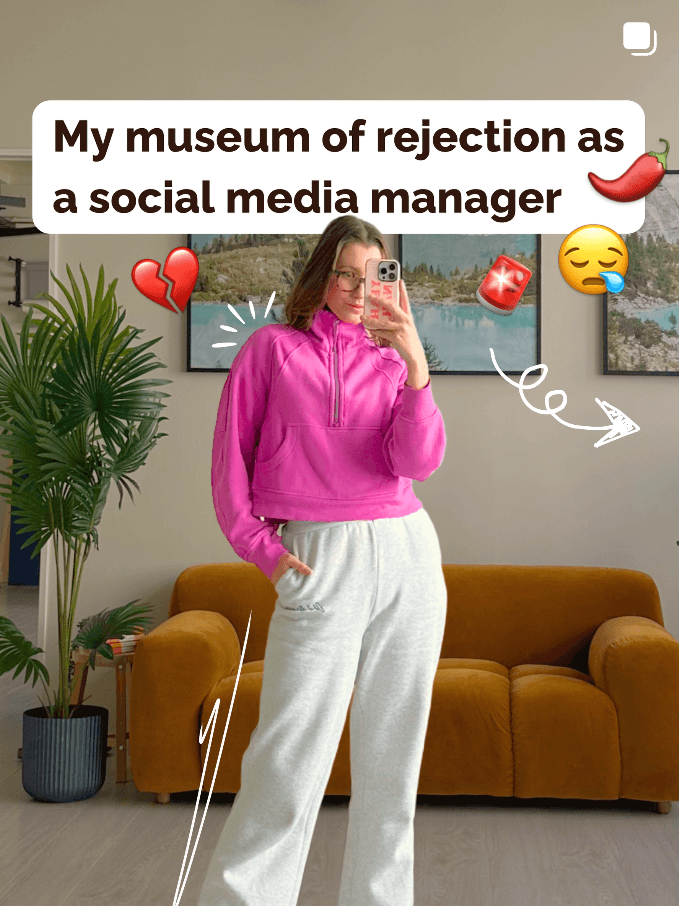
First, it democratizes content creation. The era of needing a dedicated video production crew, expensive lighting rigs, and elaborate graphic design agencies is effectively over. Audiences explicitly favor the unscripted, the imperfect, and the real. For small business owners and solopreneurs, this lowers the barrier to entry significantly.
Second, it forces a re-evaluation of marketing metrics. Teams must transition away from chasing superficial reach and instead build funnels designed around high-intent actions—saves, shares, direct message triggers, and community interactions.
Finally, the integration of AI as a cognitive partner rather than a creative replacement signals a maturation of marketing technology. Those who use AI to streamline their administrative and structural burdens while keeping their human experiences front and center will continue to dominate their respective niches. As the noise of the digital landscape grows louder, radical authenticity remains the ultimate competitive advantage.