The Architecture of Alignment: Why Holistic Marketing is Replacing Fragmented Strategies in Modern Business

In today’s hyper-competitive and digitally fragmented marketplace, businesses face a formidable paradox. While tools for consumer reach have multiplied exponentially, brand loyalty and customer trust are harder to secure than ever before. Traditional marketing models—which historically siloed departments like public relations, digital advertising, sales, and affiliate management into independent operational islands—are increasingly falling short.
Enter holistic marketing: a comprehensive strategic framework designed to align every operational facet, department, and external partnership around a single, unified brand message. More than just a passing trend, holistic marketing has emerged as an existential necessity for enterprises looking to scale sustainable growth, optimize their affiliate programs, and deliver a frictionless buyer journey.
Main Facts: Deconstructing Holistic Marketing
At its core, holistic marketing eliminates the friction caused by disjointed promotional campaigns. Instead of allowing different teams to project varied, sometimes contradictory tones and values, this approach demands total synchronization. Every touchpoint—from website copy and customer service interactions to high-level affiliate partnerships and social responsibility initiatives—must reinforce the brand’s primary identity.
The philosophy rests on three foundational pillars:
- Internal Marketing: Aligning employees, service providers, and internal stakeholders with the company’s vision so they become authentic brand representatives.
- Relationship Marketing: Cultivating long-term, mutually beneficial ties with customers, suppliers, and affiliate partners to maximize lifetime value.
- Societal Marketing: Embedding ethical practices and social responsibility directly into the corporate DNA to build deeper consumer trust.
Furthermore, holistic marketing integrates critical operational components, including a customer-centric mindset, an integrated marketing mix, rigorous data-driven decision-making, and absolute brand consistency across all channels.
Chronology: The Evolution from Siloed Advertising to Unified Ecosystems
To understand the rise of holistic marketing, one must trace the evolution of modern commercial strategy over the past few decades:

- The Era of Mass Media (Late 20th Century): Marketing was predominantly top-down and channel-specific. Television, print, and radio operated largely independent of one another, with consumer feedback loops moving at a glacial pace.
- The Digital Disruption (Early 2000s): The birth of search engines, social media, and digital display advertising multiplied the number of customer touchpoints. However, companies initially treated these new channels as isolated silos, creating disparate experiences for online versus offline shoppers.
- The Rise of Performance & Affiliate Networks (2010s): As digital acquisition costs rose, brands began turning to affiliate marketing and performance partnerships. However, top-tier publishers quickly realized they could not—and would not—promote brands with contradictory messaging, poor user experiences, or weak internal infrastructures.
- The Modern Holistic Imperative (Present Day): Today, consumer expectations for authenticity have reached an all-time high. Modern brands must operate as unified ecosystems. Companies like Apple serve as global blueprints, seamlessly weaving internal culture, societal responsibility, product design, and partner networks into a single, cohesive narrative.
Supporting Data and Industry Implications
The commercial advantages of adopting a holistic framework are quantifiable across multiple operational vectors:
Efficiency and Resource Optimization
By integrating marketing functions across departments, organizations eliminate redundancies. Instead of separate teams working at cross-purposes, resources are optimized. Campaigns achieve higher conversion rates because every dollar spent points toward the same core value proposition.
Transforming Affiliate Program Performance
Affiliate marketing serves as a primary litmus test for holistic success. Elite affiliates conduct rigorous due diligence before promoting a brand, evaluating the entire customer journey from landing page to checkout. When a company maintains strict brand consistency and a customer-centric ethos, affiliates feel secure lending their own reputations to the partnership. Consequently, an aligned holistic strategy acts as a catalyst, transforming a standard affiliate program into a company’s most profitable acquisition channel.
The Power of Societal Integration
Data shows that modern consumers—particularly younger demographics—gravitate toward socially responsible enterprises. Societal marketing initiatives, such as charitable donations tied to checkout systems or sustainable supply chain practices, do more than just build goodwill. They generate organic PR, create engaging social media content, and provide affiliates with authentic narratives to share with their audiences.
Official Perspectives: The Apple Blueprint
A prime real estate example of holistic marketing in action is tech giant Apple. Apple’s operations demonstrate how internal values directly translate into external market dominance.
The company’s public commitments—ranging from education and accessibility to environmental protection, inclusion, and privacy—are not relegated to a corporate sub-page; they are embedded in their global product design, advertising, and internal hiring practices. Through initiatives like the Apple Services Performance Partners Program, the company provides strict, clear guidelines that ensure affiliates speak the exact same brand language.
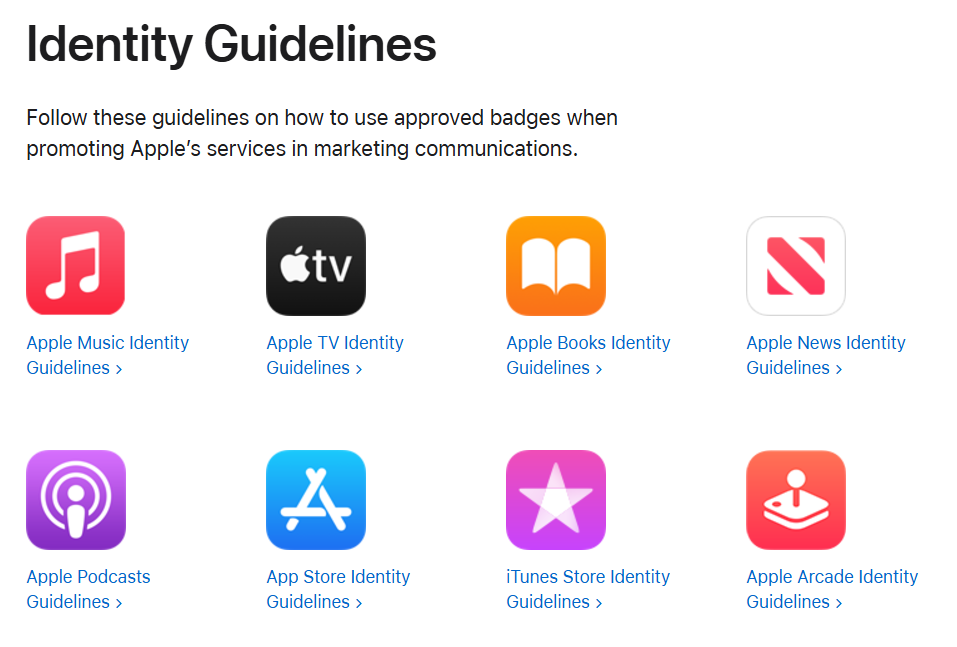
By maintaining this unwavering consistency across global markets, Apple illustrates that holistic marketing is not merely an operational theory, but a blueprint for enduring market leadership.
Strategic Implications for the Future
As digital landscapes continue to evolve through artificial intelligence, machine learning, and emerging immersive technologies like augmented reality, the complexity of consumer interactions will only increase. Businesses that fail to adopt a unified strategy risk confusing their audiences with fragmented, conflicting messages.
Embracing Technological and Cultural Change
Future-proof organizations must leverage data-driven analytics to understand shifting consumer behavior, refining their campaigns in real time. Moreover, businesses must equip their extended networks—particularly affiliates—with the creative resources and insights necessary to navigate these technological shifts smoothly.
The Medical Analogy: Why Teamwork Matters
Implementing holistic marketing can be compared to treating a complex medical condition. If a patient visits multiple specialists for various ailments without disclosing their holistic health profile or concurrent treatments, no single doctor can successfully heal them, despite their individual expertise.
Similarly, public relations campaigns, paid advertisements, affiliate content, website optimization, and customer service departments cannot function effectively in isolation. Holistic marketing requires that every department communicate and synchronize. When PR, ads, web design, and customer care operate as pieces of the same puzzle, they create a straightforward, enjoyable, and high-converting customer journey.
Conclusion
Holistic marketing is no longer a tentative experiment; it is the ultimate strategy for survival and prosperity in a hyper-competitive global marketplace. By breaking down internal silos, championing data-driven insights, aligning employees and affiliate partners, and embedding social responsibility into everyday operations, businesses can transform their brand identity. Ultimately, holistic marketing ensures that a company does not just sell products, but builds enduring, meaningful relationships that stand the test of time.