The AI Revolution on TikTok: How New Agentic Tools and Smart Workflows Are Democratizing Short-Form Advertising
The barrier to entry for digital advertising is undergoing a seismic shift. For years, small-to-medium-sized business (SMB) owners and novice marketers looked at platforms like TikTok Ads Manager with a mixture of intimidation and hesitation. Overwhelming dashboards, complex audience-targeting protocols, and steep learning curves meant that launching a successful campaign often required dedicated media buyers or expensive agency retainers.
However, the integration of advanced artificial intelligence into TikTok’s ecosystem is radically flattening that learning curve. Armed with tools like the Agentic Hub, Symphony Creative Studio, and Content Suite, everyday entrepreneurs can now ideate, build, optimize, and scale high-performing short-form video campaigns using plain language.
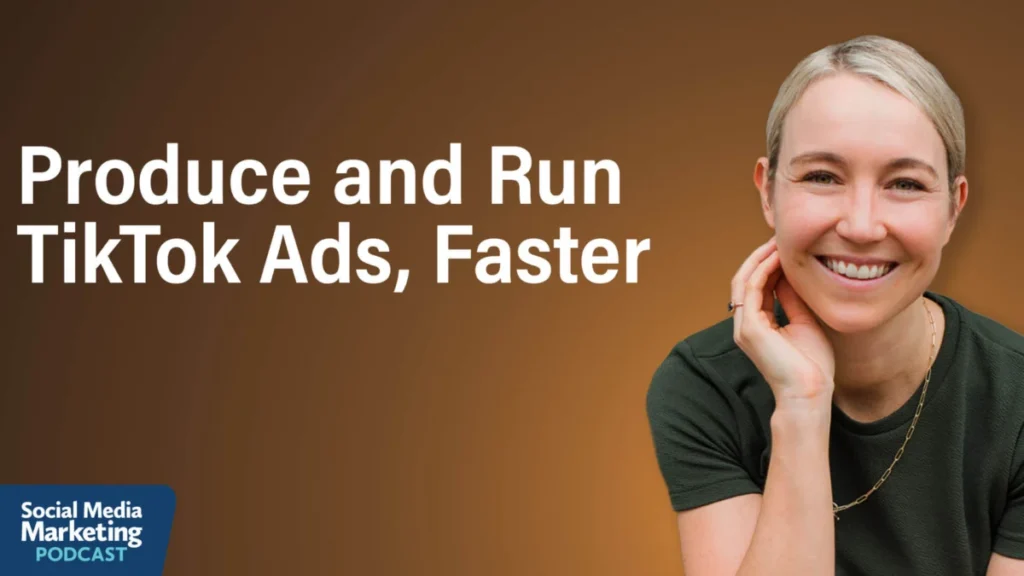
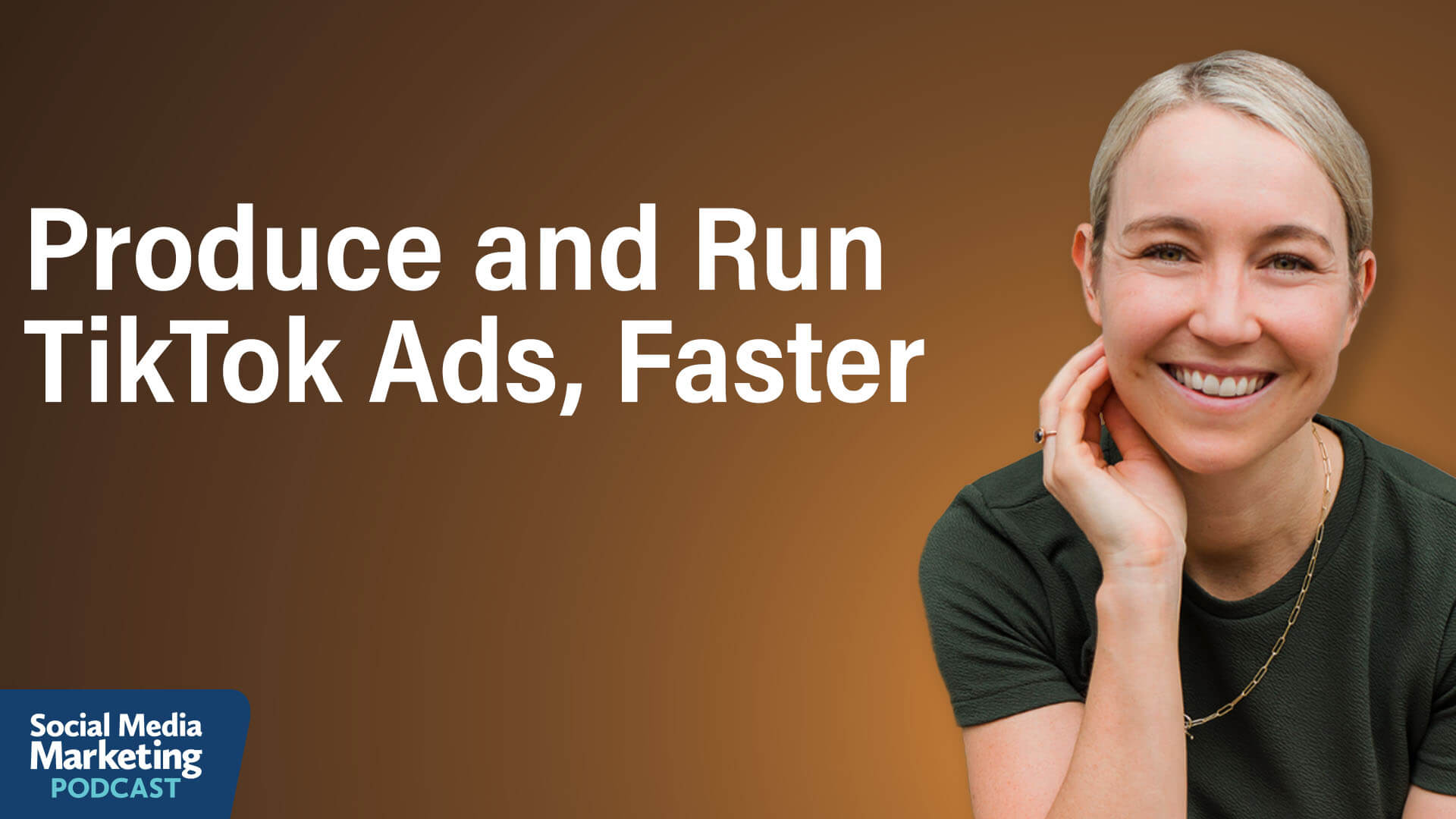
Co-created by short-form video expert and Oysterly Media founder Melissa Laurie alongside industry authorities Michael Stelzner and Jerry Potter, a recent deep-dive exploration breaks down how these new AI features are changing the marketing landscape—and what human creators still need to bring to the table to stand out.
Chronology of an Advertising Evolution: From Manual Buys to Agentic AI
To understand the magnitude of TikTok’s recent updates, it helps to look at how brands historically interacted with the platform.
- The Manual Era: Marketers had to manually configure ad sets, navigate dense UI dashboards, manually analyze data reports, and rely entirely on internal brainstorming sessions for creative direction.
- The Early API Integration Phase: Brands could connect external software to ad platforms, but doing so required expensive custom developer integrations, complex API keys, and specialized technical personnel.
- The Current Agentic Era: Through Model Context Protocols (MCP) and decentralized AI skills, platforms like ChatGPT and Claude can now communicate two-way with TikTok Ads Manager. Marketers can chat with their data, pull campaign metrics, draft ad groups, and troubleshoot performance using natural language prompts.
Main Facts: TikTok’s New AI Arsenal
TikTok’s recent rollout introduces several interconnected systems designed to handle the heavy lifting of media buying and creative production:
- The Agentic Hub & MCP Integration: Acting as a centralized marketplace for AI-powered tools, the Agentic Hub connects conversational AIs (such as Claude and ChatGPT) directly to TikTok Ads Manager via the Model Context Protocol (MCP). As Laurie cleverly explains, "TikTok Ads Manager is the restaurant, the MCP is the waiter, and the AI tool is the menu." Marketers can ask questions about campaign performance, pull real-time reports, and build campaigns using conversational text rather than manual clicks.
- Official AI Skills: TikTok has introduced downloadable instruction sets—or "skills"—that operate within tools like ChatGPT or Claude. These function as prebuilt expert routines for tasks like Viral Video Creator, Ad Group Optimizer, and Account Diagnosis Co-pilots.
- Symphony Creative Studio: TikTok’s dedicated video generation hub takes campaign briefs and scales them into storyboards, scripts, product highlights, and finished video assets using platform trends and top-performing ad signals.
- Content Suite’s AI Search: A robust library of user-generated content (UGC) and live ads on the platform, upgraded with an AI-powered search engine designed to streamline competitive intelligence and creative research.
Supporting Data & Practical Applications
While the technology offers unprecedented accessibility, the practical value lies in how marketers execute these workflows. According to industry practitioners, integrating AI into daily routines saves hundreds of man-hours, but it also demands a strategic shift in how time is invested.
Automating the Administrative Burden
For businesses new to TikTok, the sheer volume of data can paralyze decision-making. Marketers are now using AI skills to automate baseline tasks that previously drained productivity:
- Generating daily performance reports via text prompts.
- Querying the AI to identify which existing creatives possess the strongest hooks.
- Continuously monitoring accounts for creative fatigue before ad spend degrades.
The Power of Interoperability
One of the most surprising developments in this agentic shift is cross-platform flexibility. Because AI skills are essentially modular text files, they are not permanently locked to the native ecosystem that inspired them. A marketer can utilize a TikTok copywriting skill to generate high-converting text for Meta, or discover that an Instagram optimization framework yields superior results when applied to TikTok campaigns. This represents a complete paradigm shift away from walled-garden advertising ecosystems.
Official Responses and Expert Insights: The Human-in-the-Loop Imperative
Despite the promise of automated advertising, industry leaders emphasize that artificial intelligence should act as a co-pilot rather than an autopilot. Blindly trusting machine recommendations can backfire.
Guarding Against AI Blind Spots
Melissa Laurie issues a strong warning regarding algorithmic recommendations: "AI recommendations should not be taken as gospel."
For instance, when a brand launches a brand-new creative asset, TikTok’s recommendation engine may flag it for low performance and suggest pausing it within a few days. However, this automated suggestion often ignores the fact that the platform inherently prioritizes older, established ads that have already accumulated historical engagement data.
To combat this, marketers must interrogate their AI tools. Asking diagnostic questions such as, "What’s another way to do this?" or "Could I be doing this better?" forces the AI to re-evaluate parameters and offer alternative strategies.
The Limits of AI-Generated People
When it comes to video generation via Symphony Creative Studio, human oversight remains non-negotiable. While AI-generated product showcases—such as rendering textures for a beauty brand or highlighting features for 100 different pieces of furniture a week—deliver incredible ROI, AI-generated human presenters are not yet ready for prime time.
Consumer trust is fragile. When an artificial avatar looks into the camera and claims, "All my friends are talking about this product," viewers immediately spot the artificiality, raising integrity concerns.
Instead, top brands are adopting a hybrid approach:
- The Enhanced Creator Model: Real human creators film themselves demonstrating products (like a household mop), and AI is subsequently layered on top to add dynamic visual effects, such as animated "angry germs" to illustrate a before-and-after scenario.
- Product-Only Showcases: Leveraging AI to dynamically render product materials and lighting for e-commerce brands without needing an on-camera personality.
Implications: The Anatomy of High-Performing Content in an AI World
As AI tools democratize ad creation, the baseline quality across TikTok will rise exponentially. To break through the noise, marketers must master the foundational architecture of short-form video.

The Ultimate TikTok Video Blueprint
When users scroll through their feeds on commutes or breaks, they are not just competing against direct competitors—they are competing against every major influencer and media network on earth. According to Laurie, high-performing videos rely on a strict structural sequence:
- The First Frame: The opening visual image must instantly arrest the scroll before the user’s thumb moves on.
- Billboard Text: Large-format text overlays that communicate value in a single glance, much like a highway billboard.
- The Opening Words: The initial spoken hook delivered immediately after the visual halt.
- The Glue: The crucial connective tissue linking the hook to the substance of the video, preventing mid-roll drop-offs.
- Tight Middle Content: Delivering value in crisp, digestible sets (ideally breaking points down into groups of three).
- The Sharp Ending: Cutting the video abruptly at its conclusion rather than trailing off or slowing down speech. A clean cut signals completion to the algorithm, boosting algorithmic distribution.
Authentic Presentation Over Staged Polish
Paradoxically, as AI-generated slickness becomes easier to produce, raw, authentic-looking content continues to outperform heavily polished corporate commercials. Videos filmed in natural environments—such as a creator discussing a product while walking down the street or applying makeup—feel like recommendations from a trusted friend rather than a direct sales pitch.
Furthermore, creators are advised to avoid giving away the punchline immediately. By teasing the broader implications of a piece of news or a product feature first, creators maintain audience retention through the middle and final acts of the video.
Conclusion: A New Era for Advertisers
Is AI making it so anyone can run effective TikTok ads? The answer is a qualified yes.
The technical barriers that once protected larger agencies—navigating dense ad managers, writing complex code for data integrations, and manually analyzing metrics—are rapidly dissolving through Agentic Hubs and conversational AI prompts.
However, technology cannot replace human judgment, strategic narrative structuring, and authentic brand storytelling. For small business owners willing to invest the time to learn the prompts, audit the AI recommendations, and execute high-retention video frameworks, the doors to TikTok advertising are officially wide open.